More Than Half the World Lives in Just Seven Countries: A Look at Global Population Distribution in 2025
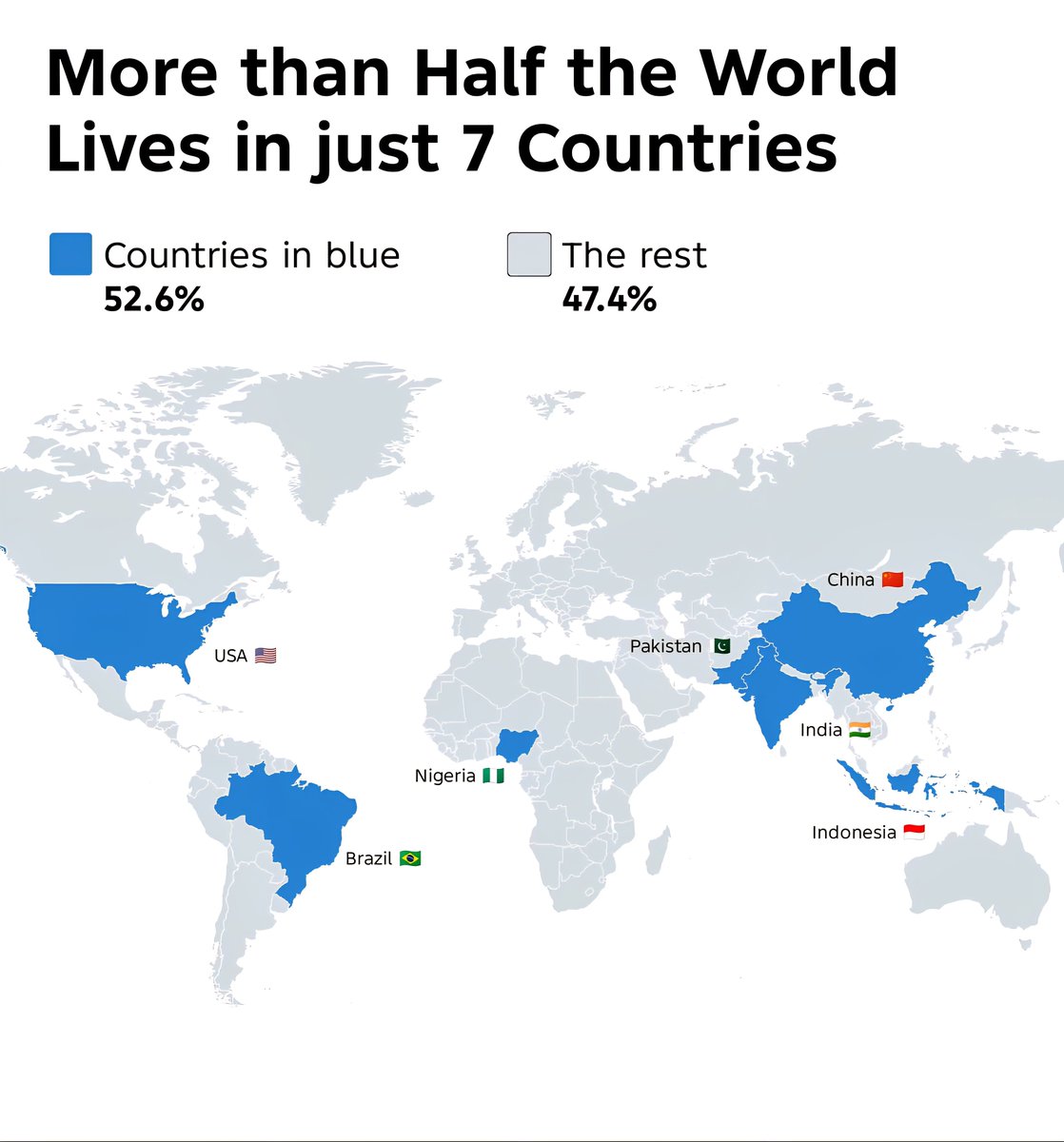
India Holds the Crown as the Most Populous Country
India remains the world’s most populous nation, housing approximately 1.43 billion people in 2025. This accounts for about 18% of the global population, underscoring its massive demographic weight. The country’s population growth is slowing but continues to influence global trends significantly. With a vast and diverse population, India faces challenges and opportunities alike, from urbanization to economic development, making it a key player on the world stage.
China’s Population Steadying Amid Demographic Shifts
China, home to roughly 1.41 billion people, closely follows India. The Chinese population growth has stabilized but is now experiencing a decline, driven by aging demographics and lower birth rates. Despite this slowdown, China remains a demographic giant, impacting global markets, geopolitics, and cultural influence. The Chinese government’s efforts to balance population decline with policies favoring increased birth rates are ongoing.
The United States: A Growing Melting Pot
The U.S. population stands at approximately 340 million in 2025, making it the third most populous country globally. The nation continues to experience steady growth due to both natural increase and high levels of immigration. Its diverse demographic makeup reflects a broad melting pot, with multicultural influences shaping everything from cuisine to technology and policy. The U.S. remains a pivotal global power, with its population size fueling innovation and economic strength.
Indonesia: The Largest in Southeast Asia
Indonesia, with an estimated 280 million residents, is the fourth most populous country. Its population is growing rapidly, driven by high fertility rates in some regions. Indonesia’s demographic trends pose both opportunities for economic expansion and challenges related to infrastructure, education, and healthcare. The nation’s diversity makes it a unique mosaic of cultures, languages, and religions.
Pakistan and Nigeria: Fastest Growing Populations
Pakistan and Nigeria are among the fastest-growing countries in the world. Pakistan’s population has reached approximately 240 million, while Nigeria’s population is estimated at around 220 million in 2025. Both nations are experiencing youthful populations, which could be advantageous for economic development if managed well but also strain resources if growth continues unchecked. Education, healthcare, and employment opportunities are pressing concerns for these nations.
Brazil: South America’s Largest Population Hub
Brazil remains the most populous country in South America with roughly 220 million inhabitants. While its population growth has slowed compared to previous decades, Brazil continues to be a vital cultural and economic hub in the region. Urbanization and environmental challenges, including deforestation and biodiversity loss, are central issues facing Brazil today.
The Rest of the World: A Shared Demographic Role
While these seven countries house over half of the world’s population, the remaining 192 countries collectively account for about 47.4%. Countries in Africa, Europe, Oceania, and other parts of Asia have diverse population trajectories—some experiencing rapid growth, others facing decline. This uneven distribution influences global economics, geopolitics, and development strategies moving forward.
Final Thoughts
The demographic landscape in 2025 underscores the rapid shifts and persistent challenges facing our global community. The dominance of these seven nations in population size highlights their importance in shaping future policies, economies, and cultural exchanges worldwide. As populations evolve, so too do the opportunities and complexities that come with a changing world.
The world’s population distribution is a dynamic story, and understanding its nuances is key to navigating the future.