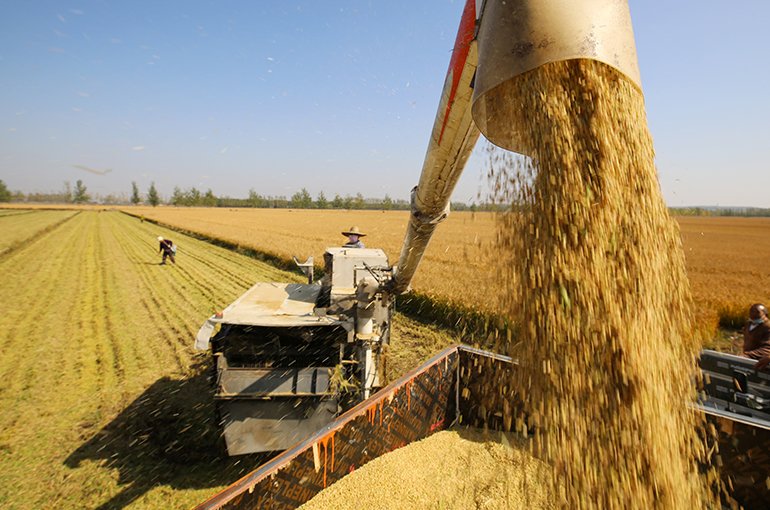
Stocks of certain Chinese companies in the seed industry have seen impressive growth recently, driven by rising international agricultural commodity prices amid ongoing geopolitical tensions.
The hybrid corn seed manufacturer saw its shares jump by 10%, reaching CNY13.96 (around $2.07) at midday today in Shanghai, marking the sixth consecutive day of hitting the daily limit. Similarly, a cottonseed processing company experienced a 10% increase to CNY6.12 (approximately $0.91) by late morning, also for the fourth day in a row.
In August, the Seed Industry Index increased by approximately 24%. Meanwhile, wheat and corn futures on the Chicago Mercantile Exchange reached three-year highs during the last week of August, fueling a surge in global agricultural product prices. This shift mainly reflects fundamental changes in worldwide grain market dynamics.
The conflict in the Black Sea region has disrupted major grain export pathways, while El Niño-related extreme weather has intensified concerns over potential reductions in global harvests. Additionally, several countries have imposed export bans, contributing to increased market volatility in agricultural commodities.
Higher grain prices are primarily benefiting the seed sector, with the upward trend gradually influencing related industries such as fertilizers, pesticides, agricultural machinery, and livestock. However, experts emphasize that the sustainability of this rally depends heavily on actual production forecasts and underlying supply conditions.
The boost in seed stocks is driven not just by higher agricultural prices but also by market expectations of systematic increases across global agricultural markets, according to an investment management firm. Traders note that many of these recent stock gains are more reflective of policy-driven food security concerns and market premiums than immediate company performance. After a sustained rally, many stocks have started to diverge from their fundamentals, leading to increased profit-taking in the sector.
Despite widespread climatic challenges, China has avoided major agricultural droughts this year, thanks to relatively stable conditions across multiple climatic factors, stated a professor from China Agricultural University. However, he warned that the effects of El Niño could persist for over six months, potentially heightening agricultural risks around 2027.
Financial institutions have issued warnings about potential global food shortages next year. One major bank suggests a possible food crisis could emerge, while another predicts that worldwide grain supply and demand might experience its first significant imbalance since 2020-2021. Numerous market analysts have also raised their price targets for corn, wheat, and soybeans to reflect these concerns.