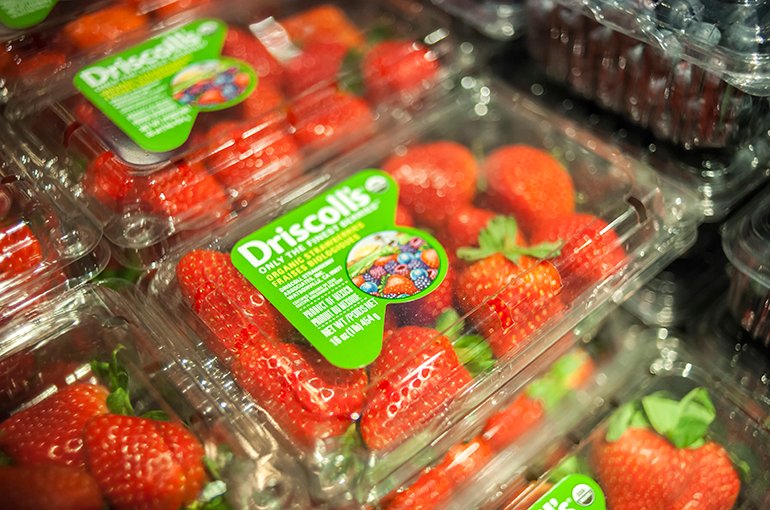
The China division of a leading berry company has announced increased sampling and testing of products sold within the country. This move follows recent allegations that the company concealed pesticide residues, specifically per- and polyfluoroalkyl substances (PFAS), in its strawberries. All recent tests have shown compliance with national food safety standards.
The company emphasized strict adherence to Chinese laws and regulations governing berry cultivation and sales. Based in Shanghai, it assured consumers that all products meet the country’s health and safety standards.
This controversy stems from a lawsuit filed earlier this month by a group of consumers in California, where the company is headquartered. The lawsuit claims that the company concealed PFAS, often called “forever chemicals” due to their persistence in the environment, in strawberries, and also accuses it of false advertising. As of now, the legal proceedings are still ongoing, with no final decision issued.
According to court documents available through the US federal court system, laboratory tests conducted by the plaintiffs detected eight different types of PFAS pesticide residues in conventional strawberries. Interestingly, no PFAS residues were found in the company’s organic strawberries.
PFAS are characterized by incredibly stable chemical bonds that make them resistant to breakdown in both the environment and the human body. Long-term exposure to these chemicals has been linked to serious health issues such as kidney cancer, thyroid and liver damage, increased cholesterol levels, and weight gain, as detailed in legal filings.
The company’s official website states that their strawberry cultivation complies fully with all US regulatory standards. It adds that pesticide usage on their berries is closely monitored by domestic authorities, who enforce strict residue limits and continue to improve supervision of emerging contaminants, including PFAS.
The company has a history of selling blueberries in China and operates blueberry and strawberry farms in Yunnan province.
As a result of the legal issues, some of the company’s products have been temporarily removed from certain sales channels within China. However, as of late yesterday, the products were still available on major e-commerce platforms in the country, with some items marked as out of stock pending restocking.
An academic expert specializing in pesticides speculated to Yicai that PFAS found in strawberries could originate from pesticide applications or contamination from soil and irrigation water. Since strawberries are vulnerable to numerous pests and diseases, pesticide use is common for effective management.
The expert also noted that farmers are supposed to follow mandatory pre-harvest intervals after pesticide application. However, some farmers may repeatedly apply chemicals without respecting these periods, potentially leading to higher residues of PFAS on the fruit.
Q:**Martin Kadiev**