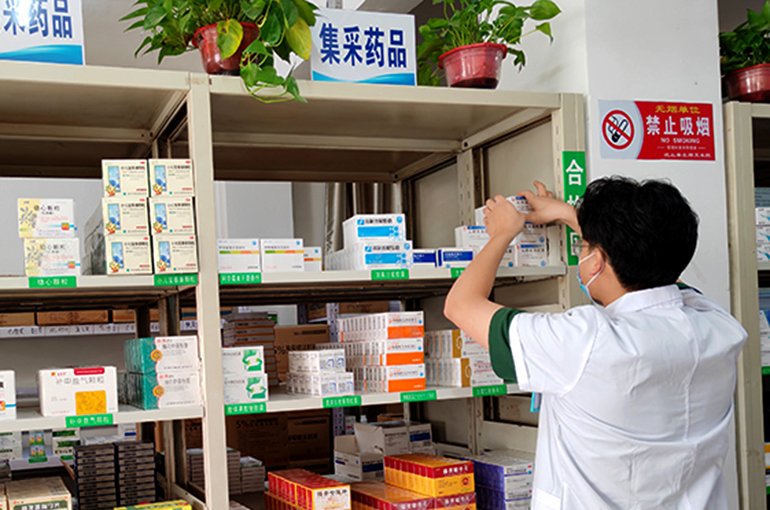
China’s nationwide volume-based drug procurement initiative, launched in 2019 to lower medication costs while strengthening quality standards, has prompted Chinese insulin producers to upgrade their manufacturing processes, enhance product quality, and boost their global competitiveness. This development has paved the way for these companies to enter international markets.
Several Chinese pharmaceutical companies have introduced insulin products into Europe and the U.S. this year, challenging the longstanding dominance of a few Western pharmaceutical giants.
At the end of last month, Sunshine Lake Pharma shipped its first batch of insulin glargine, Langlara, totaling 1.15 million units, to the United States. This marks the first time a finished dosage form of insulin from China has been exported to the U.S. The deliveries are expected to be completed between mid and late this month.
It has been previously disclosed that Sunshine Lake signed a supply agreement with a U.S. customer to provide at least 18 million units of Langlara over an 18-month period.
Sunshine Lake’s president emphasized that continuous investment in manufacturing upgrades and maintaining consistent quality were essential to secure stable supply contracts and gain recognition among clinical end users. These efforts also establish a solid foundation for future regulatory approvals abroad.
The company successfully passed a U.S. Food and Drug Administration (FDA) on-site inspection on the first attempt. Beyond physical infrastructure upgrades, the breakthrough largely hinges on the company’s “software” strengths, such as effective communication systems with regulators and the integration of registration and declaration processes, he explained.
In November 2021, Sunshine Lake won a bid during the first national volume-based insulin procurement organized by the National Healthcare Security Administration. The approval for Langlara in China was granted just a month prior to this bid.
While the initial contracted volume was modest, this win allowed Sunshine Lake to expand its production capacity. Its insulin plant in Yidu, central Hubei province, came online in 2021, increasing its annual capacity from approximately 15 million units to around 100 million units over five years.
As of late July, King-friend Biochemical Pharmaceutical, listed in Shanghai, announced it received FDA approval for its insulin aspart injection, making it the first domestically produced insulin aspart to enter the U.S. market.
Tonghua Dongbao Pharmaceutical, the producer of King-friend’s insulin aspart, stated that only four months passed between the FDA’s onsite inspection and final approval. This swift process demonstrates that its product quality system aligns well with international standards.
Additionally, three insulin products from Gan & Lee Pharmaceutical, also listed in Shanghai, received successive approvals from the European Union in the first half of this year. This positions the Beijing-based company as China’s only pharmaceutical firm with both long-acting and rapid-acting insulin products approved in the EU.
Improvements in product quality have rapidly increased the availability of domestically produced insulin in China. Prior to the implementation of volume-based procurement, three foreign companies shared about 70% of the market. By April 2024, their share had decreased to roughly 55%.
Industry experts note that procurement programs serve as comprehensive tests of the entire supply chain. By reducing inflated sales costs and enhancing ongoing inspections in line with good manufacturing practices, these policies help companies develop process efficiencies, reduce costs, and build large-scale manufacturing capabilities. These strengths eventually become core competitive advantages, facilitating entry into international markets.
Sunshine Lake’s products for domestic and export markets are identical in quality, according to company officials. They adhere to the same standards across raw materials, manufacturing workflows, impurity control, and stability testing. Price reductions are driven by economies of scale, not lowered quality.
China’s volume-based procurement system involves committed purchase volumes in exchange for reduced drug prices. It is organized by national, regional, or cross-regional procurement agencies, with public healthcare institutions submitting demand forecasts to make bulk purchases.