China has introduced its first set of guidelines aimed at ensuring fair overseas competition and compliance within the automotive industry. These regulations oversee the pricing, promotional activities, and branding strategies of domestic automakers operating internationally, urging them to avoid frequent or drastic price fluctuations in foreign markets.
Released jointly by the Ministry of Commerce, the Ministry of Industry and Information Technology, and the State Administration for Market Regulation, the guidelines, published after their initial announcement on August 24, consist of four chapters and 20 articles. They address market competition and other business practices for Chinese auto companies abroad, and also provide broad recommendations on compliance matters such as production safety, quality control, labor protections, and data security in international operations.
In recent years, increased global competition has led Chinese automakers to engage in aggressive pricing tactics to expand their market share. Different countries often see wide variances in the same vehicle model prices. The new rules specify that automakers should base their international pricing strategies on costs and supply-demand dynamics, avoiding actions that could distort fair market competition to secure unfair advantages.
When establishing recommended retail prices abroad, companies should create transparent pricing structures for various vehicle configurations, aiming to prevent damage to consumer interests and protect their brand reputation through unnecessary or steep price changes. Regarding price differences between markets, the guidelines emphasize the importance of setting reasonable variances that consider local market conditions, taxation systems, and logistics expenses, thereby preventing disorderly sales and safeguarding the pricing independence of local dealers and agents.
On sales practices, automakers are instructed to clearly label all prices, avoiding arbitrary or above-listed charges, and to adhere to local laws when offering discounts, financing options, and promotional deals. Marketing efforts must be truthful, transparent, and free from false advertising.
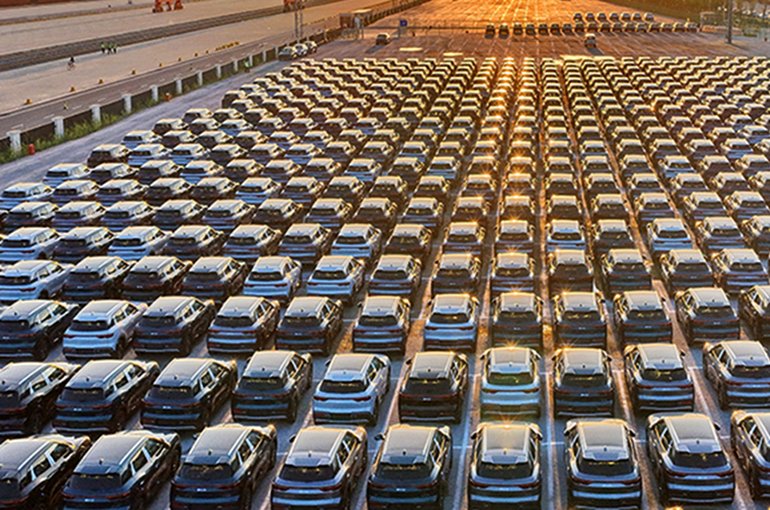
In terms of export growth, Chinese auto exports have soared to over 8.3 million units last year from less than one million in 2020, reaching markets in more than 200 countries and regions, according to industry data. Chinese firms have also invested in auto manufacturing operations across more than 80 countries, establishing a significant global footprint.
The guidelines also address safety standards in overseas manufacturing, quality management, worker protections, and data handling for smart, connected vehicles, including autonomous driving systems. They highlight the importance of respecting intellectual property rights, ensuring compliance with antitrust regulations, and supporting the transition toward greener, low-carbon automotive solutions.
Industry experts note that China’s auto sector is shifting from merely exporting vehicles to developing complete supply chains abroad. Building manufacturing plants and maintaining local operations entail stricter adherence to environmental regulations, tax policies, employment laws, data localization requirements, and more. These new rules are designed to assist automakers, parts suppliers, and service providers in coordinating their global expansion efforts smoothly.