Category: AI

  • Fake Fable Tops Truth: It Didn’t Beat Opus, It Hired It

    In recent industry discussions, a surprising narrative has emerged surrounding Fable’s rise to prominence. Contrary to popular belief, Fable didn’t topple Opus as the leading platform. Instead, sources suggest that Fable’s success is largely tied to operational collaborations with Opus itself.

    Industry insiders reveal that Fable strategically partnered with Opus, leveraging its established infrastructure and expertise to accelerate growth. Rather than a fierce competition aimed at displacing Opus, Fable selectively hired key talent and integrated core technologies from its predecessor, effectively positioning itself as a successor without directly contesting the top spot.

    This approach highlights a different kind of industry strategy—one centered on collaboration and resource sharing rather than outright dominance. By aligning with Opus, Fable has been able to consolidate strengths and carve out its own niche, transforming from a secondary alternative into a top contender in the space.

    Analysts believe this shift signals a broader trend in the field: success can hinge more on partnerships and strategic alliances than purely on overt competition. Fable’s ascent underscores the importance of cooperative growth, suggesting that today’s tech landscape might be more about collaboration than confrontation.

  • GPT-5.6 Officially Released, The Strongest Ever but Got Trapped by Itself

    The release of GPT-5.6 has taken the tech world by storm, heralded as the most powerful language model to date. Developed by OpenAI, this new iteration promises to push the boundaries of artificial intelligence, showcasing impressive capabilities in understanding and generating human-like text.

    However, despite its groundbreaking features, GPT-5.6’s launch has been accompanied by unexpected challenges. While touted as an unbeatable titan in AI technology, developers and users alike have encountered situations where the model’s own limitations and bugs have caused setbacks. Some early adopters reported issues ranging from unexpected errors to misinterpretations that affected their projects, highlighting that even the most advanced AI systems are not yet infallible.

    The AI community is now buzzing with discussions about the lessons learned from this rollout. Experts emphasized that the development of such sophisticated models remains an ongoing process, and initial hiccups are not unusual as technology pushes forward into uncharted territory. OpenAI reassured users that they are actively working to address the bugs and improve the overall stability of GPT-5.6, aiming to unlock its full potential for real-world application.

    In essence, while GPT-5.6 marks a remarkable milestone in AI innovation, its debut also underscores the importance of ongoing refinement and cautious optimism. The journey to creating truly reliable and versatile AI continues, with each iteration bringing new insights and challenges.

  • What’s Next for DeepSeek After the Military Expansion?

    Following the significant military expansion, questions are mounting about the future direction of DeepSeek. The company, which has long been at the forefront of technological innovation in defense and security, now faces a pivotal moment as geopolitical tensions and increased defense budgets reshape the landscape.

    Industry analysts speculate that DeepSeek will need to recalibrate its strategy to align with the new demands of a heightened military environment. This could mean doubling down on advanced analytics, deploying more sophisticated artificial intelligence systems, or expanding its cybersecurity offerings to meet the evolving needs of national defense agencies.

    Some experts believe that the company might seek strategic partnerships or government contracts to secure its position in this new era of expansion. Conversely, others suggest that DeepSeek could diversify its portfolio, branching into civilian sectors like border security or disaster response, where its technologies could have a significant impact.

    Despite the uncertainties, one thing remains clear: DeepSeek’s next moves could have substantial implications, not only for its business trajectory but also for broader national security initiatives. As the world watches closely, industry insiders and stakeholders alike are eager to see how the company will navigate this critical period of growth and transformation.

  • World Cup “Great Moments” Fake? AI Fakes Outrage

    In a surprising turn of events, some of the most iconic moments from the World Cup have been revealed to be artificially created, raising questions about authenticity in the digital age. Fans around the world were captivated by unforgettable scenes—whether it was a stunning goal, a dramatic save, or a heartfelt celebration. However, recent investigations suggest that a notable portion of these legendary moments might have been fabricated using artificial intelligence.

    The revelation has sparked debate in sports circles and among fans about the credibility of digital content. While AI technology has advanced rapidly, allowing for highly realistic recreations, this development raises concerns about the potential for misinformation and the manipulation of iconic sports highlights.

    Experts emphasize the importance of verifying footage and narratives, especially as AI tools become more sophisticated and accessible. These discoveries serve as a reminder that, in the digital era, viewers need to approach viral sports clips with a healthy dose of skepticism and demand transparency about the origins of such content.

    As the world continues to enjoy the excitement of international tournaments, the incident underscores the need for journalists, broadcasters, and fans to remain vigilant. Authenticity in sports remains vital, not only for preserving the integrity of the game but also for protecting the trust of millions of fans who cherish genuine moments of athletic triumph.

  • Xpeng Robot Restructures, Nine New Departments, He Xiaopeng in Charge

    According to recent reports, Xiaopeng Motors has undergone significant organizational restructuring within its robotics division. The company has established nine new departments dedicated to advancing its robot technology initiatives. Notably, CEO He Xiaopeng has taken on the additional role of leading the product department, signaling a renewed focus on innovation and product development in this area.

    This reshuffle appears to demonstrate Xiaopeng’s commitment to bolstering its presence in the robotics sector, aligning with broader industry trends that emphasize autonomous systems and intelligent machines. The creation of multiple specialized departments suggests a strategic move to streamline operations, foster innovation, and accelerate the deployment of smarter robotic solutions.

    He Xiaopeng’s direct involvement in product leadership indicates an integrated approach, ensuring that the company’s robotics efforts are closely aligned with overall corporate objectives. Industry analysts see this as a positive step toward establishing Xiaopeng as a competitive player in the rapidly evolving robotics market.

  • Sure! Here’s a simplified, American English version under 60 characters:
Black Market Price of Nvidia Blackwell Triples

    Sure! Here’s a simplified, American English version under 60 characters:

    Black Market Price of Nvidia Blackwell Triples

    Recent developments shed light on the ongoing challenges and underground market dynamics surrounding the sale of high-performance AI hardware from NVIDIA, despite existing export restrictions to China. Currently, NVIDIA’s top-tier Blackwell architecture AI chips are restricted from sale directly to China, owing to U.S. regulations citing national security concerns, specifically their potential military applications.

    However, reports indicate that advanced hardware such as NVIDIA’s flagship DGX B300 AI servers are still making their way into China through shadowy channels. Market insiders reveal that on the black market, the price of these servers has skyrocketed to over 8 million yuan — approximately $110,000 — a stark contrast to their official U.S. retail price of around $400,000. This means their underground value has nearly doubled, driven by high demand and limited supply.

    Since 2022, the U.S. government has tightened export controls, citing the risk that certain high-performance computing hardware could be repurposed for military use. As a result, high-end data center equipment equipped with the latest Blackwell GPUs is now on the blacklist, and authorities have taken steps to intensify scrutiny of import channels. The DGX B300 platform, which features a total of eight Blackwell GPUs, exemplifies the hardware that Washington has explicitly sought to keep out of China’s reach.

    The surge in black market prices can largely be attributed to recent crackdowns by U.S. regulators on covert import routes. As enforcement measures intensify, the limited transfer pathways have further narrowed, pushing up prices and making illegal acquisitions more lucrative—or more challenging. By April of this year, the resale value of the DGX B300 in China approached the half-million-dollar mark, underscoring how demand persists despite regulatory obstacles.

    NVIDIA publicly clarified that the B300 system is classified as an export-controlled product, emphasizing that if such equipment is illegally transferred to restricted regions, the company will cease providing any official support or services for those units. Meanwhile, the U.S. Department of Commerce has introduced new regulation guidelines requiring any entity—regardless of their registration location—if their headquarters or parent company is based in restricted regions, they must seek special licenses to purchase high-end computing equipment.

    This rule aims to seal loopholes previously exploited by some Chinese tech companies seeking to source advanced chips via overseas subsidiaries or third-party channels. Coupled with these regulatory measures, China’s official policy continues to promote the development and deployment of domestically produced computing solutions. By fostering local alternatives, the country aims to mitigate risks associated with international sanctions and supply chain disruptions.

    In summary, while international export restrictions remain a significant hurdle, the demand for high-performance AI hardware like NVIDIA’s Blackwell GPUs persists in China, fueling a sizable underground market that continues to thrive despite tightening controls. Concurrently, China is actively investing in its domestic technological capabilities to reduce dependence on foreign high-end computing components and bolster its resilience in the face of ongoing sanctions.

  • Xiaomi’s Robot Company to Go Public: Led by Peking University Engineer, Lost $500M in 3 Years

    A robotics company backed by Xiaomi is set to go public, marking a significant milestone amid its ongoing financial struggles. The company, led by a Beijing Institute of Technology graduate, has been navigating the challenging landscape of technology development and market competition.

    Over the past three years, the firm has reported losses totaling approximately 500 million yuan (roughly $70 million). Despite the steep financial curve, its founders remain optimistic about future growth, emphasizing advancements in robotics technology and expanding applications across various industries.

    The company’s leadership, composed of engineers and tech enthusiasts from top institutes, believes that their innovative approaches will eventually pay off despite the current hurdles. Xiaomi’s investment underscores its commitment to expanding beyond consumer electronics into the robotics sector, reflecting a broader strategy to diversify its portfolio.

    Industry analysts suggest that while the company faces a difficult path to profitability, its recent public offering could provide the capital needed to accelerate research and development efforts. The move is viewed as a strategic step in Xiaomi’s broader push to secure a stronger foothold in emerging robotic technologies.

    As the company prepares for its IPO, stakeholders and observers are closely watching to see how it will navigate the competitive landscape and whether it can transform its technological potential into sustainable commercial success.

  • Baijia Qianfan Coding Plan Subscription Ends: Users Can Use Until Expiry

    Baijia Qianfan Coding Plan Subscription Ends: Users Can Use Until Expiry

    On June 25, Baidu’s Qianfan team announced that all subscription plans for the Baidu Qianfan Coding Program will no longer be eligible for renewal, effective immediately.
    The Baidu Qianfan Coding Plan is an AI coding subscription service launched by Baidu Cloud’s Qianfan large model platform in February 2026. It was designed to offer multi-model support, high compatibility, and low entry barriers, targeting individual developers with comprehensive coding assistance—from writing and understanding code to optimization.
    The service features a standardized interface that is compatible with popular AI programming tools such as Claude Code and Cursor. It integrates multiple code generation and understanding models, including GLM-4.7 and DeepSeek-V3.2, allowing developers to switch seamlessly within the console with a single click.
    Pricing for the service included a Lite version, which offered the first month at just 9.9 yuan for new users and 40 yuan monthly thereafter, as well as a Pro version priced at 49.9 yuan per month. Launched approximately four months ago, the service’s discontinuation marks a significant shift for its user base.

  • What Does Honor’s Agentic OS Mean for Terminal Makers?

    What Does Honor’s Agentic OS Mean for Terminal Makers?

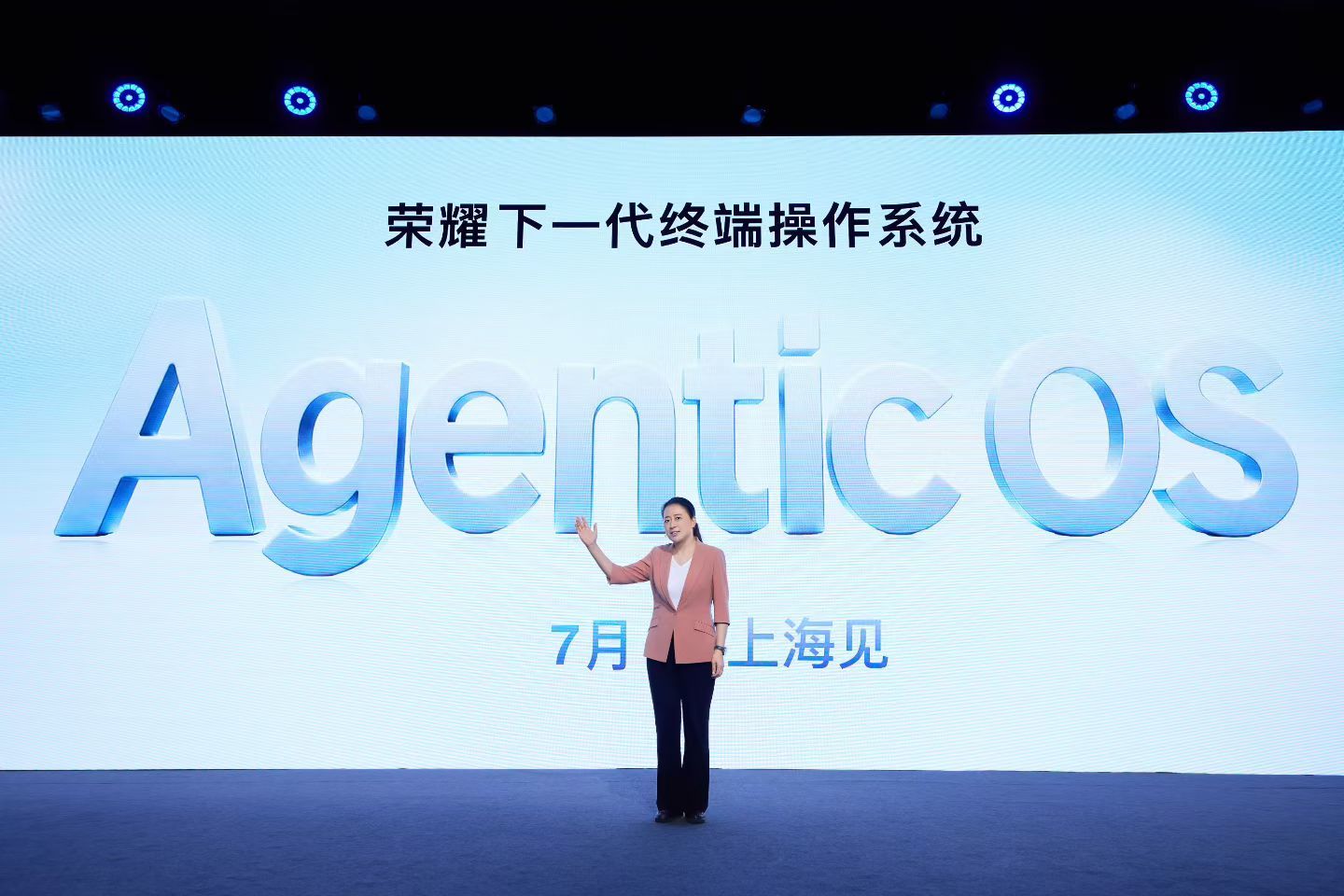
    On June 24, during the opening day of MWC Shanghai, Honor’s President of Product Line, Fang Fei, made a powerful statement from the stage: the next decade of mobile devices will shift from being mere containers for applications to platforms for intelligent agents. This declaration signifies Honor’s bold step into redefining the core of mobile operating systems, unveiling their plans for the next-generation system, Agentic OS.

    Honor has announced that it intends to launch the complete technical framework of Agentic OS by July 2026, with phased results to be showcased through MagicOS 11, bringing users a glimpse of this new direction. Behind this move lies a strategic departure from traditional app-centric models, acknowledging the profound influence of AI development. As large language models mature—from answering questions to understanding user intent, planning tasks, and executing commands across multiple applications—the role of operating systems is poised for a fundamental transformation.

    While Honor isn’t the first company to explore this terrain—Huawei recently introduced HarmonyOS 7 with agent-based restructuring, and Xiaomi announced Pengpai OS 4, deeply integrated with AI agents—industry-wide momentum indicates a collective shift. Many major players are now emphasizing the concept of AI agents as a core part of next-generation operating systems, sparking questions: Is this a consensus forming within the industry, or a competitive chase fueled by emerging anxieties about future entry points?

    Honor’s take on this transition highlights several technological innovations centered around three core capabilities of AI agents: perception, planning, and action. During the presentation, Fang Fei described how Honor is advancing these dimensions. On perception, the company is evolving sensing methods by integrating AI capabilities directly into devices—enhancing “YOYO suggestions” to shift from users searching for services to services proactively recognizing user needs. It’s also pushing for a ubiquitous perception ecosystem, dispersing AI sensing across smartwatches, earbuds, and glasses, all managed centrally by smartphones acting as the computational hub.

    In planning, Honor has developed a suite of proprietary large models across devices, exemplified by YOYO Claw, a multi-device AI framework for PCs, phones, tablets, and smart home gadgets. As for action, the system leverages tools like Magic GUI, large models such as Magic Agent, and integrated sensors to automate complex, multi-step tasks via the intelligent agent, showcasing impressive applications like the Robot Phone, which boasts embodied intelligence and realistic human interaction. Additionally, Honor has introduced its self-developed humanoid robot, which recently participated in a professional race and even broke the half-marathon record—a remarkable proof of technological progress.

    Further, Honor’s prior investments—such as launching their own “Lobster” AI agent YOYO Claw and integrating AI into the MagicBook series—lay the groundwork for Agentic OS. These initiatives, along with the evolution of MagicOS, signal an ongoing transition from traditional tools to proactive, intent-driven, cross-platform intelligent agents.

    Fang Fei highlighted a critical industry shift: the move from GUI-based interactions to agent-centric UIs, long-term user context over isolated apps, and a paradigm where the device becomes an environment for understanding and connecting with users via natural language and intent. Users will no longer flick through apps but instead communicate with intelligent agents that plan and execute services seamlessly.

    However, this shift isn’t without challenges. The existing mobile internet relies heavily on app-based traffic—developers attracting users through applications, platforms controlling distribution and entry points, and users consuming services within a fragmented app ecosystem. Transitioning to an agent-driven model requires a significant upheaval of these structures, potentially restructuring data sharing, interface protocols, and industry standards. Collaboration among manufacturers to establish common protocols and open ecosystems will be crucial.

    Looking ahead, Honor’s plan to release the full technical framework in July 2026 and subsequent phased features via MagicOS 11 suggests that the race for the next-generation operating system may intensify between major brands like Xiaomi and Huawei. As these tech giants race to define the future interface of connected devices, the question becomes: what will a truly AI-powered operating system look like, and which company will lead the way?

    Honor’s announcement at MWC Shanghai has prompted the industry to reconsider the fundamental nature of operating systems in the age of AI agents. As this paradigm takes shape, all eyes will be on how these systems evolve from mere tools into autonomous, intelligent partners that redefine our interaction with technology.
  • Big News! OpenAI Announces Free GPT 5.5 Instant Tomorrow — Phoenix News

    Big News! OpenAI Announces Free GPT 5.5 Instant Tomorrow — Phoenix News

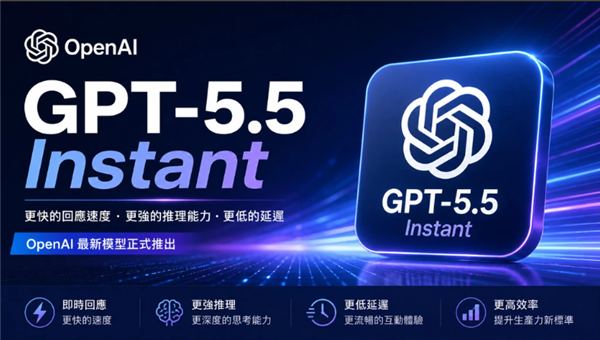
    OpenAI announced today that its latest model, GPT-5.5 Instant, is now available to paying users worldwide, with a full rollout to free users scheduled for tomorrow, June 26. This significant upgrade marks the largest platform enhancement since 2026 and will replace the previous GPT-5.3 Instant as the default model across all ChatGPT platforms, supporting the daily conversations of hundreds of millions of active users.

    In terms of performance, OpenAI reports notable improvements. The new model shows a 52.5% reduction in hallucinations—erroneous or fabricated information—in high-risk areas such as healthcare, legal, and financial sectors. Additionally, instances of users flagging responses as factually incorrect have decreased by 37.3%. Standardized testing results indicate substantial gains: accuracy on the AIME 2025 math competition jumped from 65.4% to 81.2%, while GPT-4.Science questions achieved an increase from 78.5% to 85.6%. Multimodal reasoning tasks also saw improvement, with MMMU-Pro scores rising from 69.2% to 76.0%. Many of these metrics now closely resemble the levels of flagship models from two years ago.

    User experience has also been a key focus. The GPT-5.5 Instant offers more direct and concise responses by reducing unnecessary courtesies and overly segmented outputs. Compared to previous versions, the model delivers around 30% fewer words and nearly 29% fewer lines, addressing past criticisms of verbose replies and redundant formatting. It also better handles image comprehension, STEM question answering, and internet search judgment, leading to higher accuracy in everyday queries, technical writing, translations, and operational guidance.

    One noteworthy feature of the new model is its built-in intelligent routing system. This mechanism automatically assesses the complexity of user requests, ensuring swift responses for simple questions while seamlessly shifting to deeper reasoning modes for more complex tasks—users won’t need to manually switch modes to receive appropriate processing.

    Regarding context window capacity, AI models now follow a layered tiered approach: free users get 16,000 tokens, ChatGPT Plus and Business users get 32,000 tokens, and Pro and Enterprise members can access up to 128,000 tokens. This differentiated setup aims to balance accessibility with enhanced functionality for paid tiers, providing a clear incentive for users to upgrade.

  • OpenAI Made Chip in 9 Months, Nvidia Gets Worried

    In a remarkable turnaround, OpenAI has successfully developed a new chip in just nine months, a process that typically takes the industry around three years. This rapid pace has taken industry giants like Nvidia by surprise, sparking some concern within the sector.

    Traditionally, designing and manufacturing cutting-edge chips is a lengthy process, often spanning several years due to the complexity involved. However, OpenAI’s expedited timeline indicates a significant shift in how artificial intelligence hardware is being approached and produced.

    Nvidia, a leader in the industry known for its advanced graphics processing units (GPUs), appears to be feeling the pressure. The swift development by OpenAI not only challenges existing timelines but also suggests that newer, more agile methods for chip design could be disrupting the traditional landscape.

    Industry experts are now watching closely to see how this rapid innovation influences competition and whether other players will follow suit with faster development cycles. As AI continues to evolve at a breakneck pace, the ability to accelerate hardware development could become a defining factor in maintaining a competitive edge.

  • Marvis iOS App Launches: Control Your PC Remotely from Your Bed

    Marvis iOS App Launches: Control Your PC Remotely from Your Bed

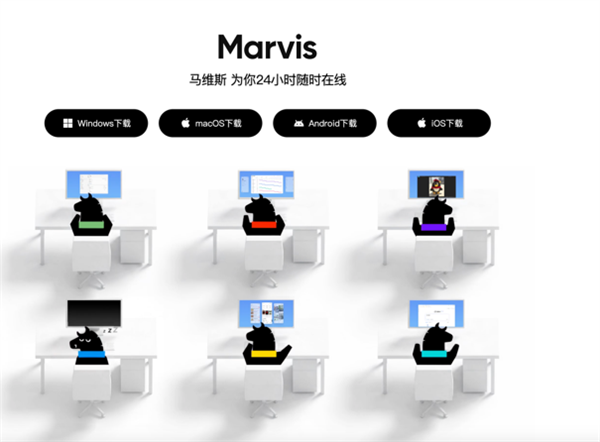
    In a major development for AI integration across devices, Tencent has officially launched the iOS version of its innovative operating system-level AI assistant, Marvis. This release completes the company’s recent rollouts across Android, Windows, and macOS platforms, offering users a comprehensive experience whether on mobile or desktop.

    Marvis now provides seamless accessibility, allowing users to summon their “24/7 online” AI helper from any device at any time. The platform emphasizes fluid interaction between smartphones and computers, aiming to embed AI more deeply into users’ daily workflows and personal routines.

    The iOS app maintains the design consistency of Marvis’s user interface, welcoming users with a friendly front page that asks, “Hello, what would you like to do today?” It comes preloaded with quick commands tailored for common tasks such as browsing travel guides for Bangkok, checking stock prices through Tonghuashun, or managing personal documents. These shortcuts are intended to make first-time use smooth and intuitive.

    A noteworthy feature of this release is its focus on synchronizing mobile and PC experiences. Through “multi-device account synchronization,” users can connect and control multiple devices with just one phone—whether linking an Android device to a Mac or an iPhone to a Windows PC. This cross-platform control extends to real-time remote desktop management, empowering users to operate their computers remotely even if they’re not physically nearby.

    One of the standout capabilities is the “cross-device remote control” feature. With it, users can remotely wake their computers from sleep mode by sending commands via their phones and perform complex operations that traditionally required direct interaction with the machine. Additionally, real-time screen sharing ensures users see exactly what’s happening on their computers, transitioning from simple command execution to an immersive, desktop-level remote experience.

    Further enhancing convenience, even when a computer is locked, users can unlock and prepare their PC for use with just their mobile device. Tasks such as downloading large files or updating games, which might normally take time, can be monitored and managed remotely—saving time and effort. Moreover, in scenarios where the PC is offline, Marvis can switch into a cloud-only mode, completing tasks like information retrieval and file processing independently.

    Since its launch in late May, Marvis has seen rapid development, with over 21 updates rolled out within a month. The updates have introduced features like session management, voice input, remote control of Mac from mobile, personalized AI profiles, and resource-efficient operation modes. The team behind Marvis plans to enhance the platform further with features like a Mac local mode, a comprehensive knowledge database, and customizable AI agents, inviting users to participate in shaping its evolution.

    As Tencent continues refining Marvis, the goal remains clear: to seamlessly integrate AI assistants into everyday life, making complex tasks simple and ensuring that users remain connected and in control across all their devices.

  • Next-Gen Database Tech Significantly Reduces AI “Hallucinations”

    Advancements in next-generation database technologies are showing promising results in significantly reducing the occurrence of “AI hallucinations,” a long-standing challenge in the artificial intelligence community. These hallucinations refer to instances where AI models produce artificial or fabricated information that appears plausible but lacks factual accuracy, leading to concerns over their reliability in critical applications.

    Recent developments suggest that improved database systems are enabling AI models to access and verify information more efficiently, thus decreasing their tendency to generate false data. By integrating advanced data management tools and more robust retrieval mechanisms, developers are creating environments where AI can ground its responses in verified facts, reducing the risk of misleading or erroneous outputs.

    Industry experts highlight that these technological strides could mark a turning point for AI deployment across sectors such as healthcare, finance, and legal services, where accuracy is non-negotiable. Enhanced databases not only provide a more solid foundation for AI reasoning but also foster greater user trust by delivering more consistent and factual information.

    Though challenges remain in fully eradicating hallucinations, the ongoing refinement of database infrastructures demonstrates a clear commitment to advancing AI reliability. This evolution signals a future where artificial intelligence systems are less prone to generating falsehoods, paving the way for safer and more dependable AI-powered solutions.

  • Son’s New Billion-Dollar Bet

    Technology investor and billionaire Sun Zhengyi, also known as Masayoshi Son, has embarked on a bold new financial venture valued at over a trillion dollars. This ambitious move marks a significant chapter in his ongoing quest to reshape the global tech landscape.

    Son, renowned for his aggressive investment strategies, is now channeling substantial resources into a gigantic “bet” that could define the next era of innovation. While the specifics of the project remain tightly guarded, industry insiders speculate that it involves cutting-edge technologies such as artificial intelligence, renewable energy, or next-generation telecommunications.

    This upcoming endeavor underscores Son’s reputation for taking sizable risks. Historically, his investments have ranged from early stakes in revolutionary tech firms to ambitious plans that often push the boundaries of conventional business models. With recent developments, it’s clear he’s doubling down on his belief that the future of global growth lies within disruptive technologies.

    Analysts suggest that this trillion-dollar “gamble” signifies more than just a financial move; it reflects a broader strategic vision to regain dominance in the rapidly evolving tech world. If successful, it could propel his firms to new heights and reshape industry standards.

    However, such an enormous wager comes with its own set of challenges. Critics warn of potential financial pitfalls, emphasizing the unpredictable nature of technology investments, especially at this scale. Yet, Son’s track record of weathering market fluctuations and his reputation for bold decision-making keep many investors watching closely.

    As this high-stakes gamble unfolds, the world will be watching whether Sun Zhengyi’s latest venture will solidify his legacy as a visionary investor or serve as a cautionary tale about the risks of massive commitment in the volatile tech industry.

  • MiniMax Grants Employees 600 Million Equity Shares

    In a significant move aimed at motivating its workforce, MiniMax has announced plans to distribute equity incentives totaling 600 million shares to its employees. The company’s leadership believes that this substantial gesture not only aligns employees’ interests with the long-term success of the business but also boosts morale and fosters a stronger sense of ownership among staff members.

    This strategic initiative underscores MiniMax’s commitment to nurturing its talent pool and rewarding the dedication of its team. By offering such a considerable share of stock options, the company aims to incentivize innovation, enhance productivity, and ensure that employees are actively invested in the company’s future growth.

    Industry analysts view this move as a positive indication of MiniMax’s confidence in its growth prospects and its desire to establish a competitive edge through empowered and motivated personnel. It remains to be seen how this equity distribution will impact the company’s performance in the upcoming quarters, but it clearly signals a proactive approach to workforce engagement and corporate development.

  • Financier Liu Yuanchun’s Graduation Speech: AI Era’s Biggest Danger Is Losing Values and Judgment

    In a heartfelt graduation speech, President Liu Yuanchun of Shanghai University of Finance and Economics addressed the graduating class, emphasizing the profound changes brought about by the age of artificial intelligence. He warned graduates that one of the greatest dangers in this new era is the potential erosion of human values and judgment.

    Liu highlighted how rapid technological advancements, especially in AI, are transforming the way we live, work, and think. While these innovations open up impressive new possibilities, he cautioned that they also pose significant risks if we lose sight of core human principles. “The most dangerous threat in the AI era,” Liu stated, “is not the technology itself, but the decline of our moral compass and critical thinking skills.”

    The university’s leader urged graduates to cultivate strong values and remain vigilant in their judgment, even as they leverage AI tools to enhance their careers and personal lives. He emphasized that technology should serve humanity’s betterment and that ethical considerations must guide our use of artificial intelligence.

    Liu concluded by encouraging students to develop not only technical expertise but also a deep understanding of moral responsibility. He called on the next generation of professionals to be mindful custodians of societal values as they navigate an increasingly digital future.

  • Claude Joins the Group, No More Mentioning Me

    Claude has officially joined the group, and now the boss no longer needs to tag me in messages. This new addition has streamlined communication within the team, allowing for more efficient and direct interactions. With Claude in the mix, team members expect smoother coordination and quicker updates, reducing the need for constant reminders from leadership. This change is anticipated to enhance overall productivity and foster a more collaborative environment among colleagues.