التصنيف: التكنولوجيا المالية

  • ارتفاع سهم إنفيليم إلى ثلاثة أضعاف مع ظهور شركة الرقائق المدعومة من تينسنت في شنغهاي

    ارتفاع سهم إنفيليم إلى ثلاثة أضعاف مع ظهور شركة الرقائق المدعومة من تينسنت في شنغهاي

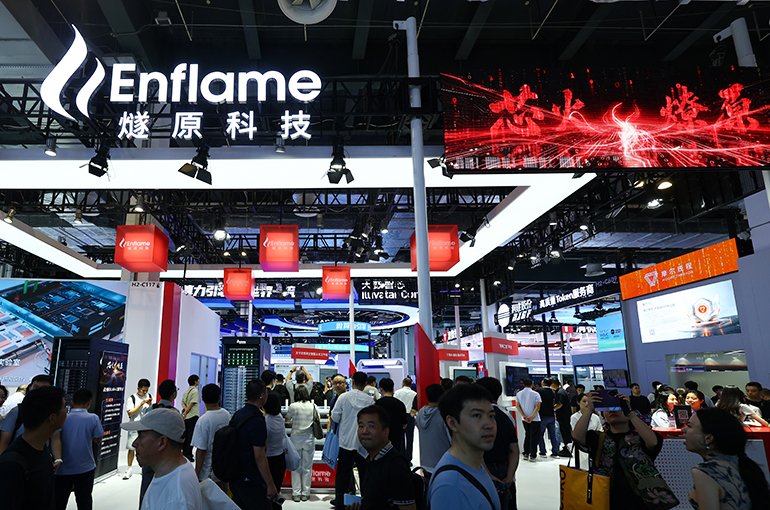
    ارتفعت أسهم شركة التكنولوجيا المتخصصة في صناعة شرائح الذكاء الاصطناعي بنسبة وصلت إلى 179٪ في أول يوم تداول لها في السوق الصينية، حيث شهدت الشركة، المدعومة من قبل مجموعة على رأسها شركة تينسنت، إتمام طرحها العام الأولي، miserable، وأصبحت آخر شركة من “الأربعة الكبار في صناعة وحدات معالجة الرسومات في الصين” التي تدخل السوق العامة، بعد كل من شركة موور ثريدز، وشركة ميتا إكس للدوائر المتكاملة، وشركة بيرن تكنولوجي.

    أنهت الشركة [رمز الأسهم: 688801] تعاملات اليوم عند سعر 397 يوانًا صينيًا للسهم في سوق ستار ماركت، بعد أن حققت ارتفاعًا بلغ في البداية 234٪ عن سعر الطرح الأولي البالغ 142.18 يوانًا، مما دفع القيمة السوقية للشركة لتصل إلى حوالي 170.8 مليار يوان، أي حوالي 25.4 مليار دولار أمريكي.

    تخطط الشركة لجمع 6 مليارات يوان (حوالي 894.6 مليون دولار) من خلال اكتتابها العام، مع تجاوز المبالغ الفعلية التي تم جمعها 6.1 مليارات يوان. ووفقًا لكشفها المالي، فإن العائدات ستستخدم بشكل أساسي لدعم البحث والتطوير وتوطين سلاسل شرائح الذكاء الاصطناعي من الجيل الخامس والسادس، بالإضافة إلى تمويل مشاريع الابتكار التعاوني في مجال الأجهزة والبرمجيات المتقدمة للذكاء الاصطناعي.

    في مقابلة حديثة، أشار رئيس الشركة إلى أن مدينة شنغهاي قد أنشأت منظومة صناعية متكاملة تشمل تصميم وتصنيع وتغليف وفحص الشرائح، فضلاً عن تطبيقات المستخدم النهائي. وأكد أن الشركات التي تقع في مراحل الإنتاج المختلفة مركزة بشكل عالٍ، وتتميز بميزة التعاون الابتكاري من حيث التكاليف والكفاءة.

    تضم شنغهاي أكثر من 1200 شركة في مجال الدوائر المتكاملة، حيث تمثل حوالي 40٪ من المواهب الصناعية في الصين، وتقريبًا نصف موارد الابتكار التكنولوجي للبلاد.

    تأسست الشركة في منطقة لونغانغ الخاصة في عام 2018، والتي تعتبر ساحة اختبار للسياسات الاقتصادية والتجارية ضمن منطقة التجارة الحرة في شنغهاي، وحصلت على دعم شامل من حكومة المدينة منذ البداية، بما في ذلك المساعدة في تأسيس المشاريع، والتمويل، ودعم المواهب، وتسهيل الإجراءات الجمركية. وسريعًا ما وجدت الشركة شركاء عبر سلسلة التوريد المحلية، بما يشمل تصنيع الشرائح، وتغليفها، وفحصها، وتطوير حقوق الملكية الفكرية.

    وفي أقل من عشرة أيام على إنشائها، حصلت الشركة على استثمار من شركة فرعية تابعة لاستثمار رأس المال الحكومي في شنغهاي، حسب مصدر مطلع، كما أتمت جولة تمويل من الفئة E قبل الإدراج في ديسمبر 2024، بقيادة صندوق مشترك بين شركة استثمار رأس المال الحكومي في شنغهاي وتينسنت.

    وجاءت سرعة استثمار رأس المال الحكومي في الجولة التأسيسية نتيجة لثقتها الكبيرة في الرؤية التكنولوجية التي تنتهجها الشركة، وإعجابها بقدرات مؤسسيها والفريق الأساسي، وفقًا لما أخبر به مدير الاستثمار سابقًا.

    قال المصدر إن الشركة تبنت مسارًا تكنولوجيًا فريدًا من نوعه في تطوير المنتجات، رغم أن هذا النهج يتطلب استثمارات ضخمة في البحث والتطوير ويعد أكثر تعقيدًا من الناحية التقنية، إلا أنه شكل حائطًا تقنيًا فريدًا يميزها عن غيرها، مضيفًا أن القدرات المتميزة لمؤسسيها، وتكامل مهاراتهم، جذب أيضًا اهتمام استثمار رأس المال الحكومي في المدينة.

    كما ساهمت أهمية أمن سلسلة التوريد كهدف استراتيجي وطني في تحفيز مشاركة رأس مال شنغهاي منذ بداية دعمها للمشروع. وتهدف المؤسسة الاستثمارية إلى تمكين الشركات الناشئة المحلية في مجال الشرائح من خلال توفير التمويل، لمساعدتهم على تسويق منتجاتهم وتعزيز قدراتهم في مجال الحوسبة الذكية المحلية، وفقًا للمصدر.

    وفي سبتمبر 2023، تمكنت الشركة من تأمين 2 مليار يوان في جولة تمويل من الفئة D بقيادة صندوق تابع لمجموعة شنغهاي الدولية، وهي شركة استثمار حكومية أخرى، معربًا عن أن التمويل في عام 2023-2024 كان تحديًا كبيرًا لقطاع شرائح الذكاء الاصطناعي بأكمله. وأوضح أن الجولة دعمت الشركة والصناعة بشكل كبير.

    وأشار المسؤول إلى أن عام 2025 سيكون نقطة تحول مهمة لصناعة شرائح الذكاء الاصطناعي في الصين، حيث بدأت الجهات المحلية الموجهة لاستخدام الحوسبة بالتركيز على الحلول الصينية، وتعمقت التعاونات الصناعية بين العرض والطلب، وتغيرت الأوضاع من حالة الطلب المحدود والاحتياجات التطبيقية الضعيفة إلى وضع أكثر استدامة.

    وذكر أن جميع حلقات السلسلة الإنتاجية أصبحت أكثر وعيًا بضرورة توحيد الجهود بين الشركات في مراحل ما قبل وما بعد الإنتاج لبناء نظام صناعي مستقل وقادر على السيطرة، مع التركيز على إنشاء حلقة إيكولوجية متكاملة تعتمد على نماذج اللغة الكبيرة المحلية، وشرائح الذكاء الاصطناعي، ومنصات البرمجيات.

    كما أكد أن الشركات الكبرى في الإنترنت بدأت منذ العام الماضي في ضخ استثمارات حقيقية في مشاريع مشتركة مع الشركات الصينية المصنعة للشرائح، وذلك لتعزيز البنية التحتية التكنولوجية الوطنية.

    يخطط الشركة لمواصلة توسيع التعاون الاستراتيجي مع شركات السلسلة المحلية في شنغهاي بعد الإدراج، بهدف تعزيز الابتكار في مجالات المعالجات المركزية، والتخزين، والشبكات، والنماذج، لتمكين المدينة من تحقيق استقلالية على مستوى كامل السلسلة، من البحث والتطوير إلى السوق.

    أما من ناحية الأداء المالي، فقد أظهر التقرير أن إيرادات الشركة نمت بمعدل سنوي مركب قدره 81٪ بين عامي 2023 و2024، وارتفعت إيراداتها بنسبة 279٪ لتصل إلى حوالي 1.1 مليار يوان في النصف الأول من العام الحالي، مقارنة مع الفترة ذاتها من العام السابق، رغم أن الشركة لم تحقق بعد أرباحًا، حيث تقلص صافي خسائرها بنسبة 3.6٪ إلى حوالي 632 مليون يوان (94.2 مليون دولار).

    تشكل بطاقات ووحدات الحوسبة المعجلة للذكاء الاصطناعي المصدر الرئيسي لدخل الشركة، حيث تمثل حوالي 87٪ من إجمالي الإيرادات العام الماضي. وبلغت مبيعاتها ذات الصلة قرابة الثلاثة أضعاف، حيث بيعت حوالي 64,900 وحدة في عام 2023، وفقًا لما ورد في التقرير المالي.

  • رئيس بنك الشعب الصيني: الصين لا تنوي تضعيف اليوان لزيادة التنافسية

    رئيس بنك الشعب الصيني: الصين لا تنوي تضعيف اليوان لزيادة التنافسية

    ذكر حاكم البنك المركزي الصيني في مؤتمر لوزراء المالية ورؤساء البنوك المركزية في مجموعة العشرين أنه لا حاجة للصين أو نيتها لاستخدام خفض قيمة العملة لتحقيق ميزة تنافسية في التجارة. فالصين تتبع نظام سعر صرف مرن يديره السوق، بحيث تسمح لقوى السوق أن تلعب الدور الحاسم في تحديد سعر الصرف، مع الحفاظ على الاستقرار وتجنب التأثيرات الحتمية للسلوك الجمعي والتوقعات غير العقلانية في الأسواق المالية.

    على مر السنوات الأخيرة، ومع تطور هيكل الصادرات الصينية، ازدادت قدرة الشركات على تسعير منتجاتها وإدارة مخاطر سعر الصرف. وخلال أعمال الاجتماع الثاني لوزراء المالية ومحافظي البنوك المركزية لهذا العام، الذي عُقد في أشفيل من 31 أغسطس إلى 1 سبتمبر، ناقش المشاركون التوقعات الاقتصادية العالمية، والإجراءات الرامية لتعزيز النمو، والتوازنات العالمية، وديون الدول النامية.

    وأفاد المسؤول أن التجارة الصينية أصبحت أقل حساسية لتقلبات سعر الصرف، حيث يستخدم المصدرون أدوات التحوط بشكل أكبر، وتواصل حصة اليوان من تسوية المعاملات التجارية ارتفاعها، مما يقلل من تأثير تقلبات سعر الصرف على التجارة بشكل أكبر.

    هذا العام، شهدت اليوان قوة ملحوظة، حيث سجل ارتفاعًا بنسبة 3.88% مقابل الدولار الأمريكي منذ بداية العام حتى الساعة 3 مساءً في 3 سبتمبر ليصل إلى 6.7181 وفقًا لبيانات Wind. أما اليوان غير المقيم فبلغ 6.7173، بزيادة قدرها 3.7%. كما ارتفع مؤشر سعر الصرف النظامي لعملات اليوان مقابل سلة مكونة من 24 عملة بنسبة 3.96% في 31 أغسطس مقارنة بنهاية العام الماضي ليصل إلى 101.87.

    وأوضح عضو منتدى الاقتصاديين الصيني أن دور سياسة سعر الصرف للصين تغير من تعزيز تنافسية التجارة الخارجية إلى الحفاظ على الاستقرار المالي وتعزيز دولرة اليوان على المستوى الدولي.

    وفيما يتعلق بالسياسة النقدية، أكد أن البنك المركزي يواصل تطوير إطار سياسته النقدية وتحسين نظام أسعار الفائدة، مع تنفيذ سياسة نقدية معتدلة تسهم في توفير بيئة مالية مناسبة لتحقيق استقرار النمو الاقتصادي وسلاسة عمل الأسواق المالية.

    وحول التوازنات العالمية، أشار إلى أن تصاعد الحماية التجارية، وتزايد المخاوف الأمنية، وغياب سياسة واضحة، تعتبر من العوامل الأساسية في تفاقم اختلال التوازنات الدولية. وأكد أن حل هذه المشكلة يتطلب من الدول تنفيذ إصلاحات هيكلية خاصة بها، حيث ينبغي على الدول ذات العجز المالي تقليل العجز وزيادة مدخراتها، بينما يجب على الدول الفائضة دعم الاستهلاك والاستثمار بشكل مناسب. ويجب على الجميع الالتزام بمبادرات طويلة المدى وتنفيذها بحزم.

    ذكر أن الصين لم تسعَ بشكل متعمد لتحقيق فائض تجاري، وإنما جعلت تحديث وتطوير الهيكل الاقتصادي أحد أولوياتها الاستراتيجية ضمن خطة الخمس سنوات الخامس عشر للتنمية الاجتماعية والاقتصادية.

  • صندوق الضمان الاجتماعي الصيني يحقق 58.1 مليار دولار من الأرباح في 2025

    صندوق الضمان الاجتماعي الصيني يحقق 58.1 مليار دولار من الأرباح في 2025

    شهد صندوق الضمان الاجتماعي الوطني تحقيق دخل استثماري قياسي بلغ 390.7 مليار يوان صيني (58.1 مليار دولار أمريكي) خلال العام الماضي، وذلك بفضل الأداء القوي لسوق الأسهم الصينية. سجلت العوائد الاستثمارية للصندوق نسبة 13.2 بالمائة في عام 2025، وهو أعلى معدل خلال خمس سنوات، وفقًا لتقرير مالي صدر أمس عن الهيئة المشرفة على الصندوق، المجلس الوطني لصندوق الضمان الاجتماعي. منذ تأسيسه في عام 2000، حقق الصندوق متوسط عائد سنوي على الاستثمار قدره 7.6 بالمائة، محققًا إجمالي أصول بلغ 2.29 تريليون يوان (340.6 مليار دولار).

    وجاء هذا الأداء التاريخي بالتزامن مع مكاسب قوية في مؤشرات الأسهم الرئيسية في الصين العام الماضي، حيث ارتفع مؤشر شنغهاي المركب بنسبة 18.4 بالمائة. كما قفز مؤشر الابتكار في بورصة شنغهاي، والمؤشر المختلط لـ ChiNext، الذي يتابع شركات التكنولوجيا الرائدة على منصات الأسهم في شنغهاي وشينزن، بنسبة 46 بالمائة و50 بالمائة على التوالي.

    وصلت أصول الصندوق إلى أكثر من 3.81 تريليون يوان حتى نهاية ديسمبر، بزيادة قدرها 485.9 مليار يوان على أساس سنوي، فيما بلغت الأصول المحلية نحو 3.23 تريليون يوان. أما إجمالي الالتزامات، فكان عند 461.7 مليار يوان، تتكون بشكل رئيسي من ديون قصيرة الأجل تكبدها أثناء عمليات الاستثمار.

    يعتبر الصندوق من الركائز الاستراتيجية لنظام الضمان الاجتماعي في الصين، حيث تمول محفظته بشكل أساسي من مخصصات الحكومة المركزية، وتحويل رؤوس الأموال المملوكة للدولة، وعوائد الاستثمارات. يشارك في توزيع الأصول عبر مختلف الفئات داخليًا وخارجيًا، وتهدف استثماراته لحماية وزيادة قيمة الأصول مع ضمان سلامتها، بالإضافة إلى دوره كمستثمر مؤسسي طويل الأجل في سوق الأسهم الصينية.

    حقق الصندوق عائدًا استثماريًا قياسيًا بنسبة 43.2 بالمائة في عام 2007، لكنه تعرض لخسارة قدرها 6.8 بالمائة في العام التالي. سجل خسائر استثمارية فقط في الأعوام 2008، 2018، و2022.

  • Baidu Shares Fall in HK on Dual-Primary Listing Launch

    Baidu Shares Fall in HK on Dual-Primary Listing Launch

    On September 1st, shares of the Chinese internet giant opened lower in Hong Kong and continued to trade below the previous day’s close following the company’s recent transition to a dual-primary listing on both the Nasdaq and the Hong Kong Stock Exchange.

    The company’s stock closed down 2.6% at HKD93.70 (around USD14).

    Originally listed in New York in 2005, the company added a secondary listing on the Hong Kong exchange in 2021, with Nasdaq remaining its primary market. In July, the company’s board approved moving to a dual-primary listing structure. On August 27th, it announced that September 1st would mark the start of trading under this new setup.

    An important reason for choosing Hong Kong as a primary listing venue is to leverage the Stock-Connect program, which facilitates cross-border trading between Hong Kong, Shanghai, and Shenzhen stock markets. This move aims to attract more capital from Mainland Chinese investors and support its share price, according to industry analysts. Only companies with Hong Kong as their primary listing are eligible for inclusion in the Stock-Connect system.

    The CFO of the company has previously stated that transitioning to a dual-primary listing will help diversify its investor base and enhance the liquidity of its shares.

    An analysis from Morgan Stanley suggests that following inclusion in the Stock-Connect program, the company’s Hong Kong shares could see net inflows of between USD 3 billion and USD 6.8 billion within the next six to twelve months. This estimate is based on past experiences with other major Chinese internet companies that listed in Hong Kong, such as Alibaba and Bilibili, whose shares were also added to the program.

    It’s projected that mainland Chinese investors could hold between 7% and 15% of the company’s Hong Kong-listed shares within a year.

    Profit Challenges

    The company’s share price has recently experienced a significant decline, weighed down by weaker performance in its traditional businesses coupled with substantial investments in artificial intelligence. So far this year, its Hong Kong stock has dropped roughly 29%, and from its peak on January 23rd—its highest in nearly three years—it has fallen over 40%. Shares listed on Nasdaq have faced similar declines.

    At the time of its Hong Kong secondary listing, investors mainly focused on its search engine and online advertising revenues. Over the past five years, however, revenue from AI-related businesses has come to represent about half of total revenue for two consecutive quarters.

    Investors are increasingly interested in its AI initiatives, including its cloud infrastructure and assets like the AI-chip subsidiary Kunlunxin, which earlier this year began exploring a potential spin-off and Hong Kong listing.

    Despite these developments, the company continues to face pressure from declining traditional revenue streams and the heavy costs associated with AI investments. In the second quarter, revenue fell 4% year-over-year to CNY 31.3 billion (approximately USD 4.3 billion), short of market expectations. Net profit also declined sharply, dropping 68% to CNY 2.3 billion (around USD 317.4 million).

  • China Brokerages Profit Soars 49% Amid Industry Leaders’ Rise

    China Brokerages Profit Soars 49% Amid Industry Leaders’ Rise

    China’s publicly listed brokerage firms experienced nearly a 50% increase in first-half profits, with leading industry players dominating the gains while smaller firms showed more varied results.

    The 42 securities companies listed on the mainland reported a combined net profit attributable to shareholders of approximately CNY155.2 billion (USD23.1 billion) and total revenue of around CNY363.8 billion (USD54.1 billion), reflecting growth of 49% and 44% year-over-year, according to Wind data. The top ten firms collectively generated CNY248.1 billion in revenue, making up about 68% of the entire industry revenue.

    More than 90% of these firms reported higher revenue and net profits compared to last year. The leading three in terms of revenue were Citic Securities, Guotai Haitong Securities, and GF Securities, with revenues of CNY49.7 billion (USD7.4 billion), CNY47.2 billion, and CNY26.9 billion, respectively.

    Sun Ting, a chief analyst specializing in non-banking financial services, noted that the strong performance was primarily driven by growth in wealth management, investment banking, and investments in technological innovation. “The top securities firms have significantly exceeded market expectations, while smaller firms display a wide range of performance results,” she said.

    Ten listed brokerages reported first-half revenues exceeding CNY10 billion. Among these, five posted net profits above CNY10 billion, including Citic Securities, Guotai Haitong Securities, Huatai Securities, GF Securities, and China Merchants Securities, with net profits of CNY23.3 billion, CNY20.3 billion, CNY11.7 billion, CNY11.65 billion, and CNY10.6 billion, respectively.

    Together, these five firms accounted for nearly half of the total net profit earned by all listed brokerages during the period, highlighting the ongoing earnings concentration among China’s top securities companies.

    Divergent Performance Among Smaller Firms

    While some smaller brokerages lagged behind their larger counterparts in profitability, a few achieved significant revenue and profit growth. Five listed firms saw their net profits more than double compared to last year. These were TF Securities, Zhongtai Securities, China Merchants Securities, Caida Securities, and Huaan Securities. Notably, China Merchants Securities, one of the top five most profitable brokerages in China, was among them.

    However, the performance of smaller firms was inconsistent, ranging from modest gains to notable declines.

    China Great Wall Securities, based in Shenzhen, experienced a slight 0.5% decrease in revenue to CNY2.8 billion (USD423 million), but net profit rose slightly by 0.7% to CNY1.4 billion.

    In contrast, Chinalin Securities, located in China’s southeastern tech hub, saw its revenue increase 2% to CNY849 million (USD126 million), yet its net profit dropped sharply by 23% to CNY258 million.

    Even weaker was Hongta Securities, based in Kunming, which declined across both measures, with revenue falling 14% to CNY1 billion and net profit dropping 24% to CNY510 million.

  • Chinese Seed Stocks Climb Amid Rising Global Agricultural Prices

    Chinese Seed Stocks Climb Amid Rising Global Agricultural Prices

    Stocks of certain Chinese companies in the seed industry have seen impressive growth recently, driven by rising international agricultural commodity prices amid ongoing geopolitical tensions.

    The hybrid corn seed manufacturer saw its shares jump by 10%, reaching CNY13.96 (around $2.07) at midday today in Shanghai, marking the sixth consecutive day of hitting the daily limit. Similarly, a cottonseed processing company experienced a 10% increase to CNY6.12 (approximately $0.91) by late morning, also for the fourth day in a row.

    In August, the Seed Industry Index increased by approximately 24%. Meanwhile, wheat and corn futures on the Chicago Mercantile Exchange reached three-year highs during the last week of August, fueling a surge in global agricultural product prices. This shift mainly reflects fundamental changes in worldwide grain market dynamics.

    The conflict in the Black Sea region has disrupted major grain export pathways, while El Niño-related extreme weather has intensified concerns over potential reductions in global harvests. Additionally, several countries have imposed export bans, contributing to increased market volatility in agricultural commodities.

    Higher grain prices are primarily benefiting the seed sector, with the upward trend gradually influencing related industries such as fertilizers, pesticides, agricultural machinery, and livestock. However, experts emphasize that the sustainability of this rally depends heavily on actual production forecasts and underlying supply conditions.

    The boost in seed stocks is driven not just by higher agricultural prices but also by market expectations of systematic increases across global agricultural markets, according to an investment management firm. Traders note that many of these recent stock gains are more reflective of policy-driven food security concerns and market premiums than immediate company performance. After a sustained rally, many stocks have started to diverge from their fundamentals, leading to increased profit-taking in the sector.

    Despite widespread climatic challenges, China has avoided major agricultural droughts this year, thanks to relatively stable conditions across multiple climatic factors, stated a professor from China Agricultural University. However, he warned that the effects of El Niño could persist for over six months, potentially heightening agricultural risks around 2027.

    Financial institutions have issued warnings about potential global food shortages next year. One major bank suggests a possible food crisis could emerge, while another predicts that worldwide grain supply and demand might experience its first significant imbalance since 2020-2021. Numerous market analysts have also raised their price targets for corn, wheat, and soybeans to reflect these concerns.

  • Huawei’s H1 Profit Drops 36% Amid Record R&D Investment

    Huawei’s H1 Profit Drops 36% Amid Record R&D Investment

    Huawei Technologies announced a 36 percent decline in its net profit during the first half of this year compared to the same period last year. This represents one of the lowest profit figures for the company in recent years, primarily due to increased investments in research and development as well as rising component costs.

    In its latest earnings report released on the Beijing Financial Assets Exchange website, the Shenzhen-based company disclosed a net profit of 23.8 billion Chinese yuan (approximately $3.5 billion) for the six months ending June 30. Revenue increased by 9.6 percent, reaching 467.8 billion yuan (around $69.6 billion).

    The company’s R&D expenses surged 25 percent to 121.4 billion yuan, accounting for about 26 percent of total income, up from roughly 22 percent in 2024 and 23 percent last year.

    A source close to Huawei explained that higher prices for components like storage chips have impacted profitability, while the significant boost in R&D spending has directly limited short-term earnings.

    Over the past six years, Huawei has designed and mass-produced 381 different chip models as part of its technical development roadmap. The upcoming Kirin 2026 chip, based on its LogicFolding architecture, is set to be revealed this fall. The company expects that high-end chips built on this new approach will achieve transistor densities comparable to the 1.4-nanometer process by 2031.

    Industry insiders suggest that companies focusing on innovative system design could outperform competitors relying on more expensive manufacturing technologies. This creates opportunities for Chinese startups working on Chiplet designs and advanced packaging solutions, especially those with strong system-integration expertise.

    A semiconductor expert noted that Huawei’s strategy aims to deliver comparable performance through architectural and algorithmic innovations without access to the latest lithography technology. However, such a model cannot fully replace foundational hardware breakthroughs. Domestic and international chip developers operate under significantly different conditions, with overseas companies benefiting from advanced manufacturing capacities at facilities like Taiwan Semiconductor Manufacturing and Samsung Electronics. Chinese firms, on the other hand, must seek parallel advancements in software and hardware to remain competitive.

    In the second quarter, China’s overall smartphone shipments declined by 4.3 percent year-over-year to approximately 66 million units, according to data from global market research firm IDC. Despite this decline, Huawei’s handset shipments grew by 19 percent, securing its position as the leading brand in the Chinese market with a 23 percent market share.

  • China Increases Overseas Investment Quota by $6.8B Amid Rising Demand

    China Increases Overseas Investment Quota by $6.8B Amid Rising Demand

    China has increased the investment quota for Qualified Domestic Institutional Investors (QDII) by $6.8 billion, providing some relief to the limited allocation as rising interest in foreign assets and the desire for diversification boost investor demand.

    The latest quota, approved by the State Administration of Foreign Exchange on August 28, raises the total market capacity to $183 billion. When combined with the additional quotas allocated earlier in March, this year’s total QDII investment quotas have surged to $12.14 billion, compared to just $3.08 billion for the entire previous year, highlighting a rapid acceleration in quota distribution.

    Overall, these new allocations were distributed among 89 institutions, including major banks, securities firms, fund management companies, and insurers. Trust companies were the only group that did not receive additional quotas. Most individual institutional quotas ranged between $20 million and $100 million.

    Securities firms and fund managers are the primary beneficiaries of this round of expansion, reinforcing their dominant industry positions. Fifty-three such institutions received a combined $3.72 billion, making up 54.4% of the new total. As a result, the cumulative approved quota for this sector has surpassed $101 billion, crossing the $100 billion mark for the first time and representing 55% of the total market capacity.

    Quota allocations for other segments were also clearly delineated: banks and insurers received new quotas of $1.76 billion and $1.36 billion, respectively, bringing their total approved quotas to $31 billion and $42 billion, accounting for 17% and 23% of the overall market. Trust companies hold a combined quota of $9 billion, less than 5% of the total, indicating an increasing disparity among institutional investors.

    The quota expansion also brought an increase in the number of institutions participating in the program. For the first time, three entities—Xinyuan Asset Management, East West Bank (China), and China CITIC Bank International—were granted QDII quotas, each receiving $100 million.

    The number of domestic mutual fund companies with QDII quotas has grown to 57, with total approved allocations reaching $83.59 billion. Among these, nine firms have approved quotas exceeding $2.5 billion each. Their combined quota of $41.8 billion accounts for over half of the sector’s total, reflecting significant concentration among leading players.

    E Fund Management holds the largest quota among mutual funds. Since its initial approval of $1 billion in October 2009, the company has received 20 increases, bringing its total to $7.96 billion—making it the biggest single institution in the market. Ping An Insurance ranks second with a quota of $7.86 billion.

    In recent years, as the appeal of overseas assets has grown and global diversification has become more desirable, QDII funds have become increasingly attractive. Data indicates that the total assets under management for QDII funds exceeded CNY 1 trillion (about $149 billion) for the first time in January, reaching CNY 1.07 trillion by the end of July.

    However, despite the growing demand, a gap remains between investor interest and available quotas, leading to restrictions on purchases. For some popular funds, daily subscription limits have been reduced to as little as CNY 10 ($1.50), reflecting intense control measures.

    As of August 28, there are 333 QDII products on the market, excluding those still within lock-up periods or not yet launched. Of these, 34 are fully closed to new investors, and 124 impose strict purchase restrictions—these two groups make up nearly half of all available products.

    Industry experts warn that as quotas ease, investors should be cautious about the potential for premiums on exchange-traded QDII funds to revert toward their net asset values. If premiums decrease, investors who bought funds at high premiums may face losses even if the underlying assets remain stable, according to a senior official from a major mutual fund firm.

    Lifting quotas mainly addresses the question of “whether investors can buy,” but it does not eliminate inherent risks like market volatility in overseas markets. Industry insiders advise investors to allocate assets thoughtfully, aligning with their investment goals and avoiding impulsive buying solely driven by market hype.

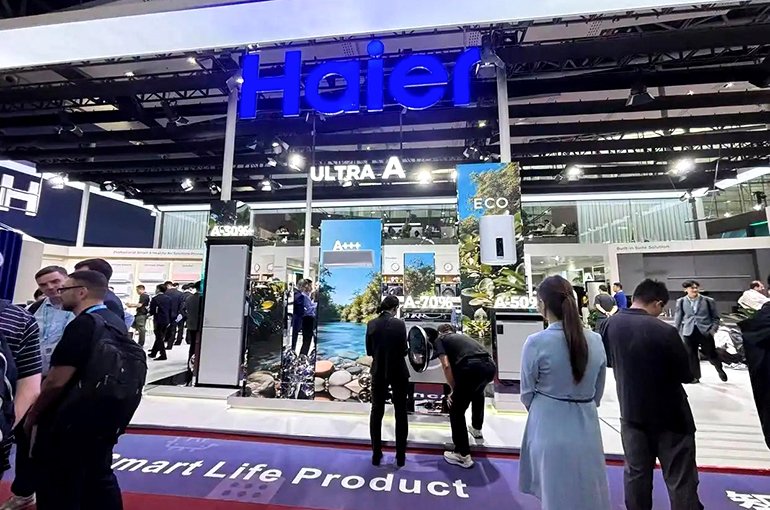
  • Haier and Chinese Appliance Giants Face First-Half Earnings Decline Amid Global Headwinds

    Haier and Chinese Appliance Giants Face First-Half Earnings Decline Amid Global Headwinds

    Leading Chinese home appliance manufacturers Haier Smart Home, Supor, and Robam Appliances all reported declines in both profit and revenue during the first half of the year, with profits experiencing nearly a 20 percent drop amid rising costs and mounting external pressures, including geopolitical tensions in the Middle East.

    Haier Smart Home, a subsidiary of the large home appliance group Haier Group, announced a 14.2 percent decrease in net profit for the six months ending June 30, amounting to 10.3 billion yuan ($1.5 billion). Operating revenue slightly declined by 2.8 percent, totaling 152.1 billion yuan ($22.6 billion). The strengthening of the Chinese yuan led to a foreign exchange loss of 704 million yuan ($100 million), contrasting with a foreign exchange gain of 882 million yuan ($131 million) during the same period last year.

    Kitchen appliance manufacturer Supor saw its net profit decline by 7.7 percent to 868 million yuan ($129 million), while revenue dropped by 0.6 percent to 11.4 billion yuan ($1.7 billion). The company attributed the profit decrease mainly to reduced export sales and higher raw material costs. Additionally, lower market interest rates resulted in decreased returns on its cash holdings.

    Robam Appliances experienced an 18.7 percent decrease in net profit, which fell to 578 million yuan ($86 million), alongside a 13.7 percent drop in revenue, now totaling 3.9 billion yuan ($590 million). The company cited reduced government subsidies for consumer purchases and ongoing challenges in the real estate sector as key factors impacting its first-half results.

    The overall retail sales of non-electronic home appliances across China declined by 9.9 percent in the first half compared to the previous year, reaching 425 billion yuan ($63.2 billion), according to industry analytics. International markets also faced difficulties influenced by geopolitical tensions, notably the conflict in the Middle East, leading to regional differences in the global home appliance industry. Rising raw material costs, such as copper and plastics, along with yuan appreciation, further increased operational difficulties for manufacturers.

    It is expected that China will begin a household replacement cycle between 2029 and 2030, with potential industry focus shifting toward specific use cases like air and energy management, leisure and entertainment, and household cleaning solutions.

  • Investment Bankers Deny Tighter IPO Checks for Loss-Making Companies

    Investment Bankers Deny Tighter IPO Checks for Loss-Making Companies

    A number of investment bankers have dismissed rumors claiming that Chinese stock exchanges are tightening approval standards for initial public offerings (IPOs) of unprofitable companies.

    “Regulatory policies remain the same,” explained a securities firm executive in northern China. “In the past, only a few unprofitable companies applied, and they all aligned with the market segment. Now, with a larger pool of applicants, it’s inevitable that some won’t meet the criteria.”

    “I haven’t observed any recent changes in IPO policies,” said a senior sponsorship representative at a brokerage. “However, some unprofitable companies may be rushing to list after seeing others succeed. As application numbers increase, rejecting substandard IPOs might give the impression of stricter scrutiny.”

    The Shanghai Stock Exchange’s technology-focused STAR Market has a specific listing pathway, known as the fifth standard system, which does not require companies to be profitable or have revenue. Instead, applicants must show significant market potential, proof of milestones, and approval from central government authorities for their core business or product.

    The latest update to this pathway occurred in June, expanding the list of eligible industries to include artificial intelligence, quantum technology, and biomanufacturing—sectors considered emerging or advanced, allowing companies operating at a loss to go public.

    The Shenzhen Stock Exchange’s ChiNext Board received approval from the China Securities Regulatory Commission in April to accept IPOs from unprofitable firms that meet specific criteria.

    So far, 64 unprofitable companies have listed on the STAR Market, compared to just one on ChiNext, according to data from Wind Information. Several other unprofitable firms, such as GPU designer Enflame Technology and semiconductor foundry CanSemi Technology, are currently preparing for IPOs.

    “The growth segment of the STAR Market is designed for unprofitable tech companies,” noted a banker from northern China. “Regulators primarily focus on industry leaders during reviews, while technology assessments for other companies are often handled by advisory committees and industry experts.”

    When evaluating IPO candidates, there are no strict universal standards. “Simply meeting the basic listing requirements isn’t enough,” a banker from southern China explained. “Applicants must also undergo evaluation by the authorities responsible for approval, and it’s recommended they communicate with the exchange beforehand if there’s any doubt about eligibility.”

  • Shanghai Unveils Platform to Boost Startup Support Beyond Funding

    Shanghai Unveils Platform to Boost Startup Support Beyond Funding

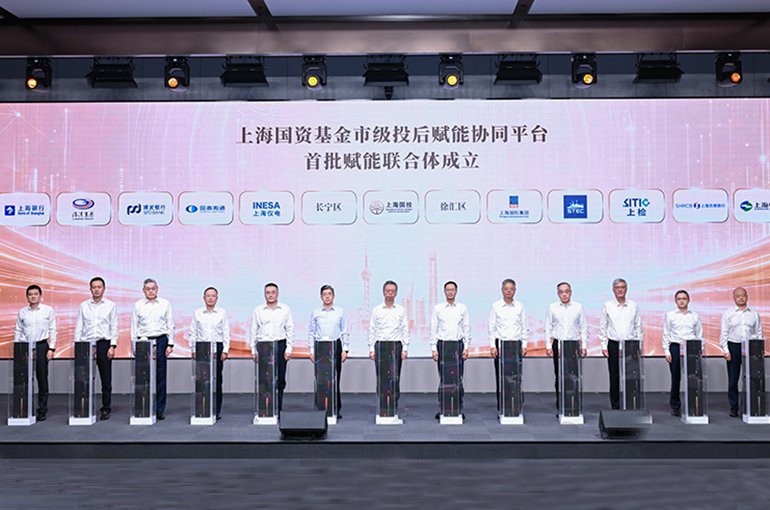
    Shanghai has recently introduced a new post-investment support platform aimed at assisting technology startups backed by government funds to access resources beyond just funding. Managed by a state-owned capital investment entity, this platform has already brought together over 100 partners, including local state-owned enterprises, universities, research institutes, leading industry companies, and specialized organizations. These partners collectively offer a wide range of resources across 24 categories, such as industry expertise, financial services, technological support, and real estate facilities.

    In recent years, the city’s state-owned investment sector has seen steady growth, creating a diverse portfolio of funds totaling over 660 billion yuan (approximately $98.2 billion) as of the end of last year. Instead of limiting their role to providing initial funding, state funds are now focused on supporting startups throughout their entire development process. An official from the investment platform highlighted that this approach enhances the potential of state-owned capital to foster deeper integration between technological and industrial innovation.

    The platform will operate through a centralized service portal staffed by dedicated personnel who will connect innovators with the appropriate resources and offer customized assistance tailored to their specific growth stages. Its services are categorized into three levels: basic inclusive support, specialized core services, and comprehensive strategic assistance. These services encompass areas such as investment and financing, industrial development, ecosystem building, technology commercialization, talent acquisition, and overall empowerment.

    This initiative is part of a broader effort by Shanghai’s primary state-owned capital investment platform to promote industry development and technological advancement, providing not only equity investment but also support in areas like market entry, industry partnerships, and talent recruitment.

  • Yuan’s Surge Causes Forex Losses for 600+ Chinese Firms; Redback Remains Resilient

    Yuan’s Surge Causes Forex Losses for 600+ Chinese Firms; Redback Remains Resilient

    The appreciation of the Chinese yuan has led to foreign exchange losses for 677 publicly listed Chinese companies during the first half of the year, based on their semi-annual reports. Experts predict the yuan will remain steady against the US dollar, trading within the 6.6 to 6.9 range for the remainder of the year.

    Since the start of the year, the yuan has gained strength relative to the US dollar. On August 21, the offshore yuan briefly climbed to 6.7179 against the dollar, reaching its highest point in nearly three and a half years, since February 2023. For some firms, foreign exchange gains recorded last year have now turned into losses this year.

    Automaker Chery Automobile reported a net foreign exchange loss of CNY 2.1 billion (approximately USD 311 million) for the first half, a stark contrast to a net gain of CNY 3.4 billion (around USD 506 million) during the same period last year. This nearly CNY 5.5 billion (USD 817 million) swing in forex gains and losses has significantly impacted the company’s year-over-year profit.

    Similarly, equipment manufacturer Yawei Machine Tool experienced a forex loss of CNY 10.4 million (about USD 1.5 million) in the first six months due to exchange rate fluctuations, compared to a gain of CNY 10.3 million (USD 1.5 million) the year before. This directly contributed to a 364.8% increase in its financial expenses compared to the previous year.

    Small and medium-sized exporters are even more vulnerable. An industry insider noted that because these companies often operate with tight or nearly nonexistent profit margins, even a small shift of a few percentage points in exchange rates can significantly impact their earnings.

    Decreasing Surplus Margin

    Bank foreign exchange settlement and sales surplus decreased by 67.7% in July from June, totaling USD 18.2 billion, according to data from the foreign exchange regulator.

    Market observers are now scrutinizing whether this contraction indicates a fundamental change in supply and demand dynamics in the forex market. The July figure reflects companies’ rational trading decisions based on actual business needs and prevailing market conditions. Officials state that supply and demand in China’s forex market remain generally balanced.

    Economic analysts suggest that the notable decrease in surplus is a reasonable adjustment at this stage. June’s unusually high settlement surplus was likely driven by factors such as concentrated end-of-half-year settlements, seasonal conversion of foreign currency receipts into yuan, and accelerated settlements amid expectations of yuan appreciation. These factors caused temporary settlement activity spikes. The decline in July likely represents a natural correction following that surge.

    Looking at longer-term trends, the total cumulative forex settlement and sales surplus by banks reached USD 289.4 billion in the first seven months, already surpassing the full-year total of USD 196.6 billion expected for 2025. In contrast, the country experienced a deficit in 2024.

    Conversion Pressures and Market Expectations

    Traditionally, converting foreign earnings into yuan has been a significant factor supporting the yuan’s appreciation this year. A recent report from a major bank’s forex trading team revealed that many exporters have been holding US dollars from 2023 through 2025, with unconverted foreign currency estimated between USD 500 billion and USD 800 billion.

    When the yuan’s strength exceeds the interest-rate advantage of holding foreign currency, companies’ expectations shift from waiting for a decline to actively selling foreign currency to limit losses. This shift can lead to a non-linear increase in demand for forex settlements.

    The team expects the third quarter to be a peak period for overseas-listed Chinese companies purchasing foreign currency to pay dividends. Estimates suggest cumulative foreign currency demand could reach nearly USD 40 billion during this time, potentially offsetting some demand for converting foreign currency into yuan and helping stabilize the onshore forex market.

    Additionally, businesses are gradually moving away from rapid, concentrated forex settlements toward a more cautious, wait-and-see approach. This trend is likely to result in a steadier release of settlement demand over time.

    Yuan Outlook and Market Stability

    The slowdown in the forex settlement surplus, combined with volatile swings in companies’ forex gains and losses, has sparked discussions about the future trajectory of the yuan. However, official guidance indicates a commitment to maintaining stability. The central bank emphasized the importance of letting the market play a decisive role in setting exchange rates, preserving flexibility, managing expectations, and ensuring the yuan remains at a reasonable and balanced level.

    With a stable economy and a more rational forex market, the foundation for the yuan’s stability is solid. Experts forecast the yuan will stay strong and trade between 6.6 and 6.9 against the US dollar for the rest of the year.

    The currency’s performance in the upcoming months will be influenced by global geopolitical developments, monetary policies of major economies, the interest rate differential between China and the US, changes in the balance of payments, and shifts in market sentiment. Overall, the yuan is expected to fluctuate within a limited range, with little room for significant appreciation.

  • Tiger Brokers and Futu Publish First Financial Reports Following China Fines

    Tiger Brokers and Futu Publish First Financial Reports Following China Fines

    On August 27, two leading online brokerage firms highlighted their recent international expansion efforts and achievements in their latest financial reports. The reports revealed that Singapore, Malaysia, and Hong Kong have become the main markets for attracting new clients and capital, marking their first financial disclosures following substantial penalties related to illegally providing Chinese mainland investors access to overseas stock trading, as enforced by China’s securities regulator.

    One company reported its revenue hit a record high of $182 million USD during the quarter ending June 30, reflecting a 31% increase compared to the same period last year and an 18% rise from the previous quarter. Excluding the impact of legal penalties, its net profit increased 20% quarter-over-quarter to $42.8 million USD, based on non-GAAP accounting standards.

    The other company’s second-quarter revenue climbed 36% year-over-year to HKD 7.2 billion (approximately USD 918 million), with its adjusted net profit soaring fivefold to HKD 3.7 billion. Malaysia remained the primary source of newly funded accounts for the third consecutive quarter, followed closely by Hong Kong and Singapore, according to the company’s CEO and chairman.

    In late May, China’s securities regulator announced that both firms lacked licenses to operate securities brokerage and margin financing services, yet they continued marketing and providing securities-related services within China for profit. This misconduct resulted in combined fines exceeding CNY 2.3 billion (about USD 342.1 million).

    The company headquartered in Singapore reported a 92% increase in trading volume and a 46% rise in order numbers compared to a year earlier. Trading value in U.S. stocks more than doubled from the previous quarter, with a 69% year-over-year growth in accounts trading US stock options.

    In Hong Kong, client assets for the same firm increased by 30% from the previous quarter. The number of active trading accounts soared by 132%, and trading orders grew by 71% year-over-year. Trading in US stock options jumped 231%, while trades in underlying US and Hong Kong stocks increased by 192% and 197%, respectively.

    The other firm’s platform logged approximately 31.25 million registered users across its Futubull and Moomoo apps as of June 30, with 6.64 million active accounts, representing a 15% and 27% increase, respectively, from last year. The number of clients with assets on the platform grew 34% to 3.84 million, while total client assets surged 44% to roughly HKD 1.4 trillion (around USD 178.4 billion).

    Both companies disclosed fines from the Chinese securities regulator as subsequent events in their first-quarter earnings reports. The firm based in Singapore reported a fine of approximately CNY 411 million (about USD 61 million), while the other firm recognized a provision of HKD 2.1 billion related to its penalty of CNY 1.9 billion (around USD 284 million).

    The company that reported the higher net profit in the first quarter saw a decline of 61% to HKD 831 million (about USD 106 million) compared to the previous year, despite revenue and gross profit increasing by 25% and 29%, respectively. The firm also made provisions for its significant penalty, reflecting ongoing regulatory pressures.

    Shares of the first company traded slightly lower, ending at USD 5.46 in New York yesterday, a 0.1% decrease. The other company’s stock increased by 1.4%, closing at USD 127.34.

  • FIFA World Cup Sparks 54% Boost in China’s Lottery Revenue in Summer

    FIFA World Cup Sparks 54% Boost in China’s Lottery Revenue in Summer

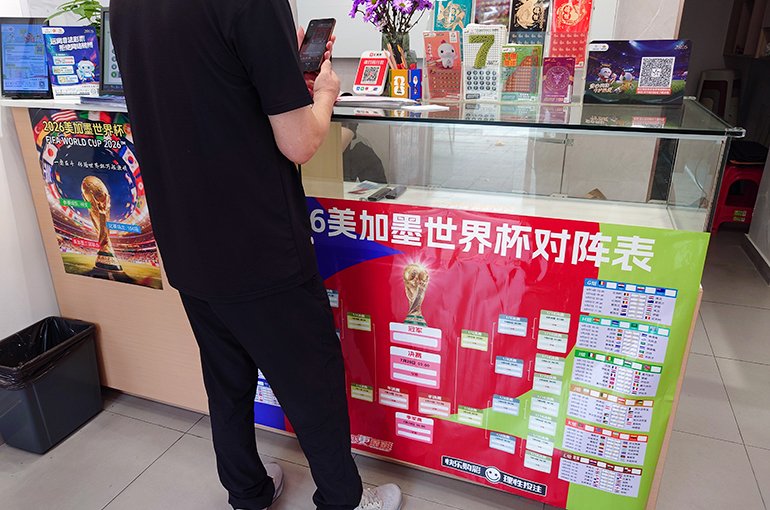
    China’s lottery sales surged by 54 percent in June and July compared to the previous year, driven by increased enthusiasm for the upcoming 2026 FIFA World Cup.

    In July alone, lottery sales jumped 69 percent to CNY87.6 billion (about USD13 billion), according to the Ministry of Finance. The previous month, sales rose 40 percent to CNY76 billion, making the combined total for June and July CNY163.6 billion (approximately USD24.3 billion), a 54 percent increase over the same period last year.

    The government attributed this significant growth to the surge in sports lottery spending fueled by the FIFA World Cup, which was hosted in the United States, Canada, and Mexico from June 11 to July 19.

    Data shows that China’s sports lottery sales climbed 86 percent in the two months ending July 31, reaching CNY131.2 billion. This category accounts for roughly 80 percent of overall lottery sales during that period. Notably, sports betting-style lottery sales soared by 134 percent, hitting CNY108.1 billion.

    A sports lottery retailer in Wuhan shared that during the FIFA World Cup, their sales roughly tripled compared to the same period last year.

    The World Cup’s influence appeared to revive China’s lottery market, which had experienced a 4.7 percent decline in sales during the first five months of the year. Thanks to the strong performance in June and July, overall lottery sales rebounded with a 12 percent increase, totaling CNY414.5 billion in the first seven months of the year compared to the previous year.

  • Jack Ma Invests $76M to Increase His Alibaba Share, Source Says

    Jack Ma Invests $76M to Increase His Alibaba Share, Source Says

    Alibaba founder Jack Ma has invested over HKD600 million (approximately USD76.5 million) to increase his ownership stake in the company, according to sources familiar with the matter. The recent share acquisitions were made over the past two days as a demonstration of his confidence in Alibaba’s future growth in artificial intelligence technology.

    In a recent regulatory filing, Alibaba disclosed that Chairman Joseph Tsai and CEO Eddie Wu each purchased around HKD200 million worth of shares during the same period, signaling their support for the company’s strategic direction.

    The last time both Ma and Tsai increased their holdings was in 2024, during a challenging period marked by intense competition in the e-commerce sector and the abandonment of plans to spin off Alibaba Cloud. This move was seen as a way to signal to the market that Alibaba was undervalued.

    On August 23, Alibaba announced plans to raise HKD80 billion (about USD10.2 billion) via a discounted share offering to fund its expansion into artificial intelligence. The company aims to sell 710 million new shares at HKD112.70 (roughly USD16.76) each, offering a discount of approximately 9% compared to the average closing price over the previous five days.

    The share offering, which was executed today, attracted long-term investors including major sovereign wealth funds, ultimately resulting in nearly three times oversubscription.

    In recent years, Alibaba has steadily increased its investment in AI, developing an end-to-end AI ecosystem that includes infrastructure, chip development, models, and applications. Products related to AI generated an annualized revenue of CNY49.5 billion (around USD7.4 billion) in the June quarter, with projections indicating it could reach USD10 billion in revenue by the September quarter, according to Wu.

    The company aims for Alibaba Cloud’s external revenue to hit USD100 billion by 2030, with a profit margin of 20%. Management expects the capital investments in AI to be recovered within two to three years.

    Alibaba’s shares (HKG: 9988; NYSE: BABA) closed at HKD117.40, up 2.8%, in Hong Kong today, and increased 0.8% to USD119.44 in New York yesterday. However, on August 24, the stock declined 8.5% in Hong Kong and 0.7% in New York following the announcement of the share placement.

  • Xpeng Robotics Secures $900M in First Funding, Valued at $6.3B

    Xpeng Robotics Secures $900M in First Funding, Valued at $6.3B

    The robotics division of a major electric vehicle manufacturer has secured over $900 million in its initial funding round, setting a new record for a Chinese company specializing in embodied intelligence and valuing the business at more than $6.3 billion.

    The funding round was led by IDG Capital, with participation from Gaorong Ventures, as disclosed in a recent stock exchange filing. Strategic investors including Tencent Holdings and Alibaba Group Holding also provided support for the company.

    “This investment will bring in globally recognized investment institutions and strategic partners to fuel our robotics division’s rapid growth and maintain our leadership in the field,” stated the company’s founder and chairman. “It will also help attract top talent in physical AI from around the world.”

    The outside investors contributed approximately $600 million, while the company itself invested $200 million. The remaining funds came from entities controlled by the company’s executives, including its chairman. Post-funding, the company will hold about 82% ownership of the robotics subsidiary, which could decrease to around 68.4% if the executives exercise their additional warrants.

    The funds will primarily be used for advancing the development of the subsidiary’s software and hardware, training physical artificial intelligence models, gathering high-quality data, establishing full-scale production facilities, and expanding the company’s global commercial reach.

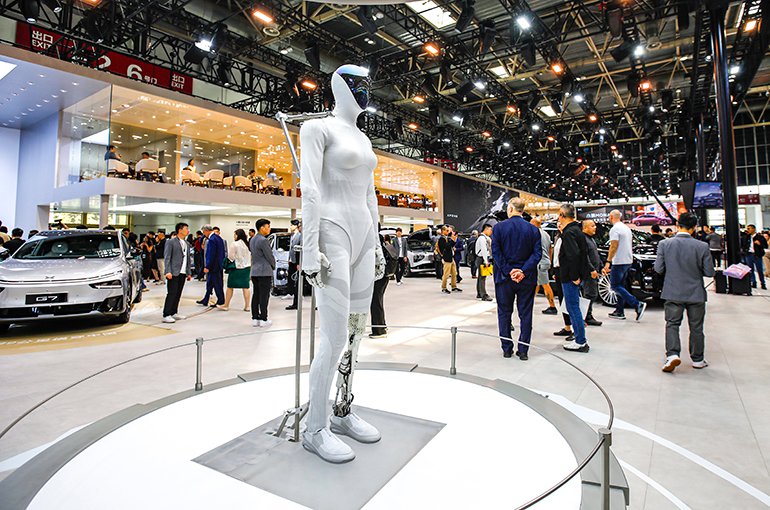
    Similar to Tesla and other Chinese automakers like GAC Group and Changan Automobile, this company believes that the technology and manufacturing processes developed for intelligent new energy vehicles provide an edge in the competitive race to commercialize humanoid robots. The Guangzhou-based firm introduced its first humanoid robot towards the end of 2023, with an automotive-grade Iron android scheduled for release in late 2024.

    ‘Solid Foundation’

    “By leveraging over a decade of experience in R&D, supply chain management, and manufacturing in the smart NEV (new energy vehicle) sector, we are systematically transferring that expertise to our robotics business,” said Gaorong Ventures. “This lays a strong groundwork for the industrialization of humanoid robots.”

    The venture capital firm based in Beijing also expressed eagerness to collaborate on bringing China’s innovations in physical AI to the global market.

    The Guangzhou factory producing the Iron humanoid robot recently commenced small-scale trial production last month and aims for mass manufacturing by year’s end. Initially, these robots will be deployed in retail outlets and various commercial environments, with deliveries starting in China and internationally next year.

    The Iron robot is a highly advanced humanoid designed to closely mimic human behavior, driven by artificial intelligence and built with rigorous safety and quality standards. Its mission is to become a versatile, next-generation android capable of supporting numerous applications and self-improvement in real-world settings.

    Following the announcement, the company’s shares listed in Hong Kong declined by 9.2%, closing at HKD 43.30 (around USD 5.52). This drop coincided with a recent earnings report indicating the company’s second-quarter loss nearly tripled, and a less optimistic outlook for the third quarter.

    For the three months ending June 30, the net loss expanded 179% year-over-year to approximately CNY 1.3 billion (USD 199.3 million), while revenue increased by 8% to about CNY 19.7 billion (USD 2.9 billion). Vehicle deliveries grew slightly to 103,295 units, with sales reaching CNY 17.1 billion.

    Looking ahead, the company projects delivering between 115,000 and 121,000 vehicles in the current quarter, which is below market estimates of around 147,000 units. Revenue forecasts for this period are between CNY 21.7 billion and CNY 23.4 billion, also falling short of expectations.

  • China’s Payment Clearing Body Launches Pact to Mitigate Agent Payment Risks

    China’s Payment Clearing Body Launches Pact to Mitigate Agent Payment Risks

    The Payment and Clearing Association of China has recently issued a new convention outlining key principles and standards for agent-based payment applications. This guidance aims to assist members in maintaining compliance and mitigating associated risks.

    Organizations involved in providing services such as account management, transaction processing, and acquiring, switching, and clearing operations should implement a comprehensive regulatory framework. This framework should cover areas including agent oversight, user authorization, risk management, and consumer protection, as stated in the convention released yesterday.

    Supervised by the national central bank, this self-regulatory body oversees entities in the payment and clearing industry. Its members include clearing infrastructure providers, commercial banks, and all licensed payment service providers.

    The new agreement emphasizes establishing a “know-your-agent” system based on the “know-your-customer” principle. It also calls for strengthened cooperation in risk control between developers and service providers, clear boundaries for agent authorization, well-defined liability agreements with users, and thorough verification of user identities and transaction intentions.

    In addition, member organizations should adopt a tiered management approach, ensuring fund security through measures like transaction limits. They are encouraged to develop agent-based payment services cautiously and to enhance their technical security protocols, covering algorithms, cybersecurity, data protection, and ethical use of technology.

    Operations related to core payment functions—such as account management, transaction processing, and fund settlement—must be handled by specialized licensed institutions, a senior official from the association stated.

    Responsibility for users’ accounts, transactions, funds, and data security ultimately lies with the service providers, the official emphasized. Members are required to submit records to the association before launching any new agent-based payment applications, with mandatory assessments and security tests to ensure robust safeguards for user funds.

    This convention aims to balance technological innovation with safety and control, providing clear operational guidance for market participants, according to industry analysts.

    The evolution of agent-based payments is progressing through three stages: agent-assisted payments, agent-initiated payments under predefined conditions, and agent-initiated payments under broader, more flexible conditions. Industry experts note that the field is still in its early development phase, with most applications limited to auxiliary transaction scenarios.