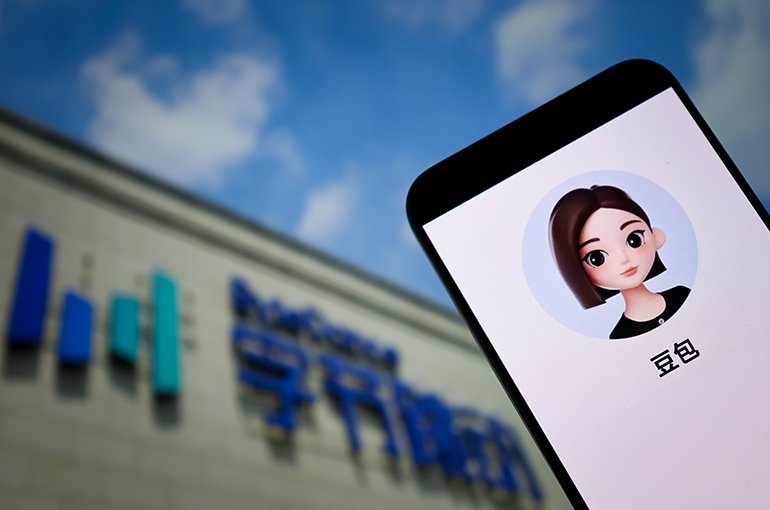
TikTok’s parent company has announced the launch of a paid version of its artificial intelligence app, Doubao, aimed at professional users. The new version will offer specialized services such as software development, data analysis, professional design, process automation, financial analysis, and scientific research. According to an official statement posted on its WeChat account, there will be a limited range of free features, with advanced functionalities available through a subscription fee. Basic features for individual users, including search, Q&A, image generation, and voice and video interactions, will remain free.
In early May, the app updated its in-app purchase options on the Apple App Store, listing three subscription tiers: a standard plan at CNY 688 (about USD 102) annually, an enhanced plan at CNY 2,048 (around USD 302), and a professional plan at CNY 5,088 (approximately USD 750). Following this update, the platform experienced a 1.8% drop in its monthly active users, declining to 330 million in May from the previous month, marking the first decrease in user numbers, according to data from an analytics website.
Despite the decline, the app continues to lead in China’s AI market, maintaining a significant lead over competitors like Qwen and Quark, developed by Alibaba Group. These rivals registered 233.7 million and 162.1 million monthly active users, respectively.
The decision to introduce a paid version appears to be driven by the high computational costs required to sustain such a large AI user base. Industry analysts estimate that annual token inference costs could reach CNY 8 billion (around USD 1.2 billion), with chip and processing expenses running into tens of billions of yuan, equivalent to billions of dollars.
Last year, substantial investments in computing power, infrastructure, and R&D resulted in a significant decrease in profitability. The company’s net profit reportedly shrank by 70%, dropping to roughly USD 9 billion for 2024, although this figure has yet to be officially confirmed.