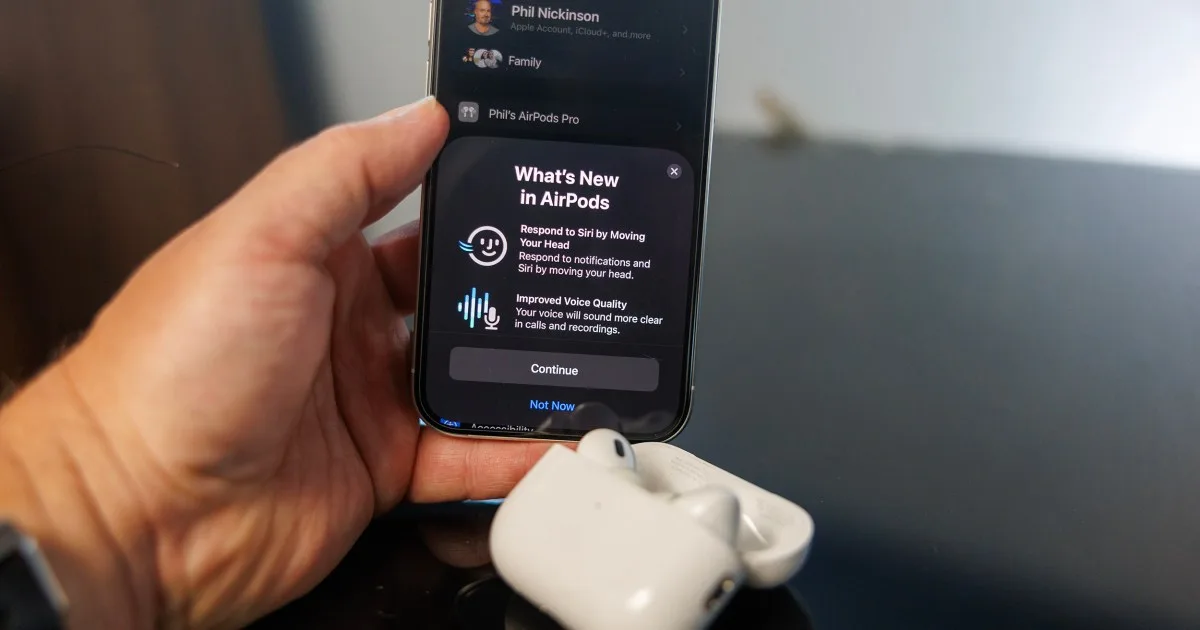
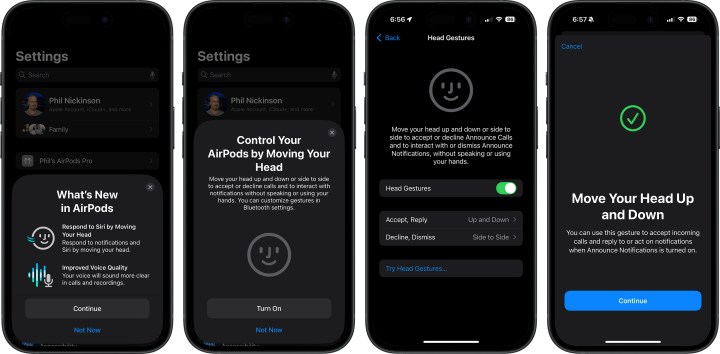
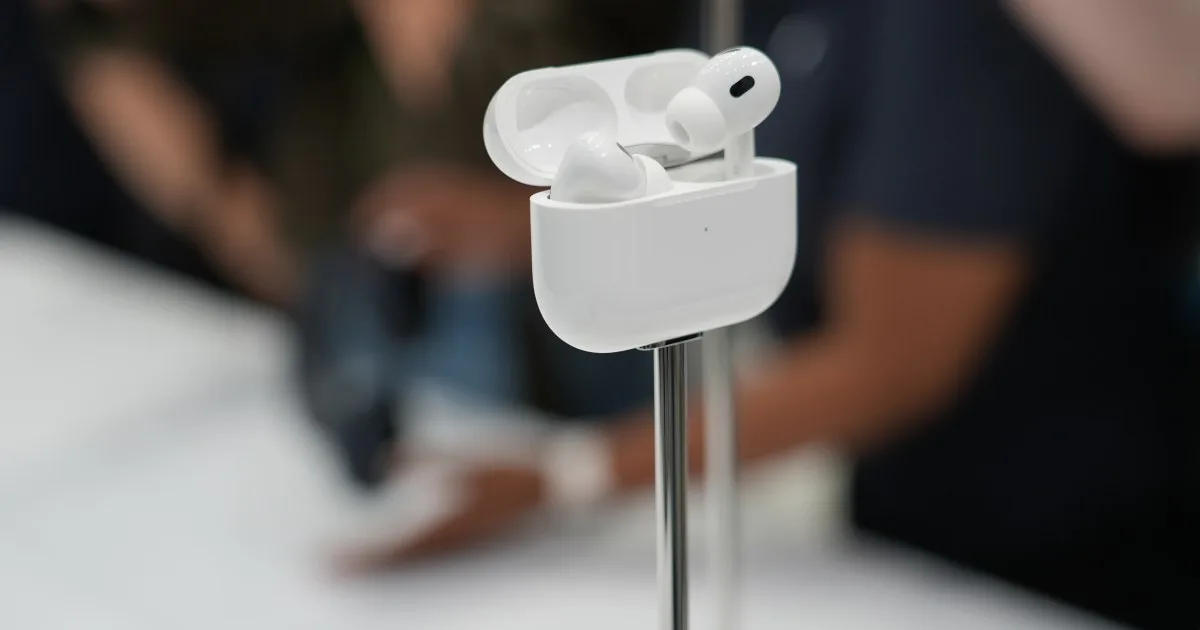
For those experimenting with the iOS 18 beta alongside their AirPods Pro 2, there are some exciting new features to explore. The latest firmware version 7A294 introduces hands-free capabilities that let you respond to Siri’s prompts simply by nodding your head for “yes” and shaking it for “no.”
Once you’ve updated your firmware, a series of instructional prompts will guide you through the setup process, ensuring you know how to utilize these new features.
The head gestures are intuitive. For instance, if Siri prompts you about an incoming call, a nod indicates acceptance while a shake means you wish to decline. You can find these head gesture options within the AirPods Pro settings, which include a quick tutorial to help you get accustomed to them. Plus, you can easily disable the feature if it doesn’t suit your style. Notably, you’ll hear sounds transitioning from ear to ear as you nod or shake your head—a helpful confirmation that the action has been recognized.
Screenshots
Additionally, you have the option to customize which gesture signifies agreement. This customization can be especially beneficial for individuals with limited mobility. However, it seems most users might prefer to keep the default settings rather than mix things up for the sake of it.
According to Apple’s official update notes, the firmware also brings enhancements like Voice Isolation for phone calls to minimize background noise, enabling clearer conversations. Gamers will benefit from reduced latency and improved audio quality, as well as enhancements to the Personalized Volume feature.
Looking ahead, new hearing aid functions are expected to be added to the AirPods Pro. However, it remains to be seen whether these features will extend to other AirPods models, including the anticipated AirPods 4 or the currently available AirPods Max.
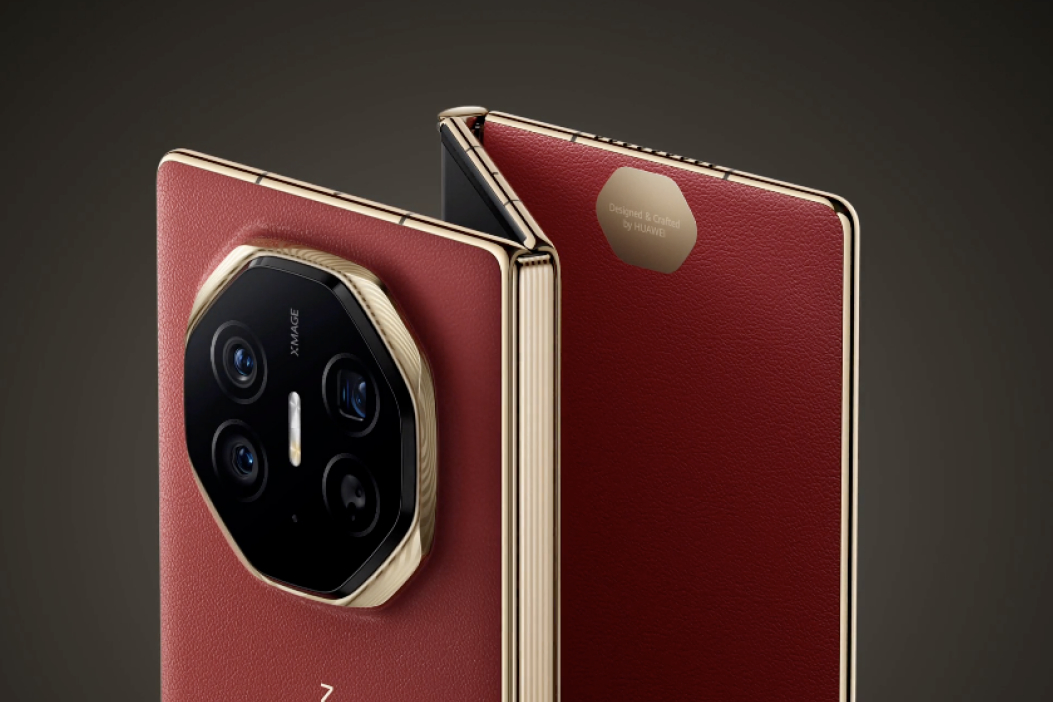
Foldable smartphones have gained traction recently, captivating users with their innovative designs. While they maintain a sense of intrigue, they’re becoming increasingly mainstream. Huawei’s latest foldable model, however, stands out with a futuristic design that feels plucked from a sci-fi narrative, all while matching the slim profile of the Samsung Galaxy Z Fold 6, even with the inclusion of three folds instead of two.
The Huawei Mate XT is currently on sale in China for around $3,000. While that price tag might seem steep for a smartphone, its unique features make it a noteworthy contender. The vibrant OLED display expands to an impressive 10.2 inches—comparable to many tablets—boasting a fantastic 16:11 aspect ratio for media consumption.
Interestingly, users don’t need to keep the device fully unfolded. The Mate XT allows for a more traditional book-style use by simply engaging two of the folds, resulting in a compact 7.9-inch display that is similar in size to the Pixel 9 Pro Fold.
Huawei
When fully extended, the Huawei Mate XT measures a mere 3.6mm at its thickest point, just enough to accommodate a USB-C port. In contrast, its folded thickness is 12.8mm, featuring a 6.4-inch display.
This remarkably slim device doesn’t compromise on power, either. It comes equipped with 16GB of RAM, offers up to 1TB of storage, and is fitted with an impressive camera setup, including a 50MP main shooter, a 12MP ultrawide lens, and a 12MP 5.5x telephoto camera. Additionally, it houses a robust 5,600 mAh battery with fast-charging capabilities, ensuring all-day usage.
Despite its impressive specifications, the likelihood of the Huawei Mate XT being available outside of China seems low. Priced at 19,999 Yuan, which converts to approximately $2,800, enthusiasts in the U.S. might have to stay tuned for a similarly groundbreaking foldable to hit the global market.
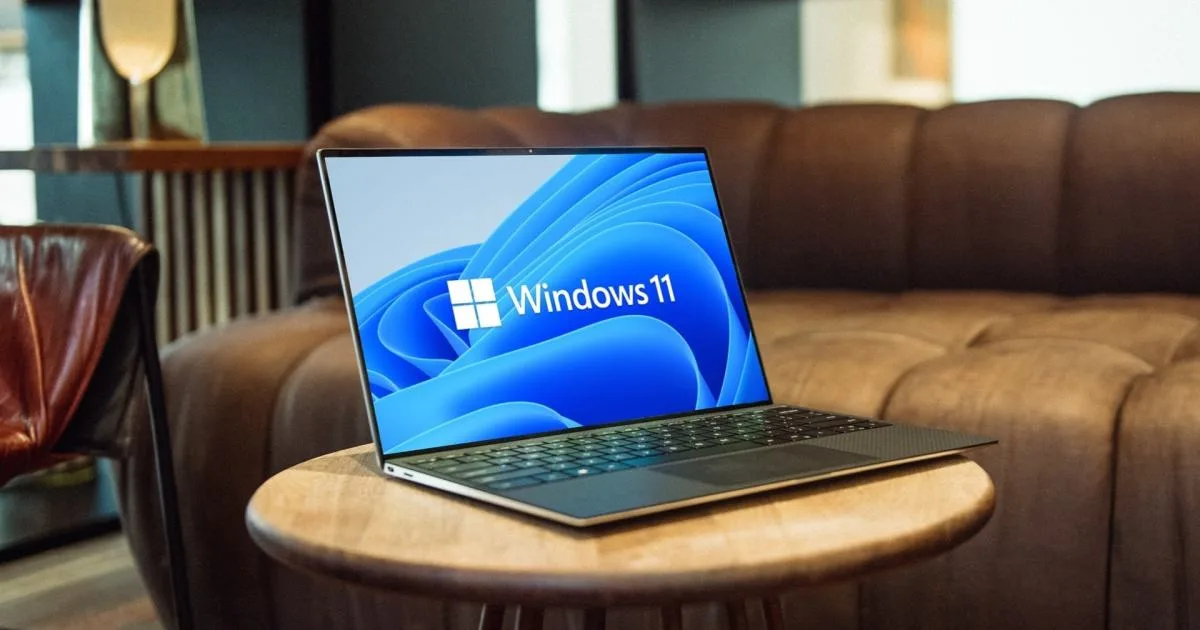
Next month, the Windows 11 version 22H2 will reach its end of servicing. Microsoft has announced a mandatory update to version 23H2 scheduled for October 8. This means that devices using version 22H2, including Home and Pro editions, will no longer receive updates beyond this date, making them susceptible to security vulnerabilities. Additionally, Enterprise, Education, and Internet of Things (IoT) Enterprise editions running version 21H2 will also be subject to this automatic upgrade.
According to a message from the Windows Message Center, Microsoft is encouraging users to upgrade before the deadline or accept the automatic update to maintain their “protection and productivity.” The monthly Patch Tuesday updates are deemed “critical for security and ecosystem health,” making this transition essential.
Typically, Microsoft releases feature updates annually, each carrying 24 months of support for Home and Pro editions and 36 months for Enterprise and Education versions. The forthcoming version, 24H2, is anticipated to be unveiled this fall, following the usual pattern of first being available to Release Preview Insiders before its public rollout.
After the new version is released, everyone will have the opportunity to upgrade, but opting for the forced update to 23H2 is also an available choice. If you’re unsure how to execute the upgrade, you can find a helpful guide on the Windows community YouTube channel.
Windows updates have often been a source of frustration for users, appearing at the most inconvenient moments. However, this time, you have a 30-day window to make the switch. Ensuring your PC remains secure is crucial, so be certain that both you and your family members are updated by the time 22H2 reaches its end of support.
In contrast, if you are still using Windows 10, you can take your time, as its end of service date is set for October 14, 2025.
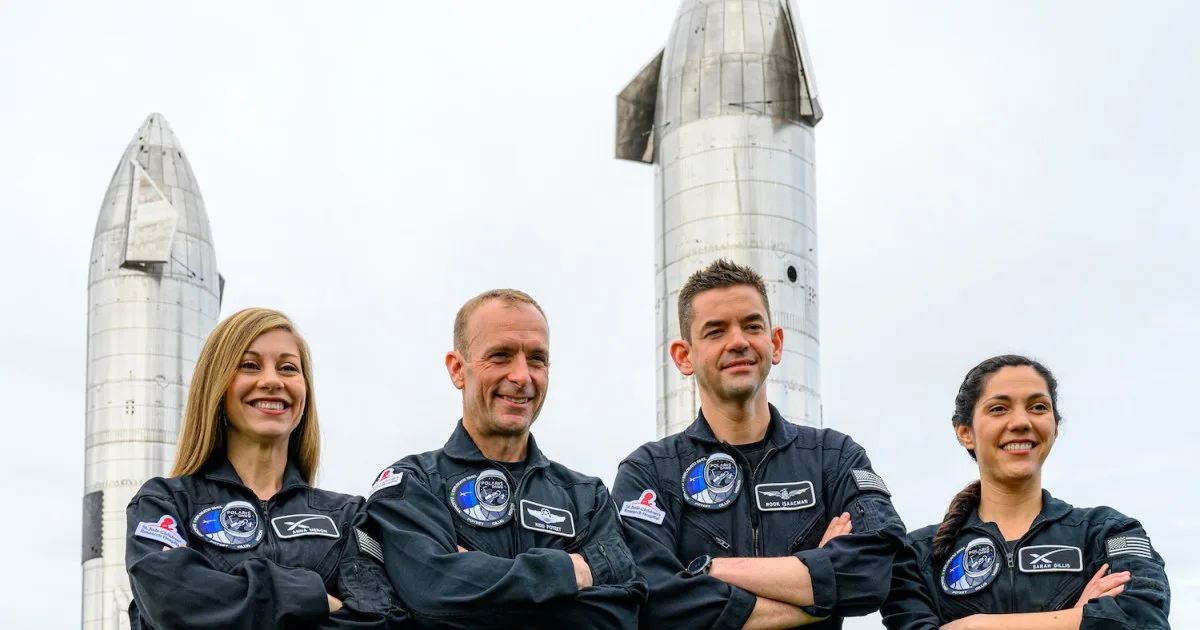
A team of four civilian astronauts is currently orbiting our planet aboard a SpaceX Crew Dragon spacecraft after a successful launch from Florida’s Kennedy Space Center early Tuesday morning.
The crew includes Jared Isaacman, a billionaire entrepreneur and financial supporter of the Polaris Dawn mission, alongside Scott Poteet, a retired Lieutenant Colonel from the U.S. Air Force, as well as SpaceX’s lead space operations engineers, Sarah Gillis and Anna Menon.
The Polaris Dawn mission, spanning five days, is generating significant excitement, especially since Isaacman and Gillis are poised to perform the first-ever commercial spacewalk, potentially starting as soon as Thursday. This mission marks a historic moment, as it will be the first instance of human astronauts exiting a Crew Dragon spacecraft into the vacuum of space, unlike previous missions that typically involved docking with the International Space Station (ISS).
During the spacewalk, Isaacman and Gillis aim to conduct an in-orbit test of new SpaceX-designed extravehicular activity (EVA) suits, which promise enhanced mobility and comfort compared to existing intravehicular (IVA) suits. The development of these suits is part of preparations for upcoming missions to the Moon and Mars.
The Crew Dragon will ascend to an altitude of 870 miles (1,400 kilometers) above Earth, reaching heights not seen since the Apollo program five decades ago, significantly above the ISS’s orbit, which is approximately 250 miles (402 kilometers) up.
This mission will also allow the crew to test Starlink’s laser communication technology in space, which could provide essential insights for future communications on missions to the Moon, Mars, and beyond.
In addition, the crew will engage in various research projects, including studying health and human performance for NASA’s Human Research Program.
According to NASA, “The research will help scientists understand the effects of space conditions on the human body.” The crew will explore new medical technologies and techniques related to telemedicine, investigate space motion sickness, and assess risks related to injuries in flight.
The latest smartwatch from Apple has garnered significant attention thanks to its stylish redesign and the introduction of a sleep apnea detection feature. However, as the launch of the Apple Watch Series 10 approaches, it’s important to note that a major functionality will be absent: blood oxygen level monitoring.
Commonly referred to as SpO2 tracking, this feature has been a staple in Apple smartwatches since it was first introduced five years ago. Yet earlier this year, Apple received an order to halt the sale of the Apple Watch Series 9 and Apple Watch Ultra 2 within the United States, which are now sold without the blood oxygen tracking feature. This directive has now extended to the upcoming Apple Watch Series 10 as well.
For customers in the U.S., this means the Apple Watch Series 10 will not support the Blood Oxygen app. As noted in a footnote on Apple’s official Store page, “The ability to measure blood oxygen is no longer available on Apple Watch units sold by Apple in the United States beginning January 18, 2024. These are indicated with part numbers ending in LW/A.”
The issue stems from a patent dispute with a medical technology firm, Masimo, which has led to an ongoing legal battle over the blood oxygen sensor technology. Masimo alleges that Apple has infringed its patented wearable tech.
Joe Maring / Digital Trends
Reportedly, Masimo attempted to negotiate with Apple prior to the debut of the original Apple Watch, but the talks did not culminate in a deal. While the technology was under development back then, it only made its market debut with the Apple Watch Series 6.
A ruling from the U.S. International Trade Commission (ITC) found that Apple’s blood oxygen sensors violated Masimo’s patents, resulting in a temporary sales ban on affected Apple Watches in the U.S. Apple is actively working to appeal this ruling after being deemed to have partially infringed on Masimo’s patents.
At this point, it remains uncertain whether or when blood oxygen tracking will become available for the Apple Watch Series 10 in the U.S. The most likely path to reinstatement will depend on a favorable court decision for Apple.
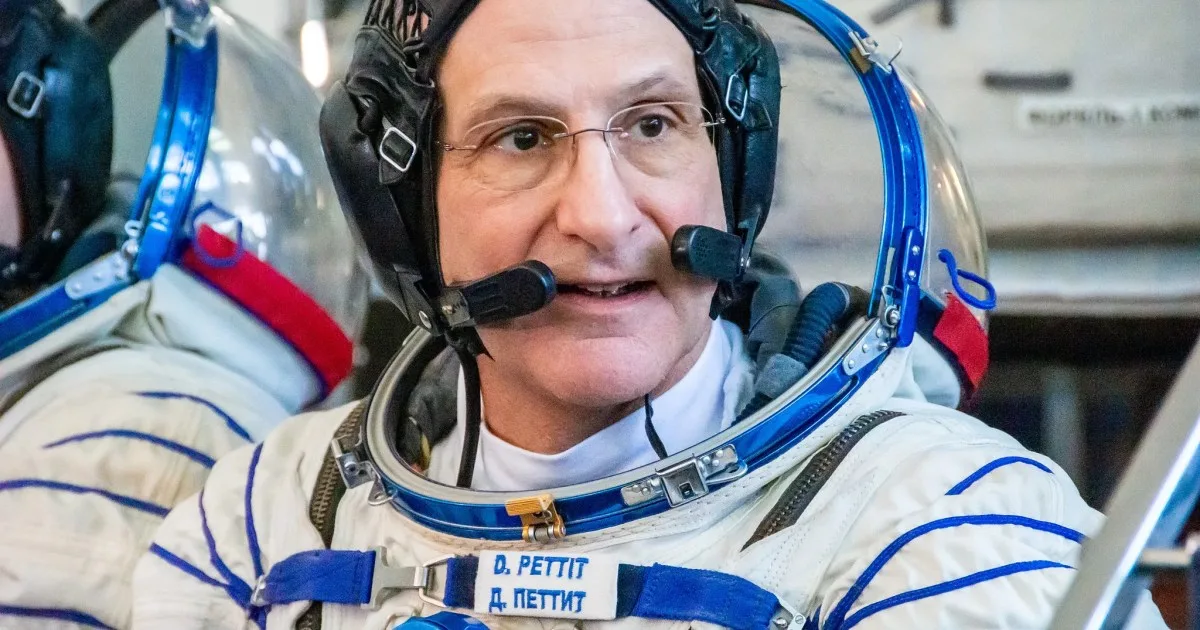
At 69 years old, Don Pettit stands out as no ordinary senior citizen. Instead of relaxing in retirement, he’s preparing for an exhilarating journey to the International Space Station (ISS) set for Wednesday.
Pettit, who holds the title of NASA’s oldest active astronaut, embarks on his fourth voyage to space, marking an impressive 22-year career. He will travel aboard a Russian Soyuz spacecraft launched from the historic Baikonur Cosmodrome in Kazakhstan, accompanied by cosmonauts Alexey Ovchinin and Ivan Vagner.
His inaugural visit to the ISS took place in 2002, shortly after the station became operational. During this mission, he served as the NASA Science Officer as part of Expedition 6.
Throughout his career, Pettit has also flown aboard Space Shuttle Endeavour during mission STS-126. His latest journey to the space station occurred in 2011.
With a Ph.D. in chemical engineering from the University of Arizona, Pettit enthusiastically shares insights from the experiments he conducts aboard the ISS. As he embarks on this six-month mission, followers can expect regular updates from him through his social media platforms.
“Pettit has significantly advanced human space exploration aboard the International Space Station, resulting in numerous published scientific works,” noted NASA.
In addition to his scientific contributions, Pettit is a passionate photographer. Viewers can look forward to striking images captured during his time on the ISS, including a recent infrared photograph he shared on X (previously known as Twitter):
Camana, Peru region in near infrared. Wedged between the Pacific Ocean and the Andes Mountains, this lush flora-packed river delta appears as bright magenta. Camana is the grayish feature in the lower center of the river delta. This is in stark contrast to the sparse foliage in… pic.twitter.com/zXu6Gor1MF
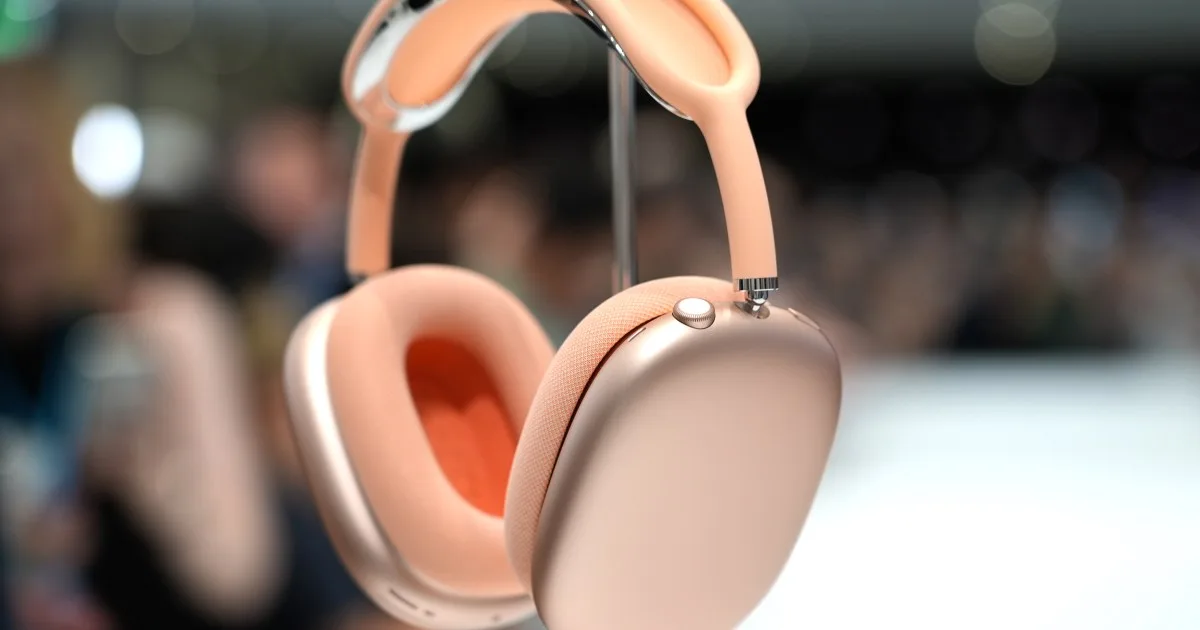
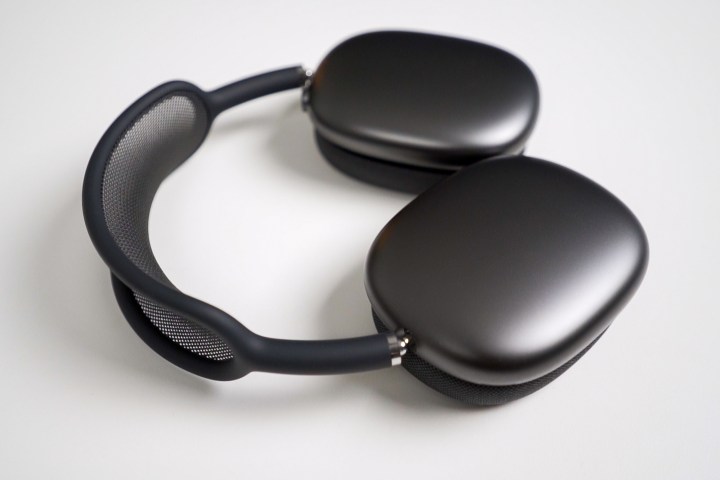
Apple made a splash in 2020 with the introduction of its first wireless headphones, the AirPods Max. Priced at $549, these aluminum-clad headphones attracted attention not only for their premium feel but also for their high price tag. Reviewers largely celebrated the AirPods Max, especially highlighting features like active noise cancellation (ANC) and a transparency mode designed to enhance user awareness of their surroundings. Nevertheless, there remains ample room for enhancement.
Initially, enthusiasts anticipated the arrival of AirPods Max 2 in the fall of 2023. As that timeline slipped away, we turned our attention toward Apple’s iPhone 16 launch, which occurred on September 9, 2024. This event was significant for the AirPods lineup, introducing AirPods 4 and AirPods 4 with ANC, alongside plans to equip AirPods Pro 2 with new hearing health and hearing aid functions. However, the updates for AirPods Max were fairly lackluster: aside from a transition to a USB-C charging port and some fresh color options, the flagship headphones saw little change. You could say they are more of an “AirPods Max 1.5.”
Despite the mild refresh, it’s reasonable to expect that this is merely a precursor to a more substantial update down the road, and a genuine next-generation model may soon be on the horizon.
The Case Conundrum
Riley Young / Digital Trends
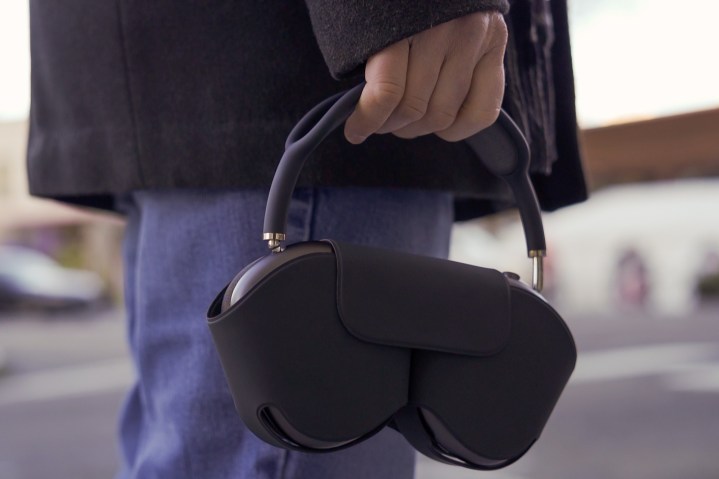
While the AirPods Max have many appealing attributes, there’s a near-universal consensus: the included travel case is inadequate. Whether it’s the minimal protection for the ear cups or the fact that the headphones can’t be powered down without being stowed away, the case—often nicknamed “the bra” due to its dual-cup design—is due for a major overhaul.
Many premium wireless headphones come packaged with ample protection, like the Bowers & Wilkins Px7 S2 and Sony WH-1000XM5, which feature sturdy, zippered cases. It’s perplexing that Apple hasn’t followed suit. This is an easily rectifiable area for improvement with the next AirPods Max release.
Reducing Weight
Riley Young / Digital Trends
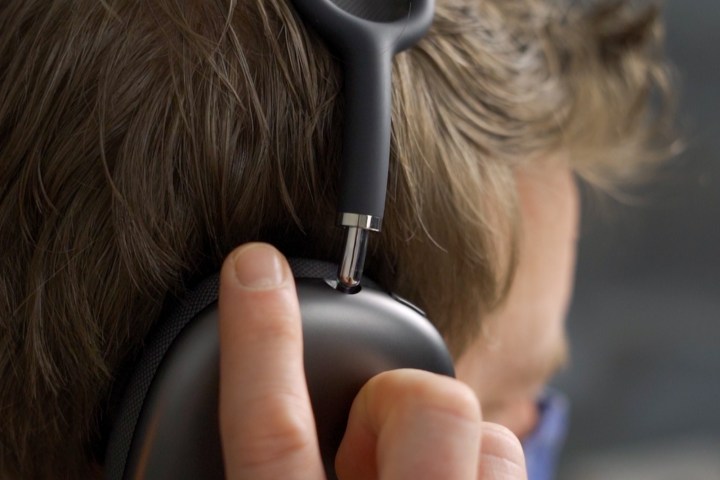
Can headphones be both cumbersome and surprisingly comfortable? The AirPods Max certainly challenge that notion. Weighing in at 13.6 ounces, they are noticeably heftier than counterparts like the Sony WH-1000XM5 at 8.8 ounces. While they are designed for comfort, after a few hours, that extra weight can become a burden.
While using premium materials like aluminum and steel poses challenges, Apple should seek to reduce the weight of the AirPods Max 2, as no one enjoys feeling the need to remove their headphones after only a couple of hours, especially when they feature some of the best ANC on the market. Given Apple’s prowess in design, it’s entirely feasible to achieve a sub-10-ounce weight without compromising luxury.
Enhancing Sound Quality
Riley Young / Digital Trends
The sound quality of the AirPods Max is impressive; however, a questionable decision from Apple has hindered its full potential.
For those who appreciate high-resolution audio that surpasses CD quality, Apple offers a variety of lossless, hi-res options on Apple Music at up to 24-bit/192kHz. Sadly, there’s no available method to transmit the full lossless quality to a pair of wireless headphones using standard Bluetooth codecs. As a result, many high-end wireless headphones come equipped with analog or wired digital audio connections.
Beats, a subsidiary of Apple, took an important step with its Studio Pro headphones, which include a dual-USB-C cable for lossless, high-resolution audio, as well as an analog cable for older devices.
While the updated AirPods Max does feature a USB-C connection, it currently serves only for charging and does not support digital audio. The initial AirPods Max included an analog cable option, albeit at an additional cost of $35, but no such equivalent currently exists for the USB-C version of the headphones.
In our ideal scenario, the AirPods Max 2 would offer USB-C support for unprocessed digital audio transmission from phones or computers. Furthermore, compatibility with an analog connection would be highly desirable.
Elevating Wireless Audio Standards
Apple
Implementing a better cable solution would certainly enhance the audio quality of the AirPods Max 2; however, there is an opportunity to go even further. Wireless audio should not be restricted by cords if it isn’t necessary, and Apple is in a unique position to redefine wireless audio transmission.
Bluetooth audio has its limitations; even the latest advancements from Qualcomm only provide lossless CD quality with their Snapdragon Sound technology, which still falls short of true lossless hi-res audio due to bandwidth constraints.
On the other hand, ultra-wideband (UWB) technology possesses ample bandwidth, ideal for short-range, low-latency applications with minimal power consumption. Apple already has substantial experience with UWB, as every iPhone since the iPhone 11 has been equipped with a UWB radio, facilitating features seen in AirTags and the charging case for the second-gen AirPods Pro.
Given its capabilities, should Apple utilize its latest H2 chip in the upcoming AirPods Max, it could potentially provide a lossless hi-res connection akin to those established with the Apple Vision Pro and AirPods Pro 2 via USB-C.
Let’s keep our fingers crossed that the AirPods Max 2 will set a new precedent for wireless headphones, eliminating the quality compromises associated with Bluetooth technology.
Considerations for MagSafe
Apple
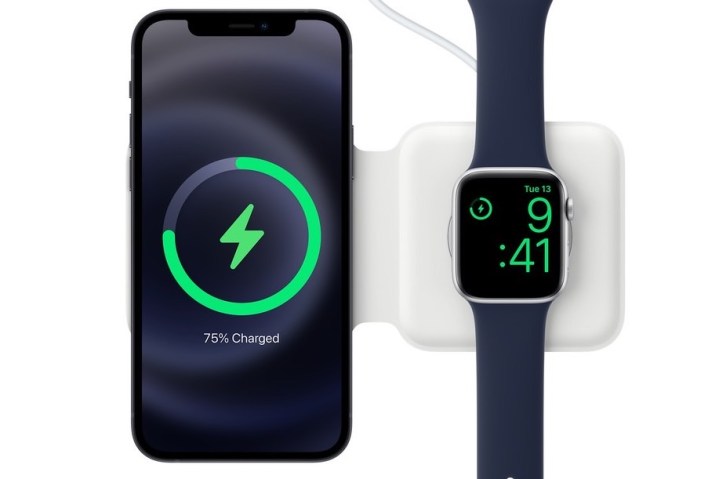
On the topic of charging, it may be feasible for Apple to integrate its MagSafe technology into the AirPods Max 2. The company previously implemented MagSafe on the iPhone and various AirPods charging cases; however, the larger ear cups of the AirPods Max present a unique challenge. For MagSafe to function, it requires a metal ring, but wireless charging does not penetrate materials like aluminum effectively. Since much of the existing AirPods Max is composed of aluminum, it raises questions about feasibility.
That said, Apple has demonstrated a willingness to include plastic elements to accommodate functionality in its aluminum products, thus a small plastic insert could be integrated within one of the ear cups of the AirPods Max 2 to enable MagSafe charging, perhaps adorned with an Apple logo.
Desirable Features: Colors and Battery Life
Apple
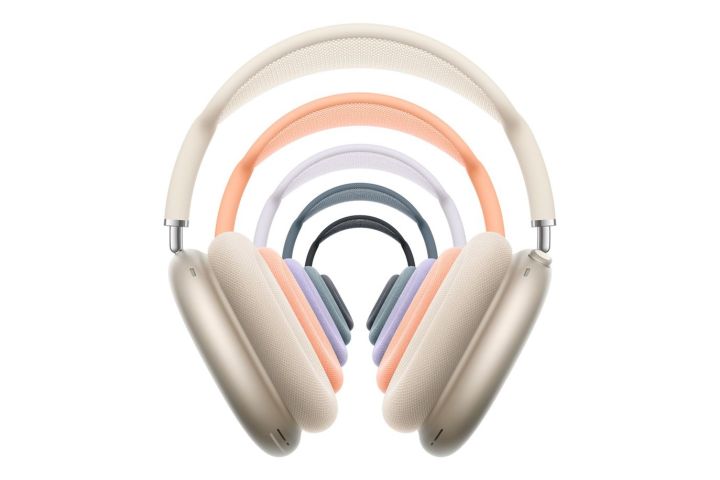
In addition to adopting a USB-C connection, Apple has also expanded the AirPods Max color palette to include five options: Midnight, Blue, Purple, Orange, and Starlight, achieving a minor enhancement in personalization.
Regarding battery life, while the existing 20-hour lifespan isn’t the worst in the industry, it tends to lag behind many competing models. It was surprising that Apple made no improvements in this area with the USB-C model.
While most users may manage with 20 hours daily, frequent travelers particularly benefit from extended battery life, which would be invaluable if they can’t access power outlets. Therefore, we hope future iterations of the AirPods Max will see an increase in battery life, even though this typically results in added weight—a trade-off we’d prefer to avoid.
Pricing and Future Availability of AirPods Max 2
While there’s never certainty in this realm, Apple’s move to update the AirPods Max with USB-C indicates they remain committed to this product line—quashing concerns that interest had waned since their initial 2020 release.
When might we see a true second-generation model? While it’s hard to predict, historical patterns suggest that Apple might unveil it in the fall, potentially in 2025. But given the unpredictability of product timelines, this should be taken with caution.
Apple generally maintains consistent pricing with generational updates when there isn’t a major overhaul, and we anticipate that the AirPods Max 2 will remain priced at $549. Since their initial launch, prices for several competing models have risen, with options such as the $699 Bowers & Wilkins Px8, $599 Master & Dynamic MW75, and even pricier options like the $1,500 Bang & Olufsen Beoplay H100. This trend eases the pressure on Apple to adjust the AirPods Max 2 pricing downward.
That sums up our aspirations and insights for the AirPods Max 2—a set of headphones we believe Apple will eventually announce, even if the timeline is still uncertain. Stay tuned for further updates once we have more concrete information.
The beloved golfer is set for a new chapter in his journey. Production for Happy Gilmore 2 is officially underway.
Adam Sandler reprises his role as Happy Gilmore, an aspiring hockey player who uncovers his extraordinary talent for golf. Happy joins the PGA Tour to gather enough money to save his grandmother’s home from being foreclosed. Although his unconventional antics stir frustration among traditional golf fans, his lively spirit draws in a larger audience, making him a crowd favorite.
Two iconic characters from Happy Gilmore are confirmed to return for the sequel: Christopher McDonald as Shooter McGavin, Happy’s nemesis, and Julie Bowen as Virginia Venit, the tour’s PR specialist assigned to polish Happy’s image before she becomes his love interest. Shooter, a gifted golfer, is determined to rid the tour of Happy’s supposed unprofessionalism.
Joining the cast is Benito Martínez Ocasio, known as Bad Bunny, who takes on a role that has not yet been revealed. This marks Ocasio’s foray into acting following his appearance in Darren Aronofsky’s crime thriller Caught Stealing. Travis Kelce, a star player from the Kansas City Chiefs, will also make a special appearance in the film.
Happy Gilmore 2 is helmed by Kyle Newacheck, with a script co-written by Sandler and Tim Herlihy. Newacheck has previously collaborated with Sandler in the Netflix film Murder Mystery. Herlihy frequently works alongside Sandler, co-writing films like Happy Gilmore, Billy Madison, The Waterboy, and Hubie Halloween.
Initially released in February 1996, Happy Gilmore achieved a box office success, grossing over $41 million against its $12 million budget.
Viewers can expect Happy Gilmore 2 to stream on Netflix, though the premiere date has yet to be announced.
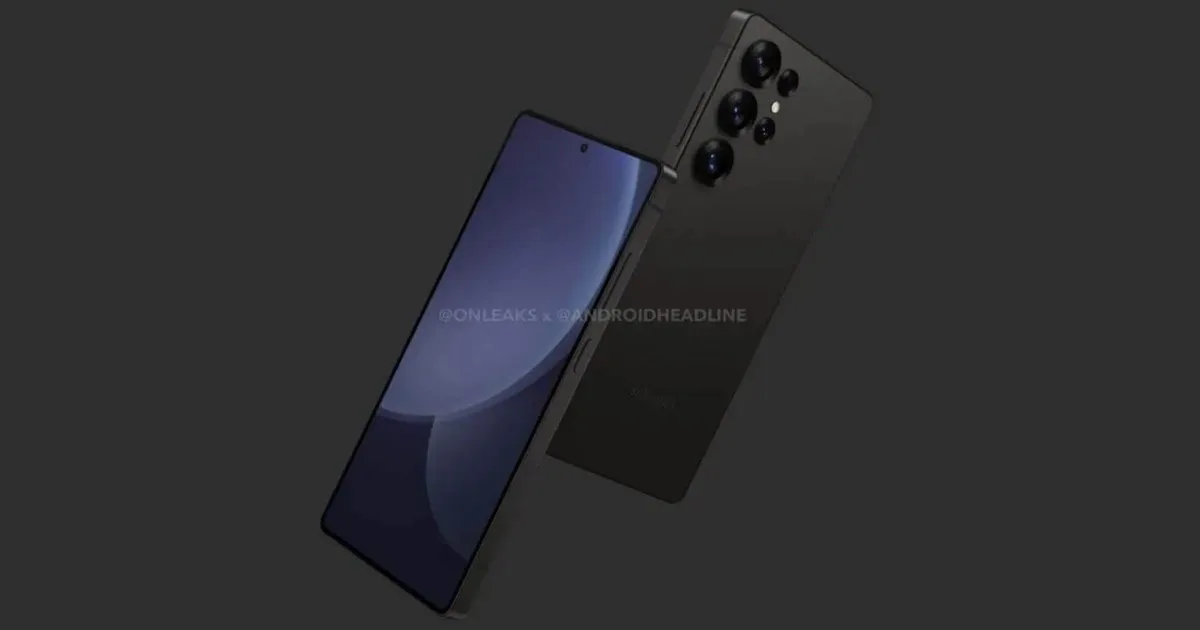
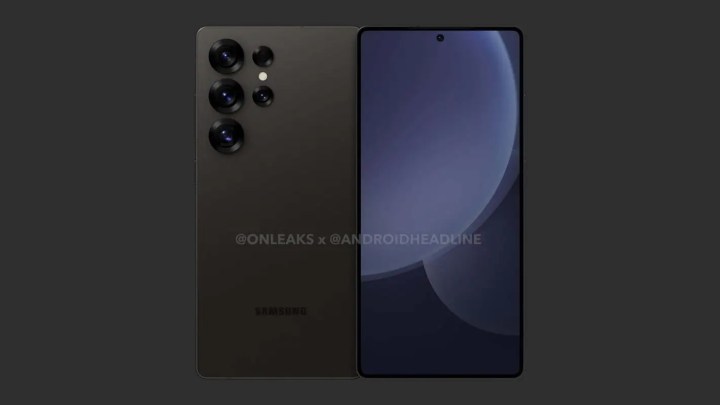
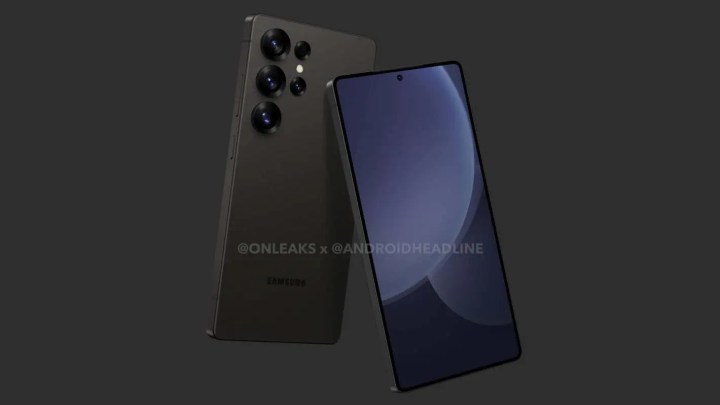
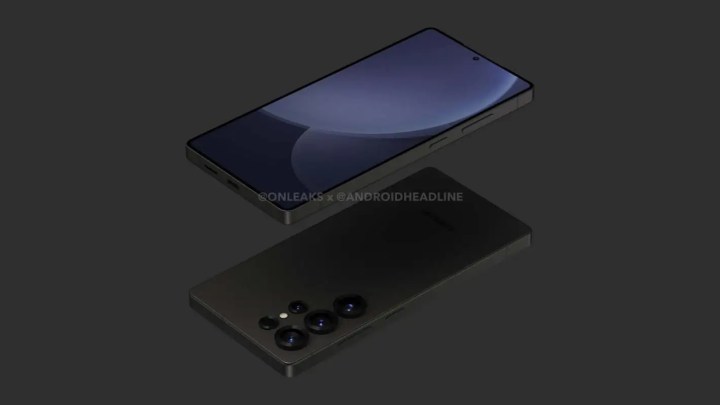
Apple has officially launched the iPhone 16 series, shifting the focus of tech enthusiasts toward Samsung’s forthcoming Galaxy S series. Coincidentally, Android Headlines has given us an exclusive sneak peek at the newly redesigned Samsung Galaxy S25 Ultra.
Set to make its debut in January or February, the Galaxy S25 Ultra showcases several bold design alterations aligning with previous speculations. The most striking change is the introduction of completely flat sides, contrasting the Galaxy S24 Ultra, which maintained flat edges only on the top and bottom while featuring rounded sides on the remaining edges.Interestingly, this design choice was recently adopted by the Google Pixel 9, prompting discussions around inspiration being drawn from Apple’s design blueprint.
Moreover, the Galaxy S25 Ultra is expected to be more lightweight compared to its predecessor and even the recently unveiled iPhone 16 Pro Max. The anticipated weight of this new device is around 219 grams, in contrast to the Galaxy S24 Ultra’s 232 grams and the iPhone’s 227 grams. The reduced weight is attributed to a smaller, more compact design with minimized bezels, while the screen size is expected to remain at 6.8 inches.
In terms of camera capabilities, the Galaxy S25 Ultra is projected to offer a robust system that includes a 50-megapixel ultrawide lens, a 200MP main camera, and a 10MP telephoto camera offering 3x zoom.
We can also anticipate a 5,000mAh battery in the upcoming Galaxy S Ultra. Additionally, it will likely feature the new Snapdragon 8 Gen 4 processor, which Qualcomm has yet to officially unveil, although announcements are anticipated at next month’s Snapdragon Summit.
Expectations are high as we await more details regarding the Galaxy S25 series in the upcoming weeks and months. Historically, Samsung tends to introduce these flagship models shortly after the New Year, with a release slated soon after. There will reportedly be three models: the Galaxy S25, Galaxy S25 Plus, and the Galaxy S25 Ultra.
Interestingly, there has been chatter that the Galaxy S25 Ultra may not be branded as such next year, with speculation that Samsung might revert to a familiar name, potentially dubbing it the “Galaxy S25 Note.”
In recent times, major tech companies like Samsung and Google have significantly extended their support for software updates on Android devices. This trend, however, has not been mirrored by Motorola—until now.
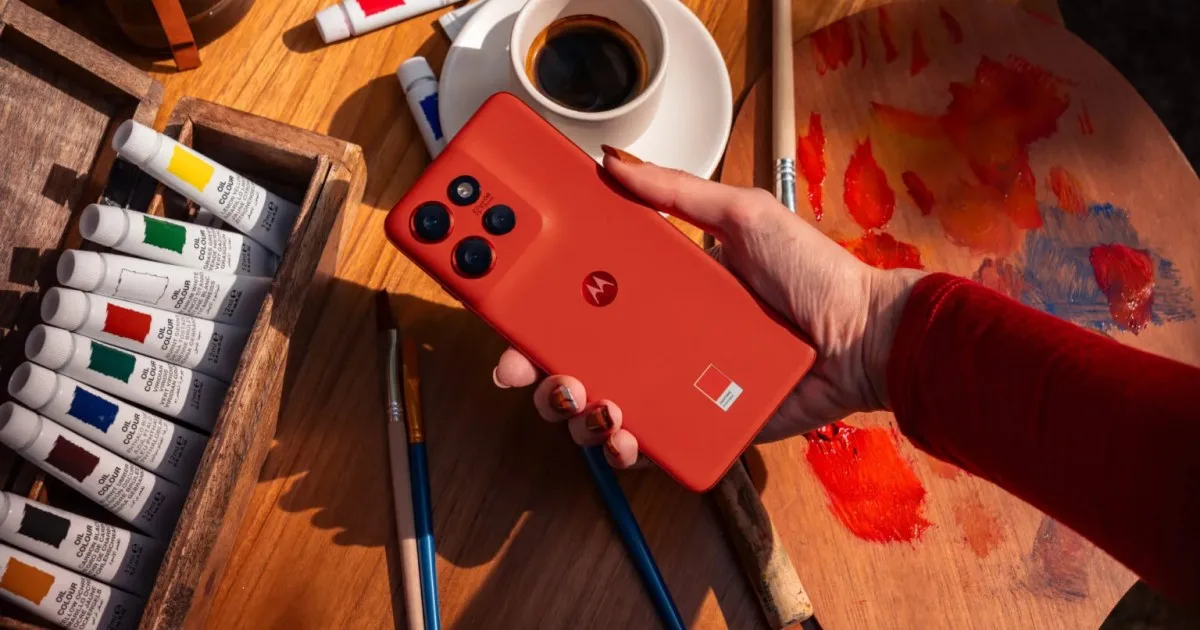
As reported by Android Authority, Motorola’s newest smartphone, the Motorola Edge 50 Neo, is set to offer users five years of operating system updates and security patches. Although this falls short of the seven-year commitment made by competitors like Samsung and Google, it marks a notable enhancement compared to Motorola’s previous offerings.
This news is particularly encouraging for prospective buyers of Motorola phones, although it is somewhat unexpected. Traditionally, Motorola’s flagship models, such as the Motorola Edge 2024 and Motorola Razr Plus 2024, provide three years of Android OS updates coupled with four years of security updates. In contrast, the Edge 50 Neo is marketed as a mid-range device.
Featuring a 6.4-inch screen, the Edge 50 Neo is set to launch in India on September 16 after making its debut in Europe. The smartphone operates on a Dimensity 7300 processor and offers configurations with either 8GB or 12GB of RAM and storage options of 256GB or 512GB. Additional specifications include an LTPO OLED display, a 4,310mAh battery, 68W wired charging, and 15W wireless charging capabilities. Camera-wise, it sports a 50MP primary sensor, a 13MP ultrawide camera, a 10MP 3x telephoto lens, and a 32MP front camera.
Motorola’s choice to extend software support for the Edge 50 Neo is a positive move, and there is hope that this trend will extend to other models in their lineup. While the three years of Android updates represent a significant step forward, they still do not match the seven-year support provided by Samsung’s Galaxy S24 series or Google’s Pixel 9 series. It’s important to note, however, that devices from Samsung and Google are generally priced higher than those from Motorola.
The Motorola Edge 50 Neo is priced at €499, which is approximately $551 in Europe. Pricing details for the Indian market are yet to be disclosed.
The Yale Code represents an innovative step in electronic locking systems. While it integrates many features reminiscent of smart locks, such as the Assure Lock 2, it doesn’t fit the typical smart lock mold. This model doesn’t support popular platforms like Google Home, Amazon Alexa, or Apple Home, nor does it offer capabilities like Wi-Fi or Bluetooth connectivity. Instead, users can personalize the lock’s functions directly through its built-in keypad, creating a distinctive blend of traditional and smart lock characteristics.
This lock can be operated using a standard key or its digital keypad, allowing for password management right on the device. This design choice minimizes the need for smartphone apps or connections to external smart home systems. It’s perfect for individuals who prefer a straightforward installation or those who are hesitant to rely on their smartphones for home security. Although it doesn’t possess the full range of smart features, the Yale Code still includes useful functionalities commonly found in smart locks, such as an Auto Lock option that secures the deadbolt after a designated period of inactivity.
“We’re elated to introduce the Yale Code as a user-friendly solution, synonymous with the security and trust that Yale signifies,” stated Garrett Lovejoy, VP of Connected Category Management at Fortune Brands Innovations. “This offering enhances our product lineup, catering to diverse user preferences while maintaining simplicity and affordability.”
Installation of the Yale Code is user-friendly, requiring no additional wiring or mobile apps. It allows for the storage of up to 20 unique entry codes directly on the lock, enabling both primary codes for homeowners and temporary codes for guests that can easily be deleted afterward.
With a retail price of $99, the Yale Code is available in black suede and satin nickel. Both options feature a sleek, minimalist design inspired by the more premium Assure Lock 2. The keypad is backlit, ensuring ease of use during nighttime and is designed to resist fading and scratching from outdoor conditions.
While the Yale Code may not be laden with features like traditional smart locks, it is an appealing choice for consumers eager to explore the realm of smart home technology.
After multiple postponements, SpaceX has officially launched the momentous Polaris Dawn mission, carrying a crew of four non-professional astronauts aboard the Crew Dragon spacecraft.
The Falcon 9 rocket successfully lifted the crew into orbit shortly after taking off from the Kennedy Space Center in Florida at 5:23 a.m. ET on Tuesday morning.
A live broadcast of the launch captured the impressive sight of the Falcon 9 igniting the darkened sky as it propelled the Crew Dragon and its four passengers upward.
Shortly after liftoff, the Falcon 9’s first-stage booster made a successful return landing, paving the way for its reuse in future missions.
The Polaris Dawn mission, spanning five days, is significant in multiple ways. It will mark the first time astronauts conduct a spacewalk from a SpaceX Dragon capsule, as well as the first-ever commercial spacewalk. The two astronauts undertaking the spacewalk will also test advanced spacesuits designed to enhance mobility, potentially for lunar missions in the future.
Furthermore, this mission will take crew members to a higher altitude in Earth’s orbit—approximately 870 miles (1,400 kilometers)—than any human has traveled since the Apollo missions over 50 years ago. The mission will also experiment with laser-based Starlink communications systems planned for future expeditions and gather data on human health during extended spaceflights.
Leading the mission is Commander Jared Isaacman, joined by retired U.S. Air Force Lt. Col. Scott Poteet, who served in various capacities for 20 years, alongside Sarah Gillis and Anna Menon, both leading space operations engineers at SpaceX.
Stay tuned for further updates as we follow along with the crew’s progress throughout this groundbreaking mission.
SpaceX had initially aimed for a launch on August 27; however, it was postponed due to a technical glitch detected prior to the launch. A subsequent attempt the next day was also canceled because of unfavorable weather conditions in the designated splashdown area.
For a long time, the key distinction between Apple’s basic AirPods and the more advanced AirPods Pro has centered around active noise cancellation, commonly referred to as ANC. When I first heard that Apple might integrate ANC into its upcoming AirPods 4, I was skeptical. The open-ear design, which does not completely seal the ear canal, typically makes it difficult to block out external noise. However, after experiencing the AirPods 4 firsthand, I was genuinely surprised by their effectiveness.
If you’ve been dismissing the possibility of effective noise cancellation in open-ear earbuds, it might be time to reassess your stance.
During a recent demonstration at Apple Park, held after the “It’s Glowtime!” event, I tested the AirPods 4 with ANC activated while simulated airplane noise was played through concealed speakers. I could easily switch between the ANC, transparency, and adaptive audio modes and even took the earbuds out completely to assess the true volume of the airplane sound.
My experiences in that room were quite revealing. I walked in with a fair amount of skepticism, largely because the AirPods’ open-ear design offers minimal passive noise isolation. It was hard for me to believe that the active noise-canceling technology – which counteracts ambient sounds by emitting waves that are 180 degrees out of phase – would be very effective. My initial assumption was that excessive outside noise would still penetrate.
It’s important to highlight that these new AirPods 4 aren’t just refreshed AirPods Pro; rather, they represent a mid-range option incorporating exciting new features.
Surprisingly, not only did the AirPods 4 with ANC significantly reduce the airplane noise to a more manageable level, but they also enhanced the audibility of the music I played. In fact, with music in my ears, the background noise faded almost entirely from my awareness.
However, there is an important point to consider. While I tested the airplane noise without any earbuds, I noticed a lack of high-frequency sounds, raising questions about the real-world efficacy of the ANC feature in environments like planes, trains, or cars. Fortunately, I’ll soon have an opportunity to test that as I take a flight home with my review unit.
With a price tag of $179—$50 more than the version without ANC—the AirPods 4 find themselves in a competitive arena. Many ANC earbuds are available at lower prices, and some likely provide better overall noise cancellation. Still, I know of no other open-ear option that comes close to the ANC performance I experienced with the AirPods 4 during my short demonstration.
For individuals seeking efficient noise cancellation without the discomfort of traditional ear canal-blocking earbuds, the AirPods 4 might just be the perfect solution.
SpaceX has set its sights on launching the all-civilian Polaris Dawn mission on Tuesday, September 10. This significant event will see a Crew Dragon spacecraft reaching its highest orbit yet and is set to include the first commercial spacewalk.
The mission, spearheaded by Elon Musk’s SpaceX, will be streamed live from the Kennedy Space Center in Florida. Continue reading for all the details on how to tune in.
This mission is led by Jared Isaacman, a billionaire entrepreneur and the CEO of payment processing company Shift4. Isaacman is not new to space travel; he previously journeyed to space during the Inspiration4 mission in 2021, which he also financed, and he is the primary funder for the Polaris Dawn mission.
Joining Isaacman on this exciting voyage are three other crew members: Scott Poteet, a retired lieutenant colonel from the U.S. Air Force; Sarah Gillis, a lead space operations engineer at SpaceX in charge of astronaut training; and Anna Menon, another lead space operations engineer at SpaceX who oversees crew operations and participates in mission control.
The crew is currently en route to the launchpad, gearing up for liftoff scheduled at 3:38 a.m. ET.
The Polaris Dawn crew is departing the suit up room on their way to the pad at 39A! pic.twitter.com/TyQDB07NvF
This five-day mission will allow the Crew Dragon spacecraft to ascend to an unprecedented altitude of around 435 miles (700 kilometers) above Earth, surpassing the 185 miles (298 kilometers) of the International Space Station, which is the typical destination for NASA’s crew transport missions.
In an exciting twist, Isaacman and Gillis will conduct a two-hour spacewalk during which they will test a newly designed spacesuit to ensure its functionality in the vacuum of space.
SpaceX has stated that “the development of this suit and the execution of the spacewalk will be essential in advancing the design of spacesuits for future long-duration missions,” as noted on the Polaris Dawn site.
Additionally, the crew plans to perform various scientific and technological experiments while in orbit.
How to Watch
SpaceX is aiming for a launch window that opens at 3:38 a.m. ET (12:38 a.m. PT) on Tuesday, September 10, from the Kennedy Space Center in Florida. The launch window will last for four hours, and a live feed showcasing final preparations will start just after midnight ET.
You can follow the Falcon 9 rocket’s journey to space via SpaceX’s account on X (formerly known as Twitter).
Coverage will include live images from the ground, outside the rocket, and from inside the Crew Dragon capsule.
For any updates regarding the launch schedule, we will make sure to provide timely information. For the most current details, check out Polaris Dawn’s account on X.
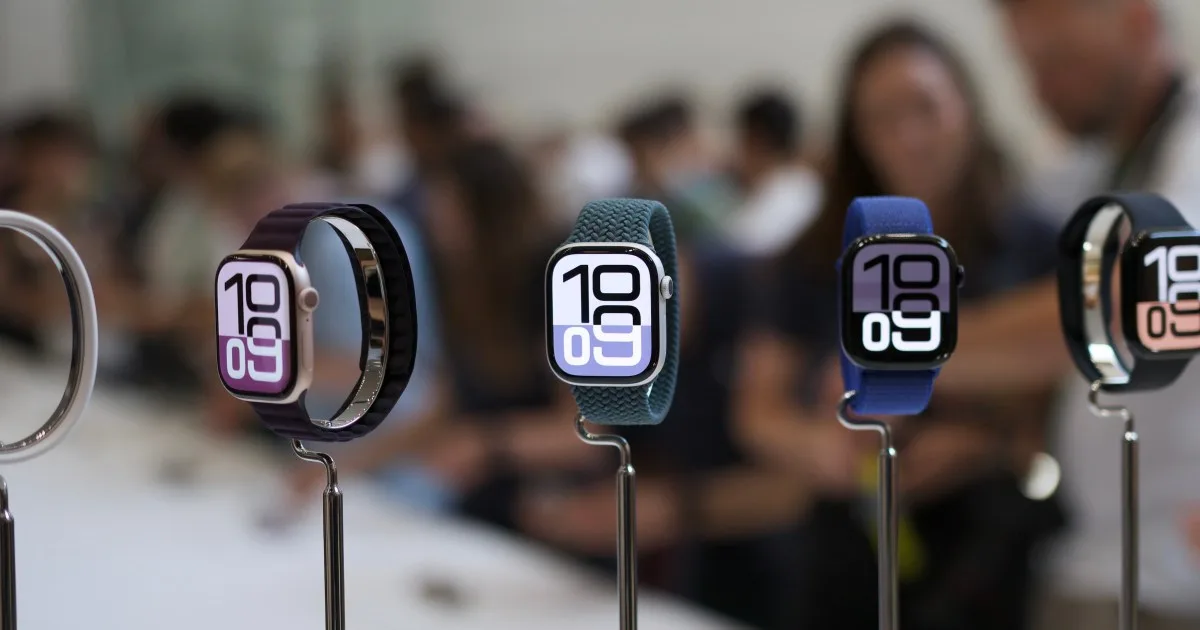
Get ready for some impressive updates! With Apple’s recent “It’s Glowtime” event behind us, the announcement of the Apple Watch Series 10 has finally arrived. This exciting new watch comes packed with a plethora of information regarding its specifications, functionality, and availability.
This year also commemorates a decade since the debut of the first Apple Watch, allowing us to reflect on the significant progress made since that initial release. Below, you’ll find all the essential details about the Apple Watch Series 10, from its specifications to pricing and innovative features.
Apple Watch Series 10: Price and Availability
Apple
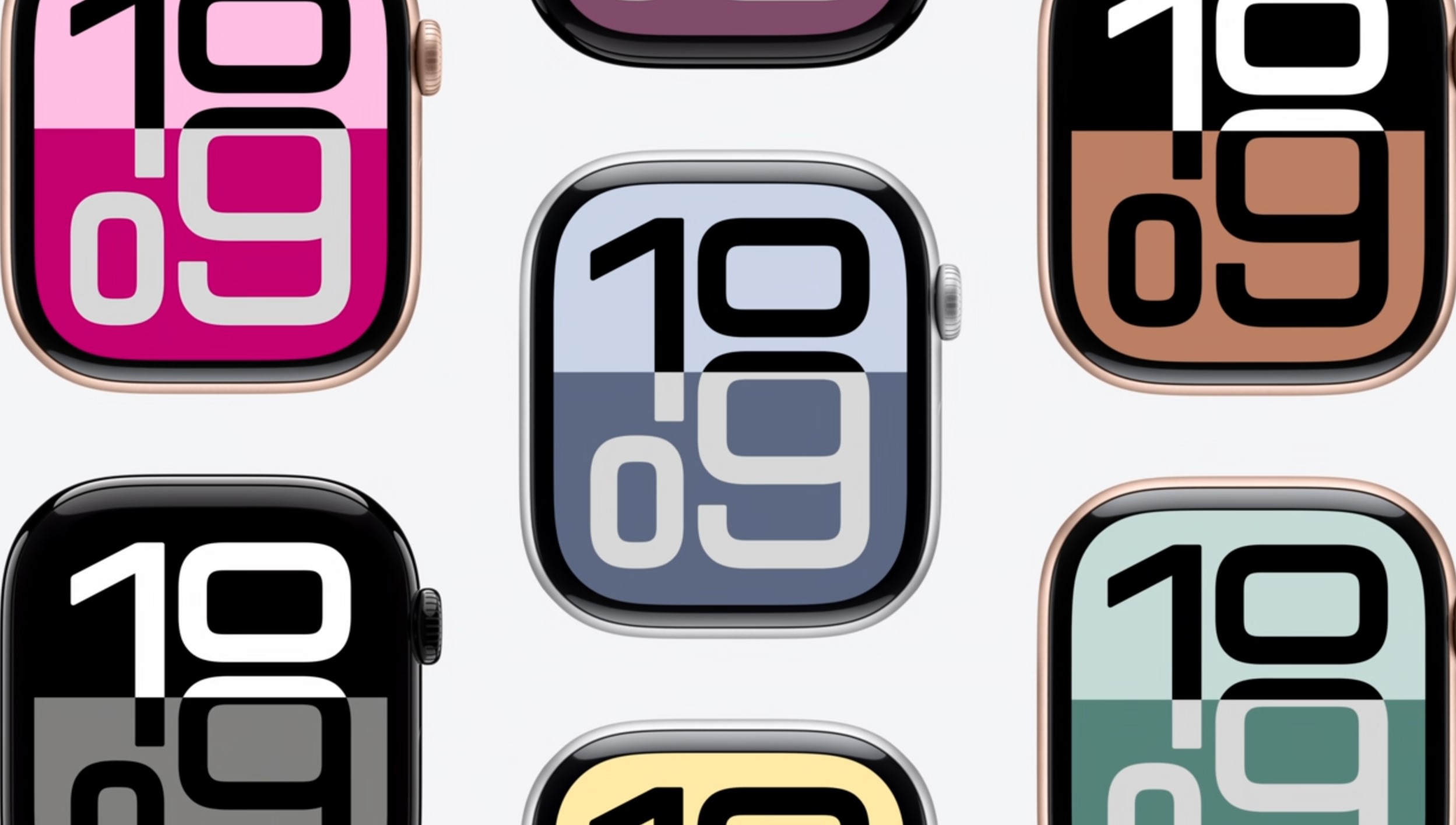
You can start preordering the Apple Watch Series 10 today, with the official launch set for September 20. The GPS model begins at $399, while the cellular version will cost you $499. The new Apple Watch will be offered in three striking colors: Jet Black, Rose Gold, and Silver Aluminum.
As for accessories, new bands from Nike and Hermes will also be available, so you can keep your style on point.
Apple Watch Series 10: Hands-On
Joe Maring / Digital Trends
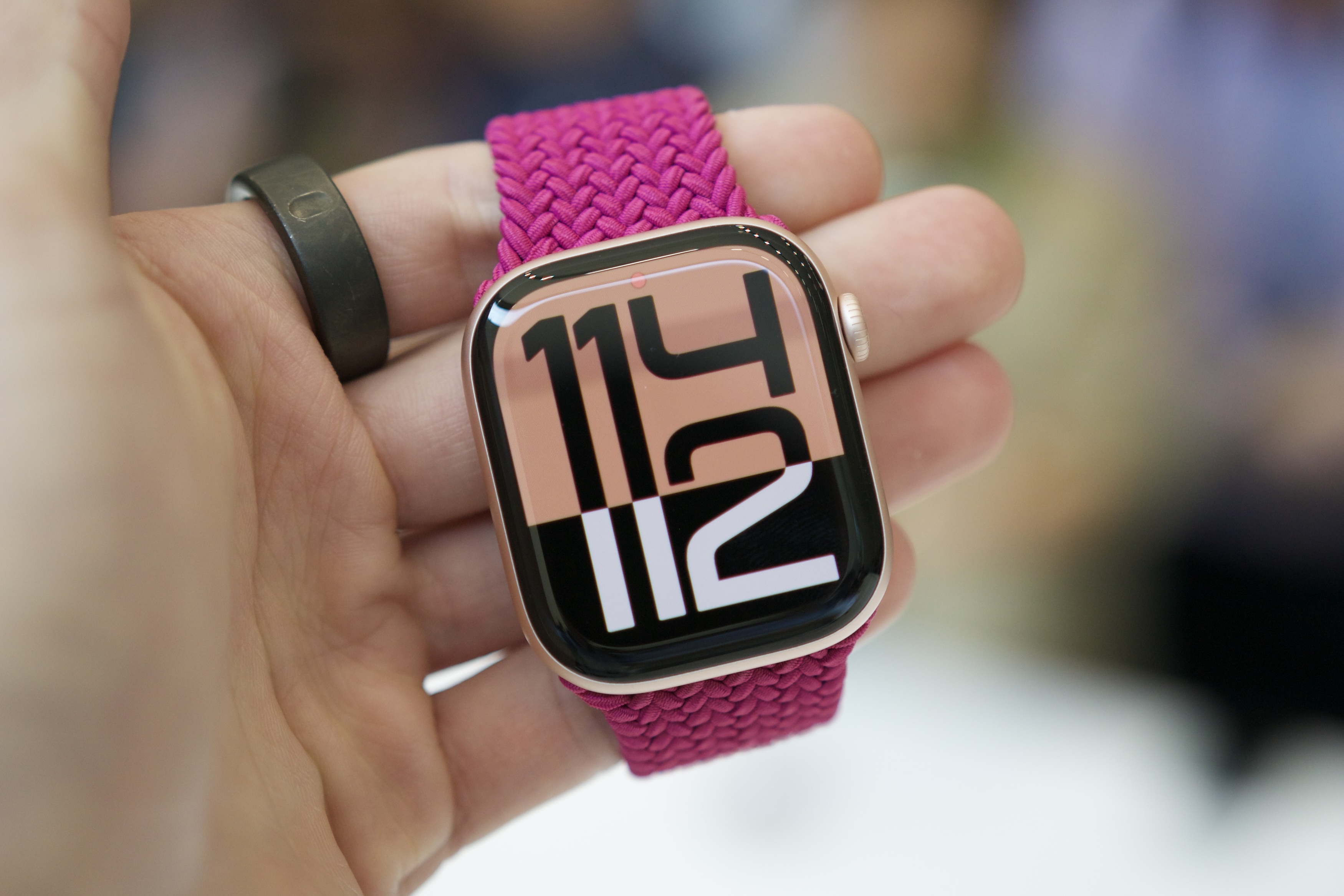
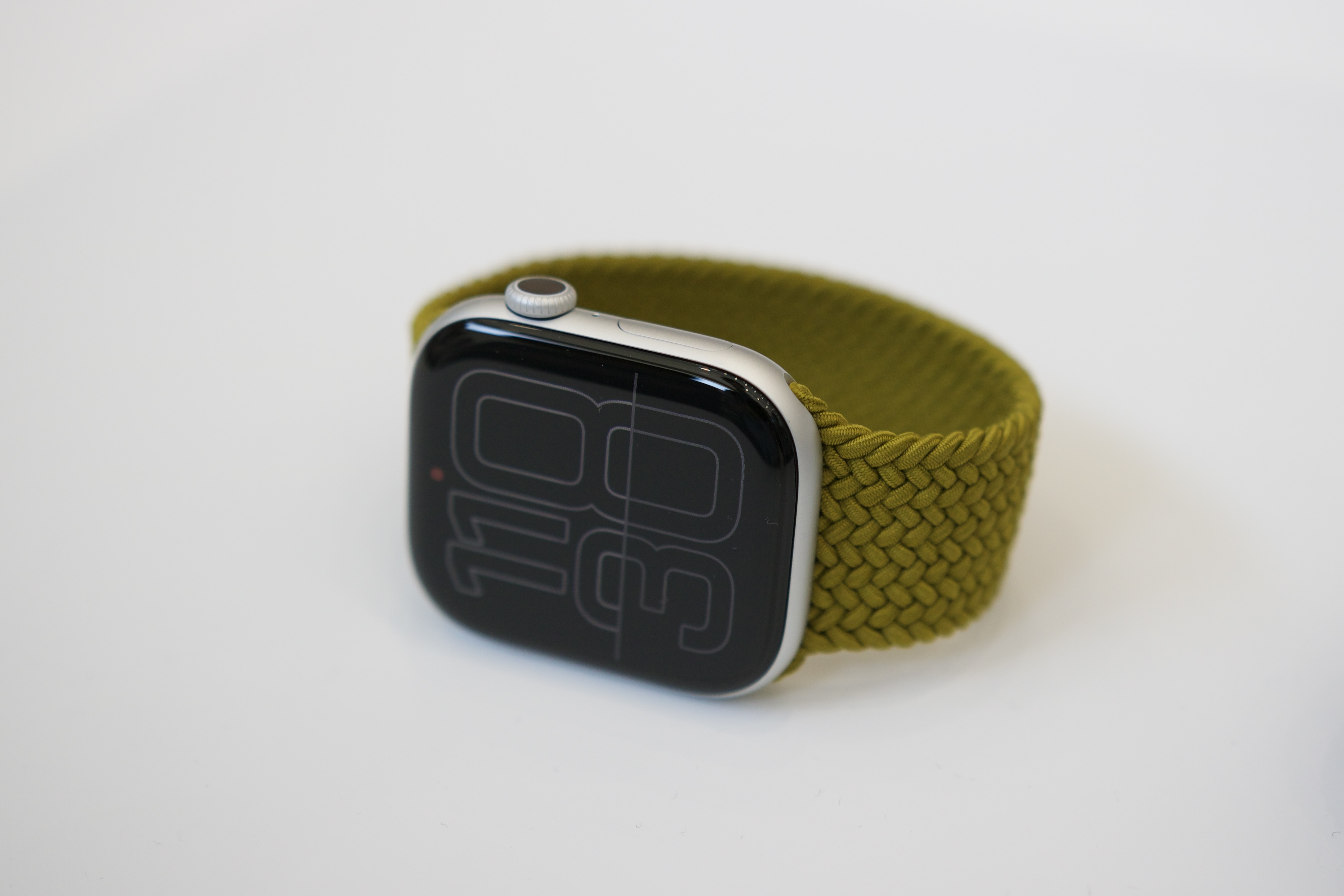
Before we dive into all the exciting new features of the Apple Watch Series 10, let’s address one key question: how does it feel to use this latest device? After spending some early hands-on moments with the Apple Watch Series 10, our initial impressions are very promising. Its new design, while not immediately dramatic, reveals its charm up close. The revamped display is stunning, and we got to hear the refined sound quality from the new speaker.
Apple Watch Series 10: Design and Display
Image used with permission by copyright holder
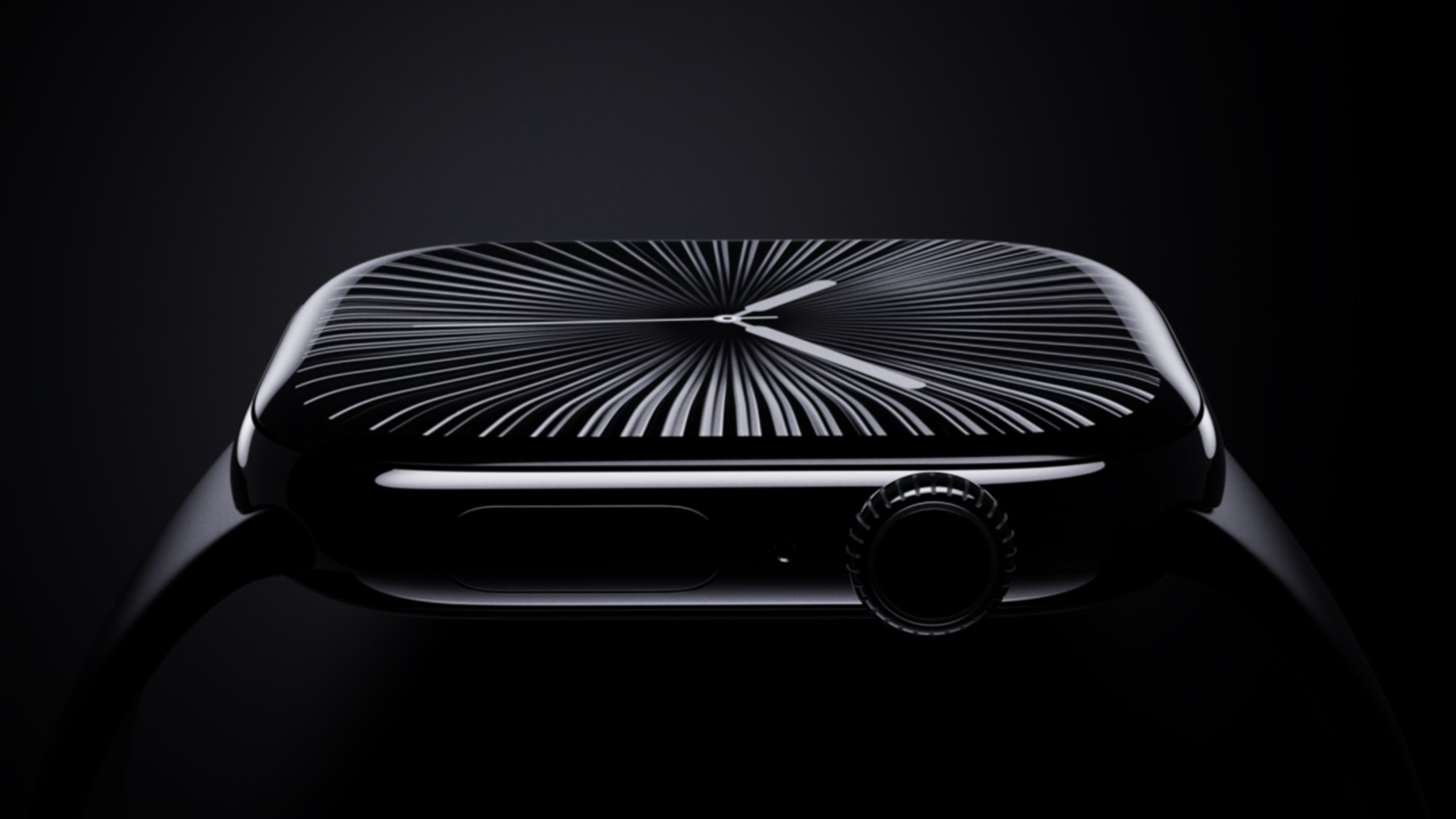
The design of the Apple Watch Series 10 introduces several exciting changes that users didn’t even know they needed. This model is now the thinnest Apple Watch ever produced, featuring the largest display we’ve seen to date—surpassing even the Apple Watch Ultra. Notably, it introduces the first-ever wide-angle OLED display on an Apple wearable, which results in a screen size increase of up to 30% compared to earlier models.
This enlargement matters because it enhances usability; users can see additional lines of text in applications such as Messages and Mail. The display extends further to the sides of the casing and offers 40% more brightness when viewed at an angle, ensuring a clear view without straining your eyes.
Constructed from a more robust aluminum alloy than previous iterations, the Apple Watch Series 10 is now more compact, measuring just 9.7mm thick—approximately 10% slimmer than the Series 9. This reduction in size required the internal components to be miniaturized to fit into this refined design. Additionally, a speaker embedded on the side of the watch allows for direct media playback, a first for Apple watches.
Apple Watch Series 10: Battery and Performance
Apple
While a larger screen and enhanced brightness may raise concerns over battery life, Apple assures us that the wide-angle OLED is designed for high efficiency. This brighter display does not compromise battery longevity. In fact, if you do run low on battery, the Series 10 is the fastest-charging Apple Watch to date. You can achieve up to 80% charge in just thirty minutes, with an estimated 18 hours of battery life in standard usage conditions.
The Apple Watch Series 10 is packed with innovative features, including a neural network that minimizes background noise for clearer communication. Whether you’re making calls or recording thoughts, using the watch is seamless. It also comes equipped with the new S10 chipset for enhanced performance and efficiency, and it operates on watchOS 11 out of the box.
Apple Watch Series 10: Health and Fitness Tracking
Image used with permission by copyright holder
Health and fitness tracking have always been central to the Apple Watch experience. Since the very first model, Apple has consistently improved its tracking capabilities. The Apple Watch Series 10 continues this legacy, providing additional groundbreaking features that cater to individuals on the move.
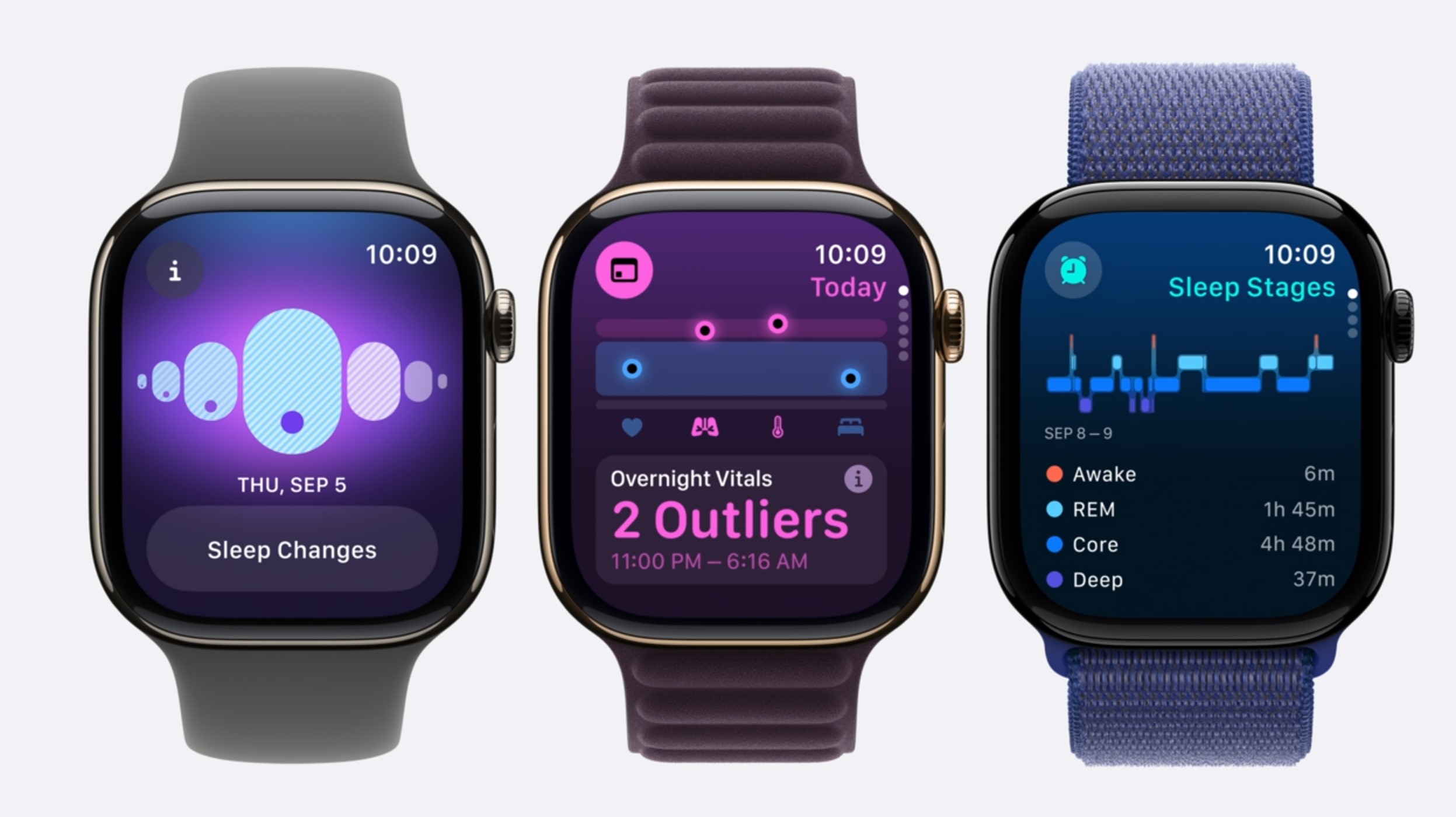
A standout enhancement is its ability to detect sleep apnea. The watch utilizes its accelerometer to track movement during sleep, producing a report every 30 days if it identifies potential signs of sleep apnea—a serious condition that goes undiagnosed in up to 80% of cases. Though it’s awaiting FDA approval, Apple is optimistic about its implementation soon.
Joe Maring / Digital Trends
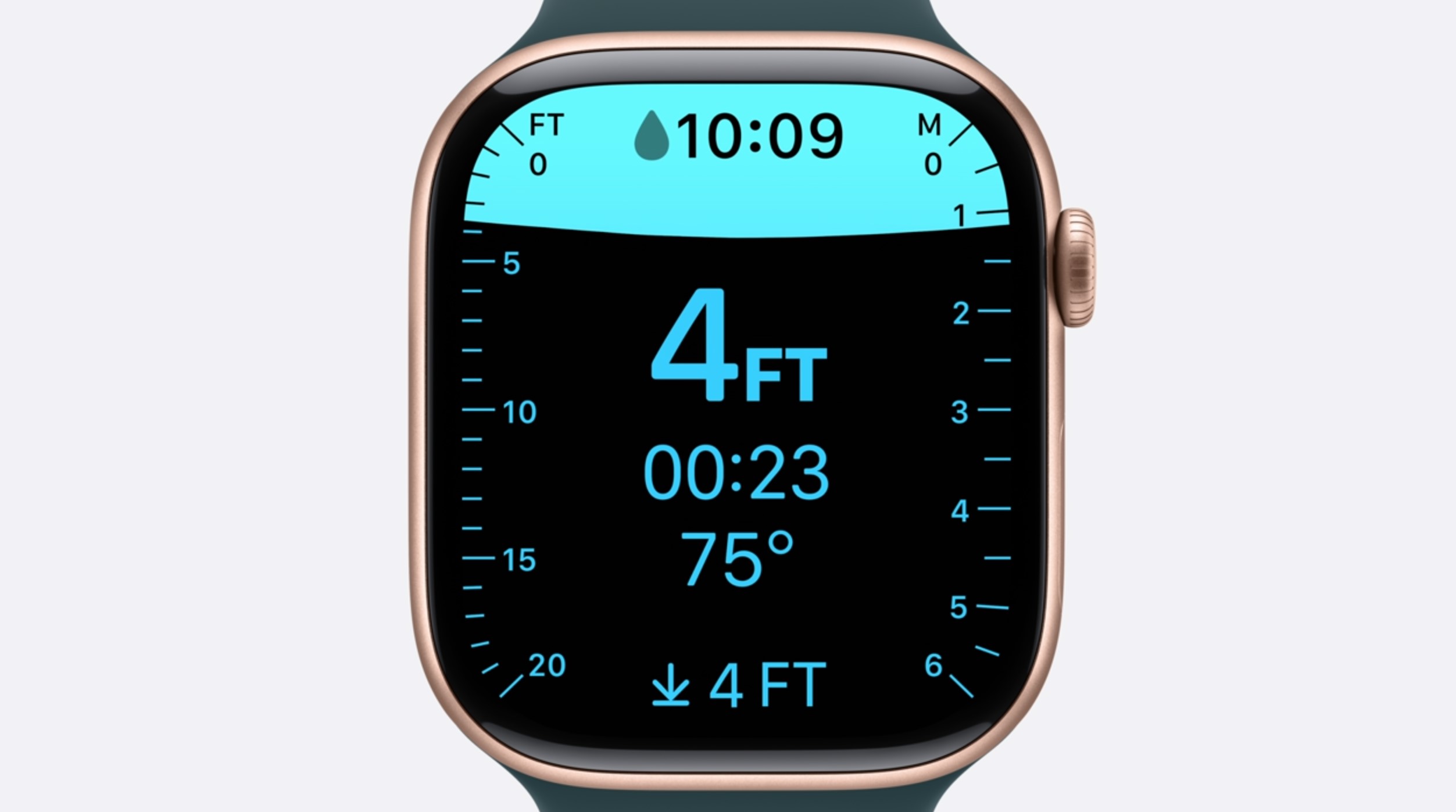
The watch also includes sensors for measuring depth and water temperature, making it ideal for swimmers and divers. You can check both depth and temperature with ease, and the Apple Tides app is included for beachgoers and surfers.
The Apple Watch Series 10 is also equipped with the new Vitals app, which enhances the existing Health app by providing features like monitoring your training load—helping you gauge if you’re overtraining or ready to push harder—along with options for rest days without affecting your activity streak.
As we celebrate a decade of innovation, the Series 10 stands out as a remarkable addition to the Apple Watch family. With its combination of sleek design, advanced technology, and health features, it promises to be an exceptional device. Stay tuned for further insights as we continue exploring all that this new smartwatch has to offer.
The most anticipated Apple event of the year has finally taken place, showcasing the standout features of the iPhone 16 Pro and its larger counterpart, the Pro Max. True to tradition, the overall design remains largely unchanged, and we see the return of familiar colors.Last year’s iPhone 15 Pro and Pro Max were highly regarded as top-tier smartphones. How do the new models compare? Are they enticing enough for an upgrade? Let’s dive in.
iPhone 16 Pro: Price and Release Details
Apple
The starting price for the iPhone 16 Pro is set at $999 for the model with 128GB of storage. Options for 256GB, 512GB, and 1TB are also available. In the U.S., the iPhone 16 Pro Max begins at $1,199, with storage options starting at 256GB and extending to 1TB.
Preorders for the iPhone 16 Pro lineup open on September 13, with sales starting on September 20. The new Qi2 MagSafe charger boasts an output of 25W and is priced at $39 in the U.S.
iPhone 16 Pro: Specifications
iPhone 16 Pro
iPhone 16 Pro Max
Dimensions
149.6 x 71.5 x 8.25 mm (5.89 x 2.81 x 0.32 inches)
163 x 77.6 x 8.25 mm (6.42 x 3.06 x 0.32 inches)
Weight
7.03 ounces (199 grams)
7.99 ounces (227 grams)
Display
6.3-inch Super Retina XDR OLED
2622 x 1206 pixels
460 ppi pixel density
120Hz refresh rate
2,000,000:1 contrast ratio
1000 nits max brightness (typical); 1600 nits peak brightness (HDR); 2000 nits (outdoor)
Ceramic Shield front
6.9-inch Super Retina XDR OLED
2868 x 1320 pixels
460 ppi pixel density
120Hz refresh rate
2,000,000:1 contrast ratio
1000 nits max brightness (typical); 1600 nits peak brightness (HDR); 2000 nits (outdoor)
Ceramic Shield front
Durability
IP68
(maximum depth of 6 meters up to 30 minutes)
IP68
(maximum depth of 6 meters up to 30 minutes)
Colors
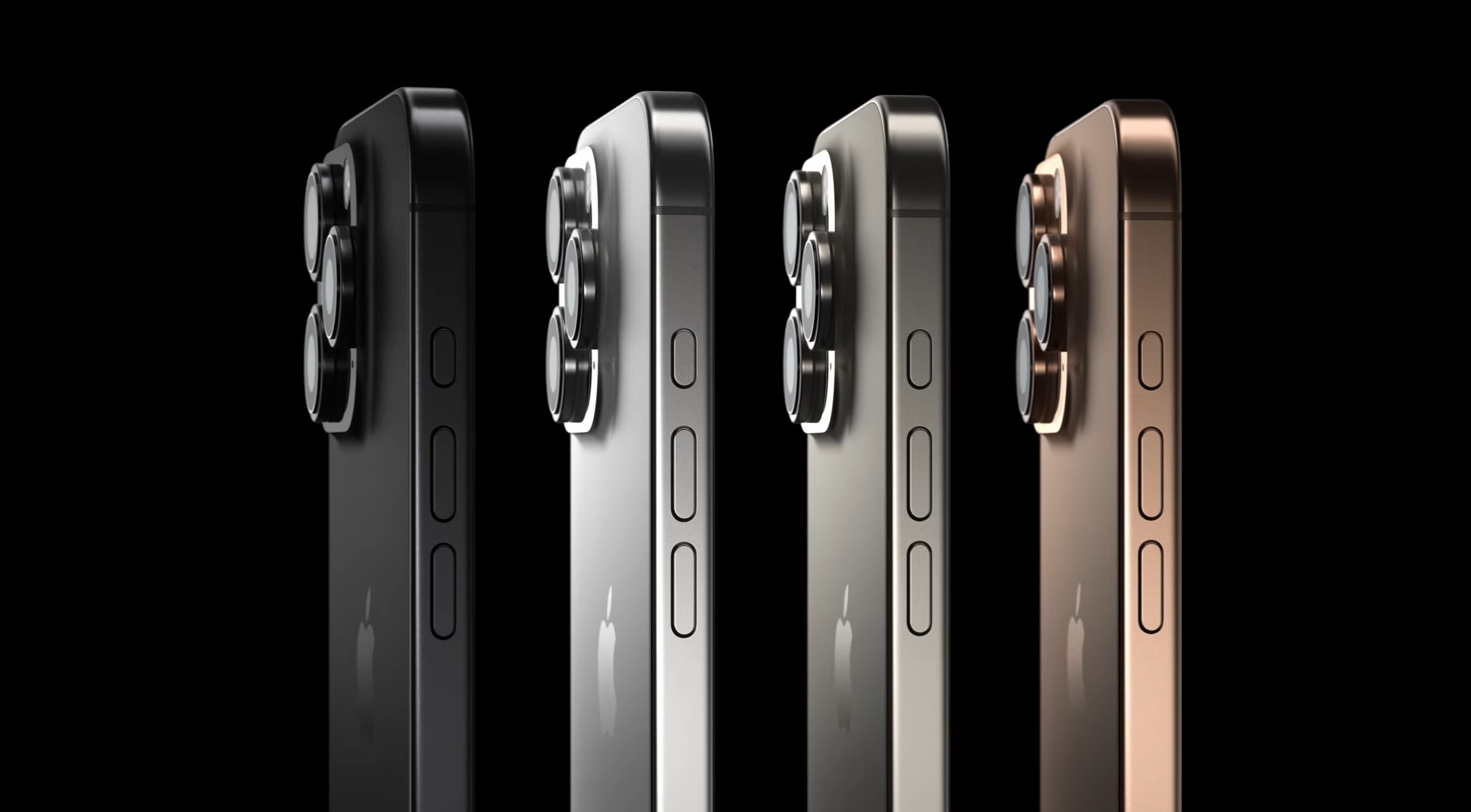
Black Titanium, White Titanium, Natural Titanium, Desert Titanium
Black Titanium, White Titanium, Natural Titanium, Desert Titanium
Anti-reflective lens coating
4K Dolby Vision video recording at various frame rates
1080p Dolby Vision recording at multiple frame rates
Wind noise reduction
Anti-reflective lens coating
4K Dolby Vision video recording at various frame rates
1080p Dolby Vision recording at multiple frame rates
Wind noise reduction
Battery
Up to 27 hours of video playback
Up to 33 hours of video playback
Charging
Up to 50% charge in 30 minutes with a 20W adapter
30W with MagSafe Charger
Up to 50% charge in 35 minutes with a 20W adapter
30W with MagSafe Charger
Connectivity
5G, Wi-Fi 7, Bluetooth 5.3, VoLTE, NFC
5G, Wi-Fi 7, Bluetooth 5.3, VoLTE, NFC
Price
$999
$1,199
iPhone 16 Pro: Hands-On Experience
Joe Maring / Digital Trends
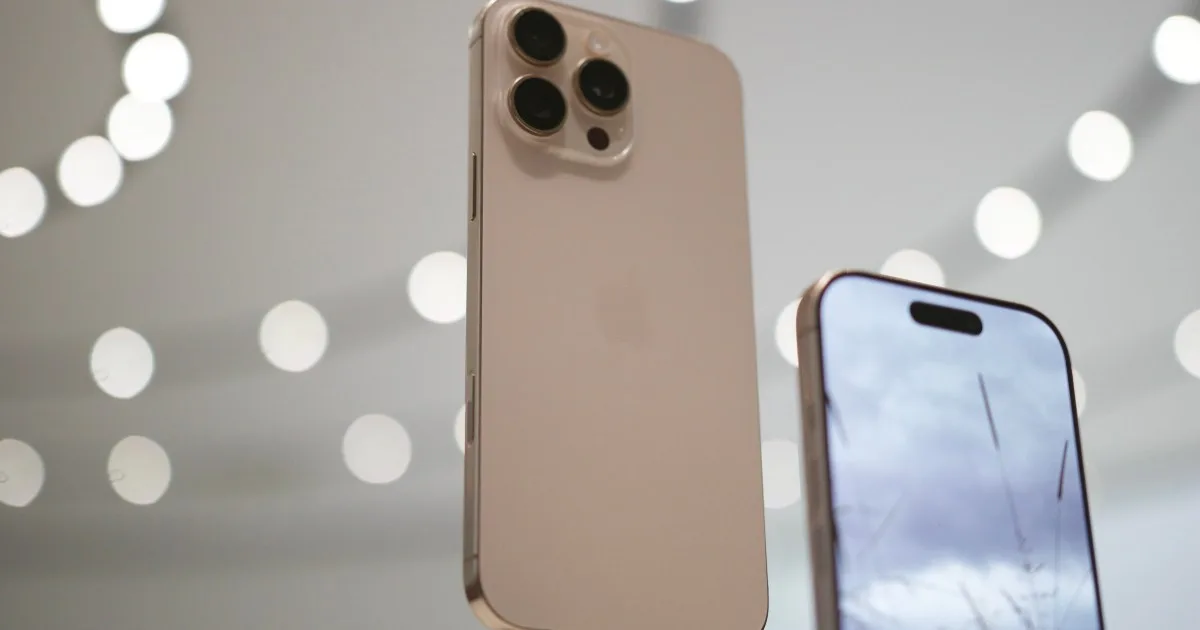
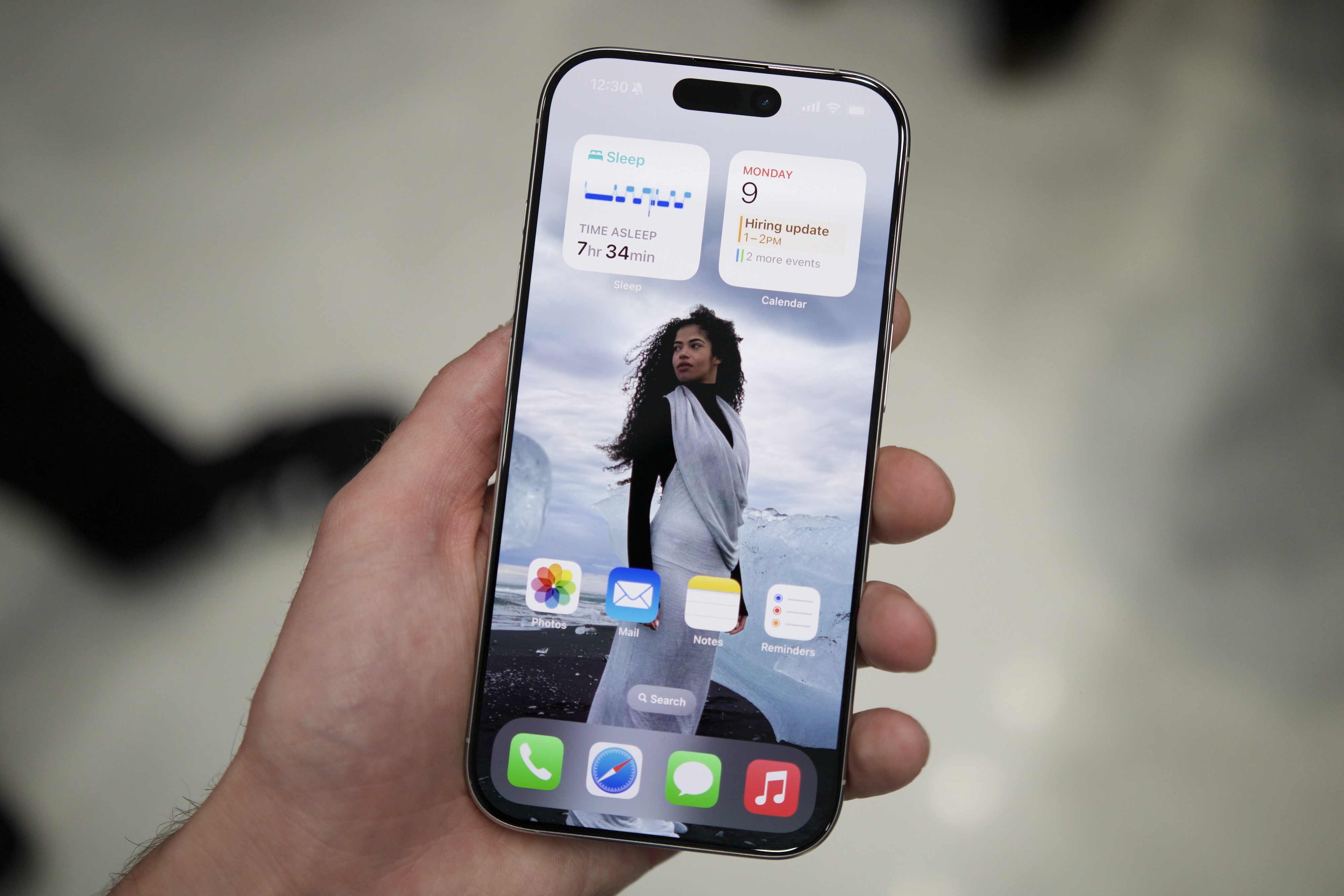
While it’s easy to talk about specifications and features of new devices, experiencing the iPhone 16 Pro firsthand offers a completely different perspective. We briefly engaged with the device, testing out the innovative Camera Control button, examining its upgraded display, and checking out the striking Desert Titanium color variant.
iPhone 16 Pro: Design and Display
Apple
The iPhone 16 Pro features Grade 5 Titanium with a sandblasted finish, signaling a significant upgrade in durability. Apple has also claimed that their latest screen protection surpasses the original Ceramic Shield technology.
The standout feature of this model is undoubtedly the new Camera Control button. This innovative addition allows users to customize their camera settings for quicker access, supporting both tap and slide inputs through a capacitive surface complemented by a taptic engine that provides feedback.
Besides simply capturing photos, the button enables quick adjustments directly in the camera viewfinder for parameters such as exposure, zoom, and depth of field. Apple plans to roll out two-stage shutter functionality in an upcoming update, which will assist with locking focus and exposure.
Apple
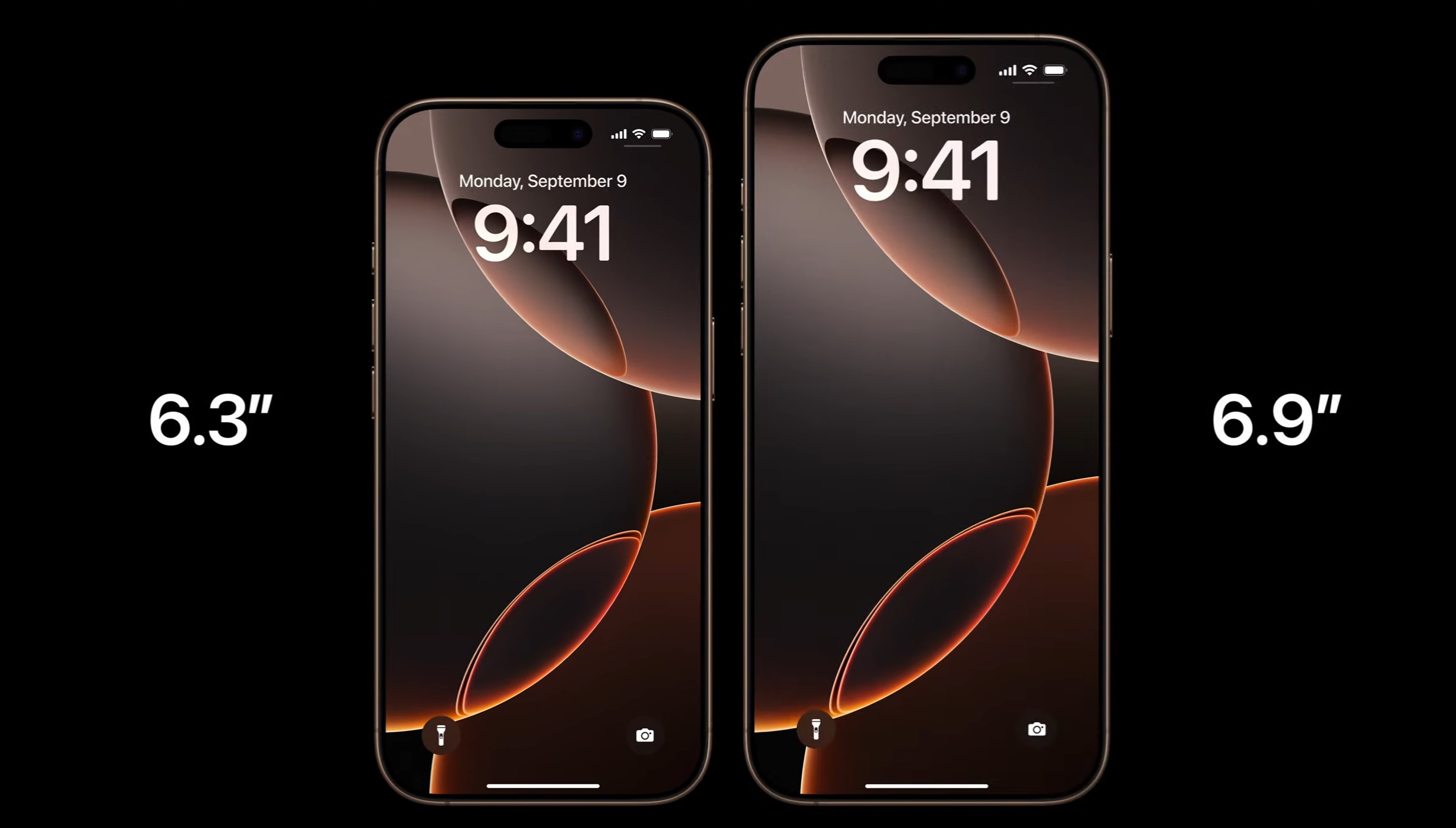
Apple has also slightly increased the screen sizes with the iPhone 16 Pro sporting a 6.3-inch display and the Pro Max featuring a 6.9-inch one. The pixel density of 460ppi remains unchanged compared to previous models, while the resolution has seen a modest enhancement.
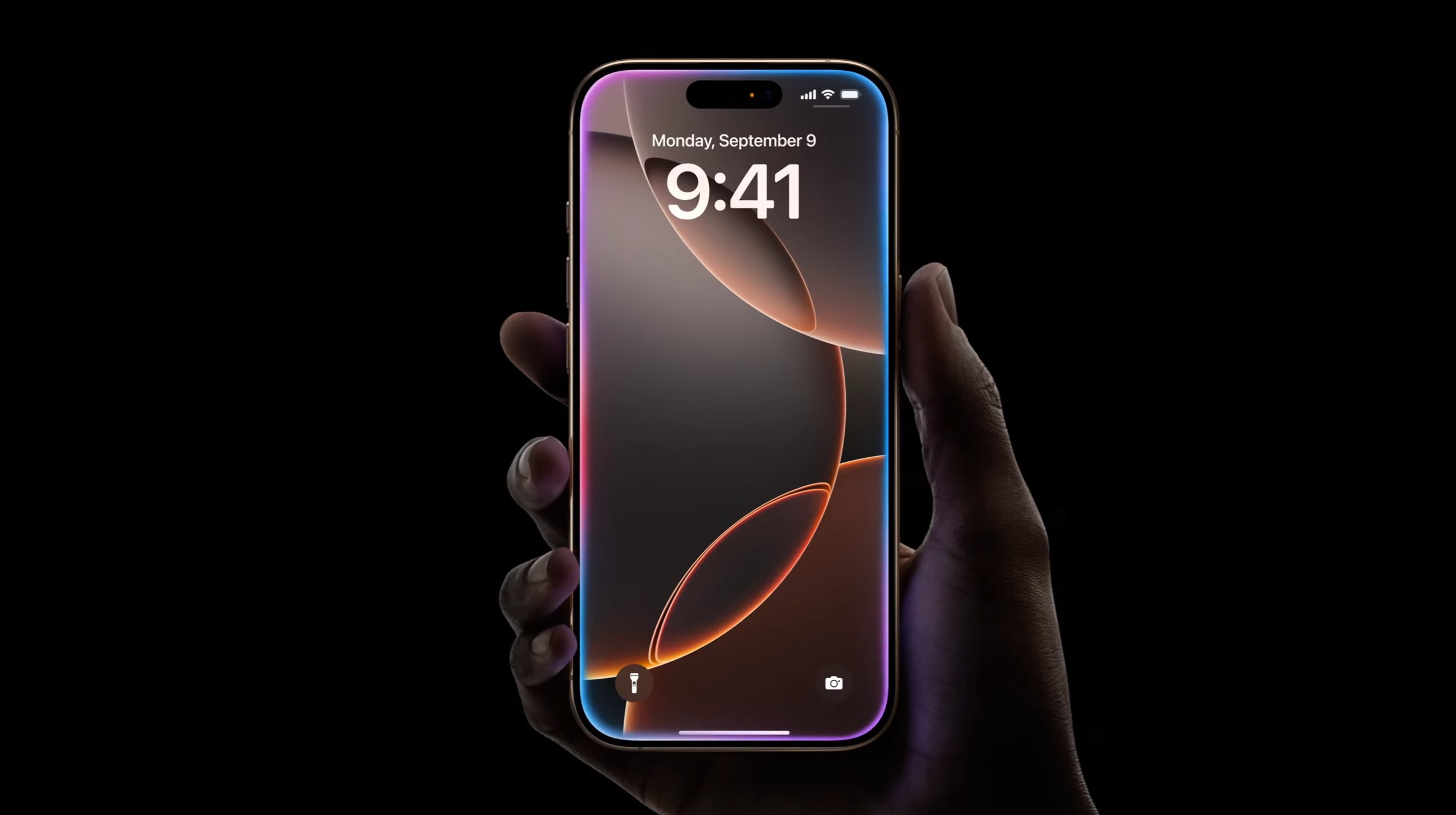
Both models come equipped with a Super Retina XDR OLED display that supports a peak refresh rate of 120Hz and a maximum brightness of 2,000 nits. Interestingly, the iPhone 16 Pro’s display can go as dim as one nit when needed. The device maintains an IP68 rating for water and dust resistance, allowing for immersion for up to 30 minutes at a depth of six meters.
iPhone 16 Pro: Internal Hardware and Software
Joe Maring / Digital Trends
Apple claims the new iPhones have been engineered to maximize the benefits of Apple Intelligence, a suite of generative AI functionalities that enhance various features, including more intuitive interactions with Siri.
At the heart of the iPhone 16 Pro is the new A18 Pro processor, utilizing an advanced 3-nanometer process technology. This innovation incorporates advancements from Apple’s silicon used in their Mac range to dramatically enhance graphics performance, delivering significant boosts in both speed and efficiency.
Apple
This chip offers a 20% increase in system memory bandwidth, doubles the performance of hardware-accelerated ray tracing, and improves sustained performance by up to 20%. The architecture includes two high-performance cores and four energy-efficient cores, providing a 15% advantage over the A17 Pro in terms of CPU performance, and a 20% improvement in graphics capabilities.
A standout upgrade is the Visual Intelligence features that complement the Camera Control button. This enhancement operates similarly to Google Lens but is supported by Siri’s AI capabilities and can integrate with ChatGPT for complex queries. Visual Intelligence provides rich, context-based information, enhancing user experience in conjunction with standard apps like the calendar.
Apple has also ramped up charging speeds to 25W with a MagSafe wireless adapter, and claims these new Pro models offer the best battery life in iPhone history. The devices launch with iOS 18, showcasing the capabilities of Apple Intelligence at its core.
iPhone 16 Pro: Cameras and Features
Apple
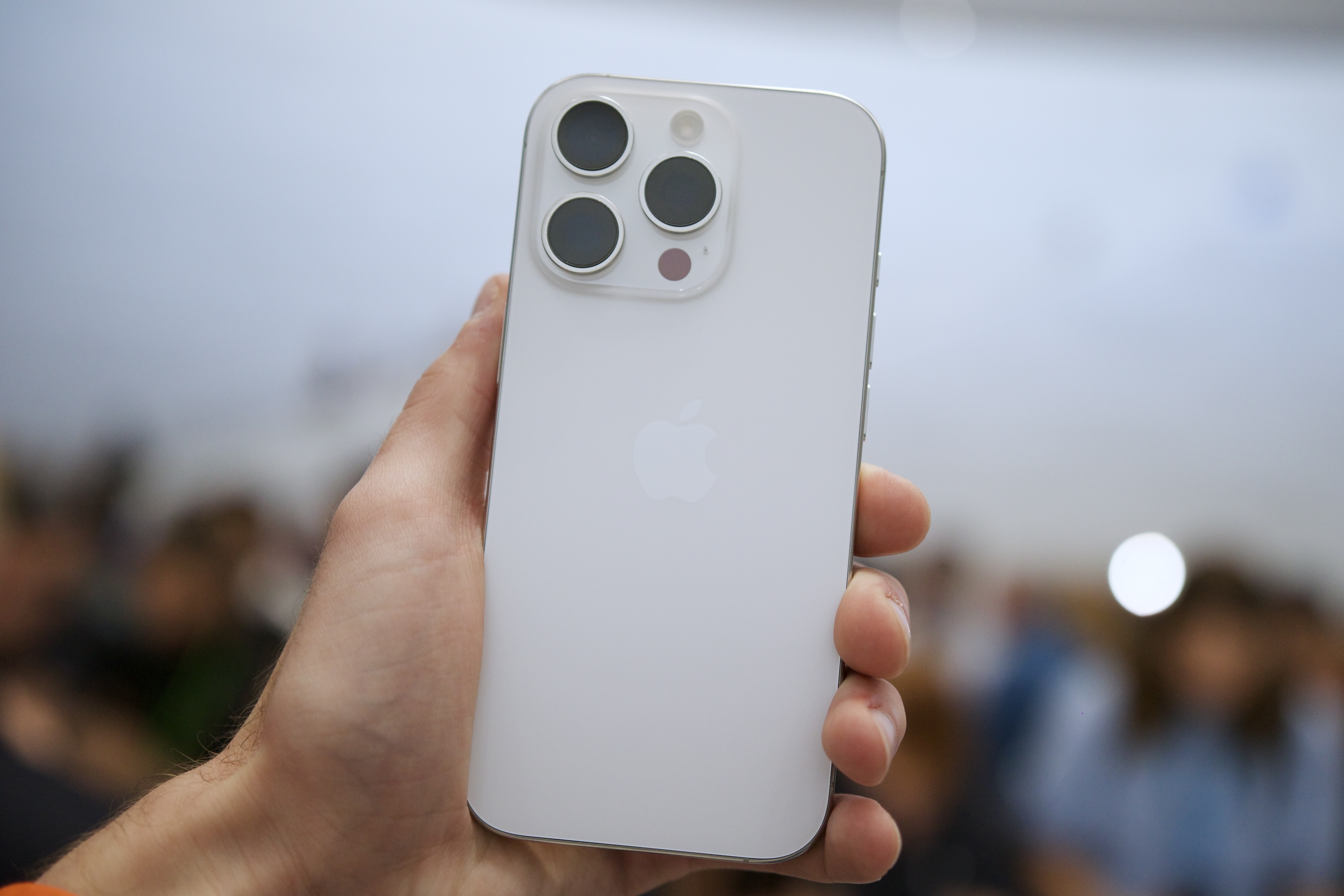
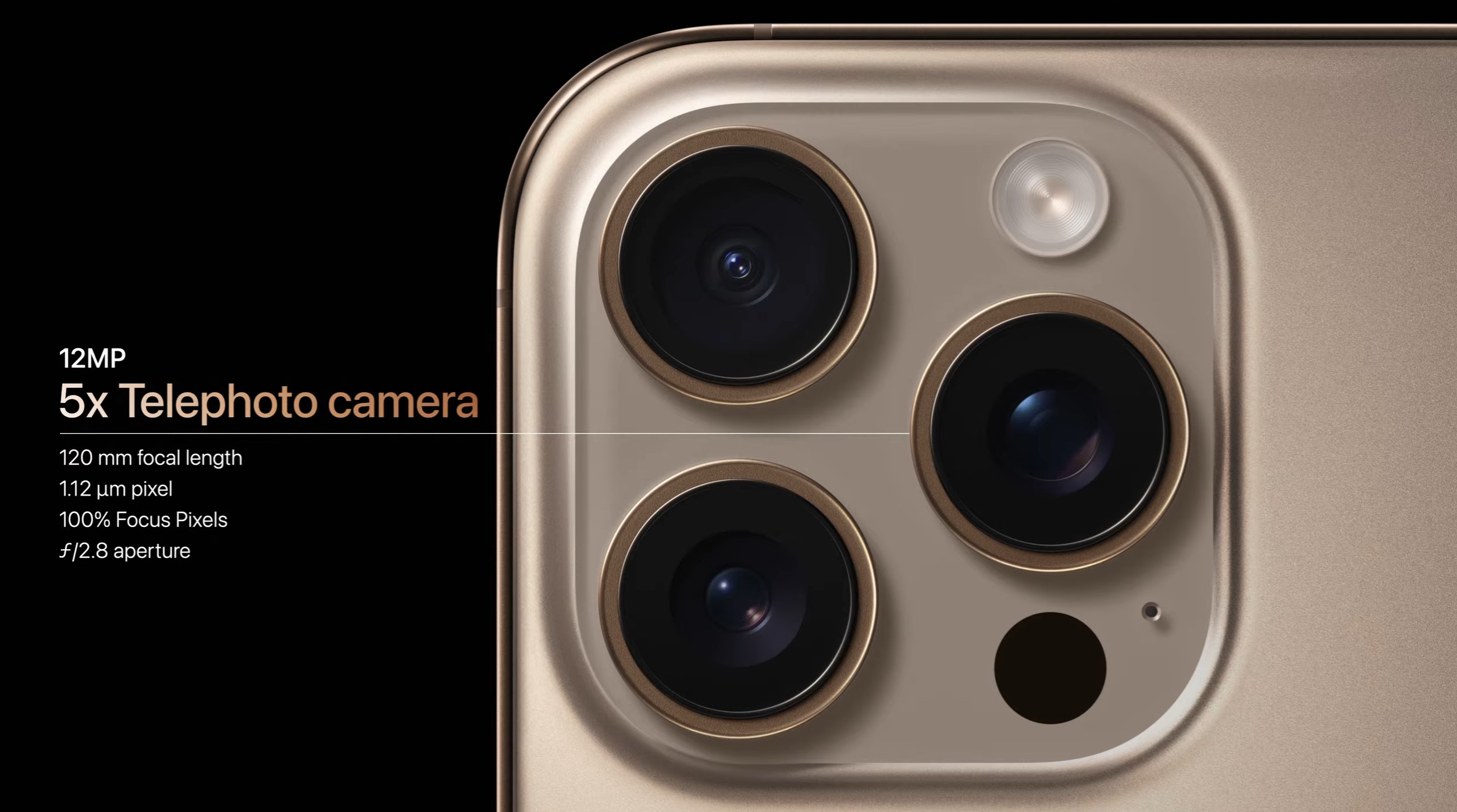
The iPhone 16 Pro retains its impressive 48-megapixel main camera but upgrades the ultrawide lens to a 48MP sensor, while still featuring a 12MP telephoto camera. The introduction of 5x optical zoom through a tetra prism lens elevates the photography experience on both the iPhone 16 Pro and Max models.
Among its many capabilities, the device excels in recording 4K Dolby Vision videos at 120fps, supporting ProRes and LOG capture directly onto external drives. This functionality allows users to dive into professional-level color grading for individual frames recorded at high frame rates, providing a unique cinematic experience.
The ultrawide camera is also capable of capturing 48MP ProRAW images, while Siri’s integration with Apple Intelligence will assist in editing and enhancing both images and videos. The device presents various new Photographic Styles and introduces a control pad for precise adjustments to tone and color intensity for customized photo moods.
Joe Maring / Digital Trends
Apple is leveraging its high-quality microphones to support vloggers and content creators. A new feature called Audio Mix enables users to modify audio tracks during post-production, mimicking the capabilities of Cinematic Mode but focusing on sound adjustments. This feature can isolate and enhance vocals or merge ambient sound for richer audio experiences, incorporating wind noise reduction for outdoor recording.
Tonight marks a significant milestone in space exploration with the launch of the historic Polaris Dawn mission by SpaceX. This mission will feature the first-ever commercial spacewalk and is set to take off from Launch Complex 39A at NASA’s Kennedy Space Center in Florida. A crew of four private astronauts, including three who are venturing into space for the first time, will embark on a journey to the highest altitude achieved by a SpaceX Crew Dragon spacecraft and will conduct various experiments focused on human health in the extraterrestrial environment.
After facing multiple delays due to factors such as adverse weather conditions and the FAA temporarily grounding the Falcon 9 rocket following a booster landing failure, the mission is finally cleared for takeoff. Launch is planned for 3:38 a.m. ET on September 10, with additional opportunities available at 5:23 a.m. ET and 7:09 a.m. ET, as well as more options on Wednesday if needed.
As SpaceX outlines, “Throughout their multi-day journey into orbit, the Dragon spacecraft and astronauts will strive to attain the highest Earth orbit flown since Apollo and will execute the inaugural extravehicular activity (EVA) conducted by commercial astronauts dressed in SpaceX-designed EVA suits.” The team is also set to carry out 36 research studies from 31 partner organizations intended to enhance our understanding of human health both on Earth and during extended space missions, including testing Starlink’s laser-based communications in space.
This mission is particularly notable as it will take the Crew Dragon to the farthest point from Earth it has ever reached. Polaris Dawn is designed to last five days, during which the astronauts will remain in orbit, never docking with the International Space Station (ISS). Instead, they will orbit at altitudes of up to 870 miles, which is three times higher than the ISS, allowing them to investigate radiation levels encountered at these heights. The planned spacewalk will take place at 435 miles above Earth, with the crew equipped with radiation monitoring devices and testing a new SpaceX spacesuit.
How to Watch the Polaris Dawn Launch
SpaceX will be providing live coverage of the launch, starting just after midnight ET (9 p.m. PT) ahead of the scheduled 3:38 a.m. ET (12:38 a.m. PT) launch time.