British English vs. American English: What’s Taught in Schools?
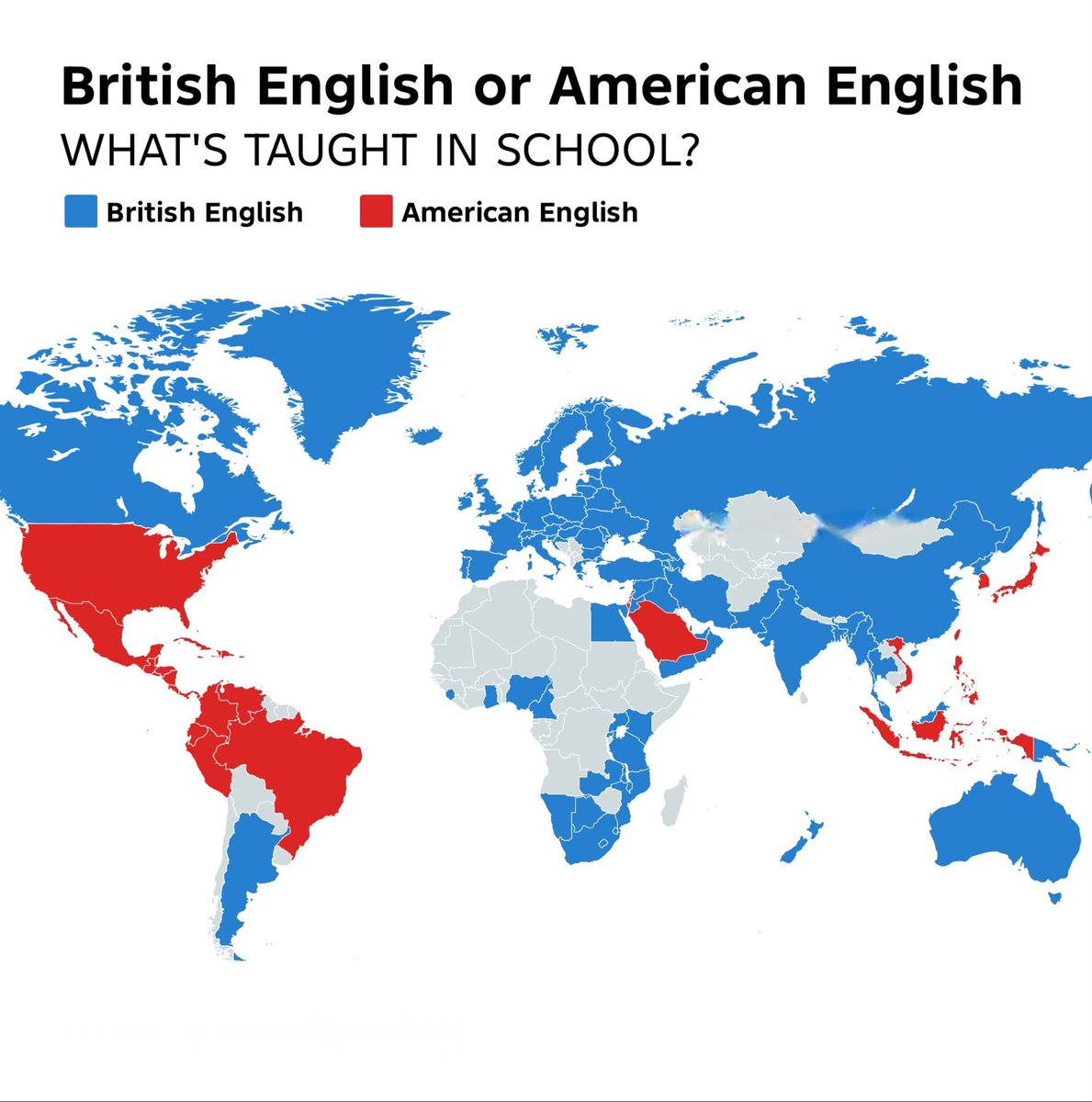
1. Emphasis on Regional Vocabulary Differences
In today’s educational landscape, one of the most noticeable distinctions between British and American English in schools revolves around vocabulary. Students are taught specific words that differ based on the regional dialects. For example, the British students learn words like “boot” for the car’s trunk and “biscuit” for what Americans would call “cookie”. Conversely, American students focus on terms like “elevator” instead of the British “lift”, and “apartment” in place of “flat.” These vocabulary differences often form a fundamental part of language classes, helping students grasp regional nuances.
2. Variations in Spelling and Grammar Rules
Spelling and grammar are major focal points in school curriculums when distinguishing between the two varieties of English. British English schools typically teach spellings like “centre,” “organise,” and “colour,” whereas American English schools emphasize “center,” “organize,” and “color.”
Grammar differences also feature prominently—British English often uses “shall” for formal declarations, while American English prefers “will.” Additionally, collective nouns are treated differently; in British English, “the team are winning,” whereas, in American English, it’s usually “the team is winning.” This understanding is crucial for students who aspire to work in international environments.
3. Pronunciation and Phonetics in Schools
Pronunciation lessons are tailored to teach students the distinct sounds of British and American accents. For instance, British English students learn the pronounced “r” in words like “car,” whereas American students are often taught the “r-less” pronunciation in non-rhotic accents. Teachers also highlight differences in vowel sounds, such as the “a” in “dance” or “path,” emphasized differently in each country. These phonetic distinctions are integral to understanding spoken language in different contexts.
4. Educational Content and Literature Choices
Curriculums in schools also differ when it comes to literature. In the UK, students often study authors like William Shakespeare and Jane Austen, reflecting the rich literary history of Britain. Meanwhile, American schools focus on authors such as Mark Twain, Edgar Allan Poe, and modern writers like Stephen King. These choices shape students’ understanding of national history and culture through literature, fostering a sense of identity connected to each country’s literary heritage.
5. Focus on Cultural Context and Usage
Cultural variations are woven into language lessons to provide students with a comprehensive understanding of context. For example, British schools might teach expressions such as “It’s raining cats and dogs” or “That’s a piece of cake” with explanations rooted in British customs. American classes often include idioms like “hit the books” or “break a leg,” which reflect American colloquial language. These lessons aim to equip students with practical, real-world language skills for everyday conversations.
6. Technology and Digital Language Education
The growing influence of technology has introduced new vocabulary in both curriculums by 2025. British schools may teach terms such as “broadband” and “lorry,” while American schools emphasize “cell phone” and “truck.” Digital literacy lessons include understanding regional slang and abbreviations used in social media, ensuring students are prepared to navigate multilingual and multicultural digital environments.
7. Cross-Cultural Language Courses and Exchanges
In 2025, many schools accentuate cross-cultural understanding through exchange programs and language courses. British students might participate in exchange programs with American schools to immerse themselves in American English nuances, and vice versa. These experiences deepen students’ appreciation for linguistic diversity, promoting global communication skills from an early age.
8. Impact of Globalization on Language Curriculum
As the world becomes increasingly interconnected, curriculums in both British and American schools are converging, integrating elements from each other’s language and culture. Students are now taught to recognize and adapt to both styles, preparing them for a globalized workforce. This includes learning about idiomatic expressions, slang, and terminologies that are prevalent across the Atlantic.
By 2025, the educational approaches toward teaching British and American English continue to evolve, incorporating cultural, technological, and global influences. Whether students learn the nuances of regional vocabulary, pronunciation, or literature, these distinctions play a vital role in developing well-rounded language skills suited for the diverse linguistic landscape of the modern world.