The Leading Countries of World War I: A Detailed Breakdown of Their Contributions
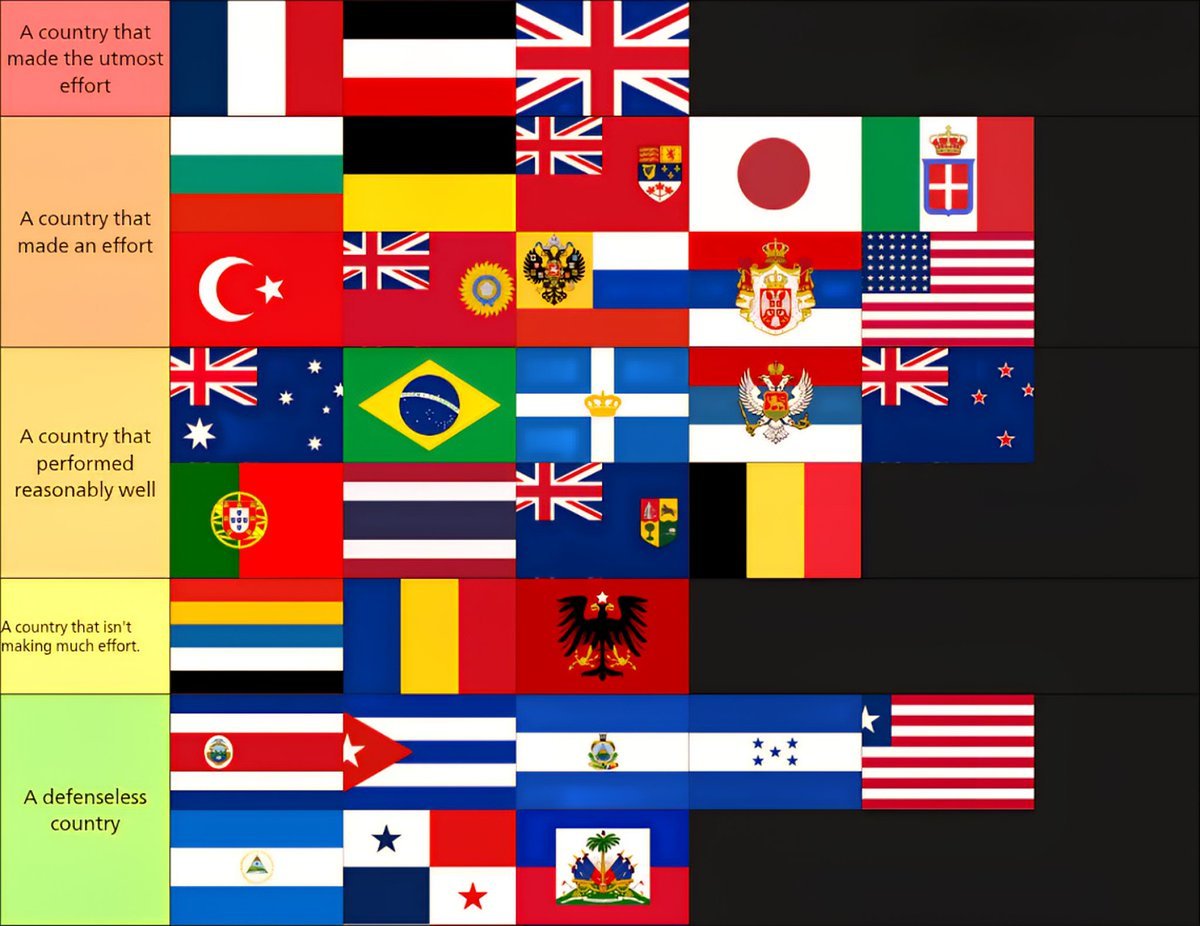
The Great War, commonly known as World War I, transformed the geopolitical landscape of the early 20th century. Nations from across the globe contributed in vastly different ways—militarily, economically, and logistically. As historians continue to analyze the varied efforts of the participating countries, a clearer picture emerges of which nations played leading roles and how their contributions influenced the war’s outcome. Here’s a detailed look at the countries that distinguished themselves during WWI in terms of effort and sacrifice.
1. The United Kingdom: The Global Powerhouse in War Effort
The United Kingdom’s contribution to WWI was unparalleled in scope and scale. As the leader of the Allied Powers, Britain mobilized over 8 million troops across the Western Front and beyond. The British Empire’s vast colonial territories provided critical manpower, resources, and logistical support.
Britain’s naval dominance was pivotal in maintaining blockades and controlling sea routes that kept supplies flowing to the Allies. Manufacturing sectors boomed, producing vast quantities of weapons, ships, and military equipment, while civilian industries doubled their efforts. The immense scale of Britain’s mobilization, combined with its colonial reinforcements, positioned it as a central figure in the Allied victory.
2. France: Defending the Homeland and Mobilizing Resilience
France endured some of the most brutal fighting during WWI, especially along the Western Front. The country mobilized approximately 8.4 million soldiers and faced devastating battles such as Verdun and the Somme. Its citizens showed extraordinary resilience in the face of relentless German assaults.
Economic efforts included wartime manufacturing, food rationing, and extensive recruitment drives. French military and civilian industries worked tirelessly to sustain the war effort. Their defense at key battles significantly slowed German advances and demonstrated unwavering national resolve.
3. The Russian Empire: The Largest Army at the Outset
Russia initially fielded over 12 million troops, making it the largest army of the conflict. Its vast territory and manpower resource were critical to the Allied effort, although logistics and internal political upheaval limited its effectiveness as the war progressed.
Russia’s participation helped divert German forces from the Western Front but suffered from shortages, poor coordination, and eventual internal revolution. The 1917 Bolshevik Revolution shifted the focus to internal political struggles, culminating in Russia’s withdrawal through the Treaty of Brest-Litovsk in 1918, costing the Allies significant resources and strategic advantage.
4. The United States: The Game Changer
Although the US entered WWI relatively late in 1917, its impact was profound. Mobilizing over 4 million troops, the United States provided fresh manpower, logistical support, and industrial capacity that proved decisive in the war’s latter stages.
American factories ramped up wartime production, creating weapons, vehicles, and supplies at an unprecedented rate. The influx of American troops bolstered weary Allied forces, tipped the balance at critical battles, and helped accelerate Germany’s retreat. U.S. economic support also strained German resources and morale.
5. Italy: Joining the Fray and Turning the Tide
Italy entered the war in 1915 on the side of the Allies, providing approximately 4 million soldiers to the front lines. Its harsh mountainous terrain led to intense trench warfare and frequent battles, such as the Battle of Isonzo.
Italy’s military efforts helped open new fronts, divert German and Austrian forces, and contributed significantly to the overall Allied strategy. Despite facing setbacks and high casualties, Italy’s participation kept the Central Powers under pressure in the southern theater.
6. Canada and the Commonwealth Nations: Rising to Prominence
While not a major power initially, countries like Canada, Australia, and New Zealand quickly made their mark. Canadian troops, especially in battles like Vimy Ridge, showcased their fighting prowess and played decisive roles on the Western Front.
These nations also expanded militarily, produced war supplies, and supported logistical efforts. Their sacrifices fostered national identities and significantly contributed to Allied victory.
7. Germany: The Central Power’s Military Might
Germany’s military effort was formidable. It launched key offensives such as the Spring Offensive of 1918 and mobilized millions. The industrial capacity of Germany allowed it to produce advanced weapons and maintain persistent offensives.
However, the prolonged war drained resources and morale, especially with the Allied naval blockade starving Germany of critical supplies. Despite early successes, internal dissent and exhaustion contributed to Germany’s eventual defeat.
8. Other Notables: Japan, Austria-Hungary, and Ottoman Empire
- Japan expanded its navy and seized German territories in Asia, contributing to the Allied efforts in the Pacific and Atlantic.
- Austria-Hungary fought on multiple fronts but faced internal dissent and civil unrest, which weakened its contributions.
- Ottoman Empire entered the war with the Central Powers, engaging in key battles such as Gallipoli and campaigns in the Middle East, but ultimately succumbed to Allied forces.
The efforts of these countries during WWI shaped the course of the conflict and had lasting effects on their respective nations and the world. While the United Kingdom and France bore much of the initial burden, later contributions from the United States and other nations proved crucial in securing victory. Their varied efforts highlight how global the conflict truly was and the sacrifices made by nations across the world.
This detailed ranking underscores the immense scale and complexity of WWI efforts—each nation’s contribution, whether in manpower, resources, or strategic victories, played a part in shaping modern history.