Why Different Cultures Have Unique Ways of Typing Laughter in Text
The Diverse Expressions of Laughter Across the Globe
From the classic “LOL” to other inventive expressions, the way people convey laughter in text varies widely depending on cultural norms and digital communication habits. In 2025, these variations are more pronounced than ever, reflecting regional, linguistic, and social distinctions.
1. “LOL” and Its Global Impact
The acronym “LOL” (Laugh Out Loud) still dominates online communication worldwide, especially among millennials and Gen Z. Originating in early internet chat rooms, this abbreviation has become a universal icon of amusement. However, its usage varies—some cultures overuse “LOL,” while others reserve it for truly funny moments.
2. The Rise of Language-Specific Laughter Expressions
Many countries prefer their linguistic expressions of laughter:
- Japan: “www” (from “warai,” meaning laughter) is often used, with repeated characters like “wwww” to denote a hearty laugh.
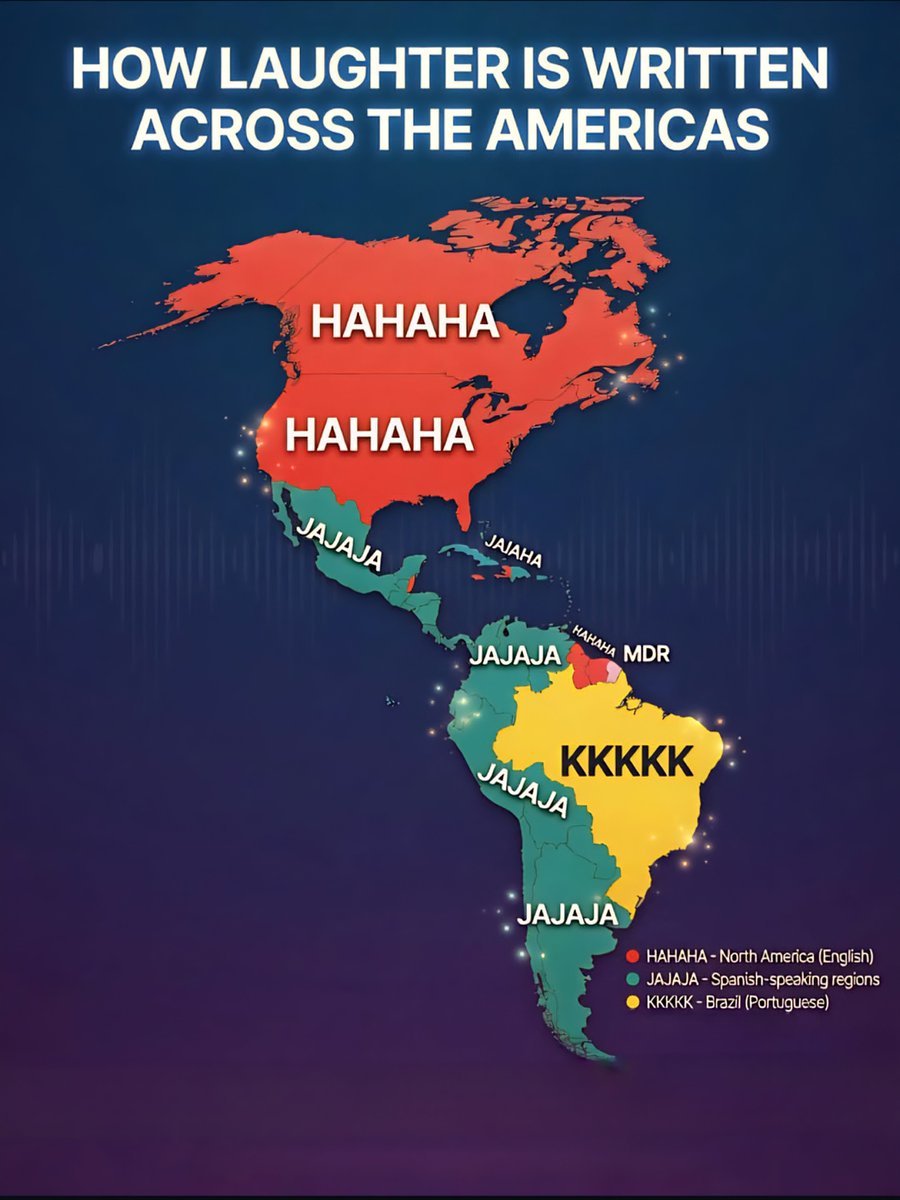
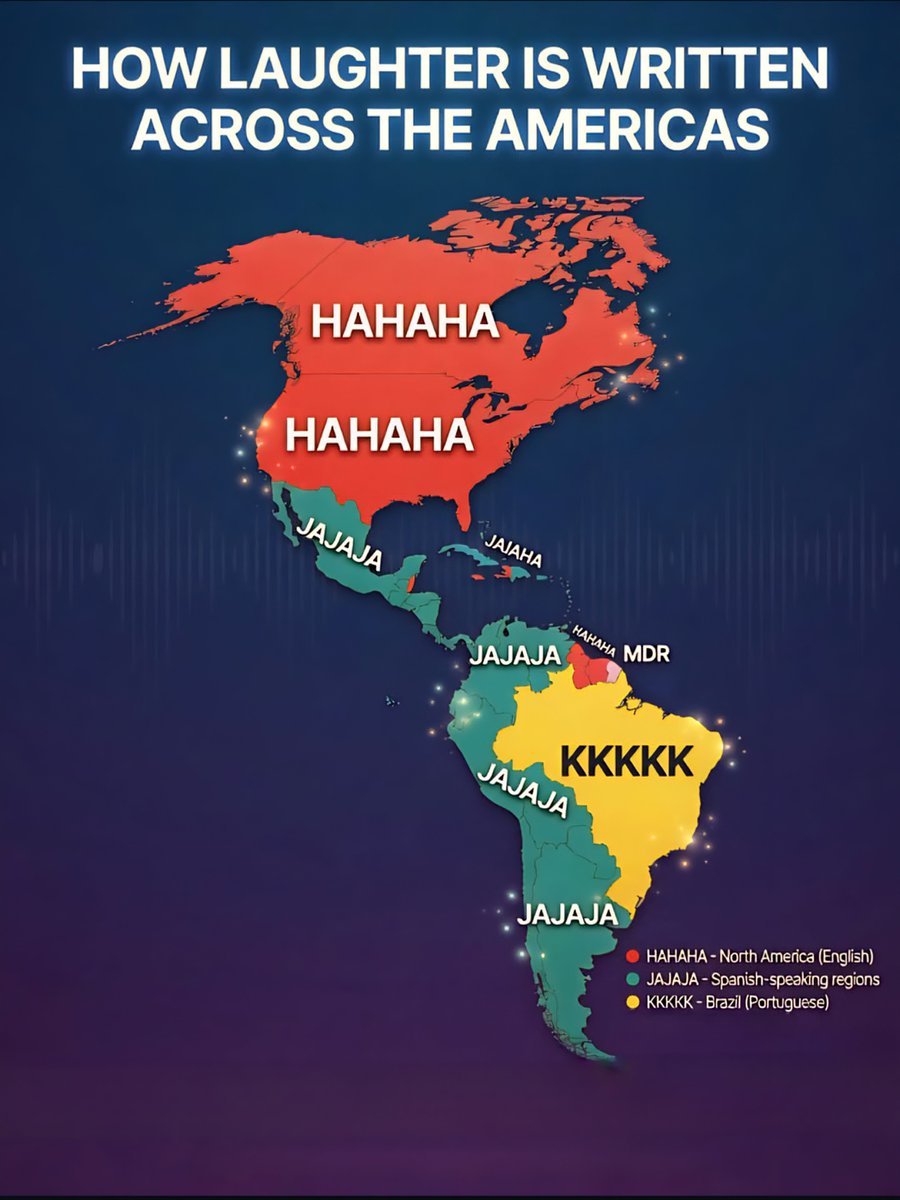
- France: “MDR” (Mort De Rire – dying of laughter) is widely used in text messages.
- Germany: “LOL” is common, but some also use “Haha” in various spellings.
- Brazil: “Kkk” (pronounced as “kaká”) is a popular way to indicate laughter, stemming from the word “kakaka.”
- Russia: “Хаха” (pronounced “kha-kha”) is a common textual expression of amusement.
3. Emojis and Reactions: The Visual Laughter Express
In recent years, emojis have revolutionized how laughter is expressed visually. The “face with tears of joy” 😂 emoji remains the most used worldwide, but regional variations also exist:
- In Japan, the “smiling face with open mouth” 😃 is often paired with laughter expressions.
- In South Korea, custom stickers and emoticons like “ㅋㅋㅋ” (the Hangul equivalent of “kekeke”) are prevalent in KakaoTalk chats.
4. Internet Slang and Creative Variations
Young users are increasingly inventing their own laugh expressions, such as:
- “LMAO” (Laughing My **Ass Off)
- “ROFL” (Rolling On the Floor Laughing)
- “L” or “Lmao” combined with emojis to intensify humor.
Some communities have adopted comic-style laughter sounds:
- “Bwahaha!”
- “Heh” or “Hehe”
- “Teehee” for a subtle chuckle.
5. Cultural Contexts and Social Norms
In some cultures, expressing laughter openly via text can be considered informal or even inappropriate in professional settings. Consequently, people may use milder expressions like “haha” or emojis rather than abbreviations.
In contrast, youth tend to push boundaries, using exaggerated spellings like “hahaha,” “hahahaha,” or even stretching vowels: “haaaaha.”
6. The Influence of Memes and Internet Trends
Memes such as Ferdie “Kek” (originating from gaming communities referencing “kek” in World of Warcraft and other games) have further diversified laughter expressions. Moreover, viral TikTok trends have popularized creative text-based laughter, mixing sounds with visual formats.
7. The Future of Typing Laughter
As digital communication evolves with new platforms like augmented reality chat and AI-powered messaging, visual and auditory cues of laughter are expected to become more integrated. Real-time voice effects or AI-generated laughter sounds might soon replace traditional text expressions.
The way people express laughter online continues to reflect cultural nuances, technological advances, and social trends. While “LOL” remains ubiquitous, the rich tapestry of regional expressions and innovations makes digital humor truly global and diverse in 2025.