US Grand Strategy for the Multi-Polar World in 2025
Growing Global Power Dynamics Reshape US Foreign Policy
As international relations evolve into a complex, multi-polar landscape in 2025, the United States is reassessing its grand strategy to maintain influence and stability. Increasing competition from China, Russia, the European Union, and emerging powers has prompted Washington to adapt its approach to diplomacy, security, and economic partnerships. Here’s an in-depth look at the key elements shaping America’s strategic vision in this new global environment.
Strengthening Alliances and Building New Partnerships
In response to the rise of multi-polarity, the U.S. is prioritizing the reinforcement of traditional alliances such as NATO and strengthening ties with key partners in Asia, Africa, and Latin America. Initiatives include increased military cooperation, joint infrastructure projects, and intelligence-sharing agreements. The goal is to create a resilient network of allies capable of counterbalancing China’s Belt and Road Initiative and Russia’s strategic pursuits.
Notably, recent visits by U.S. officials to Southeast Asia and Africa highlight efforts to foster deeper engagement with emerging regional powers, ensuring collective security and economic stability.
Investing in Technological Supremacy and Innovation
Technology remains a central pillar of U.S. strategy, with major investments in artificial intelligence, quantum computing, cyber defenses, and space technology. By leading in these sectors, America aims to sustain its competitive edge and prevent adversaries from gaining asymmetrical advantages.
The U.S. Department of Defense announced a $50 billion budget increase dedicated to innovation labs and research programs in 2025, emphasizing the importance of future technologies in national security and global influence. This technological push also reinforces economic strength, as innovation fuels future export markets.
Expanding Economic Influence and Strategic Autonomy
Recognizing the importance of economic power, the U.S. is expanding efforts to promote fair trade agreements, critical supply chain resilience, and sustainable development initiatives worldwide. The aim is to reduce dependence on rival powers while fostering mutually beneficial economic relationships.
Initiatives like the Indo-Pacific Economic Framework (IPEF) and bilateral trade agreements serve to diversify markets and build economic resilience. Additionally, U.S. agencies are investing in clean energy projects to combat climate change while bolstering economic competitiveness.
Meanwhile, the push for strategic autonomy entails reducing reliance on foreign technology, especially in the semiconductor industry, by incentivizing domestic manufacturing.
Prioritizing Climate Security and Energy Transition
Climate change remains a defining challenge in 2025, compelling the U.S. to integrate climate security into its grand strategy. By leading global efforts to reduce emissions and invest in renewable energy, America aims to position itself as a responsible leader in the shifting geopolitics of energy.
Partnerships with European nations and emerging economies are central to large-scale climate initiatives, including joint investments in green infrastructure and technology sharing. The U.S. also emphasizes the importance of energy independence through domestic clean energy projects and diversification of energy sources.
Maintaining Military Readiness and Strategic Deterrence
The U.S. continues to modernize its armed forces, emphasizing readiness, cyber capabilities, and strategic deterrence. This approach ensures that America can respond swiftly to regional conflicts, cyber attacks, or hybrid warfare tactics employed by rivals.
Recent troop deployments in the Indo-Pacific and increased missile defense systems reflect a commitment to maintaining regional stability and deterring aggression from China and North Korea. At the same time, diplomacy remains a critical component, with efforts to de-escalate tensions and promote peaceful conflict resolution.
Navigating Cybersecurity and Information Warfare
Cybersecurity threats have become more sophisticated, with state-sponsored hacking, misinformation campaigns, and digital espionage prevalent globally. In 2025, the U.S. has dedicated substantial resources to enhance cybersecurity infrastructure and combat information warfare.
A new Cyber Command unit was established, focused solely on defending critical infrastructure and countering foreign digital threats. Public-private partnerships play a vital role in safeguarding electoral processes, financial systems, and communication networks.
Emphasizing Values and Democratic Principles on the World Stage
Despite strategic complexities, the U.S. remains committed to promoting democratic values, human rights, and rule of law globally. This approach involves supporting civil society initiatives, election integrity efforts, and countering authoritarian narratives.
In regions like Latin America and parts of Africa, U.S. aid programs focus on fostering democratic institutions, transparency, and economic development. These efforts aim to counterbalance the influence of authoritarian regimes and uphold the American-led vision for a free and open world.
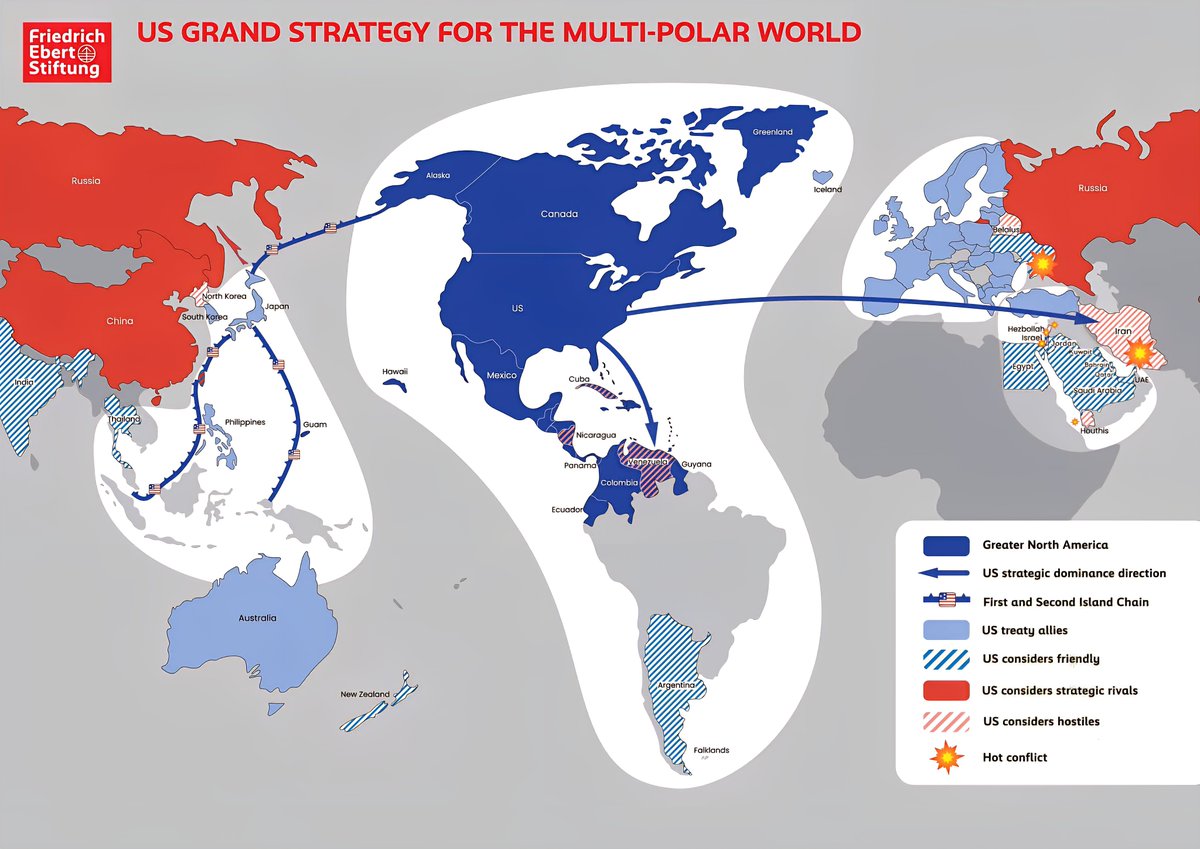
image caption: Diplomatic efforts and military preparedness symbolize America’s strategic navigation in a multi-polar world, as new powers rise and traditional alliances evolve.
Final Thoughts
By evolving its comprehensive strategy, the United States aims to preserve its leadership position in a rapidly transforming global order. Through alliance reinforcement, technological innovation, economic resilience, and a firm commitment to democratic values, America endeavors to shape a stable, secure, and prosperous multi-polar world in 2025 and beyond.