Exploring the Diverse Regions of Asia in 2025
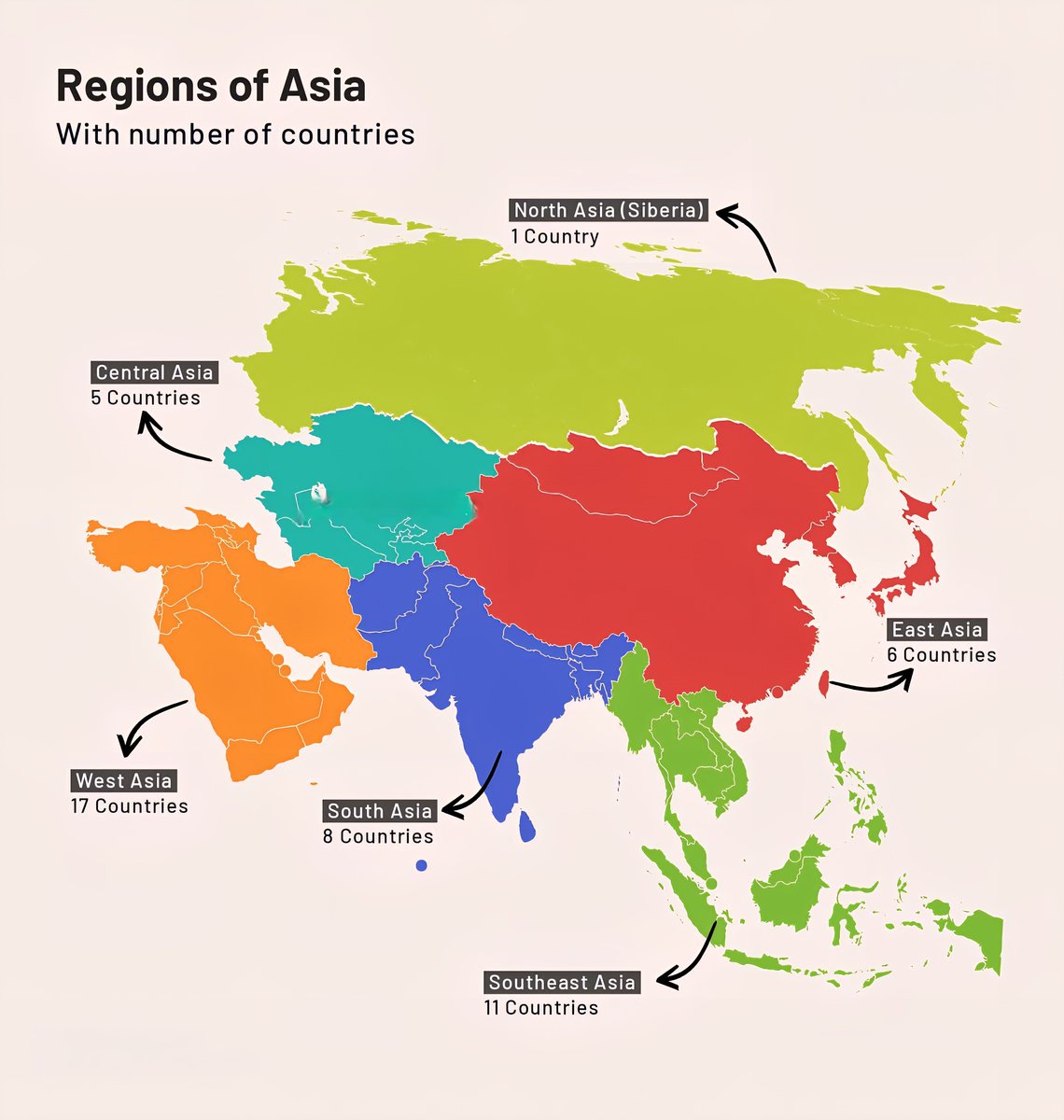
North Asia: The Heart of the Arctic and Siberia
North Asia, primarily composed of the expansive Siberian region of Russia, remains a crucial area in global geopolitics and climate change discussions. Despite its sparse population, North Asia is rich in natural resources such as oil, gas, and minerals. The region’s vast forests also play a vital role in carbon sequestration. With climate change accelerating, regions like Siberia are experiencing unpredictable weather patterns, permafrost melting, and new opportunities for resource development but also increased environmental risks.
Central Asia: The Crossroads of Cultures and Commerce
Home to five diverse countries – Kazakhstan, Kyrgyzstan, Tajikistan, Turkmenistan, and Uzbekistan – Central Asia serves as a bridge between East and West. This region is known for its historical Silk Road cities, which continue to thrive as centers for trade and cultural exchange. Economically, Central Asian nations are increasingly focusing on energy exports, especially natural gas and oil, while also diversifying into sectors like agriculture and tourism. Political dynamics in Central Asia remain complex, with ongoing efforts to balance regional influence from Russia, China, and Western nations.
East Asia: A Hub of Innovation and Tradition
With six significant countries, East Asia remains a powerhouse of technological advancement, economic growth, and cultural influence. China, Japan, South Korea, Taiwan, Hong Kong, and Mongolia all contribute uniquely to the region’s tapestry. China continues to be a global economic leader, investing heavily in infrastructure and technological innovation. Japan and South Korea lead in robotics, electronics, and manufacturing, constantly pushing the boundaries of innovation. Taiwan remains a pivotal player in global semiconductor production, while Hong Kong continues to be a major financial hub.
South Asia: The Rapidly Growing Economic Force
Comprising eight nations – India, Pakistan, Bangladesh, Sri Lanka, Nepal, Bhutan, Maldives, and Afghanistan – South Asia is among the fastest-growing regions globally. India, with its massive population, is becoming an economic powerhouse, leading in IT, pharmaceuticals, and renewable energy. Pakistan continues to develop its industrial sectors, while Bangladesh is recognized for its thriving textile industry. Countries like Sri Lanka and Nepal are expanding their tourism sectors, despite ongoing political and climate-related challenges, whereas the Maldives remains a luxurious destination for travelers.
Southeast Asia: The Vibrant, Diverse Ecosystem
Home to eleven countries, Southeast Asia is renowned for its vibrant cultures, strategic maritime routes, and economic dynamism. Nations like Indonesia, Malaysia, Singapore, Thailand, Vietnam, the Philippines, Myanmar, Cambodia, Laos, Brunei, and Timor-Leste have emerged as key players in regional trade. Indonesia leads in population and natural resources, while Singapore continues to stand out as a global financial hub. The region’s diverse ecosystems are also facing threats from climate change, requiring resilient sustainability efforts across nations.
West Asia: The Geopolitical and Cultural Nexus
With seventeen countries, West Asia, often referred to as the Middle East, is a complex mosaic of nations spanning from Turkey to the Persian Gulf. The region is a major center for energy—the Middle East possesses some of the world’s largest oil and gas reserves. Political tensions and conflicts persist in parts of West Asia, influencing global markets and diplomacy. Countries like Saudi Arabia and the United Arab Emirates are investing heavily in diversifying their economies through renewable energy, tourism, and technological sectors. Iran’s evolving nuclear capabilities and regional alliances continue to shape the geopolitics of West Asia.
Final thoughts
Asia’s diverse regions encapsulate a wide range of politics, cultures, economies, and environmental challenges in 2025. As the continent continues to grow and adapt, understanding these regions’ unique attributes provides insight into the broader global landscape shaping our world today.