Major Insights into the Rise of Irreligiosity Globally in 2025
1. The Global Shift Toward Secularism: A Growing Trend
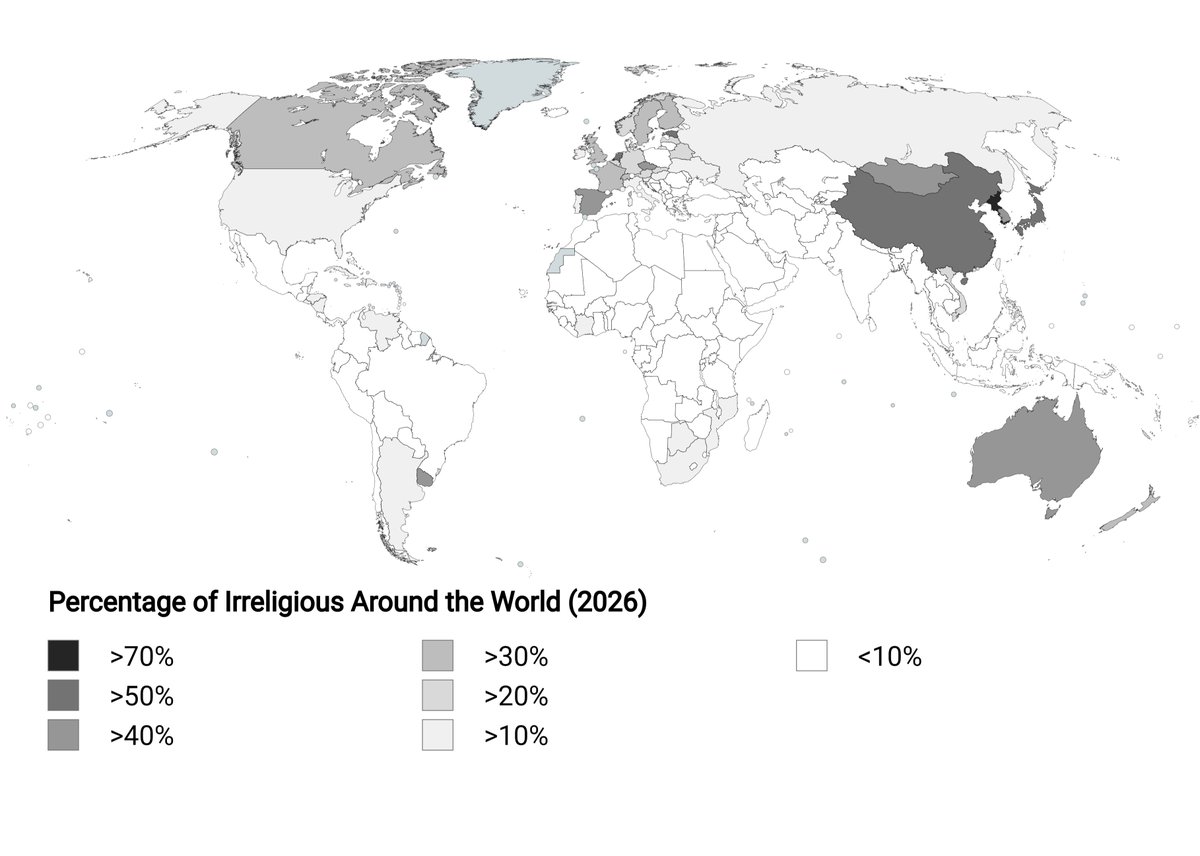
In 2025, recent surveys reveal that an increasing percentage of the global population identifies as irreligious. Countries across all continents are experiencing a significant decline in traditional religious affiliation, with some regions witnessing nearly half of their populations reporting no religious beliefs. This trend underscores a profound cultural transformation, driven by factors such as modernization, education, and the rise of scientific skepticism.
2. North America’s Leading Edge in Irreligion
The United States continues to be at the forefront of irreligion, with surveys indicating roughly 30% of Americans now identify as religiously unaffiliated. Canada reports an even higher figure, with over 35% of its population claiming no religious affiliation. Urban areas, especially major metropolitan centers like New York, Toronto, and Los Angeles, show markedly higher rates of irreligiosity, reflecting changing social norms and values prevalent among younger generations.
3. Europe: The Epicenter of Secular Thought
Europe remains the most secular continent in the world, with some countries recording up to 65% of their populations as non-religious. Countries such as the Czech Republic, Sweden, and the Netherlands lead the way, with a majority of residents indicating no religious adherence. The decline is attributed to historical factors, increased secular education, and the diminishing influence of religious institutions in daily life.
4. Asia’s Unexpected Transformation
Contrary to previous trends, parts of Asia are witnessing an uptick in irreligiosity, particularly in urban centers of China, Japan, and South Korea. While traditional religions like Buddhism, Shinto, and Confucianism still hold cultural significance, younger generations are increasingly citing secular philosophies or identifying as agnostic or atheist. This shift is partly due to rapid technological development and changing social values.
5. Latin America: Traditional Religion Still Holds, But Changing
Latin America remains predominantly religious, especially in rural areas, with Catholicism still holding sway. However, major urban areas and youth populations show a rising percentage of people declaring no religious beliefs, estimated to be around 20-25%. The influence of secular ideas from North America and Europe and increasing educational attainment are contributing factors.
6. Africa’s Persistent Religious Roots Amidst Change
Unlike other parts of the world, Africa maintains strong religious affiliations, predominantly Christianity and Islam. Nonetheless, some nations, particularly in urbanized zones, are seeing a slow but steady rise in irreligious identification, reaching roughly 10-15%. The growth is linked to increased access to education and exposure to global secular discourse.
7. The Link Between Education and Irreligion
Across the globe, higher education levels correlate strongly with increased irreligiosity. Universities and research institutions tend to promote scientific inquiry and secular values, which more often lead individuals away from traditional religious practices. Countries investing heavily in education tend to report higher percentages of irreligious people.
8. Technology’s Role in Shaping Beliefs
The explosion of digital media and access to information plays a critical role in shifting personal beliefs. Younger populations, especially those engaged heavily with online content, are more likely to question religious teachings and explore secular philosophies. Social media platforms facilitate discussions that challenge traditional faith-based views, accelerating the decline of organized religion.
9. Implications for Society and Policy
The rising tide of irreligiosity presents both challenges and opportunities. Governments and policymakers face the task of managing increasingly pluralistic societies where secular and religious worldviews coexist. This shift could influence areas such as education, healthcare, and social services, prompting a reevaluation of policies to ensure inclusivity.
10. Predictions for the Future
Experts forecast that irreligion will continue its upward trajectory well into the next decade. Demographic changes, cultural shifts, and technological developments suggest that the concept of faith is evolving, with more individuals identifying as spiritual but not religious or completely secular. This change will likely reshape societal norms, influence political landscapes, and redefine community engagement worldwide.
Note: The percentages and observations are based on the latest surveys conducted across various countries in 2025, offering a comprehensive view of the global movement toward secularism.