The State of Europe’s Jewish Population on the Eve of 1933
1. A Flourishing Jewish Community Across Europe
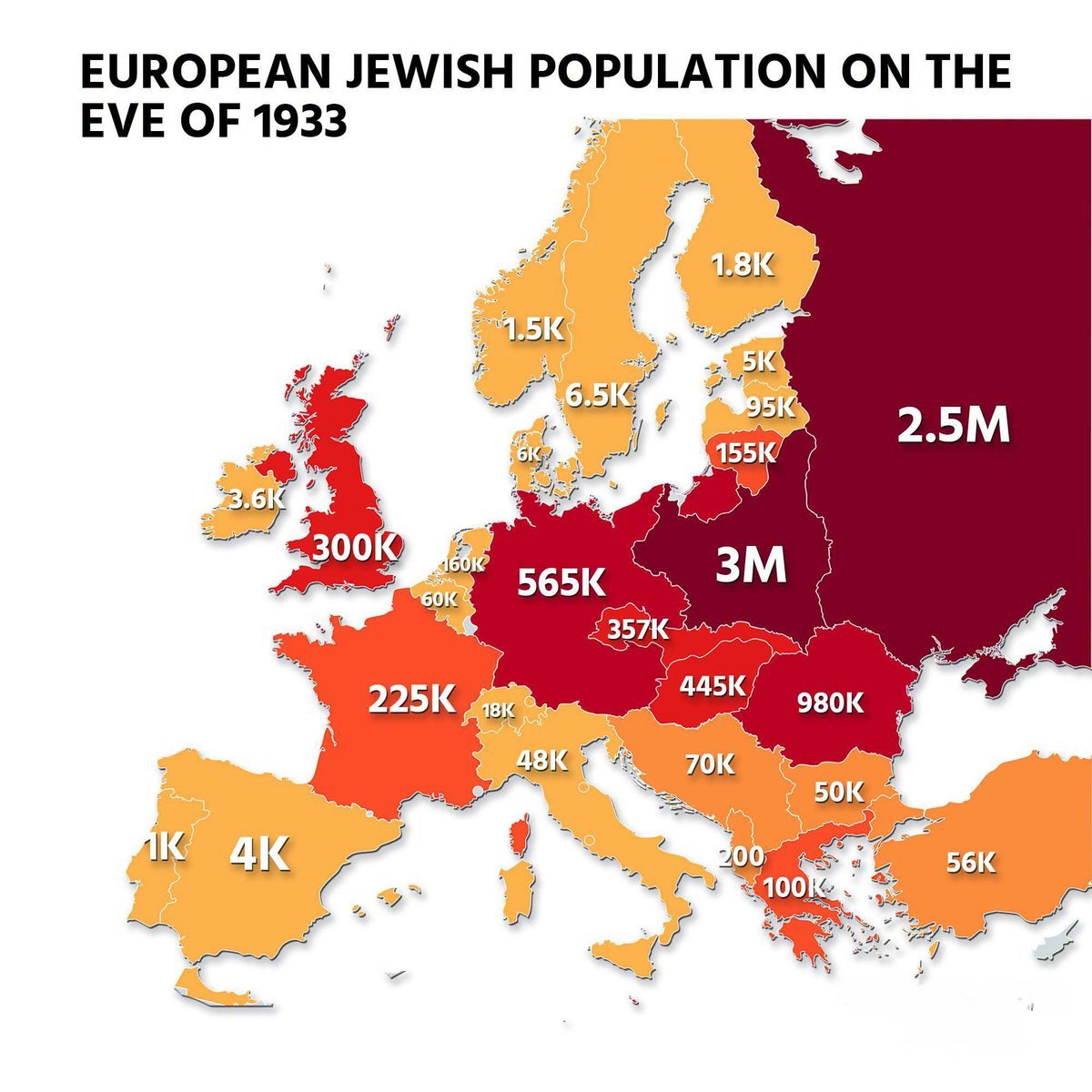
On the eve of 1933, Europe’s Jewish population was a vibrant and integral part of the continent’s cultural, economic, and political landscape. It’s estimated that there were approximately 9.5 million Jews across Europe, forming a diverse mosaic of communities that spanned Western, Central, Eastern, and Southern Europe. These communities thrived in cosmopolitan centers such as Paris, Vienna, and Berlin, while also maintaining deep roots in smaller towns and rural areas.
2. Jews in Major European Cities
In cities like Berlin, Vienna, and Paris, Jewish communities experienced a golden age with active participation in the arts, academia, and commerce. For instance, Berlin was home to several influential Jewish intellectuals and entrepreneurs, contributing significantly to the city’s reputation as a hub of innovation. Similarly, in Paris, Jewish writers, artists, and financiers played vital roles in shaping the city’s cultural scene. These urban communities enjoyed relative freedoms and were often celebrated for their achievements.
3. Distinct Regional Variations
Jewish life in Eastern Europe was markedly different from Western Europe, characterized by large shtetls—small Jewish towns—and a predominantly Orthodox way of life. Countries like Poland, Russia, and Romania hosted the majority of Eastern European Jews, who faced economic hardships, anti-Semitic discrimination, and limited civil rights. Despite these challenges, vibrant religious traditions and community institutions thrived in these regions.
4. Growing Anti-Semitic Sentiments
While many Jewish communities prospered, anti-Semitism was nonetheless rife throughout Europe. In Germany, the rise of nationalist movements, fueled by economic instability following World War I, led to increased hostility against Jews. The Nazi Party’s rise in 1933 marked a pivotal moment, legitimizing anti-Semitic rhetoric and policies that threatened Jewish safety and rights. In Eastern Europe, sporadic violence and discriminatory laws further marginalized Jewish populations.
5. Religious and Cultural Contributions
Pre-1933 European Jews were deeply engaged in religious, scholarly, and cultural pursuits. Synagogues, schools, and cultural societies flourished, especially in Western Europe. Prominent Jewish figures made significant contributions to science, literature, and philosophy. The Yiddish and Hebrew languages thrived in cultural productions and community life, serving as vital symbols of identity and resilience.
6. The Emergence of Zionism and Political Movements
The period was also characterized by increasing political activism among Jewish communities. The Zionist movement gained momentum, advocating for the establishment of a Jewish homeland in Palestine. Simultaneously, Jewish political parties and organizations worked toward securing civil rights, combating discrimination, and fostering communal solidarity amid rising threats.
7. Challenges Amid an Era of Progress
Despite cultural vibrancy and economic success, Jewish populations faced ongoing challenges, including exclusion from certain professions, social segregation, and prejudiced perceptions. In countries like Hungary and Lithuania, restrictive laws and social hostility threatened the stability of Jewish communities. Nonetheless, resilience and adaptability remained guiding principles.
8. The Coming Storm: A Brief Glimpse into 1933
With the Nazi seizure of power in Germany in 1933, the landscape for Jews across Europe began to shift drastically. The initial stages of state-sponsored anti-Semitism signaled dark times ahead. While many communities maintained their cultural vibrancy in the early days, the looming threat of persecution was undeniable, signaling an unprecedented crisis that would forever alter their fate.
As Europe stood on the brink of catastrophic upheaval, the Jewish communities of 1933 represented a tapestry of tradition, innovation, and resilience—an enduring testament to their profound influence and the profound losses that would follow.