The Largest Writing Systems Around the Globe in 2025
In a world rich with linguistic diversity, various writing systems serve as the backbone of communication for billions. As of 2025, these systems continue to evolve, reflecting cultural significance and technological integration. Here’s a detailed look at some of the most prominent and fascinating writing systems that shape global communication today.
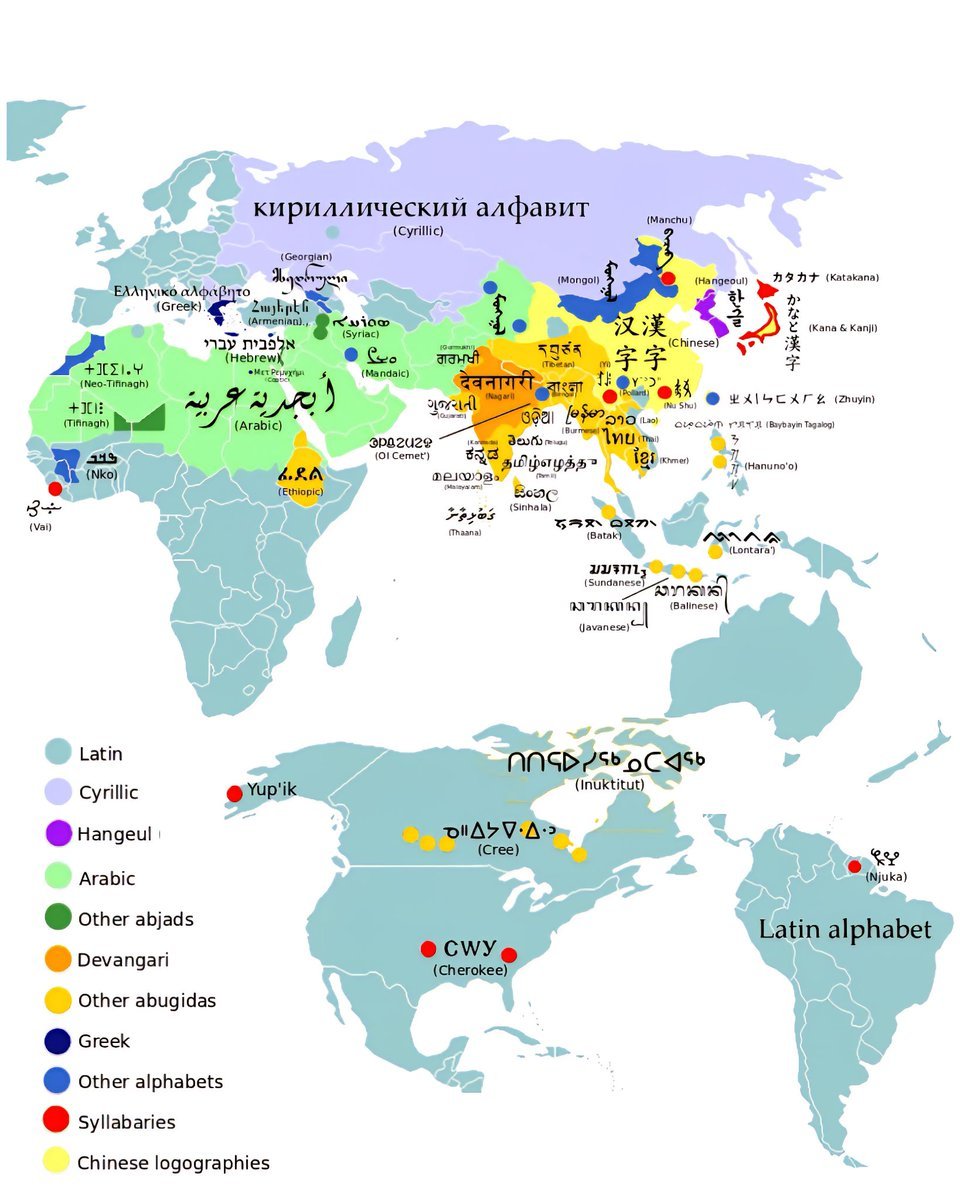
1. Latin Alphabet: The Universal Standard
The Latin alphabet remains the most widely used script globally, underpinning countless languages, including English, Spanish, French, and many others. Its origins trace back to the ancient Roman script, but it has undergone numerous modifications to suit modern phonetics and typography. In 2025, the Latin alphabet continues to adapt, integrating digital shorthand, emoji, and modifications for new languages, reaffirming its role as the international lingua franca especially in digital communication and media.
2. Chinese Characters: The Legacy of Logographic Writing
Chinese characters, known as logograms, form the foundation of the Chinese writing system used predominantly in China, Taiwan, and Hong Kong. With over 50,000 characters, of which roughly 3,000 are necessary for daily communication, Chinese characters symbolize a deep historical and cultural identity. In 2025, technological advances have led to smart input methods that streamline character recognition and typing, ensuring the script’s continued relevance amidst modernization.
3. Devanagari Script: The Heart of Indian Languages
Devanagari, used for Hindi, Marathi, and Sanskrit, remains a vital script for the Indian subcontinent. The script’s distinctive horizontal line connects characters within words, and its complex structure has historically reflected linguistic nuances. Technological innovations have enhanced Devanagari’s digital usability, including improved font rendering and input tools, fostering broader adoption and preservation of India’s linguistic heritage.
4. Arabic Script: An Essential Middle Eastern Script
Arabic script is used across dozens of languages, including Arabic, Persian, Urdu, and Pashto. Its cursive form and rich calligraphic traditions make it both an artistic and practical script. By 2025, digital fonts and input methods have significantly increased the ease of writing in Arabic, supporting its cultural and religious significance while enabling global communication. Its adaptable nature also allows for variations that suit different linguistic needs.
5. Cyrillic Alphabet: Russia and Beyond
The Cyrillic alphabet, used by Russian, Bulgarian, Serbian, and other Slavic languages, continues to serve as a critical means of written communication in Eastern Europe and Central Asia. With recent updates to support digital and mobile platforms, Cyrillic literacy remains high. The script’s adaptation to regional languages and technological platforms ensures its relevance well into the future.
6. Japanese Scripts: A Mix of Kanji, Hiragana, and Katakana
Japanese uniquely employs three scripts: Kanji (logograms borrowed from Chinese), Hiragana, and Katakana. This complex combination allows the language to express nuanced meaning and pronunciation. In 2025, advancements in language processing tools have made writing and translating Japanese more accessible, keeping these scripts vital in Japan’s tech-driven society.
7. Hangul: Korea’s Phonetic Ingenuity
Hangul, introduced in the 15th century, is a highly systematic and efficient script designed to promote literacy among common people. Its logical structure combines consonants and vowels into syllabic blocks. The script’s simplicity and adaptability have kept Hangul at the forefront of Korean digital communication, education, and media in 2025.
8. Indigenous and Endangered Scripts
Many indigenous scripts, such as Cherokee, Vai, and Osmanya, continue to face challenges but also see revival efforts—mainly through digital technology. The preservation of these scripts is critical for maintaining cultural identities. In 2025, initiatives utilizing mobile apps and online platforms are actively supporting the revitalization of these vital linguistic symbols.
As language continues to evolve alongside technological advances, these writing systems demonstrate resilience and adaptability. Whether sustaining cultural heritage or facilitating international dialogue, these scripts remain powerful tools of human expression. This ongoing evolution highlights the rich tapestry of global communication, emphasizing the importance of preserving and embracing diverse writing traditions in the modern age.