European Governments’ Ideologies: A 2025 Overview
Diverse Political Spectrums Define Europe’s Leadership
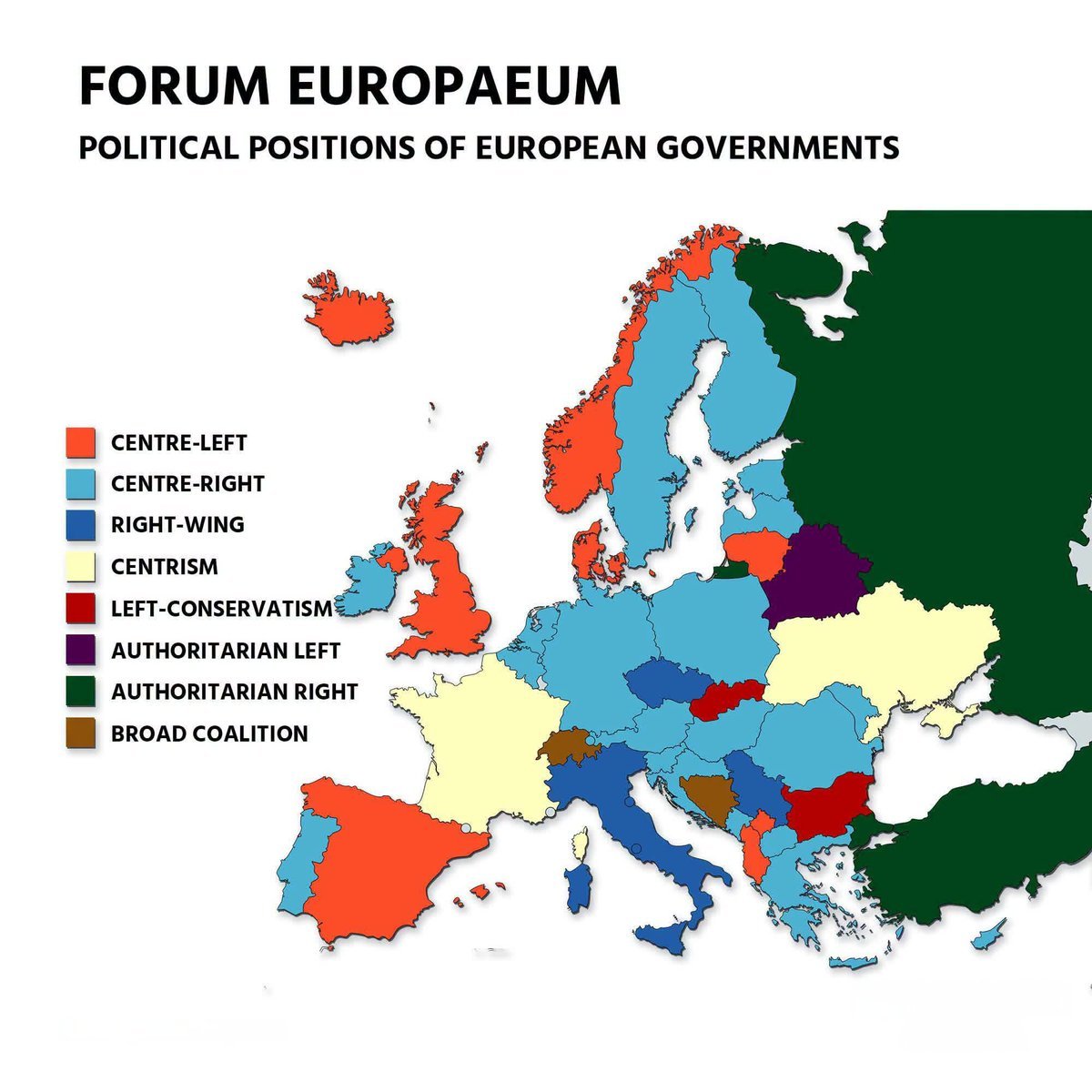
As of 2025, Europe continues to showcase a vibrant spectrum of political ideologies shaping each country’s governance. From progressive social policies to conservative economic strategies, the continent remains dynamic in its ideological landscape. Here’s a comprehensive look at the prevailing ideologies across major European nations.
1. Progressivism on the Rise in Scandinavian Countries
Sweden, Norway, and Denmark maintain their reputation as bastions of progressive politics. These nations prioritize social equality, environmental sustainability, and comprehensive welfare programs. Green policies drive their climate agendas, aiming for carbon neutrality by 2045. Their governments often align with social-democratic principles, fostering generous healthcare, free education, and robust social safety nets.
Example: Sweden’s recent push involves expanding affordable housing and enhancing renewable energy investments, solidifying their commitment to a sustainable future.
2. Conservative Resurgence in Central and Eastern Europe
Hungary, Poland, and the Czech Republic have seen a reaffirmation of conservative values in recent years. These governments emphasize national sovereignty, traditional cultural values, and robust border security. Populist rhetoric remains prevalent, often opposing further EU integration on issues related to migration and judicial independence.
Example: Poland’s government recently introduced policies reinforcing traditional family values and restricting certain media outlets’ influence on public discourse.
3. Social Democracy Dominates Western Europe
France, Germany, and the Netherlands continue to champion social democratic ideals. These countries focus on balancing free-market capitalism with social welfare programs. Recent policies emphasize innovation, digital infrastructure, and inclusive growth.
Example: Germany has increased investments in green energy infrastructure, supporting its goal to achieve climate neutrality by 2040, while maintaining a strong social safety net.
4. Nationalist Movements Gaining Momentum in Italy and Spain
Italy and Spain experience a resurgence of nationalist sentiments. These political groups often advocate for tighter immigration controls, preservation of national identity, and skepticism regarding EU mandates. Their influence is reflected in recent electoral results, indicating a shift towards policies emphasizing sovereignty.
Example: Italy’s government has prioritized limiting migrant arrivals and has called for reforms in EU policies perceived as infringing on national autonomy.
5. Green Politics and Environmental Advocacy Take Center Stage
Across Europe, environmental issues are central to policymaking. Countries like Austria, the Netherlands, and Finland are leading the charge, pushing for aggressive emissions reduction and renewable energy adoption.
Example: Finland’s government announced plans to become carbon negative by 2030, including large-scale reforestation projects and renewable energy incentives.
6. EU-Wide Efforts for Cohesion and Integration
Despite ideological differences, EU institutions continue to promote unity through initiatives focused on digital transformation, climate change, and social justice. The European Commission’s recent policies aim to bridge regional disparities while respecting member states’ sovereignty.
Example: The 2025 European Digital Strategy seeks to create a borderless digital market, emphasizing data protection and cybersecurity.
7. The Role of Populism and Euroscepticism
While some nations push for deeper integration, others grow cautious of perceived overreach by EU institutions. Populist and eurosceptic parties have gained ground, especially in countries like the Netherlands and Austria, challenging mainstream political parties and demanding greater national control.
Example: Recent elections in Austria saw a coalition government formed with far-right parties, emphasizing strict immigration policies and skepticism about EU directives.
8. Focus on Social Justice and Equality Movements
Across Europe, grassroots movements advocating for racial justice, gender equality, and LGBTQ+ rights remain influential. Governments are increasingly adopting policies that support diversity and inclusion.
Example: Spain’s government has launched nationwide campaigns promoting gender equality and combating discrimination, reflecting a broader societal shift.
9. The Intersection of Technology and Politics
Emerging technologies are influencing policy decisions. Countries are investing in AI governance, digital rights, and cybersecurity measures to safeguard democratic processes in 2025.
Example: France has established a national AI task force aiming to regulate ethical AI development aligned with democratic values.
10. The Impact of External Geopolitical Factors
Russia’s ongoing influences, relationships with NATO, and global trade dynamics affect policies across Europe. Governments balance internal ideologies with external pressures, shaping their strategic agendas accordingly.
Example: Ukraine’s continued integration with the EU reflects broader geopolitical priorities amid regional tensions.
Europe’s ideological landscape in 2025 is a mosaic of diverse beliefs and policies, driven by historical contexts, societal values, and global trends. These varying perspectives continue to shape the continent’s future, making it a fascinating region to monitor and analyze.
Note: The image included illustrates the ongoing political discourse within Europe, symbolizing the continent’s vibrant democratic processes.