The Impact of European Colonial Borders on Modern-Day Countries
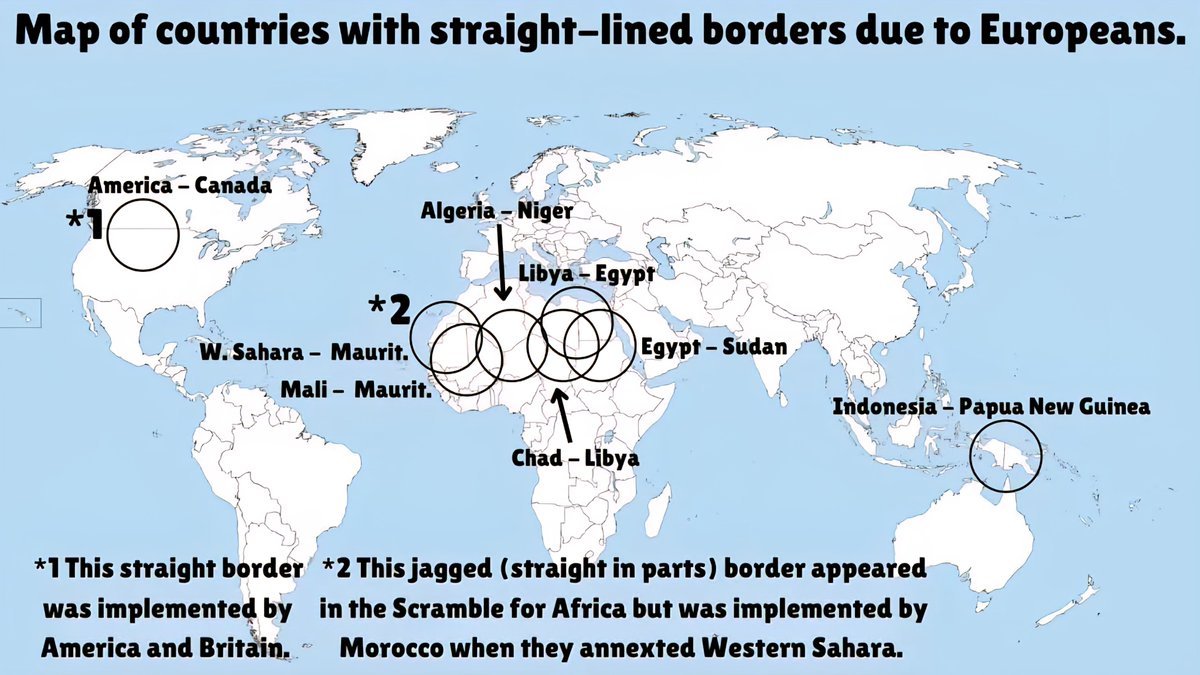
1. How Colonial Boundaries Are Still Shaping Today’s Borders
European powers, during the colonial era, often drew borders with little regard for indigenous cultures or geographical realities. Many borders were straight lines drawn on maps to simplify administration and control, ignoring natural boundaries like rivers or mountain ranges. This legacy persists today, affecting political stability and regional relations. Countries such as Chad, Niger, and Central African Republic display these straight-lined borders, often leading to ethnic divisions and conflicts.
2. The Role of the Berlin Conference and the Scramble for Africa
The late 19th-century Berlin Conference was a pivotal event where European nations divided Africa among themselves, often with little regard for existing ethnic and cultural boundaries. Leaders drew straight lines across vast regions, disregarding localized ethnic groups, which contributed to long-term tensions. The image illustrates how these borders, established over a century ago, continue to influence conflicts and political landscapes in African nations today.
3. Straight Borders in the Middle East and Central Asia
Beyond Africa, straight-line borders are also prominent in parts of the Middle East and Central Asia, resulting from colonial treaties and agreements made during the 19th and early 20th centuries. Countries like Iraq, Jordan, and parts of Iran have borders that follow straight lines, often splitting ethnic groups and communities. These artificial boundaries have led to ongoing political disputes and regional instability.
4. Latin America’s Uneven Borders Due to Colonial Influence
Latin American countries also reflect straight-bordered territories, many established during Spanish and Portuguese colonization. For example, Brazil’s borders were drawn by treaties that favored colonial powers’ control rather than local geography or indigenous territories. These straight borders can complicate regional cooperation and economic development, especially in border regions where cultural and ethnic ties may be fractured.
5. How Straight Borders Affect Ethnic and Cultural Cohesion
Many poorly drawn colonial borders failed to account for the diverse ethnic, linguistic, and cultural groups in colonized regions. As a result, countries now face internal conflicts, insurgencies, and demands for autonomy. For instance, Nigeria’s complex ethnic makeup has often been challenged by borders that cut through traditional territories, fueling unrest and violence.
6. Current Efforts to Address Border Disputes
In recent years, international agencies and regional organizations have sought to address issues stemming from colonial borders. Diplomatic negotiations, peace treaties, and, in some cases, boundary re-drawings aim to reduce conflicts. However, changing borders is often complicated by geopolitical interests, national sovereignty, and the deep-rooted historical grievances associated with colonial-era boundaries.
7. The Future of Borders: From Lines on a Map to Cultural Connectivity
As the world becomes increasingly interconnected, some experts argue for more flexible and socially conscious border management. Emphasizing cross-border cooperation, regional integration, and recognition of cultural and ethnic identities could lead to more stable and inclusive nations. The challenge remains balancing sovereignty with the need for harmony in regions shaped heavily by historic colonial decisions.
8. Lessons from History: The Need for Better Border Planning
Understanding the history behind straight-lined borders underscores the importance of thoughtful, inclusive planning in defining boundaries. Future nations could benefit from engaging local communities, respecting geographical features, and recognizing ethnic and cultural diversity when establishing borders—rather than relying solely on colonial-era maps.
In Summary: The straight-lined borders drawn by European colonizers have left a lasting imprint on numerous countries. From Africa to Latin America, these boundaries have influenced conflicts and socio-political dynamics for generations. While modern efforts continue to address border disputes, the historical legacy reminds us of the importance of thoughtful, inclusive approaches to defining national borders in the increasingly interconnected world of 2025.