Countries Relying Heavily on Global Partnerships in 2025
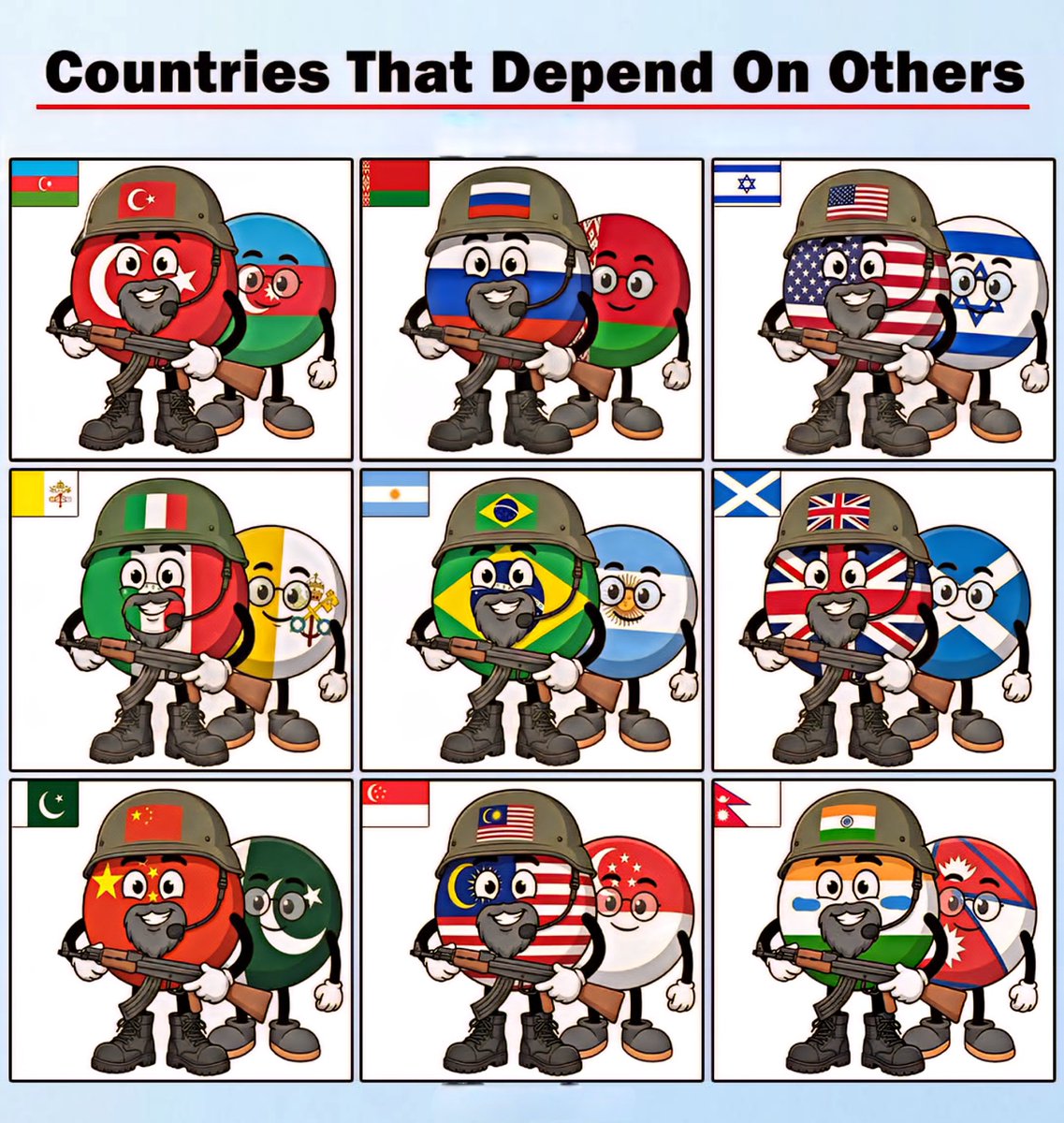
Azerbaijan Depends on Turkey for Strategic Support
Azerbaijan’s alliance with Turkey remains a cornerstone of its regional security and political stability. Turkey’s military backing and diplomatic influence are crucial for Azerbaijan, especially given ongoing tensions in the South Caucasus. Ankara’s support provides Azerbaijan with a strategic buffer against regional adversaries, making their relationship a prime example of dependency based on military aid and political backing.
Belarus’s Political Ties with Russia
Belarus continues to rely heavily on Russia for economic support, energy supplies, and security guarantees. The two nations maintain a close political partnership that often blurs the lines between sovereignty and dependence. Russia’s influence extends into Belarus’s military and energy sectors, cementing a relationship that shapes the eastern European geopolitical landscape.
Israel’s Strategic Alliance with the United States
Israel’s partnership with the United States remains pivotal in its national security strategy. The U.S. provides significant military aid, advanced technology, and diplomatic backing amid regional tensions. This dependence influences Israel’s foreign policy decisions and military preparedness, highlighting their interconnectedness in maintaining regional stability.
Vatican City’s Religious and Diplomatic Ties with Italy
Vatican City relies on Italy for logistical support, diplomatic recognition, and infrastructure. While independent, the Vatican’s proximity and historical connections to Italy influence many of its diplomatic endeavors. This dependency underscores the importance of Italy’s support in global religious and diplomatic circles.
Argentina’s Economic and Political Dependence on Brazil
Argentina is notably intertwined with Brazil in terms of trade, economic policies, and regional leadership. Cross-border collaborations and shared economic initiatives reinforce their close relationship, with Buenos Aires often looking to Brasília for guidance and support during economic challenges.
Scotland’s Relationship with the United Kingdom
Although seeking greater autonomy, Scotland remains politically and economically dependent on the UK. As a part of the United Kingdom, Scotland benefits from shared resources, defense, and economic policies that influence its domestic affairs. This relationship shapes ongoing debates over independence and regional governance.
Pakistan’s Close Ties with China
Pakistan’s dependence on China manifests through extensive infrastructure projects under the Belt and Road Initiative, military aid, and economic cooperation. The alliance is strategic, serving Pakistan’s interests in regional security and economic development, with China becoming its primary international partner.
Malaysia’s Connection to Singapore for Economic Growth
Malaysia leans on Singapore for trade, financial services, and technological collaboration. The economic relationship is vital for Malaysia’s growth, with Singapore serving as a gateway to global markets and providing critical investments and innovation support.
Nepal’s Reliance on India
Nepal’s geographic and economic realities make it heavily dependent on India for trade, energy, and security. India is a primary economic partner, offering vital aid and support, which significantly influences Nepal’s domestic policies and regional stability.
Note: This overview provides a simplified snapshot of geopolitical relationships in 2025. Actual dependencies encompass complex economic, military, political, and cultural factors that are subject to change over time.