Countries in Europe That End with “Land” and “Lands”
1. Discovering the Role of ‘Land’ in European Country Names
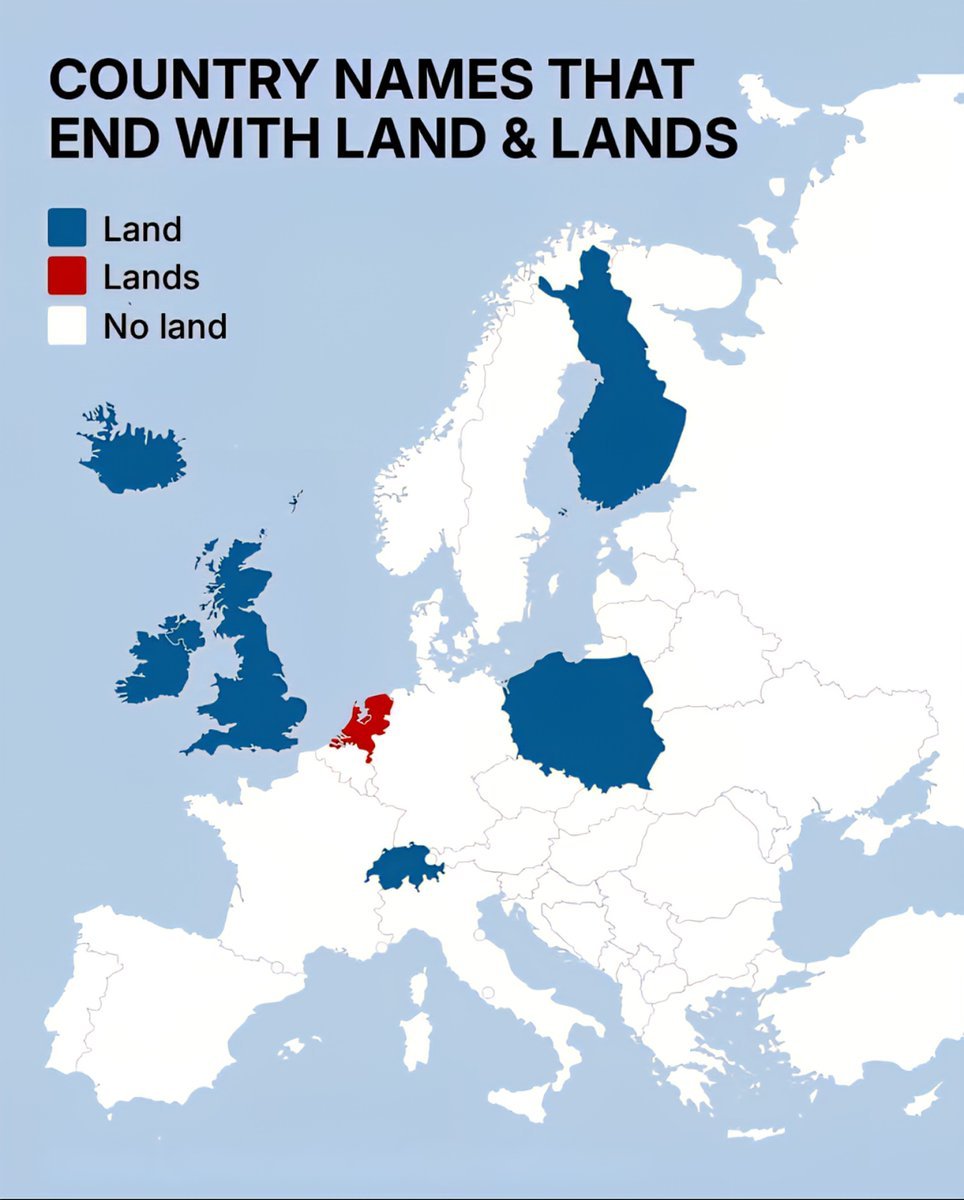
In Europe, the suffix “land” holds a special significance as it often denotes the geographical and cultural identity of the countries. Countries like Finland, Iceland, and Switzerland are part of this unique naming tradition. The term “land” typically signifies a specific territory or territory with distinct borders. It reflects the historical and linguistic roots embedded in local languages, often meaning “land of” or “territory of.”
2. Finland – The Land of a Thousand Lakes
Finland, located in Northern Europe, is renowned for its pristine natural beauty and numerous lakes, which earned the country its nickname as “The Land of a Thousand Lakes.” The name “Finland” is derived from the Old Norse word “Finnr,” meaning “wanderer,” and the suffix “-land,” emphasizing the land of the Finns. It’s a nation that uniquely combines modern urban life with rich traditional folklore, making it a magnet for travelers eager to experience the Northern Lights and endless forests.
3. Iceland – The Land of Fire and Ice
Iceland’s name reflects its remarkable natural features—glaciers, volcanoes, and geysers. Derived from the Norse word “Ísland,” meaning “land of ice,” the country has a rugged landscape that has inspired countless stories and myths. Known for its geothermal activity and stunning natural phenomena, Iceland symbolizes the fiery yet icy dichotomy and boasts a vibrant culture that blends ancient Norse roots with contemporary art and music.
4. Switzerland – The Land of Mountains and Lakes
Switzerland, situated in the heart of Europe, is famous for its picturesque alpine scenery, chocolate, and precision engineering. The name “Schweiz” derives from the local “Schwyz” region, but in English, it is known as Switzerland, with “land” signifying the country’s mountainous terrain and diverse landscapes. The Swiss flag is a symbol of neutrality and stability, reflecting the country’s history of protecting its independence amidst European upheavals.
5. The Uncommon “Lands” – Introducing Small Countries with “Lands”
While most European countries ending with “land” are well known, a few less prominent countries have pluralized versions with “lands,” signifying a collection of territories or regions. These are often historic or linguistic variations that reflect the country’s complex past.
6. The Land of the Netherlands (Sometimes Referred to as “Lands” in a Historical Context)
Although officially called “The Netherlands,” historically, the country was referred to in various contexts as “the lands of the Low Countries.” The term “lands” here refers to the historical collection of regions that make up the modern nation. Today, the name highlights the country’s rich maritime history and its flat, navigable terrain.
7. The United Kingdom of Great Britain and Northern Ireland
While not ending with “land” in the official name, the United Kingdom, encompassing England, Scotland, Wales, and Northern Ireland, collectively often references its geographic diversity as “the lands” of Britain. Historically, these regions have called themselves “the lands” or “the realm,” emphasizing their shared sovereignty and diverse identities.
8. The Significance of “Land” in European Toponymy
The use of “land” in country names underscores an important linguistic and cultural tradition. Many European languages, like German, Dutch, and Scandinavian languages, have similar suffixes—such as “-land” or “-landt”—which originate from old linguistic roots meaning “territory” or “area.” This suffix forms part of the identity, emphasizing a country’s natural landscape and its people’s historical connection to their land.
9. The Future of Countries Ending with “Land” or “Lands”
As Europe continues to evolve politically and culturally, countries with “land” in their names are also experiencing changes. With increased emphasis on environmental conservation and sustainable tourism, nations like Iceland and Finland are leading the way in eco-friendly initiatives, emphasizing their natural landscapes that their names celebrate.
10. Final Reflections
The naming tradition of countries ending with “land” or “lands” offers more than just a linguistic curiosity—it highlights the deep-rooted relationship between geography, culture, history, and identity in European nations. These names serve as a testament to the enduring human connection to the land that sustains communities, fuels traditions, and shapes the destiny of nations.
Note: The above article is based on current geopolitical and cultural insights as of 2025.