Understanding the Leading Causes of Death Across U.S. States in 2025
The 2025 landscape of health in the United States reveals intriguing patterns in mortality causes across the different states. While heart disease and cancer continue to be significant killers nationwide, several other factors contribute notably to mortality rates depending on the state. Here’s a detailed look at the most common causes of death other than heart disease and cancer for each state.
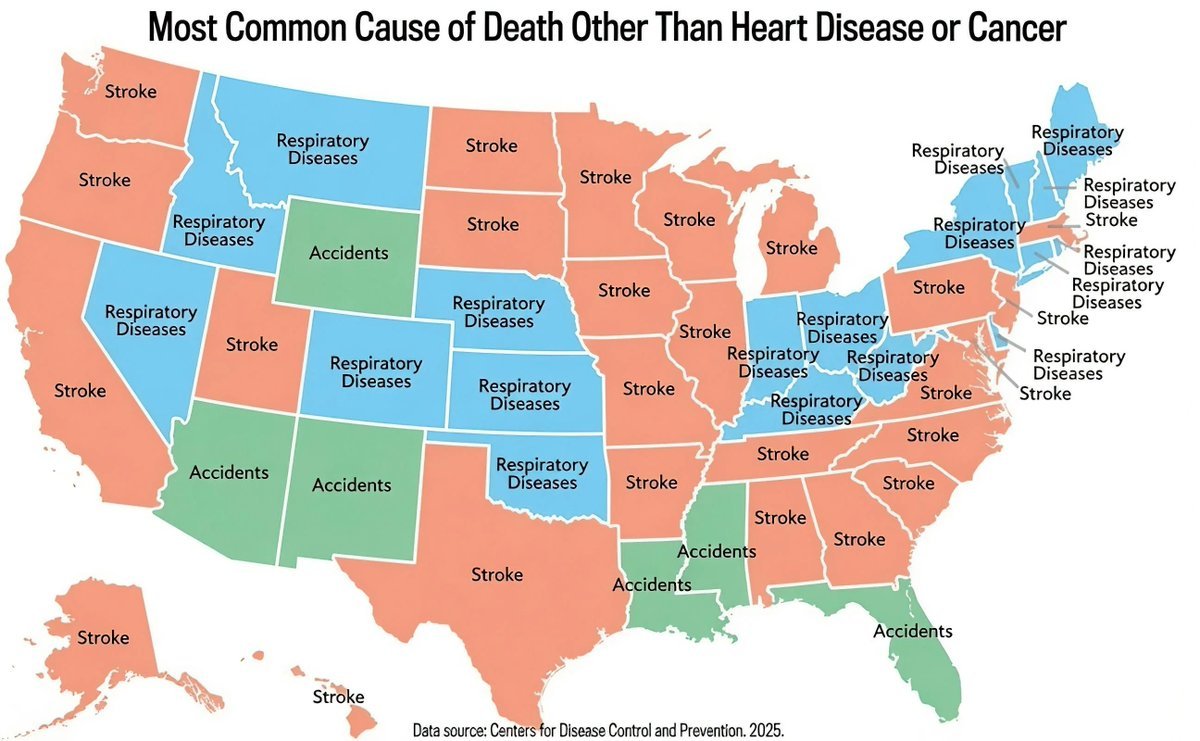
1. Unintentional Injuries: The Hidden Threat in Alaska and Nevada
In Alaska and Nevada, unintentional injuries have emerged as the leading cause of death outside of heart disease and cancer. This includes accidents like falls, motor vehicle crashes, and drowning. Alaska’s rugged terrain and high rates of outdoor activity, combined with challenges in emergency response, contribute to this statistic. Similarly, Nevada’s bustling urban environments and tourism hotspots lead to increased accidental fatalities.
2. Chronic Lower Respiratory Diseases: A Major Concern in West Virginia and Kentucky
West Virginia and Kentucky face a higher rate of death due to chronic lower respiratory diseases. Factors include high smoking rates and occupational hazards linked to coal mining and other industries. The prevalence of COPD and other respiratory conditions significantly impacts life expectancy in these states.
3. Stroke (Cerebrovascular Disease): The Leading Cause in Ohio and Missouri
In Ohio and Missouri, stroke surpasses other causes to be the leading non-cancer, non-heart disease mortality factor. Lifestyle factors such as hypertension, obesity, and smoking are prominently linked to these statistics. Enhanced public health campaigns are underway to address these risk factors.
4. Diabetes-Related Deaths: A Major Issue in Southeast States like Georgia and Alabama
Georgia and Alabama report a high occurrence of deaths caused by diabetes complications. Obesity and lack of regular medical care are significant contributors. Efforts are being undertaken statewide to improve diabetes management and awareness.
5. Alzheimer’s Disease: The Top Cause in Maine and Florida
Alzheimer’s disease and other dementias have become the primary cause of death beyond cancer and heart disease in Maine and Florida, reflecting the aging populations in these states. This trend points toward a growing need for neurological healthcare resources and support systems.
6. Kidney Disease: The Leading Cause in New Mexico and Oregon
In New Mexico and Oregon, chronic kidney disease holds the top spot among causes of death besides cancer and heart disease. Risk factors such as diabetes and hypertension are prevalent, emphasizing the importance of early screening and intervention programs.
7. Suicide: The Forerunner in Montana and Wyoming
States like Montana and Wyoming see suicide as the leading cause of death after the top two major diseases. The remote lifestyle, mental health access issues, and socio-economic factors have contributed to this trend. Initiatives to improve mental health services are critical moving forward.
8. Liver Disease: The Leading Mortality Driver in Louisiana and New Mexico
Liver disease, particularly cirrhosis related to alcohol use and hepatitis, remains a leading cause of death beyond the big two. States with higher substance use rates are grappling with this challenge through education and healthcare outreach.
This overview of regional mortality causes highlights the importance of targeted public health campaigns and community interventions. Understanding the specific health risks in each state is a vital step toward reducing preventable deaths and improving overall health outcomes in 2025. Public health officials continue to analyze data, develop strategies, and implement programs tailored to each state’s unique needs.
Note: Data reflects the most recent statistics from 2025 and is subject to change as new health trends emerge.