Key Territories Controlled by Germany as of November 8, 1942
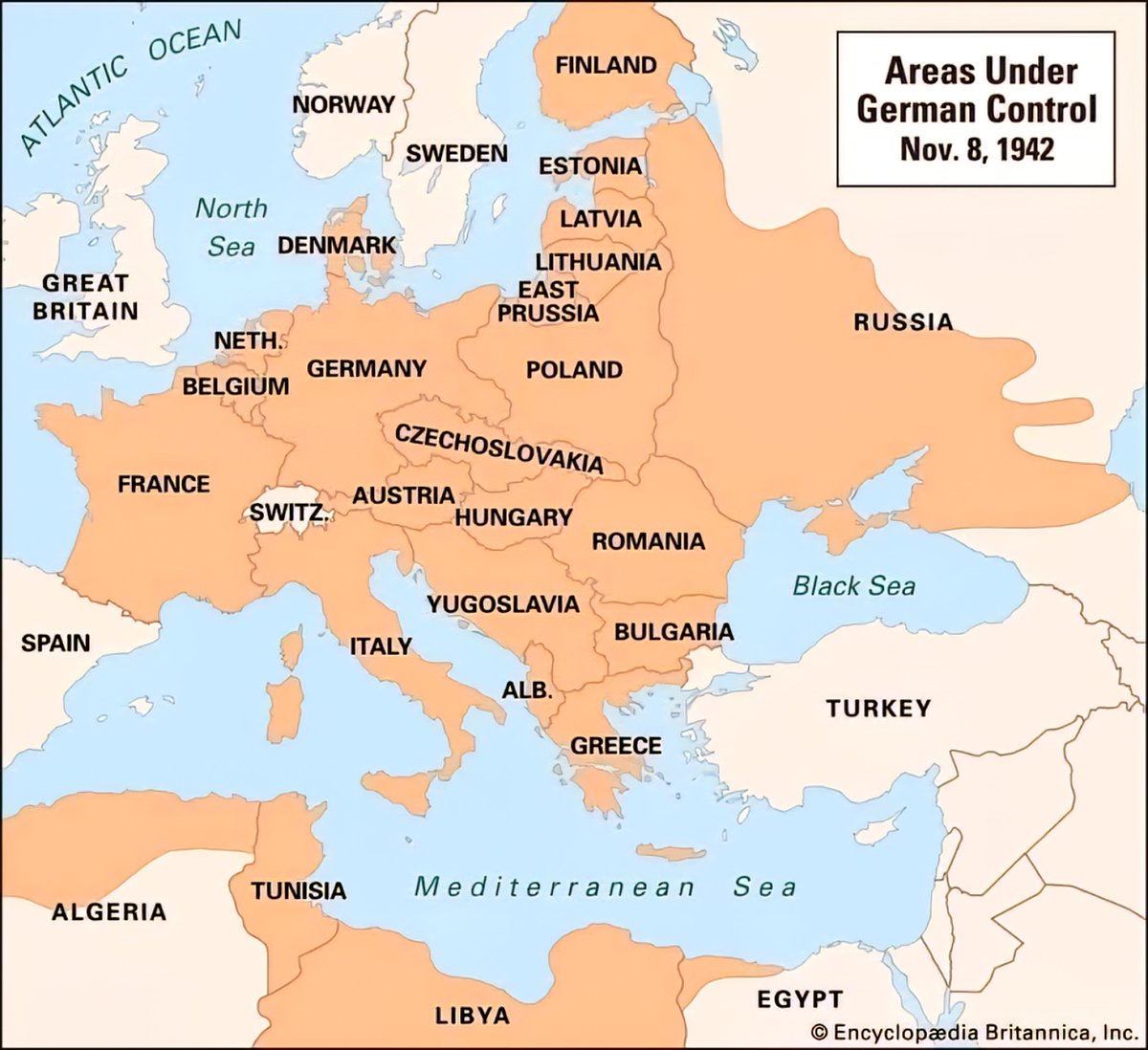
1. Western Europe: The Heart of Nazi Expansion
Germany’s grip on Western Europe was extensive during late 1942, with major territories including France, Belgium, the Netherlands, Luxembourg, and parts of Norway. Paris, the French capital, remained under German occupation, serving as a strategic hub for operational commands and military logistics. The occupation of France marked a significant expansion, enabling Germany to control vital Atlantic ports and rail networks critical for resource supply and troop movements.
2. Eastern Front: The Aggressor’s Playground
On the Eastern Front, Nazi forces had pushed deep into Soviet territory, occupying large swaths of Ukraine, Belarus, and parts of Western Russia. Strategic cities like Kiev and Smolensk were under German control, providing bases for ongoing military campaigns against Soviet forces. This rapid territorial expansion was driven by Operation Barbarossa, which aimed to secure Lebensraum (“living space”) and resources, especially oil-rich regions like the Caucasus.
3. Scandinavia and the Balkans: Strategic Outposts
In Scandinavia, Germany maintained control over Norway and Denmark, facilitating naval operations in the North Atlantic and safeguarding supply lines. The Balkans, particularly Yugoslavia and Greece, had fallen under Axis influence, with puppet regimes installed to manage local affairs. Control over these regions allowed Germany to cut off the Soviet Union from the Mediterranean and reinforce its southern flank.
4. North Africa: The Desert Battleground
While not fully occupied territory at this point, German forces under Field Marshal Erwin Rommel had established a notable presence in North Africa, particularly in Libya and Egypt. The North African campaign was critical for controlling the Suez Canal and Middle Eastern oil supplies, making it a vital strategic area for the Axis powers.
5. Atlantic and Atlantic Islands: Naval Dominance
Germany’s Kriegsmarine was establishing a formidable presence in the Atlantic Ocean, attacking Allied convoys and attempting to blockade Britain. The occupation of key Atlantic islands, such as the Channel Islands and strategic port installations along the French coast, bolstered Germany’s naval capabilities and facilitated U-boat operations targeting Allied shipping routes.
6. Pacific Theater: Indirect Influence
Although Germany was primarily focused on Europe and North Africa, it maintained diplomatic and clandestine relations with Japan, who was expanding across Asia and the Pacific. While Germany did not control territories in the Pacific, their alliance with Japan created a formidable Axis partnership that threatened global stability.
7. The Impact of Expansion: A Widening Cold War Zone
By late 1942, Nazi control over these vast territories signaled a relentless push for dominance, setting the stage for extended conflict. The occupation zones created a complex web of resistance movements and guerrilla warfare, complicating German administration. The global chessboard was rapidly evolving, with Axis ambitions expanding and Allied forces preparing for counteroffensives.
As of now, the map of Nazi-controlled territories in November 1942 illustrates a strategic but vulnerable empire, with concentrated efforts to dominate Europe, secure vital resources, and threaten the Allied powers across multiple fronts.