2025 Global Asset Rankings: The Most Valuable Resources and Investments
1. Real Estate Domination with Over $446 Trillion
Leading the list is the real estate sector, valued at approximately $446.62 trillion. This massive figure underscores the importance of property markets worldwide, from residential developments to commercial complexes. Despite fluctuations in the economy, real estate continues to be a primary asset class for both individual investors and institutional portfolios, serving as a hedge against inflation and a source of passive income.
2. Coal Still Holds Significant Value in the Energy Sector
Although renewable energy gains momentum, coal remains a critical energy resource, with an estimated worth of about $149.93 trillion. Its role in electricity generation and industrial processes sustains its high valuation. However, global efforts toward decarbonization could reshape this landscape in the coming years, potentially decreasing coal’s market size.
3. Oil Continues to Power the World Economy
Crude oil’s valuation stands at roughly $123.99 trillion, reaffirming its status as a vital energy commodity. Despite the push towards cleaner energy sources, oil remains indispensable for transportation, manufacturing, and geopolitical strategies. Fluctuations in oil prices can have ripple effects across international markets and economies.
4. Government Bonds Reflect Stability and Debt Management
Financial instruments like government bonds are valued at about $117.06 trillion, representing trust in sovereign debt instruments. These bonds serve as a safe haven for investors seeking stability and are crucial tools for funding public projects and managing national budgets.
5. The Chinese Yuan’s Impressive Market Capitalization
With a valuation near $52.03 trillion, the Chinese Yuan continues to cement its position as a dominant global currency. Its extensive use in international trade, coupled with China’s economic influence, contributes to its high valuation within the world’s monetary system.
6. Gold: The Ubiquitous Store of Value
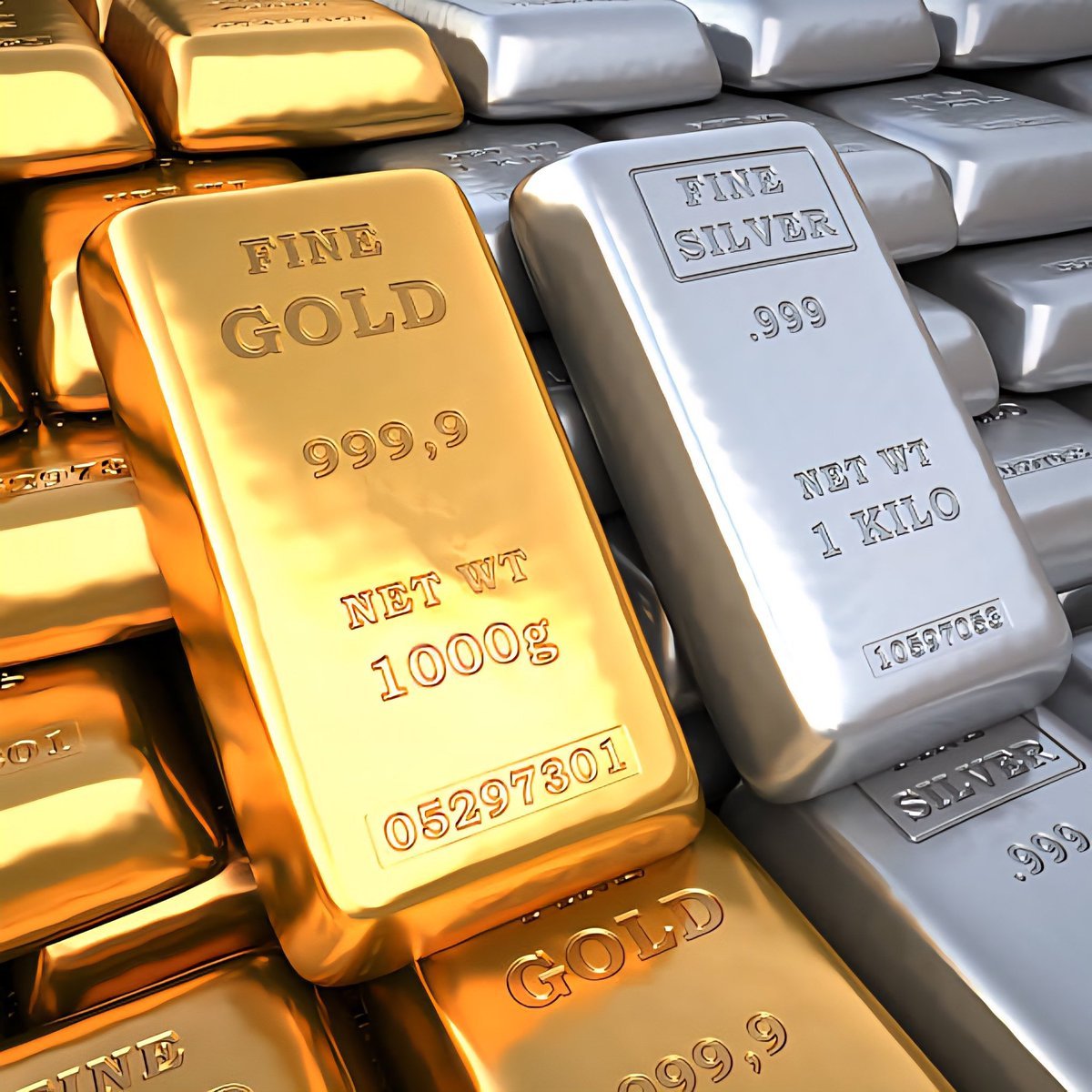
Gold retains its timeless appeal, with a market value of roughly $27.74 trillion. Its role as a hedge against inflation and economic uncertainty sustains demand among investors worldwide, especially during times of geopolitical tensions.
7. The U.S. Dollar Maintains Its Dominance
The United States dollar’s value is estimated at $22.80 trillion, reaffirming its status as the primary currency for global trade and reserve holdings. Its liquidity, stability, and widespread acceptance make it the cornerstone of international finance.
8. Iron Ore Powering Steel Production
Iron ore’s market value stands at about $19.74 trillion. As a fundamental raw material for steel manufacturing, its demand is closely tied to construction, infrastructure, and automotive industries.
9. European Euro Ranks High Among Currencies
The euro is valued at around $18.71 trillion, reflecting Europe’s economic strength. As a major reserve currency and medium of exchange for many countries, it plays a vital role in global financial markets.
10. Aluminum: The Lightweight Metal
Estimated at approximately $18.25 trillion, aluminum’s versatility finds applications across transportation, packaging, and construction industries. Its low density and recyclability continue to drive demand.
11. Copper: The Essential Conductive Metal
With a market cap near $18.04 trillion, copper’s importance in electrical wiring, electronics, and plumbing ensures its ongoing high valuation. The growth of renewable energy and electric vehicles further bolster copper demand.
12. Natural Gas: Cleaner Fossil Fuel Alternative
Valued at roughly $9.64 trillion, natural gas is increasingly seen as a bridge fuel in transition to renewable energy. Its use in electricity generation and heating remains significant globally.
13. Japanese Yen’s Market Strength
The Japanese Yen is valued at $8.00 trillion, serving as a crucial currency in East Asia and an important reserve asset.
14. Tech Giants Leading the Future: NVIDIA and Apple
NVIDIA’s worth exceeds $5.11 trillion, reflecting its dominance in graphics processing units, AI, and data centers. Apple follows closely with a valuation of $4.63 trillion, as its ecosystem continues to influence consumer technology and digital services.
15. Alphabet and Other Tech Powerhouses
Alphabet, the parent company of Google, holds a market cap around $4.36 trillion, while companies like Microsoft ($2.86 trillion) and Amazon ($2.64 trillion) demonstrate the growing valuation of the tech sector, shaping the digital economy.
16. Major Monetary Currencies and Assets
The British Pound, Swiss Franc, and Canadian Dollar hold valuations of approximately $4.31 trillion, $1.39 trillion, and $1.99 trillion, respectively. Their stability and global acceptance keep them significant in international finance.
17. Precious Metals: Silver and Nickel
Silver’s market value is about $3.41 trillion, heavily used in electronics and jewelry. Nickel, at roughly $2.17 trillion, is essential for stainless steel production and emerging battery technologies.
18. Strategic Energy and Minerals
Uranium, used in nuclear power, is valued at around $2.06 trillion, signaling its importance in clean energy generation. Zinc, at approximately $831 billion, is crucial for galvanization and construction materials.
19. The Rise of Semiconductor and Microchip Giants
Taiwan Semiconductor Manufacturing Company (TSMC) and companies like Micron Technology demonstrate the strategic importance of semiconductor manufacturing, valued at about $1.95 trillion and $1.11 trillion, respectively, fostering innovation in electronics and computing.
20. Space and Artificial Intelligence Ventures
SpaceX exemplifies private sector innovation with an estimated asset worth of $1.91 trillion in 2025. Similarly, Broadcom and other technology firms continue to drive advancement in digital infrastructure.
In 2025, the world’s asset landscape showcases a blend of traditional commodities, emerging tech giants, and dynamic currencies. While raw materials like coal and oil still command enormous valuations, digital assets and innovative companies are rapidly gaining ground, reflecting the shifting priorities in a global economy that’s increasingly driven by technology and sustainability.
Source: AssetMarketCap 2025