الوسم: World Cancer Day

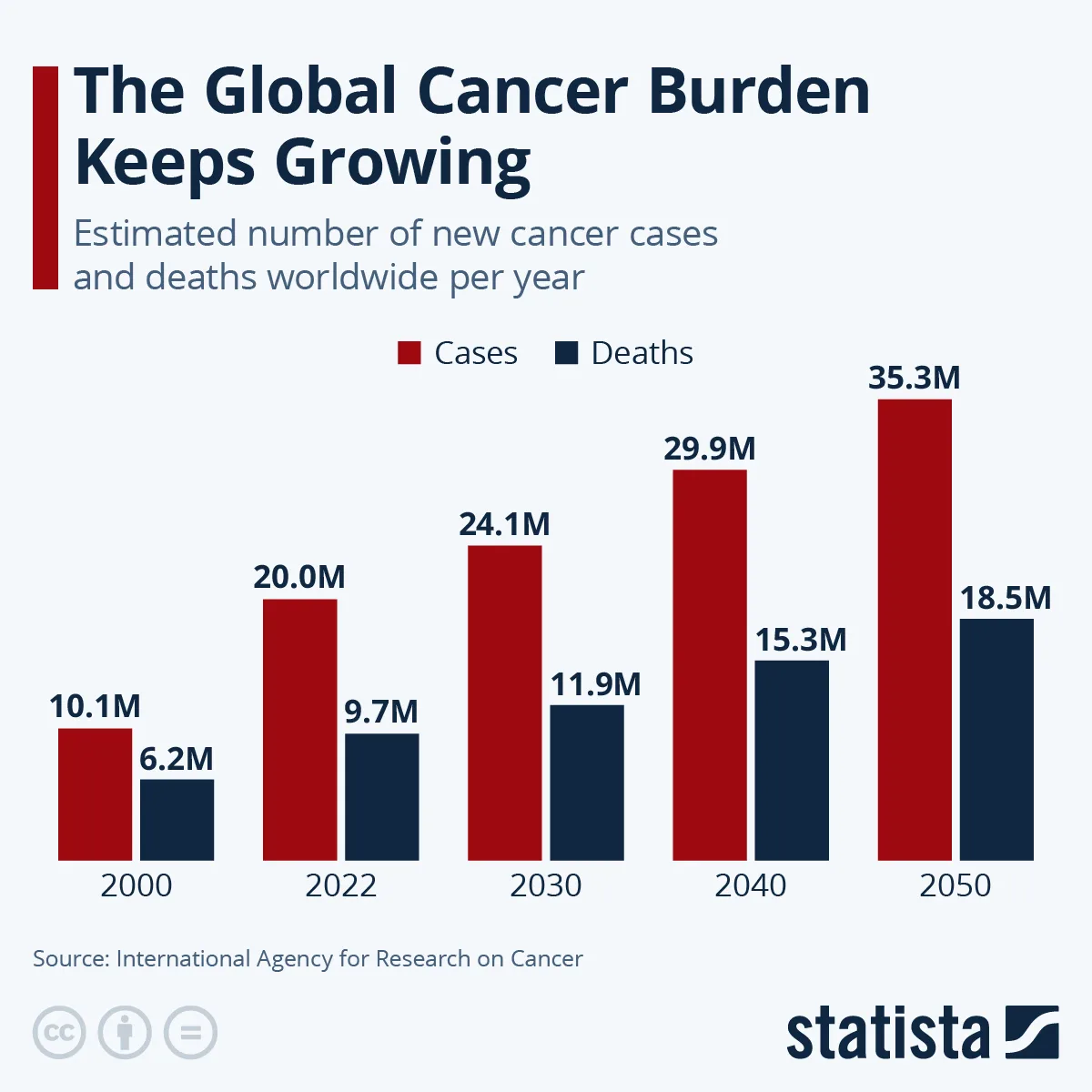
  • Global Cancer Cases Expected to Surge by 75% by 2050

    Global Cancer Cases Expected to Surge by 75% by 2050

    Understanding World Cancer Day

    World Cancer Day, observed every year on February 4, is a critical initiative aimed at raising awareness about cancer and promoting proactive measures for prevention, early detection, and treatment. Established in 2000 and spearheaded by the Union for International Cancer Control (UICC), this day serves as a global platform to unify efforts against the cancer burden that continues to escalate worldwide.

    The Rise of Global Cancer Cases

    Despite advancements in cancer research and treatment, the reality remains stark: the global cancer burden is on an upward trajectory. According to projections, new cancer cases are expected to increase by 20% between 2022 and 2030. This alarming trend anticipates a staggering rise of over 75% by 2050.

    Historical Perspective

    The International Agency for Research on Cancer (IARC) provides crucial statistical insights into the escalating cancer challenge. The agency reported approximately 10.1 million new cancer cases in the year 2000. Fast forward to 2018, and that figure more than doubled, with 20 million new cases recorded. Looking ahead, projections indicate that by 2050, we could witness a frightening 35 million new cancer cases annually.

    The Impact on Mortality

    According to the IARC’s latest World Cancer Report, cancer stands as one of the leading causes of premature mortality globally, accounting for deaths in individuals aged 30 to 69 years in 134 out of 183 countries. The toll is staggering, with nearly 10 million deaths attributed to cancer in 2022 alone.

    Lifetime Cancer Risk

    The IARC estimates that 1 in 5 individuals will develop cancer during their lifetime. Gender disparities exist, with approximately 1 in 9 men and 1 in 12 women succumbing to this devastating disease. Such statistics not only highlight the personal impact on families and communities but also underline the urgent need for comprehensive cancer care strategies.

    Economic Burden of Cancer

    Beyond the human loss, cancer imposes a significant economic burden. Recent studies suggest that the global cost of managing the 29 most prevalent cancer types is projected to exceed an astonishing $25 trillion between 2020 and 2050. This financial strain impacts healthcare systems, economies, and families, indicating that the fight against cancer is one that affects us all.

    Global Action and Awareness

    The statistics reveal the sobering reality of the global cancer burden, but they also highlight the importance of collective action. World Cancer Day is a time to galvanize public and private stakeholders to prioritize cancer prevention and treatment, invest in research, and enhance healthcare infrastructures. The day serves as a rallying point for individuals and organizations to promote education on cancer risks and advocate for health policies that support early detection and access to care.

    Conclusion: The Way Forward

    As we observe World Cancer Day, it becomes clear that addressing the multifaceted challenges posed by cancer requires unwavering commitment and collaboration across all sectors of society. The fight against cancer is not solely the responsibility of healthcare professionals; it is a shared endeavor that calls for collective vigilance and action to bring about meaningful change in the global cancer landscape.

  • Lung Cancer: 1.8M Deaths in 2022, 20% of Cancer Mortality

    Lung Cancer: 1.8M Deaths in 2022, 20% of Cancer Mortality

    Understanding the Impact of Lung Cancer Worldwide

    Lung cancer remains a pressing global health concern, representing a significant portion of cancer-related mortality. According to the International Agency for Research on Cancer (IARC), lung cancer accounted for more than 1.8 million deaths in 2022, making it the most lethal form of cancer worldwide.

    The Statistics Behind Lung Cancer Mortality

    Lung cancer’s grim statistics highlight its dominance as the leading cause of cancer death. In comparison, colorectal cancer, which ranks second in mortality, resulted in only half as many deaths as lung cancer. This stark contrast underscores the severe impact lung cancer has on global health.

    Global Rankings of Cancer Types

    The stark figures illustrate that lung cancer is not merely a health issue but a major global crisis. The three most lethal cancer types—lung, colorectal, and liver cancer—tend to affect predominantly male populations. In stark contrast, breast cancer is the leading cause of cancer death among women, resulting in approximately 666,000 fatalities in 2022.

    Incidence of Lung Cancer Cases

    With about 2.5 million new diagnoses in 2022, lung cancer remains the most commonly diagnosed cancer type globally. The data reveals a gender disparity in diagnosis rates:

    • Men: Approximately 1.6 million new cases
    • Women: Approximately 900,000 new cases

    These statistics position lung cancer not only as a significant health risk but also as a gendered issue that calls for targeted healthcare strategies.

    Comparison with Other Common Cancers

    The prevalence of other cancers, such as prostate and breast cancer, further emphasizes the unique position lung cancer occupies. For men, prostate cancer was the second most commonly diagnosed cancer in 2022, with nearly 1.5 million new cases. Among women, breast cancer led the statistics with around 2.3 million new cases.

    Evolving Trends: Lung Cancer in Never-Smokers

    While lung cancer has traditionally been associated with tobacco use, emerging research suggests a troubling trend. Rates of lung cancer among never-smokers are on the rise. This phenomenon has become a point of concern, particularly in East Asia and China, where environmental factors appear to play a critical role.

    Air Pollution as a Driving Factor

    The increase in lung cancer cases among non-smokers is attributed primarily to air pollution, especially particulate matter (PM) pollution. Recent studies indicate that around 200,000 lung cancer cases in 2022 were linked to ambient PM pollution. This connection between environmental health and cancer incidence emphasizes the necessity of addressing pollution levels to mitigate lung cancer risks.

    The Regional Focus: East Asia and China

    In regions such as East Asia, where industrialization and urbanization are prevalent, the correlation between air quality and lung cancer rates is particularly evident. This acute incidence compels health officials and policymakers to scrutinize urban planning, industrial regulations, and public health initiatives aimed at reducing pollution.

    Case Studies and Public Health Strategies

    Urban areas in China, known for their severe air quality issues, exemplify the urgent need for public health interventions. As lung cancer cases continue to rise in these regions, comprehensive strategies encompassing both prevention and early detection will be crucial in combating this growing health crisis.

    The Importance of Awareness and Education

    Campaigns aimed at increasing public awareness regarding lung cancer, its risk factors, and preventive measures are vital. Educational programs can help inform both smokers and non-smokers on the dangers posed by air pollution and the importance of seeking medical attention for suspicious symptoms.

    Final Thoughts

    As lung cancer continues to dominate global cancer statistics, understanding its complexities—from incidence rates and demographic trends to the changing landscape of risk factors—is essential for driving forward effective health policies and strategies aimed at reduction and prevention. By fostering a greater understanding of lung cancer’s global impact, we can work collectively to improve health outcomes across diverse populations.