الوسم: Workplace

  • تأثير الذكاء الاصطناعي في سوق العمل: 64% من الموظفين يستخدمون أدوات الذكاء الاصطناعي

    كيف يُعيد الذكاء الاصطناعي تشكيل عالم العمل بسرعة غير مسبوقة

    تحديات وفرص التكيف مع الذكاء الاصطناعي في مكان العمل

    تُظهر البيانات الحديثة أن الذكاء الاصطناعي يُعيد رسم معالم بيئة العمل بأسلوب سريع ومكثف، حيث لم يعد الخيار متاحًا أمام العاملين بل ضرورة ملحة للتكيف مع الواقع الجديد أو البقاء في الظل وفقدان القدرة على المنافسة. وفقًا لاستطلاع “توقعات ومخاوف قوة العمل العالمية 2026” الذي أجرته شركة PwC، والذي شمل حوالي 50,000 عامل من 48 دولة، يتضح أن هناك فجوة متزايدة بين من يرحبون بالذكاء الاصطناعي وطرق العمل الجديدة ومن يفتقرون إلى الفرص أو الدوافع أو الدعم لتطوير مهارات جديدة.

    انتشار استخدام أدوات الذكاء الاصطناعي بين العاملين

    نماذج من الاعتماد على أدوات الذكاء الاصطناعي

    وفقًا للاستطلاع، أشار حوالي 64% من المشاركين إلى أنهم استخدموا أدوات الذكاء الاصطناعي التوليدي خلال الاثني عشر شهرًا الماضية، وهو ارتفاع بنسبة 10% عن العام السابق. وما يثير الاهتمام هو أن أكثر من خُمس العاملين يستخدمون الذكاء الاصطناعي يوميًا، مما يعكس سرعة التغيير التي أحدثها هذا التكنولوجيا في حياة ملايين الأشخاص داخل المؤسسات. في المقابل، يبقى حوالي 36% من المستطلعين لم يستخدموا أدوات الذكاء الاصطناعي خلال نفس الفترة، و19% منهم فقط استخدموها مرة واحدة أو عدة مرات، مما يعكس وجود فئة من العاملين يُطلق عليهم “فئة المحرك” التي تعتبر أساس العمل اليومي ومع ذلك غالبًا ما تشعر بأنها قابلة للاستبدال أو خارج إطار فرص النمو.

    الفجوة بين الاستخدام المكثف والمتواضع للتكنولوجيا

    تشير النتائج إلى وجود فجوة واضحة بين من يستخدمون أدوات الذكاء الاصطناعي بشكل مكثف ومن يقتصرون على استعمال محدود. وترى شركة PwC أن الفئة الأخيرة من العاملين تمثل الجزء الأكبر من القوة العاملة، الأمر الذي يبرز أهمية دعم هؤلاء الموظفين وتوفير التدريب الكافي لهم لتمكينهم من الاستفادة الكاملة من إمكانيات الذكاء الاصطناعي وتحقيق تطور مهني مستدام.

    الاعتماد على وكلاء الذكاء الاصطناعي وتحدياته

    مستوى تبني وكلاء الذكاء الاصطناعي في مكان العمل

    بالانتقال إلى أدوات أكثر تقدمًا، يُشير الاستطلاع إلى أن تبني وكلاء الذكاء الاصطناعي – وهي أدوات يمكنها تنفيذ مهام كاملة بشكل مستقل مع أو بدون إشراف بشري – لا يزال منخفضًا على مستوى الاستخدام. إذ عبر 48% من المستطلعين عن عدم استخدامهم لوكلاء الذكاء الاصطناعي، وثلثاهم أشاروا إلى أن استخدامهم محدود جدًا. فقط 10% من العاملين يستخدمون وكلاء الذكاء الاصطناعي يوميًا، على الرغم من أن الخبراء يرون أن هؤلاء الوكلاء يُعدون مفتاحًا لتحقيق الاستفادة الكاملة من قدرات الذكاء الاصطناعي في بيئة العمل.

    الفرص والتحديات في اعتماد وكلاء الذكاء الاصطناعي

    يتيح تطوير واستخدام وكلاء الذكاء الاصطناعي إمكانية الأتمتة الكاملة لسير العمل، مما يُمكن الموظفين من التركيز على المهام ذات القيمة المضافة بدلاً من الأعمال الروتينية. لكن، يتطلب بناء واستخدام هذه الوكلاء قدرات ومعرفة تقنية متقدمة، الأمر الذي يوضح أن الانتشار الواسع لهذه التكنولوجيا مرهون بتوفير برامج تدريب مناسبة وتطوير مهارات العاملين ليكونوا قادرين على استعمالها بكفاءة وفعالية.

    ختامًا: كيف يمكن للعاملين وأصحاب العمل الاستعداد للمستقبل؟

    مع استمرار وتيرة التغيرات التكنولوجية، يتعين على العاملين وأصحاب العمل على حد سواء التفكير في تطوير مهاراتهم، وتبني ثقافة التعلم المستمر، واستثمار في التدريب الذي يتيح لهم الاستفادة القصوى من أدوات الذكاء الاصطناعي. إن نجاح المؤسسات يُعتمد على قدرتها على تمكين موظفيها من التكيف مع هذه التقنيات الجديدة، بحيث تصبح أدوات ملهِمة ومحفزة للابتكار والإنتاجية، لا مجرد أدوات استبدال.

  • 50%+ Say DEI Practices Benefit Disadvantaged Groups

    50%+ Say DEI Practices Benefit Disadvantaged Groups

    Understanding the Impact of Diversity, Equity, and Inclusion (DEI) Practices in the Workplace

    The workplace landscape is continually evolving, with an increasing emphasis on Diversity, Equity, and Inclusion (DEI) initiatives. A recent study conducted by the Pew Research Center sheds light on how these practices are perceived by Americans and their impact on various demographic groups. This blog delves into the findings of this research, offering insights into public opinion regarding the effectiveness of DEI initiatives.

    Overview of DEI Practices

    Diversity, equity, and inclusion practices are aimed at creating a workplace environment that acknowledges and embraces differences among employees. These initiatives seek to provide equitable opportunities, foster an inclusive culture, and celebrate diversity in all its forms. As organizations strive to implement these practices, understanding their implications on various groups is crucial for gauging success and areas for improvement.

    Public Perception of DEI Initiatives

    According to the Pew Research Center’s survey, a significant majority of Americans believe that DEI practices serve their intended purpose of supporting historically disadvantaged groups.

    Support for Specific Groups

    • Black Women and Black Men: Over 50% of respondents indicated that DEI practices positively impact Black women and Black men in the workplace.
    • Hispanic Women: A similar percentage reported that these initiatives are beneficial to Hispanic women, underscoring the effectiveness of DEI in promoting opportunities for marginalized groups.
    • Hispanic Men and Asian Women: Just under 50% of those surveyed felt that DEI programs also provide advantages to Hispanic men and Asian women, although support is slightly less robust compared to their Black counterparts.

    Mixed Feedback on Certain Demographics

    While many respondents acknowledge the positive impacts of DEI practices, opinions are more divided when it comes to certain demographic groups.

    Asian Men and White Women

    • Asian Men: Approximately 40% of participants viewed the effect of DEI initiatives on Asian men positively.
    • White Women: Only 30% felt that these practices were beneficial for white women, suggesting a more cautious optimism regarding their effect on this demographic.

    The Case of White Men

    The survey highlighted a notable trend concerning perceptions of DEI practices among white men. The data revealed that:

    • Negative Perception: A significant 36% of respondents believed that DEI initiatives have a detrimental effect on white men.
    • Positive Perception: In contrast, only 14% acknowledged any positive impact.
    • Neutral Perception: A considerable 34% of respondents felt that DEI policies have neither a positive nor negative effect on white men.

    This stark divide emphasizes a growing concern within this demographic regarding the ramifications of workplace diversity efforts.

    Political and Racial Divides in Perception

    The survey results also indicated disparities in how different demographic groups view the effectiveness of DEI practices, particularly along political and racial lines.

    Racial Perspectives

    • White Adults: White respondents were significantly more inclined to believe that DEI practices harm white individuals, particularly women and men.
    • Impact on White Women: The perception that DEI initiatives have a negative effect on white women is notably higher among white respondents compared to the general population.

    Political Perspectives

    • Republicans vs. Democrats: A clear ideological divide exists between Republicans and Democrats regarding DEI practices.
      • Republicans’ beliefs are particularly skeptical, with 56% asserting that DEI programs hurt white men.
      • In contrast, only 19% of Democrats shared this viewpoint, illustrating a significant partisan gap in the perception of DEI initiatives.

    Conclusion

    Understanding the varied perceptions of DEI practices among different groups is essential for organizations aiming to foster an equitable workplace. While many recognize the positive impacts of DEI initiatives on marginalized communities, an evident tension exists, particularly concerning how these practices are perceived to affect more privileged groups. These insights can help in refining and tailoring DEI strategies to accommodate diverse perspectives and promote a truly inclusive environment.

  • Workplace Trends: 20% WFH, 41% in Offices in 2023

    Workplace Trends: 20% WFH, 41% in Offices in 2023

    The Shift in American Work Dynamics Post-Pandemic

    The Impact of COVID-19 on Work Environments

    The COVID-19 pandemic prompted an unprecedented shift in how and where people work. With lockdowns and health protocols in place, millions of American workers transitioned to remote work almost overnight. This change not only altered day-to-day routines but also redefined the landscape of professional environments in the United States.

    The Rise of Remote Work

    Flexibility and Work-Life Balance

    One of the most significant benefits that emerged from the rapid adoption of remote work was the flexibility it offered. Employees managed their schedules more effectively, allowing for an improved work-life balance. The absence of a daily commute provided workers with extra time, which they could allocate to other responsibilities or personal activities. This newfound freedom was particularly beneficial for those juggling childcare or other home responsibilities.

    Customized Work Environments

    Remote work also allowed for the creation of personalized workspaces. Many employees took advantage of the opportunity to set up home offices tailored to their preferences, which often led to increased productivity. Whether it was through ergonomic furniture, preferred lighting, or ambient music, individuals found ways to create comfortable environments that suited their working styles.

    The Case for Traditional Offices

    Collaboration and Social Interaction

    Despite the advantages of remote work, traditional office settings continue to offer unique benefits that remote environments struggle to replicate. Offices encourage in-person collaboration, spontaneous brainstorming sessions, and social interactions, all of which can spark creativity and foster team cohesion. The informal exchanges that happen in break rooms or during coffee breaks can lead to innovative ideas and problem-solving that are often lost in virtual communication.

    Structure and Boundaries

    The traditional office setup also helps establish clearer boundaries between professional and personal life. A dedicated workspace enables individuals to "switch off" once their workday ends, reducing distractions commonly found at home. This structure can be crucial for maintaining focus during working hours and for creating a definitive separation between work and leisure, ultimately contributing to better mental health and well-being.

    The Emergence of Hybrid Work Models

    Combining Flexibility with Structure

    As organizations recognized the merits of both remote and in-office work, many began adopting hybrid models. These models aim to blend the two approaches, catering to the diverse preferences of employees while maximizing productivity. By allowing workers to split their time between the office and remote settings, companies can foster an adaptable work environment that caters to individual needs.

    Employee Preferences and Living Situations

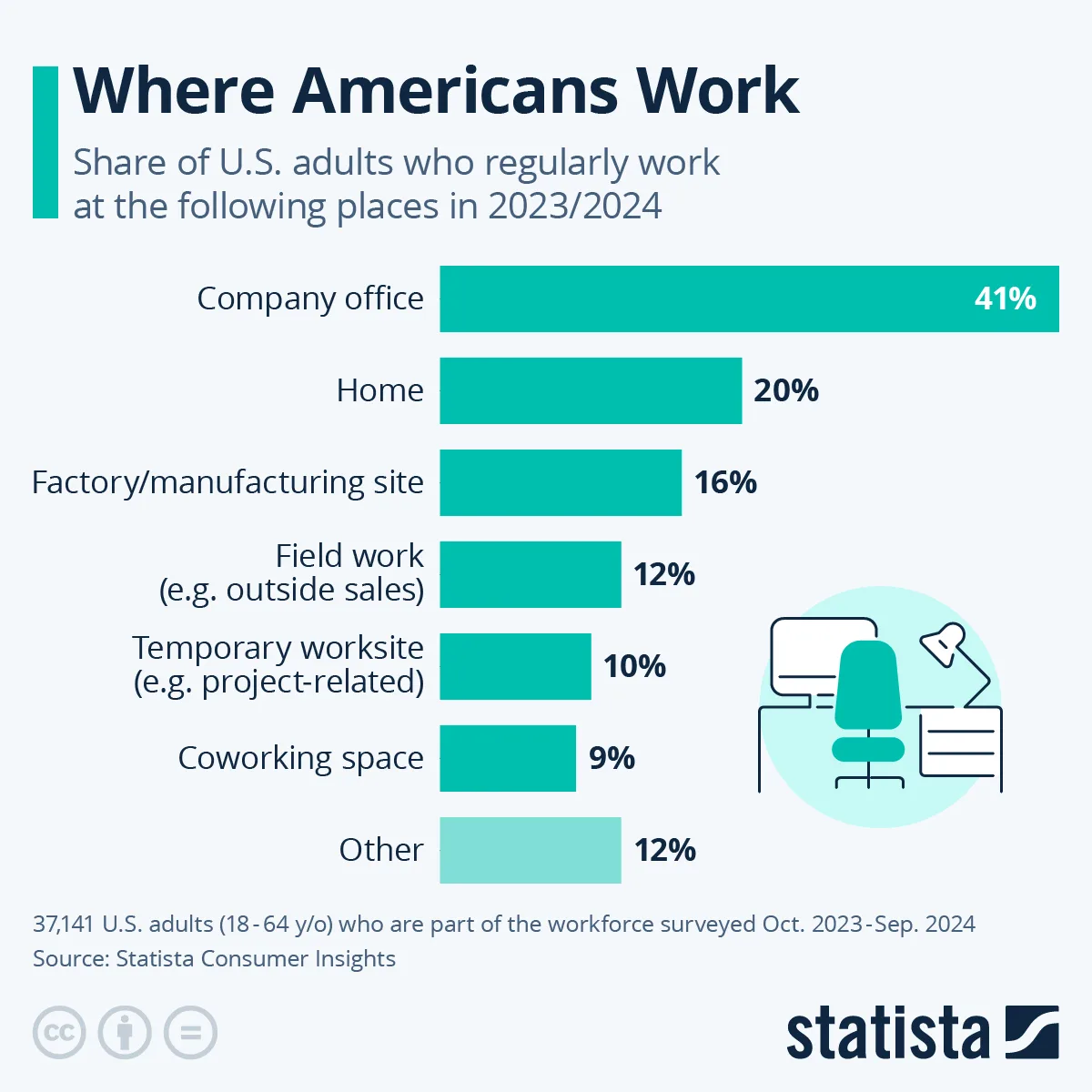
    According to data compiled by Statista Consumer Insights, various trends have emerged regarding American workers’ preferences. Currently, about 1 in 5 employees engage in regular remote work, while around 41 percent consistently work from a company office. This data reflects the growing demand for flexibility and the importance of understanding employees’ unique living situations and personal circumstances.

    Future Trends in Work Environments

    Evolution of Workspaces

    The ongoing transformation of work dynamics suggests that workplaces will continue to evolve. Employers must remain attentive to trends and employee feedback when developing policies that stipulate where and how work is conducted. Embracing flexibility while also facilitating collaboration will be crucial in attracting and retaining talent in a competitive job market.

    Technology’s Role

    Technology will play a pivotal role in shaping future work environments. The rise of advanced communication tools, project management software, and virtual collaboration platforms has made it easier to work effectively in any setting. Businesses will need to harness these technologies to create seamless experiences for their employees, whether they are working from home or in an office.

    Conclusion

    As the workforce adapts to new realities, the way Americans work will continue to evolve. By understanding the advantages and challenges presented by both remote and traditional office settings, organizations can develop strategies that effectively address the needs and preferences of their employees, ensuring productivity and satisfaction in the workplace.