الوسم: workforce

  • توقعات بفقدان 70% من الوظائف في 34 دولة خلال 20 عاماً بسبب الذكاء الاصطناعي

    مناقشة مخاطر وتحديات تطوير الذكاء الاصطناعي بسرعة

    شهدت الفترة الأخيرة تزايدًا في النقاشات حول تداعيات التطور السريع للذكاء الاصطناعي، حيث أصبحت بعض الأصوات تتحدث عن احتمالية حدوث كوارث بمستوى الانقراض نتيجة لاستعمال هذه التكنولوجيا بشكل غير مسؤول. على الرغم من ذلك، لا تزال مخاوف الناس العاديين تتجه نحو قضايا أكثر بدائية وأهمية، مثل فقدان فرص العمل.

    توقعات الباحثين حول مستقبل الوظائف وتأثير الذكاء الاصطناعي

    وفقًا لدراسة دولية أجراها مركز بيو للبحوث، أظهرت النتائج أن غالبية السكان في 34 من أصل 37 بلدًا شملها الاستطلاع يعتقدون أن الذكاء الاصطناعي سيمارس تأثيرًا سلبيًا على سوق العمل خلال العقدين القادمين. وتتوقع هذه الدراسات أن يكون أثر الذكاء الاصطناعي أقل من حيث خلق الوظائف، وأكبر من حيث تقليلها، خاصة في الدول ذات الدخل المرتفع. على سبيل المثال، أكثر من 70% من المشاركين في استبيانات أمريكا، كوريا الجنوبية وأستراليا يتوقعون فقدان وظائف مرتبط بالذكاء الاصطناعي.

    علاقة الوعي بالذكاء الاصطناعي بمخاوف فقدان الوظائف

    هناك ملاحظة مهمة تشير إلى وجود علاقة بين مستوى الوعي بالذكاء الاصطناعي والخوف من فقدان الوظائف. فبما أن حوالي نصف السكان ممن شملهم الاستطلاع كانوا على اطلاع كبير على موضوع الذكاء الاصطناعي، فهم أكثر احتمالًا لتوقع أن تؤدي هذه التكنولوجيا إلى تقليل فرص العمل بدلاً من زيادتها. هذا يعكس أن المعرفة المتزايدة قد تعزز من وعي الأفراد بالمخاطر المحيطة بتقنيات الذكاء الاصطناعي على سوق العمل.

    الفئة الأكثر عرضة للخطر وتأثير التكنولوجيا على الشباب

    من الملاحظ أن توقعات فقدان الوظائف بسبب الذكاء الاصطناعي كانت أكثر شيوعًا بين الشباب، الذين يُعتبرون الأكثر عرضة للخطر من فقدان فرصهم بسبب الأتمتة. إذ تقوم المهام التي كانت مخصصة في السابق للعمالة المبتدئة بالانتقال إلى الآلات، مما يقوض طرق تعلمهم واكتساب الخبرة، ويجعلهم أقل قدرة على التأقلم في سوق العمل سريعة التغير. هذا الاتجاه قد يعيق تطورهم المهني ويخلق مشكلة طويلة الأمد في توفير فرص عادلة ومتكافئة للجميع.

    التحديات التي تواجه صناع السياسات في مواجهة تغييرات سوق العمل

    أمام هذه التحديات، يواجه صناع السياسات مهمة صعبة في وضع أُطُر تنظيمية تساعد على تكييف العمال، والشركات، والاقتصادات مع الحقائق الجديدة. بدون وجود تنظيم فعال، وبدون توفير فرص للتعليم وإعادة التأهيل بشكل عادل، قد يؤدي الاعتماد الكثيف على الذكاء الاصطناعي إلى تعميق الفجوة بين الطبقات، وتقويض الطبقة الوسطى، وربما حتى الانهيار التام لنظم الحماية الاجتماعية، مع عواقب قد تصل إلى ارتفاع معدلات البطالة الجماعية وتهديد استقرار المجتمعات.

  • Indian Workers Train AI Robots to Replace Their Jobs

    Indian Workers Train AI Robots to Replace Their Jobs

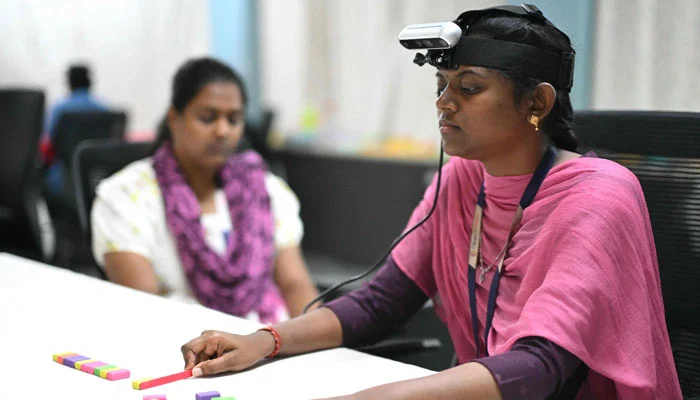
    A female worker in Tamil Nadu’s Karur district, equipped with a head-mounted RGB camera, captures her actions through motion capture while organizing colored blocks at the AI data company Objectways’ office, as reported by AFP.

    Clad with a smartphone on her head, Nagireddy Sriramyachandra, an Indian housewife, films herself as she slices mangoes to help train AI-powered robots for household tasks in the future. Her simple recordings, earning her just over two dollars per hour, are highly valued by global tech corporations seeking to teach machines how to operate like humans in real-world settings.

    At 25 years old, she represents a growing number of thousands of AI system trainers across India. “Who else would pay INR 250 an hour just to do housework?” Sriramyachandra remarks from her Chennai kitchen. She also hopes she might get a robot of her own someday.

    While chatbots and image generators process massive amounts of digital data easily, designing systems capable of navigating physical environments remains complex. Developers believe that feeding first-person footage—known as “egocentric data”—to specialized AI models can teach robots to imitate human movements. Some trainers work from home, while others in factories or dedicated studios, using video glasses, head-mounted cameras, and motion sensors.

    Sriramyachandra explains that her recordings often prompt alerts like “‘hands not detected’” when not recorded properly, and she uploads these via an app to Objectways, which has offices both in India and the U.S. and serves Fortune 500 companies, including collaborations with Amazon SageMaker for machine learning development.

    The humanoid robot industry is experiencing rapid growth, with Morgan Stanley forecasting over a billion robots in use by 2050 mainly for industrial and commercial purposes. “Folding clothes, making coffee, cooking—particularly specific tasks like sandwich preparation,” says Ravi Shankar, Objectways’ head, listing the types of footage clients request. “Certain jobs will be automated so humans can focus on better things.”

    In India, the emerging field of spatial AI is creating new job opportunities—at least for now. Though the company’s CEO is based in the U.S., he hires from Tamil Nadu, a key hub for tech talent. At a textile factory in Karur, workers are seen wearing head cameras and smart glasses supplied by Objectways as they attach labels to caps and iron cloth bags. India has positioned itself as a global intermediary for creating, processing, and annotating AI data.

    “These data collection services are likely to grow,” states Aditi Surie, a digital labor expert from the Indian Institute for Human Settlements in Bengaluru.

    India is rapidly developing its AI sector, but officials recognize that alongside the promised benefits, automation also presents risks. Niti Aayog, a government think tank, notes that most discussions around AI and employment focus on white-collar jobs, predicting significant job losses without urgent government action. Little attention, the report emphasizes, is given to how AI could assist the 490 million informal workers who underpin India’s economy. The report examines how AI might impact various professions, from cobblers and sewer cleaners to farmers and tea vendors.

    Ponni, 55, from Bengaluru, has been making flower garlands on the roadside for over a decade. She, too, has had a phone strapped to her forehead for data collection. “Future generations… who might have to do similar work, will face challenges,” she comments.

    In Objectways’ studio, trainers film themselves performing household chores inside mock-up, fully furnished apartments. After thousands of hours of filming, the set is refreshed with new wallpapers to provide variety. Rani N., 21, an engineering graduate, takes breaks between sessions of folding towels, stating that she records around 90 videos a day, often in every corner of the bed. She finds the job “tolerable” but admits it makes her feel as though she’s constantly wearing a camera.

    Other colleagues arrange and record household objects like pencil sharpeners, water bottles, and crayons using depth-sensing cameras. A subcontractor, Qanat Consulting in Andhra Pradesh, supplies recordings to a dozen larger data firms, relying on about 2,000 contributors who wear motion-sensor bands on their limbs—according to CEO Thaslim Pattan.

    Meanwhile, Manish Agarwal from Bengaluru-based Humyn Labs, not affiliated with Objectways, records conversations alongside videos to help analyze speech patterns for clients. He believes that robots won’t replace human jobs but will instead work alongside humans. “Today, a welder in India might be managing an industrial robot in Prague,” he says.
  • 13-14% of Construction, Ag Workforce: Undocumented Labor Impact

    13-14% of Construction, Ag Workforce: Undocumented Labor Impact

    The Role of Undocumented Workers in the U.S. Economy

    The presence of undocumented immigrants in the U.S. workforce has long been a topic of debate and analysis. According to a recent report published by the American Immigration Council, certain sectors of the American economy heavily depend on undocumented labor. This blog explores the nuances of this workforce, shedding light on their demographic, industry-specific distribution, and the broader implications for the U.S. economy.

    The Demographic Breakdown of Undocumented Workers

    The U.S. is home to approximately 7.5 million undocumented workers, representing around 4.6% of the total workforce. This demographic primarily consists of younger individuals, contributing to a higher participation rate compared to the general population, which only includes 3.3% undocumented immigrants. Understanding the demographic structure provides insight into the types of jobs these workers occupy and the vital roles they play across various industries.

    Key Industries Reliant on Undocumented Labor

    Construction

    One of the most significant sectors reliant on undocumented labor is construction. Current statistics reveal that between 13-14% of the construction workforce is undocumented. Jobs in this industry, often characterized by their physical demands and lack of attractive incentives, are increasingly filled by undocumented individuals, particularly in roles such as:

    • Plasterers
    • Stucco masons
    • Drywall installers
    • Ceiling tilers
    • Roofers

    In 2022, it was estimated that more than one-third of these occupations were held by undocumented workers. Additionally, one-quarter of construction laborers and agricultural graders also fall under this category. The expulsion of these workers could disrupt construction projects nationwide, highlighting the sector’s dependency on this labor force.

    Agriculture

    Agriculture is another critical sector that relies heavily on undocumented labor, with estimates indicating that various roles within this industry similarly reflect the employment demographics seen in construction. Many agricultural laborers, graders, and sorters are undocumented. The labor-intensive nature of agricultural work, combined with relatively low wages and challenging conditions, deter U.S. citizens from engaging in these positions, thus leading to a reliance on undocumented immigrants.

    Hospitality and Services

    In the hospitality sector, estimates indicate that about 7.1% of the workforce is undocumented. Roles that often see significant undocumented participation include:

    • Housekeeping cleaners
    • Kitchen staff

    These jobs are frequently undesirable to the domestic workforce due to their low pay and strenuous nature. Consequently, they are often filled by undocumented workers who are willing to take on these tasks, pointing to an essential function in maintaining operations within hotels, restaurants, and similar establishments.

    Broader Implications for the U.S. Economy

    The research indicates that a significant reduction in the number of undocumented workers, particularly through deportation policies, could trigger a ripple effect across various sectors of the U.S. economy. The potential loss of millions of workers in critical industries could lead to labor shortages, increased operational costs, and potential delays in projects, ultimately impacting the broader American workforce.

    Economic Contributions

    Despite their status, undocumented workers contribute significantly to the economy, from tax contributions to filling essential roles in sectors that keep the economy afloat. Their presence allows for more affordable services, which is crucial in areas like agriculture and hospitality, where consumer prices could otherwise increase due to labor shortages.

    The Stakes Ahead

    As the conversation around immigration reform and labor policies continues, the reliance on undocumented immigrants in the U.S. economy cannot be overlooked. Policymakers face the challenge of balancing the need for comprehensive immigration reform while recognizing the contributions and reliance on undocumented labor. Understanding this dynamic is critical to shaping the future landscape of the U.S. workforce.