
الوسم: washer

  • LG SIGNATURE WM9900HSA Review: Stylish and Fun Washer

    LG SIGNATURE WM9900HSA Review: Stylish and Fun Washer

    LG SIGNATURE WM9900HSA

    MSRP $2,499.00

    “A new class of washer that unapologetically exudes premium quality with impressive features.”

    Pros

    • Generous capacity
    • Thoughtful automation features
    • Elegant design and sturdy build
    • Consistent cleaning power
    • Quiet operation without disruptions

    Cons

    • Expensive for a washer
    • Sunlight can make the display hard to read
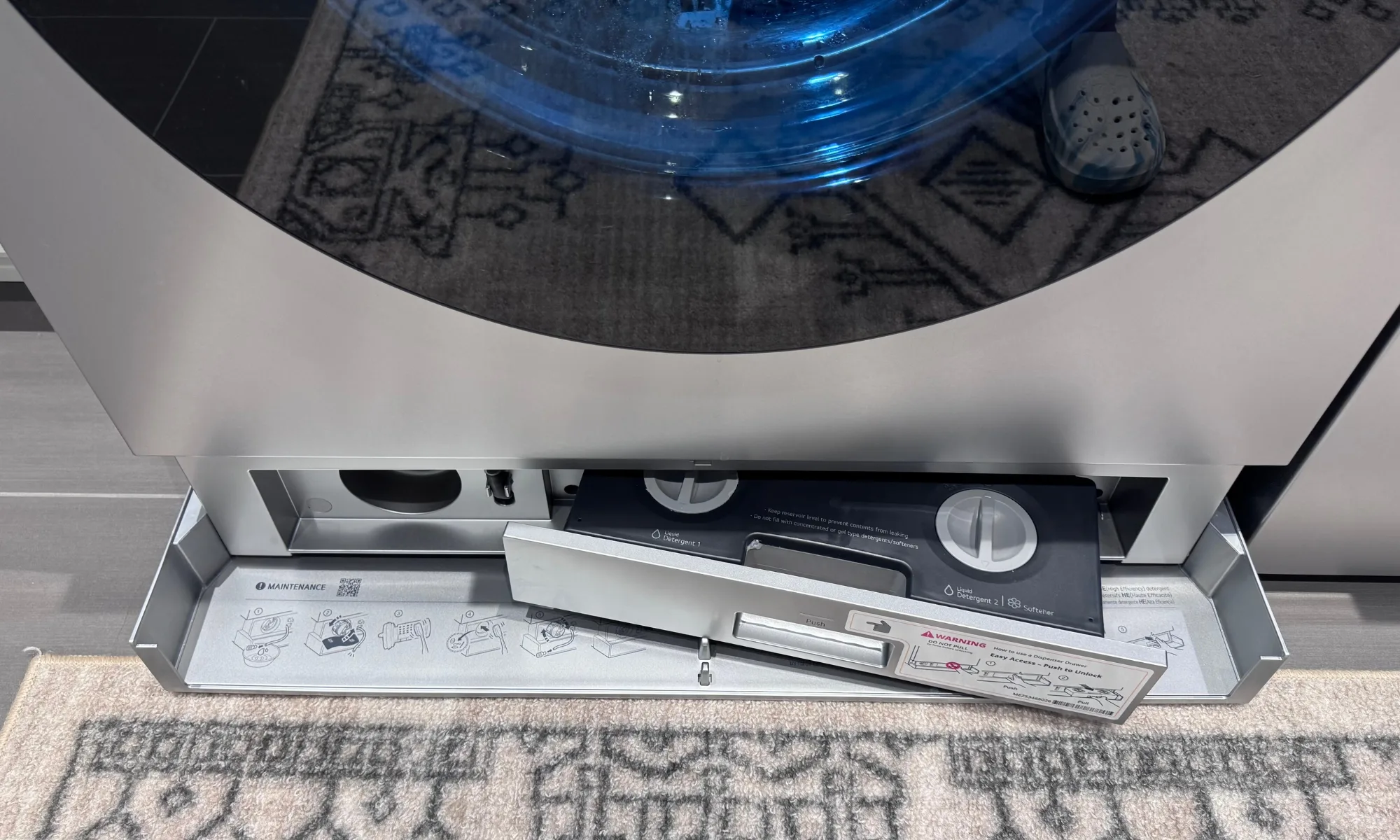
    • Low placement of the dispenser drawer can be inconvenient
    • Remote start feels unnecessary

    Quick Overview

    The LG SIGNATURE WM9900HSA is the result of LG pouring every available technology into a sleek front-load washer, combined with their signature minimalistic yet highly functional design. My kids refer to it as the Cybertruck of washers, and while that may be a bit much, it highlights its bold, futuristic aesthetic. Its 5.8-cubic-foot drum is the largest you’ll find outside of commercial laundromats. The 7-inch LCD touchscreen replaces traditional buttons, and the ezDispense system means you can go weeks without touching a detergent bottle. After testing it with the everyday laundry of my family—including towels, delicate fabrics, and heavily soiled sports clothes—the washer performs as impressively as it looks, surpassing most in the market.

    However, with a current price of $1,899 (as of July 3, 2026), down from $2,499, this is a significant investment. The touchscreen can be difficult to read in direct sunlight, the dispensing drawer’s low placement risks accidental bumps, and LG’s remote start implementation is overly cautious, making it practically useless. These aren’t dealbreakers but are important considerations before making such a purchase.

    If you desire maximum capacity, an advanced display, and a highly automated detergent system and your budget allows, the WM9900HSA is an excellent choice. Otherwise, LG’s WM6700HBA offers much of this performance at about half the price.

    LG SIGNATURE WM9900HSA Specs

    Spec Details
    Type Front-load washer
    Capacity 5.8 cu. ft.
    Max spin speed 1,300 RPM
    Wash programs 26 with 22 options
    Efficiency ENERGY STAR Most Efficient; CEE Tier 3; IMEF 3.2; IWF 2.6
    Dispenser Automatic ezDispense for detergent and softener
    Display 7-inch touchscreen LCD
    Dimensions (WxHxD) 29 x 40.75 x 31.125 inches (54.3 inches deep with door open)
    Weight 217 pounds
    Electrical 120V, 12 amps
    Finish Brushed platinum steel
    Warranty 1 year parts/labor; 10-year direct-drive motor; 10-year drum
    Price $1,899 (as of July 3, 2026)

    Prices may vary depending on region and retailer.

    Design and Construction
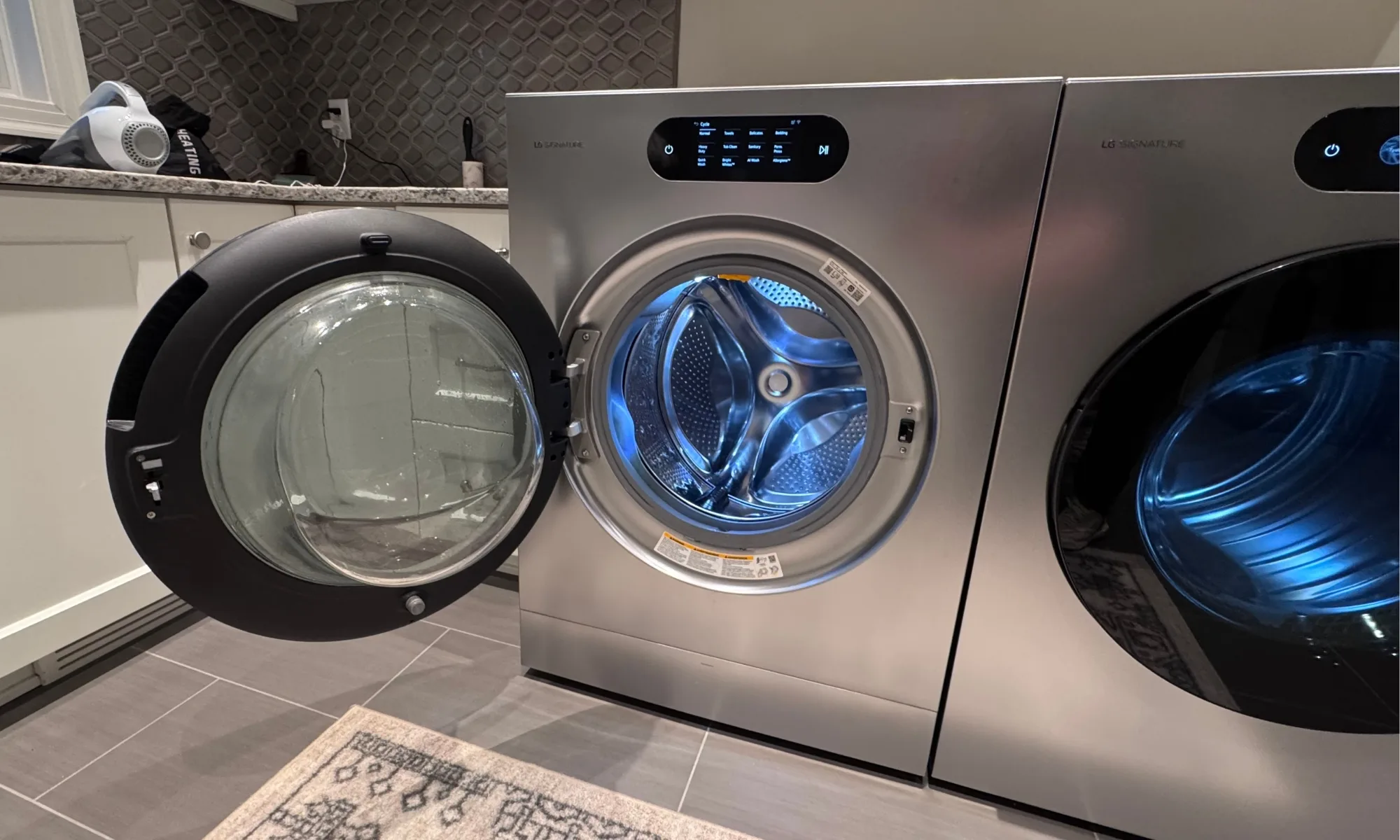
    This appliance commands attention with its brushed platinum steel housing, tempered-glass door with chrome rim, and nearly buttonless interface—making it feel more like a piece of modern furniture. It’s the first thing people notice, and even after months of use, I never tire of its striking appearance. The drum is crafted from LG’s NeveRust stainless steel, illuminated by an interior light, and powered by a 10-year-inverter direct-drive motor, backed by LG’s warranty.

    The interface is dominated by a 7-inch LCD touchscreen instead of traditional dials and small displays. It’s responsive, though sometimes a bit slow when swiping. Every cycle parameter, including temperature, spin speed, and soil level, is accessible within a few taps. You can customize your favorite cycles for quick access. A notable drawback is that in bright sunlight, the screen can be hard to see. For dark or windowless laundry rooms, this isn’t an issue; in bright environments, it can be challenging.
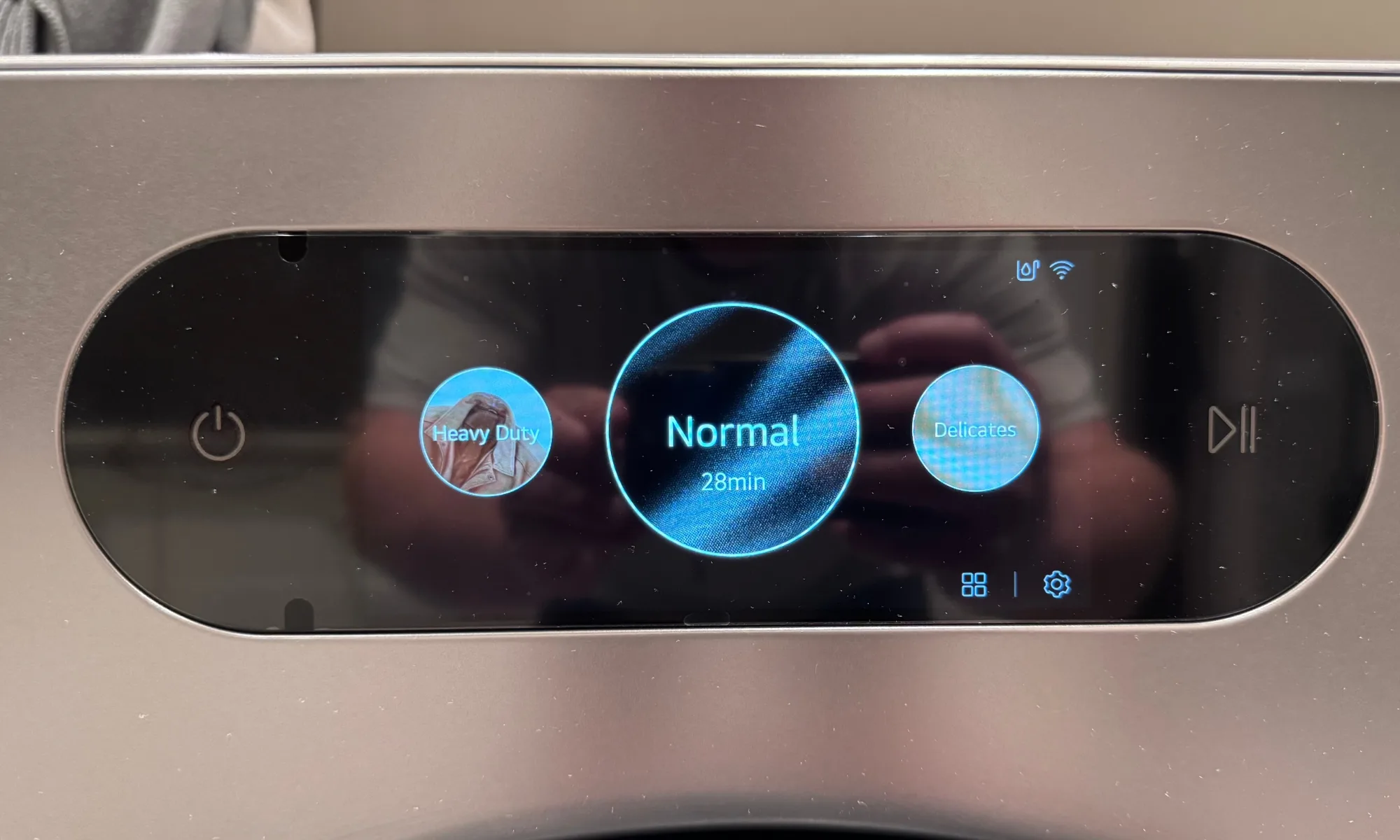
    Overall, the design feels robust and luxurious. The build quality is evident in every touchpoint, from the sturdy cabinetry to the smooth finish. Despite the advanced technology, the machine’s aesthetic remains clean and uncluttered, fitting seamlessly into a premium laundry space.

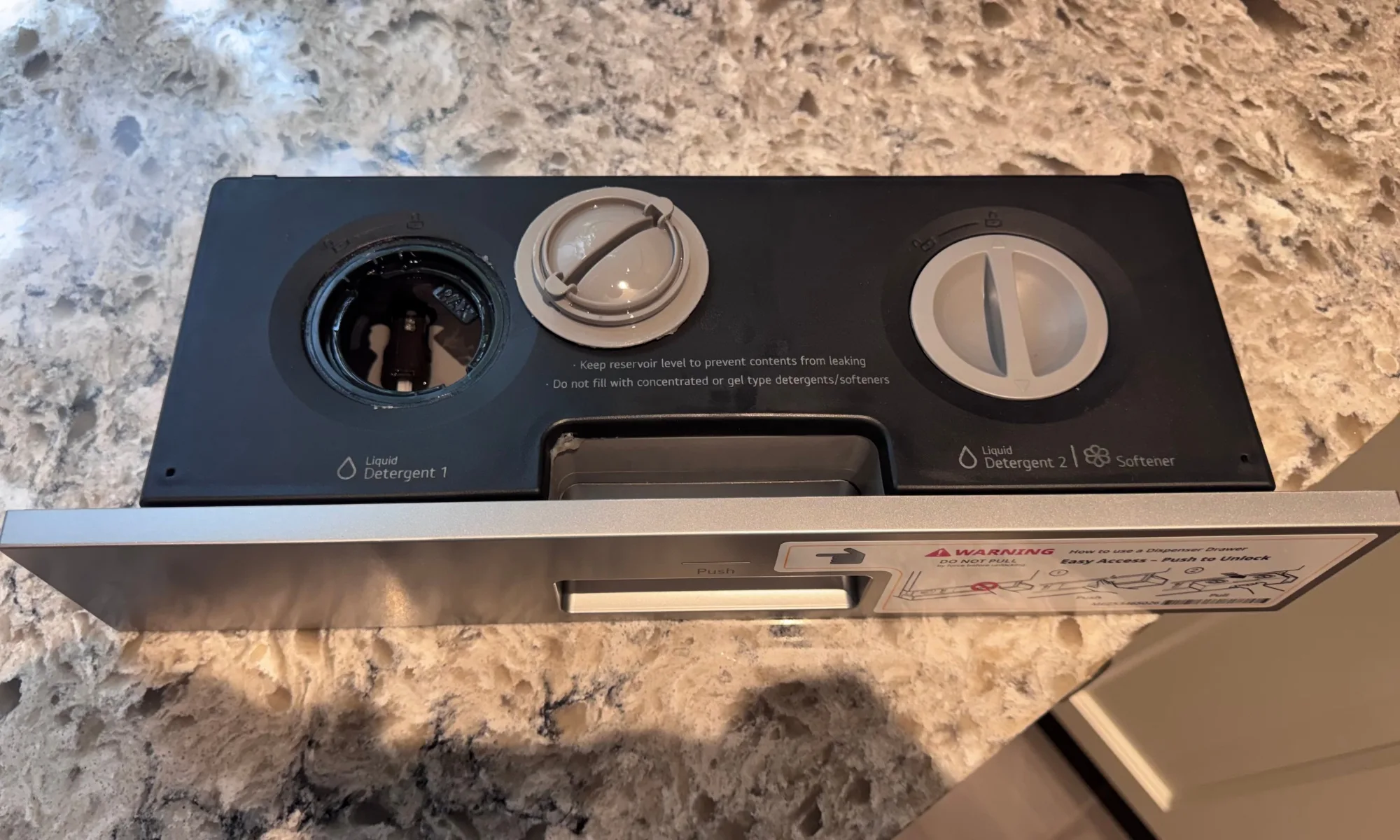
    My only real design critique revolves around the ezDispense drawer. Its low placement can lead to accidental bumps, and its fragile feel contrasts with the otherwise heavy-duty construction. While I never damaged it, caution is advised during loading and unloading.

    Measuring 29 inches wide, it exceeds the standard 27-inch width, so verifying available space beforehand is essential. It’s compatible with LG’s WDP8S pedestal, the SideKick mini washer, and can be stacked with the matching dryer using LG’s stacking kit.

    Installation and Setup
    At 217 pounds and 29 inches in width, this is a sizable unit. Installation is best handled by professionals, especially if you’re unfamiliar with plumbing connections—LG offers a concierge service to assist with setup, which I used. The typical setup involves connecting hot and cold water lines, a drain pipe, and a standard 120V outlet.

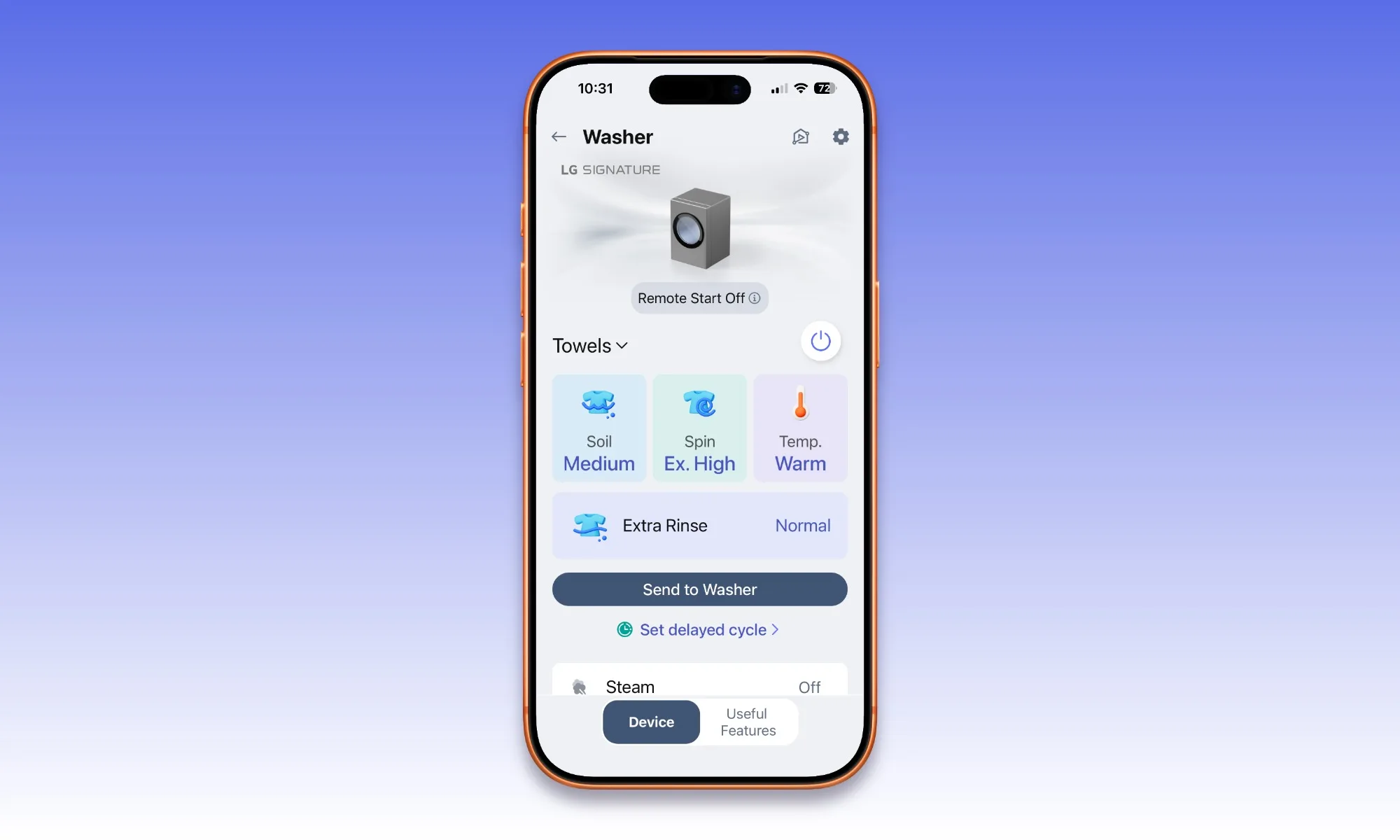
    Once installed and leveled, configuring the washer takes roughly 10 minutes. It connects to Wi-Fi via LG’s ThinQ app, guiding you through registration. The touchscreen makes initial setup straightforward, allowing you to customize cycle preferences. Filling the ezDispense reservoirs for detergent and softener is simple; a single fill suffices for roughly 20 to 36 loads, depending on load size and soil level. During my testing, I went weeks without refilling, and I prefer using fabric softener sheets, which I added manually instead of the softener dispenser.

    Cleaning Performance
    Performing at the high end of expectations for its price point, this washer consistently delivers excellent cleaning results. TurboWash 360, LG’s multidirectional spray technology, reduces full-cycle times to under 30 minutes without sacrificing cleaning quality. AI Wash, an intelligent system that automatically adjusts settings based on load size and fabric type, proved reliable in my experience, handling all kinds of loads seamlessly.

    The large 5.8-cubic-foot drum accommodates sizeable items like king-size comforters, multiple towels, and bulky rugs in a single cycle, saving time for large households. The capacity alone can free up weekends typically spent on laundry chores.
    Overall, this washer handles dirty loads with ease, maintaining consistent cleaning performance. Its efficiency features help minimize water and energy consumption, making it environmentally friendly without compromising results.

    Smart Features and the ThinQ App
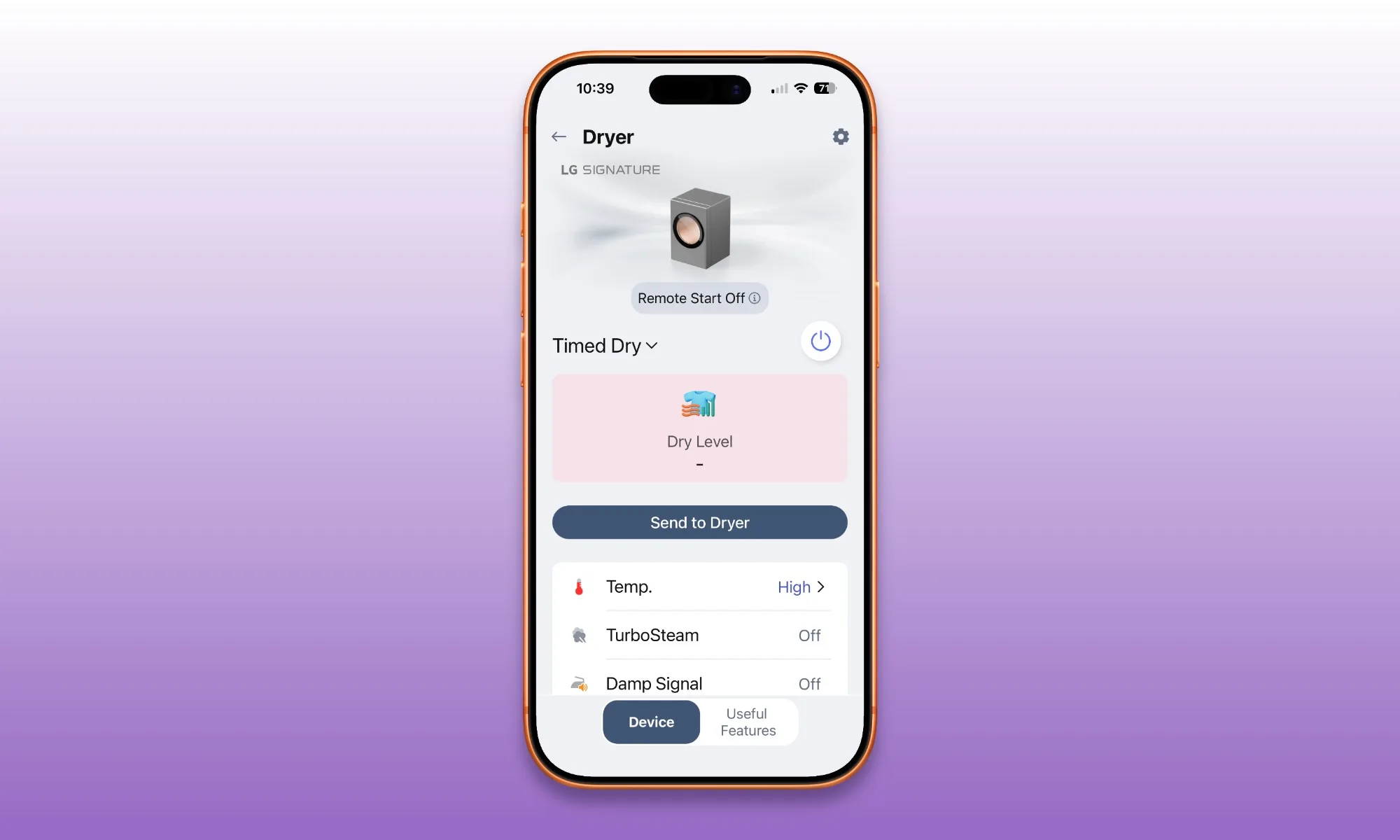
    The ThinQ app allows remote control, cycle monitoring, and setting adjustments, all reliably functioning during my use. Notifications alert you when a cycle completes, which is especially helpful if the laundry area isn’t visible from your main living space. You can create routines, download new cycle options, and the washer can communicate with the matching dryer to pre-select drying settings based on the load information. Compatibility with Google Assistant and Amazon Alexa is supported, though I haven’t had a chance to test these integrations. The app feels actively maintained, with regular updates adding features like new routines and music options.
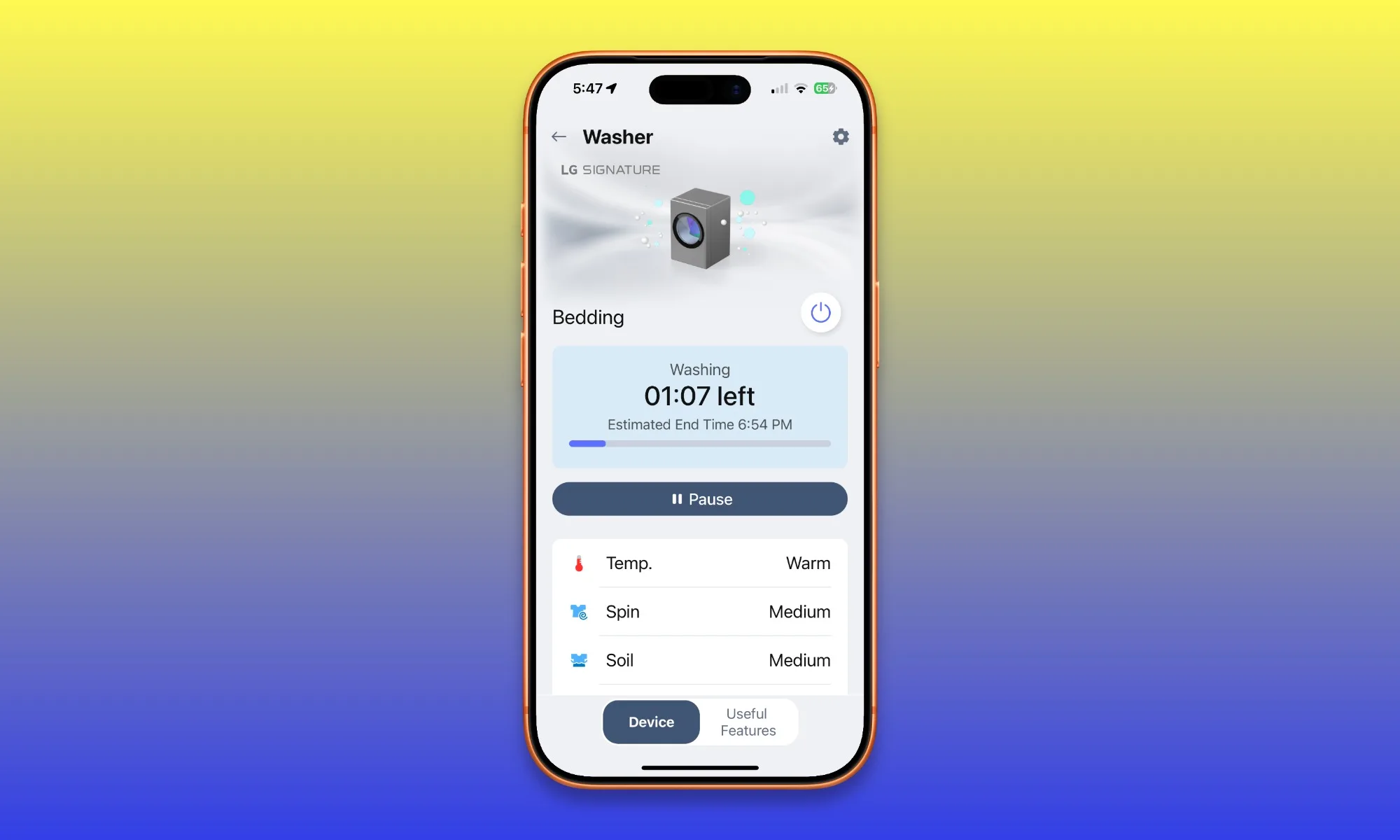
    The biggest frustration lies in the remote start function. Due to safety concerns, you must manually enable Remote Start on the washer before the app can initiate a cycle. If you’re already standing at the machine, it’s quicker just to press start directly. LG’s approach simplifies liability but diminishes the feature’s convenience, leaving it less useful than advertised.

    Testing Methodology

    I used this washer as my household’s primary laundry machine for several months, testing various loads—including cottons, synthetics, delicates, towels, king-size bedding, and heavily soiled sportswear. I examined cycle options such as Normal, Heavy Duty, Delicates, Quick Wash, Sanitary, and Allergiene, verifying ezDispense accuracy over multiple loads. The machine was paired with the LG DLEX9900S dryer, and LG handled the installation for me—standard plumbing and electrical requirements apply.

    Comparable Alternatives

    LG’s own WM6700HBA, with a 5.0-cubic-foot capacity and TurboWash 360, offers much of the same functionality at roughly half the cost but lacks the SIGNATURE finish and extra drum space. Samsung’s Bespoke WF53BB8900 (5.3 cu. ft.) adds AI OptiWash and auto-dispense but trails LG in network reliability. Electrolux’s ELFW7637AT (4.5 cu. ft.) remains popular for cleaning performance at a significantly lower price—though it sacrifices capacity and smart features.

    Is the LG SIGNATURE WM9900HSA Right for You?
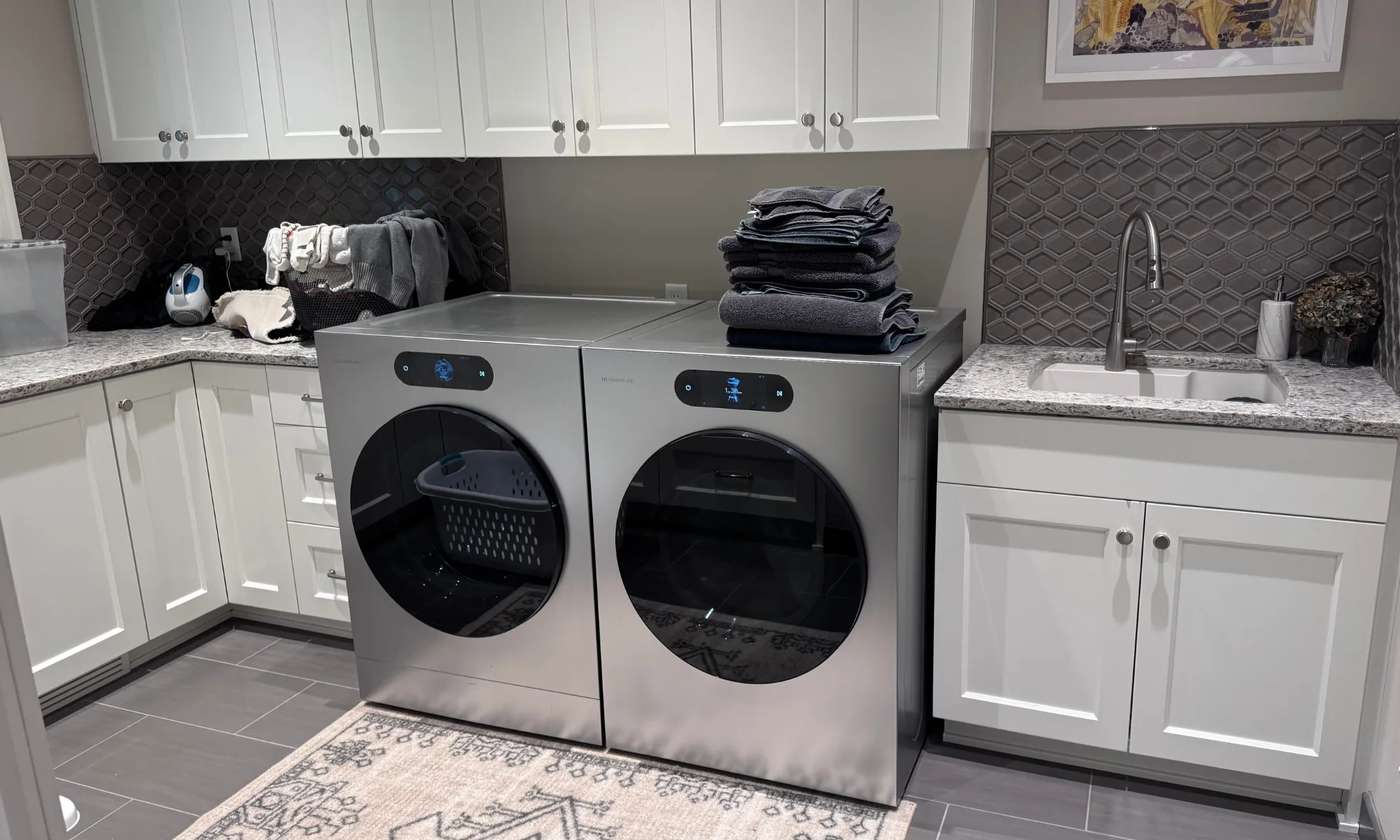
    At $1,899, it’s a premium investment. The design, features, and performance justify the cost for those who want a state-of-the-art laundry setup and have the space to accommodate its size. Its smart capabilities and large capacity make it ideal for big households and tech enthusiasts. However, its sunlight-sensitive display, fragile dispenser drawer, and cautious remote start may be dealbreakers for some. For those seeking a high-end, feature-rich front-loader with an exceptional aesthetic, the WM9900HSA stands out as the top contender.

    Overall Score: 8.5/10

    Frequently Asked Questions

    Is 5.8 cubic feet larger than I need? For singles or couples, probably yes. A 4.5 cu. ft. machine would suffice. For larger families or those washing king-sized bedding regularly, the extra capacity reduces the number of loads.

    Will it fit in my space? With a width of 29 inches, it’s 2 inches wider than a standard 27-inch washer. Ensure your space and doorways can accommodate this size before purchasing.

    How do I prevent mold and odors? Leave the door and dispenser slightly open between loads, dry the door gasket after washing, use only HE detergents with correct dosing (ezDispense manages this automatically), and periodically run the Tub Clean cycle when prompted. Using a magnet on the door to keep it ajar can also help prevent buildup.

    Does ezDispense require special detergent? No, any HE liquid detergent or fabric softener works. One refill can last between 20 to 36 loads, depending on load size and soil level.

    Can it be stacked with the dryer? Yes, it supports LG’s matching DLEX9900S (electric) or DLGX9901S (gas) dryers using the appropriate stacking kit, or you can place it on a compatible pedestal.


  • Which brand of washer and dryer is the most reliable?

    Which brand of washer and dryer is the most reliable?

    When it comes to maintaining a clean household, a washer and dryer set is a pivotal investment. Reliability, efficiency, and longevity are key factors that influence buying decisions, and consumers often lookout for brands that exceed expectations. Below, we explore some of the most reliable washer and dryer brands, examining their features, customer service, and reputation in the market.

    Top Brands for Reliability

    1. Whirlpool

    Whirlpool has long been a household name in the appliance industry, known for durability and performance.

    Features:

    • Build Quality: Sturdy construction designed for long-term use.
    • User-Friendly: Intuitive controls and settings for a straightforward experience.
    • Technology: Offers smart features for automated cycles and maintenance alerts.

    Customer Feedback:

    • Positive Reviews: Many users report minimal repair needs and exceptional performance over years of use.
    • Service Support: Reliable customer service with a robust warranty program.

    2. LG

    LG stands out for integrating advanced technology with modern design.

    Features:

    • Energy Efficiency: High Energy Star ratings that save on utility bills.
    • Innovative Design: Front-loaders provide easy access and promote better washing practices.
    • Steam Technology: Eliminates wrinkles and sanitizes clothes effectively.

    Customer Feedback:

    • Interactive Features: Many users appreciate the app connectivity and diagnostic features for troubleshooting.
    • Durability: Reports of long-lasting appliances with few issues.

    3. Samsung

    Known for its innovation, Samsung appliances dominate with cutting-edge technology and sleek aesthetics.

    Features:

    • Smart Technology: Wi-Fi connectivity for remote management and cycle monitoring.
    • Vibration Reduction: Quieter operation, making them ideal for apartments or small homes.
    • Large Capacity: Plenty of space for larger loads, making the washing process efficient.

    Customer Feedback:

    • Satisfaction Rate: High ratings for performance and user-friendly interfaces.
    • Prompt Support: Responsive customer service that supports troubleshooting and repairs promptly.

    4. Maytag

    Maytag is synonymous with reliability and strength, targeting consumers who prioritize ruggedness.

    Features:

    • Powerful Performance: Heavy-duty washers and dryers designed to handle tough stains and large loads.
    • 10-Year Warranty: Confidence in durability, with a robust warranty on select products.
    • Self-Cleaning: Comes with features that maintain the cleanliness of the machine itself.

    Customer Feedback:

    • Reputation: Highly regarded for longstanding reliability and efficiency.
    • Low Maintenance: Users note limited breakdowns, leading to fewer repair expenses.

    What Makes a Washer and Dryer Reliable?

    Durability

    A reliable washer and dryer should withstand daily use without significant wear and tear. Factors that contribute to durability include:

    • Materials Used: High-quality components resist rust and wear.
    • Design: Well-engineered appliances are less prone to breaking down.

    Performance

    Efficient cleaning and drying capabilities ensure clothes come out fresh and dry every time. Highly reliable machines typically boast:

    • Multiple Settings: Versatile washing and drying cycles tailored to various fabric types.
    • Consistent Results: Reliable machines provide the same quality every time, regardless of load size.

    Customer Support

    Accessibility to customer service plays a significant role in overall satisfaction. Reliable brands tend to offer:

    • Comprehensive Warranties: Assurance against defects and breakdowns.
    • Helpful Resources: Online troubleshooting guides and customer service representatives ready to assist.

    Consumer Tips for Selecting Reliable Washers and Dryers

    • Research Reviews: Check consumer feedback on platforms like Consumer Reports or home improvement forums.
    • Compare Warranty Options: A longer warranty can indicate manufacturer confidence in their product’s reliability.
    • Evaluate Energy Efficiency: Energy Star-rated models not only save money but suggest quality manufacturing practices.
    • Look for Features That Matter: Identify key features that align with your lifestyle, such as smart technology or space-saving designs.

    Investing in a reliable washer and dryer can drastically improve your laundry experience and reduce stress. Brands like Whirlpool, LG, Samsung, and Maytag continue to set the standard for reliability in the market, making them strong contenders when choosing the right machine for your home.

  • What is a reasonable price for a washer?

    What is a reasonable price for a washer?

    Purchasing a washing machine is a significant investment for most households. The right machine not only simplifies laundry tasks but can also contribute to energy and water savings in the long run. To make an informed decision, it’s essential to understand what a reasonable price looks like in today’s market.

    Factors Influencing Washer Prices

    When considering the price of a washing machine, several factors come into play. Understanding these can help you assess whether a particular model is worth its price tag.

    Type of Washer

    Washers come in different types, each with a varying price range:

    • Top-Load Washers: Typically less expensive, ranging from $300 to $1,200.
    • Front-Load Washers: More energy-efficient and advanced, with prices ranging from $600 to $2,000.
    • Compact Washers: Ideal for small spaces, generally between $250 and $800.
    • Washer-Dryer Combos: Convenient all-in-one units, priced from $800 to $2,500.

    Features and Technology

    Features can significantly impact the price of a washer:

    • Basic Models: Usually offer standard cycles and settings, costing between $300 and $600.
    • Mid-Range Models: Often include additional cycles, steam options, and improved efficiency, ranging from $600 to $1,200.
    • High-End Models: Feature smart technology, Wi-Fi connectivity, and advanced washing options, ranging from $1,200 and up.

    Brand Influence

    Brand reputation plays a crucial role in determining washer prices. Some well-known brands offer reliability and extensive customer service but typically charge more. Consider the following:

    • Premium Brands: Such as Miele or Bosch, can command prices upwards of $1,500.
    • Mid-Tier Brands: Brands like LG, Samsung, and Whirlpool usually fall between $600 and $1,500.
    • Budget Brands: Options like Amana or Haier can be found in the $300 to $600 range.

    Price Ranges for Different Types of Washers

    To give you a clearer picture, here are some average price ranges for different washer types:

    Top-Load Washers

    • Budget Options: $300 – $500
    • Mid-Range Options: $500 – $900
    • High-End Options: $900 – $1,200

    Front-Load Washers

    • Budget Options: $600 – $800
    • Mid-Range Options: $800 – $1,500
    • High-End Options: $1,500 – $2,000+

    Compact Washers and Washer-Dryer Combos

    • Compact Washers: $250 – $800
    • Washer-Dryer Combos: $800 – $2,500

    Additional Costs to Consider

    When budgeting for a washer, it’s essential to factor in additional costs beyond the purchase price, such as:

    • Delivery and Installation: Ranges from $50 to $200, depending on the service provider.
    • Extended Warranties: Can add anywhere from $100 to $300 to your total cost.
    • Repairs and Maintenance: Budgeting for potential repairs can save you from unexpected expenses.

    Tips for Finding a Good Deal

    Here are some strategies to ensure you get the best value for your money:

    • Shop During Sales Events: Major holidays often bring significant discounts.
    • Consider Open Box or Floor Model Discounts: These can save you money while still providing a reliable product.
    • Look for Energy-Efficient Models: They may have a higher upfront cost but can save you money in the long run on utility bills.
    • Read Customer Reviews: Insight from other users can help you evaluate whether a washer is worth its price.

    By understanding the price ranges for different types of washers and the factors that influence these prices, you can make a well-informed decision that aligns with your budget and laundry needs.

  • What Size of Washer for a King Comforter?

    What Size of Washer for a King Comforter?

    When it comes to cleaning a king-size comforter, choosing the right washer is crucial to ensure it gets cleaned thoroughly without any damage. This article breaks down the aspects to consider when selecting a washer size, along with tips for washing comforters effectively.

    Understanding Washer Sizes

    Washers come in different sizes, primarily classified into compact, standard, and large-capacity models. Each type has its own set of specifications that affects its usability for oversized items like king comforters.

    Types of Washers

    • Compact Washers:

      • Typically have a smaller drum capacity (about 1.5 to 3.5 cubic feet).
      • Best for small households or apartments.
      • Generally not suitable for washing king comforters.

    • Standard Washers:

      • Generally range from 3.5 to 4.5 cubic feet.
      • Can handle smaller comforters or thick blankets but might struggle with a full king-size comforter.

    • Large-Capacity Washers:

      • Have a drum capacity of 4.5 cubic feet or more, often ranging up to 6.0 cubic feet.
      • Specifically designed to wash bulky items like king comforters without crowding.

    Capacity Requirements for King Comforters

    When selecting a washer for a king comforter, consider the following capacity guidelines:

    Minimum Capacity

    • 4.5 cubic feet: This is the minimum recommended size for washing a king comforter. While it can fit, there may be limited space for effective movement, which is crucial for thorough cleaning.

    Ideal Capacity

    • 5.0 to 6.0 cubic feet: These larger washers offer enough space for the comforter to move freely. This movement helps with agitation, allowing the detergent to penetrate the fabric effectively.

    Extra-Large Capacity

    • Washers with a capacity over 6.0 cubic feet are optimal for families or those frequently washing bulky items. They provide ample room not only for the comforter but also for additional bedding items, ensuring a more effective clean.

    Tips for Washing a King Comforter

    Once you have a suitable washer, keep the following tips in mind for optimal results:

    Preparation Steps

    • Check the Care Label: Always read the manufacturer’s care instructions before washing. This will inform you if machine washing is safe, or if dry cleaning is recommended.
    • Shake Out the Comforter: Giving your comforter a good shake will help to redistribute the filling and remove any loose debris.

    Washing Process

    • Use a Gentle Detergent: Opt for a mild detergent that’s suitable for sensitive skin.
    • Cold Water Cycle: Use a cold or lukewarm water setting to protect the fabric and colors.
    • Wash Separately: If your washer allows, wash the comforter alone to avoid overcrowding and ensure optimal cleaning.

    Drying Tips

    • Tumble Dry Low: Use a low heat setting for drying to prevent damage to the filling. High heat can cause the filling to clump.
    • Consider Dryer Balls: Adding dryer balls can help to fluff the comforter while it dries and reduce drying time.
    • Air Dry: If space allows, consider air drying the comforter, but ensure to make it fluffed periodically to avoid moisture buildup.

    Final Considerations

    Selecting the right size washer for a king comforter is essential for effective cleaning. By opting for a large-capacity washer and following proper washing and drying techniques, you can keep your bedding fresh and clean without any hassle. Whether you are buying a new washer or using a laundromat, understanding these guidelines will ensure that your comforter is well cared for.

  • Is It Cheaper to Buy Washer and Dryer as a Pair?

    Is It Cheaper to Buy a Washer and Dryer as a Pair?

    When shopping for household appliances, prospective buyers face an important decision: should they purchase a washer and dryer separately or as a pair? The cost-effectiveness of buying these appliances together versus individually can have a substantial impact on your overall spending. Let’s explore the factors involved in making this decision.

    Cost Savings of Buying as a Pair

    1. Package Deals and Discounts

    Many retailers offer exclusive discounts when purchasing a washer and dryer together. These deals can include:

    • Bundle Pricing: A reduced total cost when both units are bought at the same time.
    • Promotional Offers: Limited-time offers that provide additional savings, especially during holiday sales.
    • Finance Options: Some stores extend favorable financing plans for bundled purchases.

    2. Reduced Delivery and Installation Fees

    Buying appliances as a set can lower delivery and installation costs. Retailers often provide:

    • Free Delivery: Many retailers offer complimentary delivery services for bundled purchases.
    • Single Installation Fee: You may only pay for installation once, as opposed to two separate visits if purchased individually.

    Compatibility and Efficiency

    1. Matching Features

    Purchasing a washer and dryer as a pair typically ensures that both units have complementary features, which can enhance performance. Consider:

    • Optimal Load Capacities: Appliances designed to work together often handle the same load capacities, improving laundry efficiency.
    • Coordinated Technology: Modern washers and dryers often come equipped with matching technology that optimizes wash and dry cycles.

    2. Improved Energy Efficiency

    Pairing up appliances may lead to better energy consumption. Here’s how:

    • Stackable Designs: Many matching pairs are designed to fit together efficiently in smaller spaces, optimizing energy usage.
    • Shared Technology: Washing machines and dryers from the same line may utilize similar energy-saving features, contributing to lower utility bills.

    Potential Downsides of Pairing

    1. Limited Choices

    Sometimes, buying as a pair may lead buyers into compromising on features or brands since they may be limited to the offerings of a specific manufacturer. Consider:

    • Brand Loyalty: You might be confined to one brand that offers the best bundling deals, even if personal preferences lie elsewhere.
    • Feature Restrictions: The best-looking or performing washer may not necessarily match well with the dryer being offered as a bundle.

    2. Initial Investment

    The upfront cost for a washer and dryer pair can be higher than when purchasing individual units on sale. Reflect on:

    • Higher Initial Price Tag: Even if there are savings in the long term, the immediate cost may deter some buyers.
    • Budget Constraints: If financial flexibility is limited, opting for a standalone purchase might be more manageable.

    Tips for Buyers

    When deciding whether to purchase a washer and dryer together, consider the following tips:

    • Research Local Offers: Browse various retailers and online platforms for the best bundling discounts.
    • Check for Promotions: Always look out for seasonal sales or promotions that can enhance savings.
    • Read Customer Reviews: Insights from other buyers can guide you toward reliable models and brands.
    • Consider Future Needs: Think about storage space and how long you plan to use these appliances before making an investment.

    By taking these factors into account, you can make a more informed decision about whether to purchase a washer and dryer as a pair or individually. The ultimate goal is to balance cost, efficiency, and personal preferences to get the best value for your investment.

  • How Much Does a Basic Washer and Dryer Cost?

    How Much Does a Basic Washer and Dryer Cost?

    When it comes to household appliances, a washer and dryer are essential for most families. The convenience of doing laundry at home can outweigh the costs involved. If you’re considering purchasing a basic washer and dryer, it’s important to understand the potential expenses involved. Here’s a detailed look into the costs associated with these appliances.

    Factors Influencing the Cost

    Several factors can affect the overall price of a washer and dryer. Understanding these can help you make an informed purchase.

    Type of Washer and Dryer

    1. Top-Load vs. Front-Load

      • Top-Load Washers: Generally less expensive, starting around $400 to $600.
      • Front-Load Washers: More efficient, with prices typically ranging from $700 to $1,200.

    2. Stackable vs. Side-by-Side

      • Stackable Units: Ideal for small spaces, often costing between $600 and $1,300.
      • Side-by-Side Models: Usually range from $800 to $1,800, depending on features.

    Brand and Quality

    • Popular Brands: Brands like Whirlpool, LG, and Samsung offer models at various price points.
    • Higher-End Models: Premium brands or features (like steam cleaning or Wi-Fi connectivity) can push prices above $2,000.

    New vs. Used

    • New Appliances: Purchasing a new washer and dryer can guarantee the best technology and efficiency.
    • Used Appliances: Buying secondhand can significantly reduce costs. Expect to pay anywhere from $200 to $800 for a used pair, depending on condition and brand.

    Average Cost Breakdown

    Washer Cost Estimates

    • Budget Washers: $300 – $500
    • Mid-range Washers: $500 – $900
    • High-End Washers: $900 – $2,000+

    Dryer Cost Estimates

    • Basic Dryers: $300 – $600
    • Mid-range Dryers: $600 – $1,000
    • High-End Dryers: $1,000 – $2,000+

    Package Deals

    Many retailers offer package deals if you purchase both a washer and dryer together. Expect to save roughly 10-20% compared to buying them separately.

    Additional Costs to Consider

    When budgeting for a washer and dryer, it’s essential to account for other expenses that may arise. Here are some common additional costs:

    • Delivery Fees: Many stores charge for delivery, usually between $50 and $100.
    • Installation Costs: Professional installation can add another $100 to $200.
    • Maintenance and Repairs: Set aside a small budget for potential repairs—usually around $100 to $200 per year.
    • Utility Costs: Energy-efficient models may save you money on your monthly utility bills.

    Financing Options

    If purchasing a washer and dryer upfront poses a financial strain, many retailers offer financing programs, allowing you to pay over time. However, be aware of interest rates and payment terms to avoid additional costs.

    Where to Shop

    Finding the right washer and dryer includes exploring various shopping avenues:

    • Major Appliance Stores: Offers a wide selection and knowledgeable staff to help with questions.
    • Home Improvement Centers: Stores like Home Depot and Lowe’s often have competitive pricing.
    • Online Retailers: Websites such as Amazon or Best Buy provide customer reviews that can aid in decision-making.
    • Local Classifieds: Websites like Craigslist or Facebook Marketplace can have used options at lower prices.

    Understanding the costs associated with a basic washer and dryer is crucial for making an informed investment. Whether buying new or used, there are options to fit various budgets.

  • Is it better to buy a stackable washer and dryer?

    Is it better to buy a stackable washer and dryer?

    When it comes to doing laundry, having the right machine can make all the difference. Stackable washer and dryer units have gained popularity, especially in urban areas where space is at a premium. But are they the right choice for you? Let’s look at the pros and cons of stackable washers and dryers, along with some considerations for your home.

    The Advantages of Stackable Units

    Space-Saving Design

    One of the most significant advantages of stackable washer and dryer combinations is their compact footprint.

    • Vertical Arrangement: By placing the dryer on top of the washer, you maximize floor space.
    • Ideal for Small Spaces: These units fit perfectly in closets, laundry nooks, or other areas where traditional side-by-side models won’t work.

    Flexibility and Versatility

    Stackable units are versatile and offer options for various living arrangements.

    • Placement Options: You can easily fit them in unconventional spaces or even in areas without plumbing designed for traditional laundry setups.
    • Design Choices: Many models come in different sizes and colors, allowing you to choose one that complements your home.

    The Disadvantages of Stackable Units

    Limited Load Capacity

    While stackable washers and dryers are fantastic for small spaces, they may come with some trade-offs.

    • Smaller Drum Sizes: Generally, stackable units have smaller capacities than traditional ones, which can mean doing more loads.
    • Time Consumption: Increased loads can lead to more time spent managing laundry.

    Maintenance and Access Challenges

    Accessing a stackable unit can present its own set of challenges, especially when it comes to maintenance.

    • Height Issues: The dryer is positioned above the washer, making it less accessible for some users, particularly for changing lint filters or cleaning.
    • Potential for Uneven Weight Distribution: If not installed correctly, stackable units can become unbalanced, leading to increased wear and tear.

    Considerations Before Buying

    Space Requirements

    Before investing in a stackable washer and dryer, assess the space where you intend to install them.

    • Measure Your Area: Ensure there is enough headroom and depth for the units.
    • Check for Venting Needs: Consider whether you have the appropriate hookups for venting, which is crucial for dryer functionality.

    Lifestyle Needs

    Think about your household’s laundry habits and needs.

    • Family Size: Larger families may benefit more from traditional washers and dryers with a larger capacity.
    • Frequency of Use: If laundry is a weekly chore rather than a daily one, stackable units might suit your needs just fine.

    Budget Considerations

    Cost can definitely impact your purchasing decision.

    • Initial Investment: Stackable units can range from affordable to premium prices, often depending on brand and features.
    • Energy Efficiency: Look for energy-efficient models that can save you money in the long run.

    Making the Final Decision

    Weighing the pros and cons of stackable washer and dryer units, along with your specific circumstances, can help guide your decision. By considering space, lifestyle, and budget, you can determine whether a stackable configuration is a fitting choice for your laundry needs.

    Ultimately, whether or not to invest in a stackable unit depends on lifestyle preferences, the layout of your home, and how often you do laundry.

  • Is it cheaper to buy a washer and dryer together or separately?

    Is it cheaper to buy a washer and dryer together or separately?

    Is It Cheaper to Buy a Washer and Dryer Together or Separately?

    When it’s time to upgrade your laundry appliances, one of the most common questions is whether it’s more economical to purchase a washer and dryer as a set or individually. The answer can vary based on several factors including discounts, sales, and your specific needs. Here’s a breakdown to help you make an informed decision.

    Advantages of Buying a Washer and Dryer Together

    1. Bundled Savings

      Retailers often provide significant discounts when you buy a washer and dryer as a set. These bundled deals can lead to substantial savings compared to purchasing each item separately.

    2. Compatibility Assurance

      Purchasing both appliances together ensures that they are compatible in terms of specifications and features. This can help avoid future issues related to performance and efficiency.

    3. Convenience

      Shopping for a set can save time, allowing you to compare models and features in one go rather than spending additional time researching and buying each separately.

    4. Financing Options

      Many retailers offer special financing deals for combined purchases, making it easier to manage payments over time.

    Factors to Consider When Buying Separately

    Price Flexibility

    • Comparative Shopping

      Buying separately allows you to shop for the best deals on each item individually. In some cases, you may find lower prices by splitting the purchase, particularly if there are sales or discounts on individual items.

    Customization Options

    • Selecting Desired Features

      When you buy separately, you have the freedom to choose the specific appliances that best suit your needs, preferences, and laundry habits. You may find that a higher-featured washer suits you better, paired with a dryer that may not have all the bells and whistles.

    Space Considerations

    • Different Sizes

      If you’re limited on space, you might find that separately purchasing a washer and dryer allows you to select models that fit better in your laundry area, whether it’s a compact washer or a stackable dryer.

    Additional Savings and Considerations

    • Rebates and Incentives

      Many manufacturers or utility companies offer rebates for energy-efficient models. Price-check to see if any of the appliances on your list qualify for these savings, whether bought as a set or separately.

    • Delivery and Installation Fees

      Keep in mind any potential delivery and installation fees. Some retailers may waive these fees if you purchase a set, adding another layer of financial incentive to buy together.

    • Sales Events

      It’s worth paying attention to sales events such as Black Friday, Memorial Day, or Labor Day. During these times, buying separately might yield discounts that surpass bundled deals.

    Conclusion

    When weighing whether to buy a washer and dryer together or separately, consider not just the immediate savings but also your long-term satisfaction and compatibility of the appliances. Evaluate your personal needs, space restrictions, and seasonal sales that might affect your decision. Ultimately, careful shopping can lead to a purchase that works best for your budget and laundry needs.

  • What is the average price of a washer and dryer?

    What is the average price of a washer and dryer?

    When it comes to purchasing a new washer and dryer, one of the primary concerns for consumers is the price. These appliances are essential for maintaining a household, but they come with a wide range of costs depending on various factors. Understanding the average price can help you budget effectively and choose the right model for your needs.

    Factors Affecting the Price

    The price of a washer and dryer can be influenced by multiple elements including:

    • Type of Washer and Dryer: Front-loading, top-loading, stackable, and all-in-one units tend to have different price points.
    • Brand Reputation: Well-known brands often charge more due to perceived quality and reliability.
    • Features: Models with advanced features such as steam cleaning, energy efficiency, Wi-Fi connectivity, or larger capacity generally cost more.
    • Energy Efficiency Ratings: Appliances with higher energy efficiency ratings may have a higher upfront cost but can save money in the long run.
    • Sales and Discounts: Seasonal sales, holiday discounts, and clearance sales can significantly impact prices.

    Average Prices

    Washer Prices

    • Top-Loading Washers: Generally range from $300 to $800.
    • Front-Loading Washers: Average between $600 and $1,200.
    • High-Efficiency Models: Can cost anywhere from $700 to $1,400 based on additional features.

    Dryer Prices

    • Traditional Dryers: Typically priced between $300 and $900.
    • High-Efficiency Dryers: Range from $600 to $1,200 or more, depending on features.

    Washer and Dryer Sets

    • Basic Sets: These start around $600 and can go up to $1,200.
    • Premium Sets: Prices for high-end sets can range from $1,200 to over $2,500 depending on brand and features.

    Additional Costs to Consider

    When budgeting for a washer and dryer, keep in mind the following additional expenses:

    • Delivery Fees: Many retailers charge for delivery, which can range from $50 to $150.
    • Installation Charges: Professional installation may set you back anywhere from $100 to $200.
    • Extended Warranties: These can cost between $50 and $300, depending on the plan and duration.

    Tips for Saving on Washer and Dryer Purchases

    • Shop During Sales: Major holidays like Black Friday, Labor Day, and Memorial Day often feature significant discounts.
    • Consider Refurbished Models: These can provide substantial savings and are often still in good condition.
    • Look for Energy Stars: Investing in energy-efficient models can lead to lower utility bills in the future.
    • Check Multiple Retailers: Prices can vary significantly across different stores, so comparison shopping is key.

    In Summary

    Understanding the average prices and factors influencing the cost of washers and dryers can empower consumers to make informed decisions. Whether you’re looking for budget-friendly options or premium appliances, being aware of the market can lead to better choices and savings.

  • What is the average price of a new washer and dryer?

    What is the average price of a new washer and dryer?

    What is the Average Price of a New Washer and Dryer?

    When it comes to home appliances, a reliable washer and dryer set is essential for maintaining a clean and organized household. With various options available, understanding the average costs can help consumers make informed purchasing decisions. This article explores the price ranges you can expect for new washer and dryer units.

    Typical Price Ranges

    The cost of a new washer and dryer can vary significantly based on brand, features, and design. Here’s a breakdown of average prices:

    • Basic Models:

      • Washer: $400 – $700
      • Dryer: $400 – $700

    • Mid-Range Models:

      • Washer: $700 – $1,200
      • Dryer: $700 – $1,200

    • High-End Models:

      • Washer: $1,200 – $2,000+
      • Dryer: $1,200 – $2,000+

    Factors Affecting Price

    Multiple factors can influence the price of washers and dryers. Here are a few key elements to consider:

    Brand Reputation

    • Some brands come with a legacy of reliability and durability, often justifying their higher prices.
    • Lesser-known brands may provide cost-effective options but could lack certain features or longevity.

    Type of Appliance

    • Top-Load Washers: Generally less expensive; average prices range from $400 to $800.
    • Front-Load Washers: Usually higher in price due to energy efficiency and advanced features; average range is $800 to $1,500.
    • Stackable Units: Ideal for small spaces; prices can start around $600 but may go up with added features.

    Features and Technology

    • Smart Technology: Advanced models offer smartphone connectivity, automatic cycles, and self-diagnostic features which can increase the price.
    • Energy Efficiency: Models rated high for energy efficiency often carry a higher upfront cost but can save money in the long run through reduced utility bills.

    Average Combined Costs

    When purchasing a washer and dryer together, it’s common to find package deals that offer some savings. Here’s a general guide:

    • Basic Set: $800 – $1,400
    • Mid-Range Set: $1,400 – $2,400
    • High-End Set: $2,400 – $4,000+

    Where to Buy

    Shoppers can find washer and dryer sets at various retailers, both online and in brick-and-mortar stores. Here are a few popular options:

    • Home Improvement Stores: Chain stores like Home Depot or Lowe’s frequently carry a wide selection and often have sales.
    • Appliance Specialty Shops: Local appliance stores often provide personalized service and delivery options.
    • Online Retailers: Websites like Amazon or Best Buy offer competitive pricing along with customer reviews to help inform your purchase.

    Additional Costs to Consider

    When budgeting for a new washer and dryer, it’s important to factor in potential extra expenses:

    • Delivery Fees: Many retailers charge for delivery and installation.
    • Extended Warranties: Consider whether you want to invest in an extended warranty for additional protection.
    • Utilities and Accessories: New hoses, electrical outlets, or venting may require extra investment.

    By thoroughly researching the options available and considering the various factors that affect price, consumers can make a well-informed decision when investing in a new washer and dryer set.

  • What is a good price for a washer and dryer?

    What is a good price for a washer and dryer?

    When considering the purchase of a washer and dryer, understanding the pricing landscape is crucial. Prices can significantly vary depending on various factors such as brand, features, and type. In this guide, we’ll break down what constitutes a reasonable price for these essential appliances and what to keep in mind while shopping.

    Factors Influencing Prices

    Several elements come into play when determining the price of a washer and dryer set. Here are some key factors:

    1. Type of Washer and Dryer

    • Top-Loading vs. Front-Loading: Top-loading machines tend to be less expensive than front-loading models.
    • Washer-Dryer Combos: Compact units that combine both washing and drying capabilities usually have a higher price point.

    2. Brand Reputation

    • Major Brands: Well-known brands like Samsung, LG, GE, and Whirlpool often have higher prices but are associated with quality and durability.
    • Economical Brands: Lesser-known brands may offer lower price points but could compromise on performance and longevity.

    3. Energy Efficiency

    • Traditional Models: Standard models typically cost less upfront but may incur higher energy bills over time.
    • Energy Star Certified: Energy-efficient models might have a higher initial cost but save money in the long run through reduced energy consumption.

    4. Features and Technology

    Modern washers and dryers come equipped with a range of features that affect pricing:

    • Smart Technology: Wi-Fi connectivity, app control, and advanced diagnostics can raise the price.
    • Wash Cycles and Settings: Units with specialized cycles for delicate fabrics or steam cleaning options may come at a premium.

    Price Ranges

    Understanding the price ranges for different types of washers and dryers helps in making informed decisions.

    1. Budget Options

    • Price Range: $300 to $600
    • Characteristics: Basic features, top-loaders, and older models. Perfect for individuals or families with simple laundry needs.

    2. Mid-Range Options

    • Price Range: $600 to $1,200
    • Characteristics: Offers a balance of features and efficiency. Usually includes front-loading options and additional settings.

    3. High-End Options

    • Price Range: $1,200 to $2,500+
    • Characteristics: Includes advanced technology, energy-efficient, and high-capacity models. Ideal for larger households or those who prefer premium features.

    Where to Buy

    Pricing can also vary greatly depending on where you make your purchase. Here are some popular options:

    • Appliance Retailers: Stores like Home Depot, Lowe’s, or Best Buy often have a wide selection.
    • Online Retailers: Websites such as Amazon or Wayfair can offer competitive prices and occasionally provide discounts or free shipping.
    • Warehouse Clubs: Membership-based stores like Costco may offer bulk pricing but check their return policy.

    Additional Costs to Consider

    When budgeting for a washer and dryer, keep in mind that there may be additional costs involved:

    • Delivery Fees: Many retailers charge for delivery services, particularly for large or heavy appliances.
    • Installation Costs: Hiring a professional to install your units may add to your total expense.
    • Extended Warranties: Consider whether an extended warranty or service plan is necessary for peace of mind, which could increase your upfront costs.

    Final Tips for Finding a Good Price

    • Compare Prices: Don’t settle for the first price you see. Use price comparison tools and check multiple retailers.
    • Look for Sales: Major sales events, such as Black Friday or Labor Day, are good opportunities to find discounts.
    • Check for Rebates: Many utility companies offer rebates for energy-efficient appliances, which can help offset costs.

    By understanding the market and knowing what features are essential for your needs, you can make a well-informed purchase that fits both your budget and your lifestyle.

  • How much should I pay for a washer and dryer set?

    How much should I pay for a washer and dryer set?

    When it comes to appliances, a washer and dryer set is one of the most significant investments for a household. The price you pay can vary widely based on several factors, including features, brand, and type. Understanding what to expect can help you make an informed decision.

    Factors Influencing Price

    Type of Washer and Dryer

    • Top-Load Washers: Generally more affordable, with prices ranging from $400 to $800.
    • Front-Load Washers: More energy-efficient and often more expensive, typically priced between $800 and $1,500.
    • Stackable Units: Ideal for saving space, these can range from $600 to $1,200 for the set.
    • Combination Washer-Dryers: A compact option that merges both appliances; prices usually fall between $1,000 and $2,000.

    Features and Technology

    • Basic Models: Standard features like basic wash cycles and dryer settings can keep costs low, often starting around $400.
    • Advanced Models: Units with smart technology, steam cleaning, energy-efficient technology, and specialized cycles may range from $1,000 to $2,000.
    • Energy Efficiency: Look for ENERGY STAR ratings; while these models may have a higher upfront cost, they can save you money on utility bills over time.

    Brand Recognition

    • Economical Brands: Brands like Amana or Whirlpool may offer competitive pricing, with sets starting around $600.
    • Premium Brands: Higher-end brands like Bosch or Samsung can cost between $1,200 and $2,500 but often come with better warranties and features.

    Additional Costs to Consider

    Delivery and Installation

    • Delivery Fees: Many retailers charge for delivery, which can range from $50 to $200.
    • Installation Costs: If you require professional installation, expect to pay an additional $100 to $300.

    Maintenance and Repair

    • Extended Warranty: For peace of mind, consider this additional cost; it can add $100 to $300 to your total.
    • Future Repairs: Budgeting for potential repairs should also be part of your plan. Average repair costs can range from $100 to $500, depending on the issue.

    Where to Shop

    • Appliance Stores: Local retailers often have sales or package deals. Prices may vary based on region.
    • Big-Box Retailers: Stores like Home Depot and Lowe’s frequently offer competitive pricing and financing options.
    • Online Retailers: Websites such as Amazon or Best Buy may have deals and user reviews to help you compare options.

    Budgeting Tips

    Set a Price Range

    • Entry-Level: Aim for $600 to $800 if you’re on a tight budget.
    • Mid-Range: For a balance of features and price, consider $800 to $1,500.
    • High-End: If you desire top technology, be prepared to spend $1,500 or more.

    Look for Promotions

    • Seasonal sales during holidays or major sales events can offer substantial savings.
    • Consider shopping during off-peak times, such as late spring or early summer, to find better deals.

    By keeping these considerations in mind, you can make a well-informed purchase that suits both your needs and your budget.

  • How to get the best deal on a washer and dryer?

    How to get the best deal on a washer and dryer?

    When you’re in the market for a new washer and dryer, getting the best deal is crucial. Appliances can be a significant investment, and being savvy can lead to substantial savings. Below are effective strategies to help you find the best prices and make an informed decision.

    Research and Comparison Shopping

    Before settling on a washer and dryer, do thorough research to understand what’s available.

    Know Your Needs

    • Capacity: Assess the size and capacity you need based on your household size.
    • Features: Determine must-have features like energy efficiency, smart technology, or specialty cycles.
    • Space: Measure the area where you plan to install your washer and dryer to avoid size complications.

    Online Research

    • Retailers: Explore various online retailers, including Amazon, Home Depot, Lowe’s, and specialty appliance stores.
    • Customer Reviews: Read user reviews to gauge performance and reliability of different models.
    • Product Comparison Tools: Utilize websites that allow you to compare multiple models side by side.

    Local Stores

    • Visit Stores: Go to local appliance stores to see the machines in person.
    • Ask Questions: Engage with salespeople to gather insights and information about current deals.

    Timing Your Purchase

    Timing can significantly influence the price you pay for your washer and dryer.

    Seasonal Sales

    • End of Season: Consider shopping during holiday weekends like Labor Day, Memorial Day, or Black Friday when appliances are often discounted.
    • New Model Releases: New models typically release in September and March; older models may be discounted to make way for the new inventory.

    Clearance and Floor Models

    • Clearance Sales: Look for clearance sales in stores that need to make room for new stock.
    • Display Models: Check if stores are selling any floor models at a discount, which can also come with little to no usage.

    Leverage Discounts and Coupons

    Take advantage of available discounts and promotions to further reduce your costs.

    Manufacturer and Retailer Coupons

    • Manufacturer Websites: Sign up for newsletters or visit manufacturer’s sites to find exclusive discounts and promotional offers.
    • Retail Store Promotions: Many retailers offer periodic promotions—be sure to check for any ongoing discounts or cashback offers.

    Loyalty Programs

    • Store Membership Programs: Join loyalty programs for additional discounts, rewards, or points that can be redeemed on future purchases.
    • Credit Card Rewards: Utilize credit cards that offer cashback or rewards points for appliance purchases.

    Negotiate for Lower Prices

    Don’t shy away from negotiating price, especially if you’re shopping in-store.

    Engage with Salespeople

    • Inquire About Prices: Ask if additional discounts are available or if the store is willing to match online prices.
    • Mention Competitors: If you find a better deal elsewhere, share this information with the salesperson to see if they can offer a better price.

    Bundle Deals

    • Purchase Together: When buying a washer and dryer set, ask if there’s a discount for bundling.
    • Extended Warranties: Consider asking for complimentary extended warranties or service plans as part of the purchase to save money in the long run.

    Keep an Eye on Delivery and Installation Costs

    Even if you score a great price on the appliances, don’t overlook the cost of delivery and installation.

    Delivery Fees

    • Free Delivery Promotions: Look for retailers that offer free delivery on appliance purchases.
    • Price Comparison: Compare delivery costs among different retailers, as fees can vary widely.

    Installation Options

    • Installation Packages: Some retailers include installation in their service packages; inquire about this when purchasing.
    • DIY Installation: If you’re handy, consider installing the appliances yourself to save money on installation fees.

    Understand Warranties and Return Policies

    Being familiar with warranties and return policies can prevent costly surprises in the future.

    Warranty Coverage

    • Manufacturer Warranty: Know the standard warranty terms for appliances, which generally cover defects or repairs for a specified period.
    • Extended Warranty Options: Evaluate if an added warranty is worth the investment considering potential repair costs.

    Return Policies

    • Understand Policies: Before making your purchase, familiarize yourself with the store’s return policies to ensure you can return the product if it doesn’t meet your needs.

    By following these strategies, you can secure a washing machine and dryer that fits your budget and requirements, ensuring you get the best deal possible.

  • What is the most reliable brand washer and dryer?

    What is the most reliable brand washer and dryer?

    What is the Most Reliable Brand Washer and Dryer?

    When it comes to household appliances, reliability is key, especially for washers and dryers. Investing in a dependable machine can quickly save you from the frustrations of frequent repairs, malfunctions, and inefficiencies. With numerous brands available in the market, discerning which ones stand out for their reliability is essential. Here’s a closer look at some of the most dependable washer and dryer brands available today.

    Factors to Consider for Reliability

    Before diving into specific brands, it’s vital to understand what contributes to the reliability of washer and dryer machines. Here are a few factors to keep in mind:

    • Durability: The materials used in construction can determine how long an appliance will last.
    • Performance: Efficient machines that get clothes clean and dry in a timely manner add to the overall reliability.
    • Maintenance Requirements: Some machines require more upkeep than others, affecting their long-term performance.
    • Customer Service: A reliable brand typically offers good customer support and warranty options.

    Top Reliable Washer and Dryer Brands

    Based on consumer feedback, expert ratings, and repair statistics, the following brands are recognized for their reliability.

    1. Whirlpool

    Whirlpool consistently ranks high for reliability and customer satisfaction in the washer and dryer category. Key points include:

    • Durability: Built with robust materials designed to withstand heavy use.
    • Innovative Features: Incorporates technology for better performance and efficiency.
    • User-Friendly: Intuitive controls and design make for smooth operation.

    2. LG

    LG has earned a reputation for producing high-quality laundry machines that boast advanced technology, making them a favorite among consumers.

    • Smart Technology: Many models come with Wi-Fi connectivity for remote monitoring and alerts.
    • Energy Efficiency: Models are often rated for energy efficiency, helping save on utility bills.
    • Versatile Options: A wide range of sizes and styles to fit various needs.

    3. Samsung

    Noted for its cutting-edge technology and design, Samsung appliances are another top contender in terms of reliability.

    • High Performance: Quick washes and effective drying cycles ensure laundry gets done swiftly.
    • Durable Components: Use of superior materials enhances lifespan.
    • Smart Features: Like LG, many Samsung models offer smart features for added convenience.

    4. Maytag

    A trusted name in American households, Maytag washers and dryers are synonymous with solid performance.

    • Heavy-Duty Design: Known for their resilience and ability to handle large loads.
    • Long Warranty: Usually come with an impressive warranty, demonstrating manufacturer confidence in product longevity.
    • Simple Operation: User-friendly controls that simplify the laundry process.

    Additional Considerations

    While brand plays a significant role in ensuring reliability, here are other aspects to think about when selecting a washer and dryer:

    1. Model-Specific Reviews: Not all models from a reliable brand are created equal. Always check reviews for the specific machine you’re considering.
    2. Repair Records: Research common issues reported by users and how often repairs are needed.
    3. Shopping for Features: Determine which features are essential for you, such as steam cleaning, allergen reduction, or specific load sizes.

    Summary of Reliable Brand Options

    For a quick reference, here’s a bullet-point summary of the analyzed brands:

    • Whirlpool: Durable, innovative, user-friendly.
    • LG: Smart technology, energy-efficient, versatile.
    • Samsung: High performance, durable components, smart features.
    • Maytag: Heavy-duty, long warranty, simple operation.

    Choosing a reliable washer and dryer can significantly improve your laundry experience, reducing the hassle of repairs and enhancing efficiency. By focusing on established brands and considering your specific laundry needs, you can make an informed decision that will pay off in the long run.