الوسم: Virtual Reality

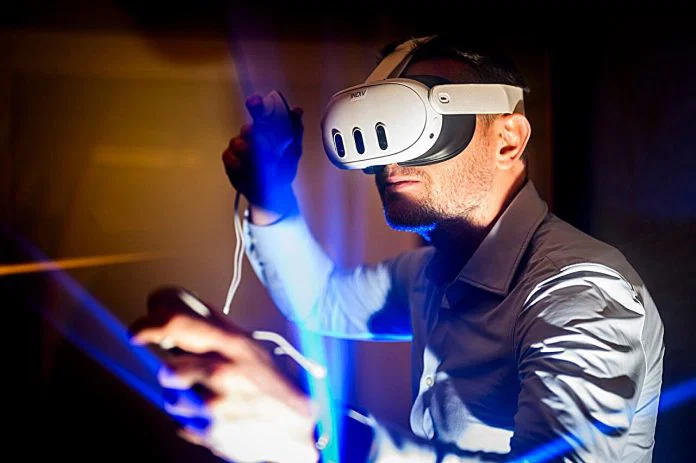
  • This VR Headset Senses Your Emotions to Tell a Unique Story

    This VR Headset Senses Your Emotions to Tell a Unique Story

    Imagine putting on a VR headset, walking into a vibrant nightclub bathed in glowing lights, and being greeted with a warm smile and a friendly, “Hey, you look so cute!” As you smile back, the headset detects your facial expression and recognizes your genuine happiness. Instead of passively watching a story unfold, your actual emotions become an integral part of the experience.

    This concept is at the heart of Rekindle, an innovative VR game developed by researchers at Northeastern University. The game merges immersive storytelling with advanced emotion-tracking technology to foster a deeper understanding of LGBTQ+ experiences. The developers hope Rekindle can inspire empathy and drive positive social change.

    Set in a future where a totalitarian government erases memories of sexual identity deemed undesirable, players embark on a quest to reconnect with forgotten memories related to LGBTQ+ identities. Throughout the game, players explore a world where they gather fragments of memories—each representing significant moments, both joyful and painful. Some memories highlight celebrations of love and community, while others recall tragic events like the 2016 Pulse nightclub shooting in Orlando, where 49 individuals lost their lives in an attack targeting the LGBTQ+ community.

    What distinguishes Rekindle from many VR titles is its ability to respond to the player’s real-time emotional cues. Using the Samsung Galaxy XR headset, the system tracks subtle facial movements—like the eyes, eyebrows, and mouth—and analyzes dozens of muscle signals to gauge emotions such as happiness, sadness, surprise, anger, or fear. It even detects complex feelings, such as being happily surprised or heartbreakingly angry.

    At certain points, the game prompts players to consciously express specific emotions before progressing, transforming players from passive viewers into active participants whose feelings influence the storyline. This dynamic encourages a stronger emotional bond with the main character and helps players see the world from perspectives different from their own.

    While many video games collect data on player actions, Rekindle goes a step further by understanding emotional responses during critical moments. As reactions vary among individuals—particularly between those familiar with LGBTQ+ history and those less informed—these differences promote self-reflection on personal biases and feelings.

    Beyond entertainment, this emotion-tracking technology has other promising applications. It could enhance mental health therapies, offering virtual counseling experiences for anxiety, phobias, or post-traumatic stress disorder by providing therapists with insights into a patient’s emotional state—beyond just verbal reports. The technology might also improve road safety, alerting drivers to signs of fatigue or stress, or guide individuals through stressful situations by recognizing fear or anxiety and providing calming support.

    Although Rekindle remains experimental, it demonstrates how blending virtual reality, storytelling, and emotion recognition can create more meaningful and personalized experiences. Such technology holds potential not only for fostering empathy but also for transforming how we understand and support each other.

  • Innovative VR Therapy Offers New Hope for Stroke Recovery

    Innovative VR Therapy Offers New Hope for Stroke Recovery

    Recovering from a stroke can be a lengthy process. Even after leaving the hospital, many individuals continue to face challenges like weak hands, poor arm coordination, numbness, and difficulty perceiving the position of their affected arm in space. These issues can persist for years, significantly impacting independence. While rehabilitation exercises can be helpful, progress often slows over time.

    Recent research suggests that recovery might be enhanced if therapy simultaneously targets both the brain’s movement pathways and its sense of touch. A team from the Medical University of Vienna and ETH Zurich has made strides toward this goal with the development of a rehabilitation platform called MultiSensy. Their initial clinical trial findings were published in Nature Medicine. This platform merges immersive virtual reality with painless electrical nerve stimulation.

    During therapy sessions, patients wear VR goggles and engage in games that simulate everyday activities, such as grasping objects, reaching, or rotating their arm. Small electrodes placed on the skin stimulate sensory nerves, creating realistic sensations of touch in virtual objects. This combined approach aims to reconnect movement with sensory feedback—something often disrupted after a stroke.

    The trial involved 34 stroke survivors who had experienced a stroke more than three months prior. Half of them used MultiSensy, while the other half underwent standard physiotherapy and occupational therapy. Both groups received 12 sessions over three weeks. Those using the new technology showed more significant improvements in arm movement and hand function on standard assessment tests. They also improved their ability to sense touch and accurately judge the position of their affected limb.

    The platform recorded each patient’s movements in real-time, providing therapists with detailed data that can tailor future treatments. This personalized approach could be especially valuable, given how stroke recovery varies widely among individuals.

    Researchers believe that innovations like MultiSensy could eventually enable customized rehab programs and even facilitate home-based treatment options guided remotely by healthcare providers. The integration of virtual reality in medicine is expanding, and making rehab more engaging can help patients stay motivated to complete necessary exercises—crucial for meaningful recovery.

    Despite these encouraging results, some questions remain. The study was small, lasted only a few weeks, and primarily assessed whether the technology was safe and feasible. Larger-scale studies are needed to verify these findings, evaluate cost-effectiveness, and determine whether the improvements are sustained long-term.

    Overall, early evidence indicates that combining virtual reality with sensory nerve stimulation could become a valuable new approach for helping stroke survivors regain independence and improve their quality of life.

    If you’re interested in stroke prevention and recovery, consider exploring studies suggesting that diets rich in flavonoids might help lower stroke risk, and that the MIND diet could slow cognitive decline following a stroke. Additional research points to antioxidants potentially reducing dementia risk, and that moderate tea and coffee consumption may be linked to lower chances of stroke and cognitive decline.

    Source: Medical University of Vienna.

  • How To Get Started With Spatial Computing

    How To Get Started With Spatial Computing

    Spatial computing represents a significant shift in how we interact with digital environments, blending the digital and physical worlds seamlessly. Whether for business applications, gaming, or education, understanding how to delve into this field can be both exciting and daunting. This guide will illuminate your path to getting started with spatial computing.

    Understanding Spatial Computing

    Spatial computing refers to the use of technology to enable interaction with digital content in the physical space. Key elements include:

    • Augmented Reality (AR): Overlays digital information onto the real world.
    • Virtual Reality (VR): Creates entirely immersive digital environments.
    • Mixed Reality (MR): Combines both AR and VR, allowing real and virtual elements to interact in real-time.
    • 3D Mapping: Utilizes spatial data to create three-dimensional representations of locations or objects.

    Why is Spatial Computing Important?

    • Enhanced User Experiences: Users can interact with digital content in more intuitive ways.
    • Value in Various Industries: From healthcare and education to entertainment and real estate, spatial computing offers innovative solutions.
    • Future of Work: As remote work becomes increasingly prevalent, spatial computing can facilitate better collaboration through virtual environments.

    Getting Started: Tools and Technologies

    To embark on your spatial computing journey, familiarize yourself with essential tools and platforms.

    Common Hardware

    • Head-Mounted Displays (HMDs):

      • Oculus Quest 2
      • Microsoft HoloLens
      • HTC Vive

    • Mobile Devices:

      • Latest smartphones equipped with AR capabilities (e.g., Apple iPhone, Android phones with ARCore)

    Key Software and Platforms

    • Unity: A powerful game engine that allows developers to create AR and VR applications.
    • Unreal Engine: Great for high-fidelity visual experiences in spatial computing; suitable for both games and enterprise applications.
    • ARKit and ARCore: Development frameworks for creating AR experiences on iOS and Android, respectively.

    Learning the Basics

    Online Courses and Resources

    1. Coursera: Offers courses in AR and VR, helping you grasp the concepts and technology involved.
    2. edX: Provides certificates in XR technologies.
    3. YouTube Tutorials: Free resources can show practical implementations and coding tips.

    Recommended Books

    • "The Fourth Transformation" by Brian McCarthy and Paul Boucher: A deep dive into the impact of spatial computing on various sectors.
    • "Masters of Doom" by David Kushner: While focused on gaming, it provides insights into the roots of interactive technology.

    Community Engagement

    Join forums and online communities dedicated to spatial computing. Platforms such as:

    • StackOverflow: For developer questions.
    • Reddit (r/augmentedreality, r/VR): For discussions and news.
    • Meetup: Locate local groups focusing on AR and VR innovation.

    Practical Applications to Explore

    Developing Simple AR Apps

    1. Choose Your Platform: Decide whether you want to build for iOS, Android, or both.
    2. Start with Unity: Follow specific tutorials to develop a basic AR app using ARKit or ARCore.
    3. Test Your App: Utilize your mobile device for hands-on testing to troubleshoot and improve usability.

    Experimenting with VR Content

    • Create a VR Scene: Use Unity to craft a virtual space.
    • Incorporate Interactivity: Add elements that the user can interact with, like buttons or moving objects.
    • Gather Feedback: Share your VR experience with friends or online communities for constructive insights.

    Tips for Success in Spatial Computing

    • Stay Updated: Follow industry news via blogs and podcasts to keep abreast of new tools and trends.
    • Practice Regularly: Dedicate time each week to experiment, simulate, and learn.
    • Network with Professionals: Attend workshops and conferences focused on spatial computing to connect with other enthusiasts and industry leaders.

    Future Trends to Watch

    • Advancements in AI: Integration of AI will revolutionize interactions in spatial computing.
    • More Physical-Digital Blending: Expect to see even more sophisticated ways to merge physical spaces with digital experiences.
    • Expansion into New Sectors: Industries such as automotive, retail, and hospitality are increasingly adopting spatial computing technologies.

    By following these guidelines, you can establish a firm foundation in spatial computing and embark on an exciting journey into the future of technology-enhanced interactions.

  • Is Oculus 2 a good VR?

    The Oculus Quest 2 has made a significant impact on the virtual reality landscape since its release. As a standalone headset, it offers a unique blend of accessibility, performance, and content availability. For anyone considering a venture into the realm of virtual reality, understanding the features and user experience is crucial to making an informed decision.

    Key Features of Oculus Quest 2

    The Oculus Quest 2 boasts a variety of features that enhance its appeal among VR enthusiasts:

    • Standalone Functionality: Unlike some VR systems that require external hardware, the Quest 2 operates on its own. This means users can enjoy a wide array of VR experiences without the need for wires or gaming consoles.
    • High Resolution: With a display resolution of 1832 x 1920 per eye, the headset offers sharp visuals that contribute to an immersive experience.
    • Hand Tracking: The Quest 2 supports hand tracking technology, allowing users to interact with the virtual environment using their hands, which enhances immersion.
    • Expanded Library: The headset provides access to an extensive library of games and applications, catering to diverse interests, from gaming to fitness and social experiences.

    Improving Comfort and Usability

    While the technology is impressive, user comfort and ease of use are just as important:

    • Lightweight Design: Weighing in at just under 1.5 pounds, the headset is designed for prolonged use, making long gaming sessions more comfortable.
    • Adjustable Straps: The Quest 2 features adjustable straps, allowing users to find the perfect fit for their heads, which helps reduce discomfort during extended gameplay.
    • User-Friendly Interface: The Oculus app interface is intuitive, making it easy for users to navigate settings, games, and social features.

    Performance and Graphics

    When it comes to performance, the Oculus Quest 2 does not disappoint:

    • Powerful Processing: Equipped with the Qualcomm Snapdragon XR2 chipset, the headset delivers smooth graphics and fast load times, essential for an immersive VR experience.
    • Refresh Rate: With a refresh rate of up to 120Hz, motion appears fluid, which reduces motion sickness and enhances overall realism during gameplay.
    • Compatible Accessories: Users can enhance their experience with optional accessories such as the Elite Strap, which improves stability and comfort.

    Content Availability

    The success of any VR headset relies heavily on the content available:

    • Variety of Options: From action-packed games like "Beat Saber" to social VR experiences like "Rec Room," the Oculus Quest 2 offers something for everyone.
    • Regular Updates: Oculus continually adds new titles and experiences, ensuring a fresh selection of content over time.
    • Cross-Platform Play: Many games support cross-platform play, enabling users to connect with friends using different VR systems.

    Limitations to Consider

    Despite its numerous advantages, the Oculus Quest 2 has some limitations:

    • Battery Life: The headset typically offers around 2 to 3 hours of playtime, which may not be sufficient for marathon sessions.
    • Storage Options: The base model starts with 128GB of storage, which can fill up quickly with large games and experiences.
    • Facebook Account Requirement: Users must link their Oculus account to a Facebook account, which has raised privacy concerns for some potential buyers.

    Conclusion

    While the Oculus Quest 2 presents few drawbacks, it excels in many areas, including comfort, performance, and content availability. It offers an immersive experience that caters well to both casual users and dedicated gamers. With its standalone design and high-quality features, it’s worth considering for anyone looking to dive into virtual reality.

  • Is Oculus Quest 2 worth the money?

    The gaming landscape has evolved immensely, especially with the rise of virtual reality (VR). One of the standout products in this arena is the Oculus Quest 2. Launched by Facebook Technologies, LLC, this device aims to provide an accessible yet immersive experience for both casual and hardcore gamers. So, is it a smart investment? Let’s delve into the details.

    Key Features of Oculus Quest 2

    Before assessing its value, understanding its features is crucial. The Oculus Quest 2 comes packed with several appealing qualities:

    High-Resolution Display

    • Enhanced Clarity: With a resolution of 1832 x 1920 per eye, visuals are crisp and detailed.
    • Refresh Rate Options: Supports up to 120 Hz, creating a smoother experience in fast-paced games.

    Standalone Functionality

    • No External Hardware Required: Unlike traditional VR setups, the Quest 2 does not need a gaming PC or console.
    • Wireless Freedom: Offers the ability to roam without being tethered by cables, allowing for a more immersive experience.

    Diverse Game Library

    • Variety of Genres: From action-packed shooters to tranquil exploration games, the Oculus Store has something for everyone.
    • Regular Updates: New titles and experiences are frequently added, ensuring continued engagement.

    Social Features

    • Multiplayer Options: Many games allow for social interaction, enhancing the multiplayer experience.
    • Horizon Workrooms: This platform enables users to meet and collaborate in a virtual space, making it handy for remote workers.

    Performance and Comfort

    The user experience is paramount in determining the overall value of a VR headset. The Oculus Quest 2 shines in several areas:

    Processing Power

    • Qualcomm Snapdragon XR2 Chip: Provides robust performance, ensuring seamless gameplay and graphics.
    • Adaptive Graphic Settings: Automatically adjusts to optimize performance based on the game’s requirements.

    Comfort and Design

    • Lightweight Build: At approximately 503 grams, it can be worn for extended gaming sessions without causing fatigue.
    • Adjustable Head Strap: Allows for a personalized fit, accommodating different head sizes.

    Price and Value Comparison

    While the Oculus Quest 2 is competitively priced for a VR headset, evaluating its cost-effectiveness is essential.

    Pricing Breakdown

    • Base Model: Typically starts around $299, offering 64 GB of storage.
    • Higher Storage Option: The 256 GB model retails for approximately $399, ideal for those wanting more space for games.

    Comparing with Other VR Headsets

    • PlayStation VR: Priced similarly but requires a PlayStation console, leading to additional costs.
    • Valve Index: Offers superior build quality and tracking but at a steep price, often exceeding $999 when factoring in all components.

    What Users Say

    Customer satisfaction plays a significant role in assessing whether a product is worth its price. Here’s what many users have experienced:

    Positive Feedback

    • Immersive Gameplay: Many users rave about the sense of presence and realism in various VR experiences.
    • User-Friendly Interface: The setup process and user interface are generally considered intuitive and straightforward.

    Areas for Improvement

    • Battery Life: Some users note that the battery may not last as long as desired during intense gaming sessions.
    • User Limits: Extended play can lead to discomfort for some users, although this varies from person to person.

    Final Thoughts

    The Oculus Quest 2 stands out in the crowded VR marketplace for its combination of affordability, functionality, and adaptability. For individuals seeking an accessible entry into virtual reality or for seasoned players in search of a portable, standalone option, it offers significant value. While certain aspects may need refinement, the overall experience and game library make it a worthy investment for enthusiasts eager to explore the possibilities of virtual reality.

  • How much is a Oculus Quest 3?

    How much is a Oculus Quest 3?

    As the release of the Oculus Quest 3 approaches, many gamers and VR enthusiasts are curious about its pricing. Oculus, now part of Meta Platforms, has been a leader in the virtual reality space, and the Quest 3 is highly anticipated for its enhanced features and capabilities. Here’s a comprehensive breakdown of the pricing details and what you can expect.

    Official Price Point

    The Oculus Quest 3 is expected to launch at a retail price of $499. This places it in a competitive range alongside other high-quality VR headsets, but let’s delve deeper into what you get for that price.

    What’s Included in the Purchase?

    When you buy the Oculus Quest 3, you can generally expect:

    • The headset: Updated optics, improved comfort, and enhanced tracking capabilities.
    • Controllers: New Touch Pro controllers that offer better haptic feedback and precision.
    • Built-in features: Enhanced processing power, built-in Meta technologies for social interaction, and possibly a few bundled games or apps.

    Additional Costs to Consider

    While the base price gives you a good indication of the investment, there are other financial facets to keep in mind.

    Accessories

    Depending on your usage and preferences, you might want to purchase additional accessories, which can include:

    • Carrying Case: $30 – $60
    • Lens Inserts (for glasses wearers): $40 – $80
    • Charging Dock: $30 – $50
    • Additional Facial Interfaces: $20 – $40

    Games and Content

    The Oculus ecosystem has a broad library of VR games and experiences. Pricing for these can vary:

    • Average game price: $20 – $60
    • Subscription services: Platforms like Oculus Store often offer memberships or season passes which can add to your monthly expenses.

    Buying Options

    When purchasing an Oculus Quest 3, you have a few options:

    • Direct from Meta: This is the safest option to ensure you receive a new device with warranty.
    • Retailers: Major retailers might offer promotions, bundles, or financing options.
    • Second-hand markets: While you could save money, ensure you buy from reliable sources to avoid scams.

    Financing Options

    Some consumers may prefer to finance their purchase. Popular financing options include:

    • Payment plans: Retailers may offer installment payments spread over a few months.
    • Credit options: Use a credit card that offers cash back or promotions for electronics.

    Expected Launch Date

    While the exact launch date of the Oculus Quest 3 is yet to be confirmed, it is widely anticipated to be released in late 2023 or early 2024. Keeping an eye on announcements from Meta and related tech events can provide updates on the precise date.

    What Do Users Expect?

    As the new generation of the Oculus headset, users have expressed various expectations, including:

    • Enhanced Graphics: Improved resolution and refresh rates.
    • Better Comfort: Lighter design and improved weight distribution.
    • Expanded Content: More AAA titles and unique VR experiences.

    The quest for an immersive virtual reality experience continues, and the Oculus Quest 3 promises to elevate the journey into that digital world. With its price point and potential costs considered, prospective buyers can make informed decisions about their investment in VR technology.

  • Meta Quest 3 Home Sports Reimagines Wii Sports in Mixed Reality

    Meta Quest 3 Home Sports Reimagines Wii Sports in Mixed Reality

    Home Sports is an upcoming game for Meta Quest 3 developed by Resolution Games, known for their work on Demeo. Imagine Wii Sports reimagined as a virtual reality game that includes mixed reality components.

    With a strong history in creating engaging VR experiences for the Meta Quest and mixed reality games for devices like the Apple Vision Pro, Resolution Games is now applying its knowledge to develop this unique sports collection. Wii Sports has already demonstrated how easily players can grasp the concept of innovative gaming devices. By utilizing the mixed reality capabilities of the Meta Quest 3, Home Sports transforms your living room into a dynamic sports arena.

    Upon its launch, players can enjoy five different sports: pickleball, hockey, bowling, mini golf, and badminton. While many of these games have appeared in various VR formats before, Home Sports seeks to add a fresh mixed-reality perspective. The game will allow both local and online multiplayer options. Tommy Palm, CEO of Resolution Games, views Home Sports as a significant milestone for the studio.

    “At Resolution Games, we strive to create games that have a real impact on players by fostering genuine connections, encouraging movement, and delivering true enjoyment. Home Sports embodies all these elements and beautifully showcases the unique potential of mixed reality on Meta Quest 3. Players will move freely throughout the game, getting to interact with the environment just like in real-life sports, whether it’s swinging to hit the shuttlecock in badminton or navigating the mini golf course. We’re excited for everyone to dive into this experience,” Palm shared in a press announcement.

    While a specific release date for Home Sports has yet to be announced, Resolution Games indicates that it will be “launching soon.”