Tag: United States

  • Trump to Open 250th Anniversary Fair After Performers Cancel

    Trump to Open 250th Anniversary Fair After Performers Cancel

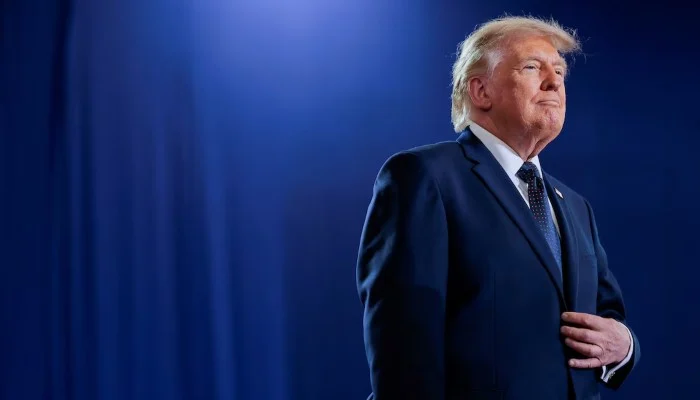
    Next month, President Donald Trump will be the featured speaker at an event celebrating the United States’ 250th anniversary on the National Mall, organizers announced Saturday. Several musical acts initially set to perform withdrew over concerns linking the event to him.

    The performances were part of the opening celebration for the Great American State Fair, a 16-day festival scheduled from June 25 to July 10, 2026. The event, organized by the Freedom 250 group, plans to extend along the National Mall from the Capitol to the Washington Monument, featuring concert stages, state pavilions, exhibits, rides, and various attractions.

    However, the lineup has experienced multiple cancellations. On Friday, Bret Michaels, lead singer of Poison, became the fifth performer to pull out, citing his belief that the event no longer represents a neutral celebration. Despite this, Freedom 250 announced that Trump will now “personally kick off this historic celebration,” sharing the news on social media.

    The reasons behind the performer withdrawals remain undisclosed, prompting questions about whether the event can proceed as originally planned. The organizers have yet to comment to Reuters.

    Earlier on Saturday, Trump posted on Truth Social implying that the concert series might be unnecessary if performers continue to drop out. He suggested he might instead deliver a speech on the National Mall, asserting himself as a more prominent draw than any musical act.

    “Many consider me the top attraction worldwide,” Trump wrote. He claimed he attracts larger audiences than Elvis during his peak, all without playing a guitar. The president also directed his team to evaluate the feasibility of hosting a “America Is Back” rally.

    Freedom 250 is a public-private partnership created by the White House to coordinate festivities commemorating the nation’s 250th anniversary in collaboration with federal agencies.

  • Trump Claims Success in ‘Fantastic Trade Deals’ with Xi

    Trump Claims Success in ‘Fantastic Trade Deals’ with Xi

    US President Donald Trump is greeted by Chinese President Xi Jinping at Zhongnanhai Garden in Beijing, China, May 15, 2026. — Reuters
    • Xi describes visit as a significant milestone.
    • Trump highlights Boeing agreement.
    • China calls for a durable ceasefire in Iran.

    BEIJING: President Donald Trump announced he secured “fantastic trade agreements” with China’s Xi Jinping during their Friday meeting at the concluding sessions of a major summit. The US leader also claimed that China offered to assist in reopening the Strait of Hormuz.

    Trump traveled to Beijing aiming to finalize deals in fields like agriculture, aviation, and artificial intelligence, while also addressing longstanding tensions in strategic areas, including the conflict in the Middle East.

    While Trump referred to Xi as a “great leader” and “friend,” the Chinese president’s responses have been more subdued.

    The US President stated, “A lot of positive outcomes have resulted from this visit.” He added, “We negotiated some fantastic trade deals, which are beneficial for both nations.” Trump also mentioned resolving issues that others might have found insurmountable, though he did not give specific details.

    Xi called the visit a “milestone,” emphasizing that the two nations have established “a new bilateral relationship that promotes constructive strategic stability.” He also joked about sending Trump seeds for the White House Rose Garden.

    ‘Assistance on Hormuz’

    After the first day of discussions, Trump told Fox News that Xi Jinping agreed to several of the US’s key requests, particularly concerning Iran. Trump claimed Xi reassured him that China isn’t planning military intervention to aid Tehran, which has effectively shut down the Strait of Hormuz.

    “He emphasized that he wouldn’t be providing military equipment,” Trump explained to Fox. “He also expressed a desire to help reopen the Hormuz Strait if possible.”

    Regarding Iran, China’s foreign ministry issued a statement calling for “a comprehensive and lasting ceasefire,” urging that shipping lanes be reactivated swiftly in response to international demands.

    Policy on Taiwan Remains Unchanged

    The friendly gestures on Thursday were somewhat overshadowed by Xi Jinping’s stern warning about Taiwan—a long-standing and sensitive issue. Shortly after talks commenced, Chinese state media quoted Xi as telling Trump that missteps regarding Taiwan might escalate into conflict.

    The Fox News interview did not touch upon Taiwan, and Trump avoided commenting on the topic when questioned Thursday. Treasury Secretary Scott Bessent indicated that the president might share more on the matter soon, while Secretary of State Marco Rubio affirmed that “U.S. policy regarding Taiwan remains unchanged.” He added that China raised Taiwan during discussions but that the U.S. just reiterated its stance and moved on.

    Taiwan responded on Friday, expressing gratitude for US support.

    Deals on Boeing, Oil, and Soybeans

    Trump didn’t specify all trade agreements sealed during the summit but mentioned a significant deal involving Xi Jinping’s commitment to buy around 200 large Boeing aircraft. Following his remarks, Boeing’s shares dropped, suggesting market expectations for substantial Chinese purchases remain high.

    He also stated that China expressed interest in purchasing U.S. oil and soybeans. Historically, China was a key foreign buyer of Iranian oil and bought modest amounts of U.S. oil before tariffs increased last year, but it has scaled back soybean imports, favoring Brazil instead.

    Treasury Secretary Scott Bessent added that Trump and Xi discussed setting “guardrails” for artificial intelligence usage. While talks about AI are set to begin between the two superpowers, U.S. restrictions on technology exports to China remain a sticking point in the relationship.

  • Trump Intensifies Criticism of Pope Leo on Iran

    Trump Intensifies Criticism of Pope Leo on Iran

    President Donald Trump, whose policies on war and immigration have faced criticism from Pope Leo, reiterated his opinions about the religious leader on Tuesday night.

    In a post on Truth Social, Trump asked, “Can someone please inform Pope Leo about the protesters killed by Iran?” and emphasized that “it’s completely unacceptable for Iran to possess a nuclear bomb.”

    On February 28, the US and Israel launched strikes against Iran. Iran responded with missile attacks on Israel and American-controlled Gulf nations, resulting in thousands of deaths and displacing millions.

    Iran currently does not have nuclear weapons, whereas the US does. Israel is widely acknowledged as the only Middle Eastern country with nuclear capability. Western nations suspect Iran seeks a nuclear bomb or the ability to produce one swiftly—though Tehran denies these claims, citing its commitments under the Nuclear Non-Proliferation Treaty.

    Trump’s remarks followed earlier comments from Pope Leo, who warned about the decline of democracies into “majoritarian tyranny.” In a Vatican-issued letter, Leo discussed the use of power in democratic societies, asserting that healthy democracies are rooted in moral values.

    The pope criticized Trump’s decision to wage war against Iran, stating that “God rejects the prayers of those who start wars and have blood on their hands.” He also called Trump’s recent threat to destroy Iranian civilization “unacceptable” and chose not to participate in Trump’s “Board of Peace” initiative for Gaza.

    Additionally, the pope has urged reflection on the treatment of migrants in the US, criticizing the country’s strict immigration policies. Meanwhile, Trump called the pope “weak” and criticized his stance on crime and foreign policy on Sunday.

  • France to Recall US Ambassador Over Comments on Far-Right Activist

    France to Recall US Ambassador Over Comments on Far-Right Activist

    The French foreign ministry plans to summon the U.S. ambassador to Paris following remarks made by the Trump administration regarding the recent death of a French far-right activist, which they attribute to the far-left. France’s leading diplomat announced this action on Sunday.

    The death of Quentin Deranque has heightened tensions within France, stirring discord between the political left and right ahead of the 2027 presidential election. It has also drawn international attention, with the Trump-era U.S. administration condemning what it labeled as “terrorism” in France on Friday.

    Foreign Minister Jean-Noel Barrot told French media outlets—Le Monde, France Inter, and France Info—that they will call in the U.S. ambassador, as the U.S. embassy’s comments on the incident concern the entire nation. He emphasized, “We reject any attempt to exploit this tragedy for political gain.”

    The timing of the ambassador Charles Kushner’s summon has not been disclosed. Kushner is the father-in-law of former President Trump.

    Deranque, aged 23, died from head injuries sustained during clashes between radical-left and far-right supporters during a demonstration in Lyon on February 12, opposing a politician from the left-wing France Unbowed (LFI) party.

    On Saturday, over 3,000 gathered in Lyon to honor Deranque, with authorities increasing security due to fears of further violence.

    On Friday, Sarah Rogers, the State Department’s under secretary for public diplomacy, stated that Deranque’s death exemplifies “why we treat political violence—terrorism—so seriously.” She wrote on X (formerly Twitter), “When people choose to kill others for their opinions instead of persuading them, civilization suffers.”

    The Bureau of Counter-Terrorism also issued a statement highlighting the rise of violent radical leftism, asserting that its role in Deranque’s death underscores the threat it represents to public safety. The U.S. embassy in France shared this message.

    This incident has also sparked a diplomatic dispute between France and Italy, whose right-wing Prime Minister Giorgia Meloni has close ties with Trump. Meloni described Deranque’s death as “a wound for all of Europe,” prompting French President Emmanuel Macron to criticize her for intervening in French internal matters.

    Six individuals suspected of involvement in Deranque’s death have been charged, including a parliamentary assistant linked to a radical left-wing Member of Parliament, who faces charges of complicity.

  • Trump’s Immigration Support Hits New Low

    Trump’s Immigration Support Hits New Low

    Support for President Donald Trump’s immigration policies has dropped to its lowest level since he re-entered the White House, a recent Reuters/Ipsos survey reveals. The poll indicates he’s also losing support among male voters, a demographic that heavily backed him in the 2024 election.

    Only 38% of participants in the four-day survey, which concluded on Monday, believe Trump is handling immigration well—a key issue for his administration. This marks a slight decline from 39% in a January Reuters/Ipsos poll and is significantly lower than the 50% support seen shortly after Trump took office again.

    Leading up to his 2024 re-election bid, Trump pledged to initiate the largest deportation effort in decades and ordered widespread immigration raids immediately after resuming office in January 2025. Today, masked agents in tactical gear are a common sight in the U.S., and immigration enforcement actions have often led to violent clashes with protesters and activists.

    The latest Ipsos/Reuters poll shows a notable decline in Trump’s immigration approval among men in recent weeks compared to late last year. Men were crucial to his 2024 victory, and throughout 2025, nearly half of male respondents approved of his immigration policies. However, current data shows only 41% of men support him on this issue. Among women, support has slightly decreased from around 40% earlier in 2025 to 35% in this most recent poll.

    In a rare setback, Trump’s administration announced last week it would terminate its contentious deportation campaign in Minnesota, where immigration agents fatally shot two Americans. When he first entered office, Trump’s overall approval hovered around 47%, but recently, support has plunged to 38%, matching the lowest ratings of his presidency. This latest survey, which was conducted online across the nation with responses from 1,117 adults and a margin of error of plus or minus 3 percentage points, underscores his slipping popularity.

  • Netanyahu doubts deal without complete nuclear disarmament

    Netanyahu doubts deal without complete nuclear disarmament

    US President Donald Trump and Israeli Prime Minister Benjamin Netanyahu hold a press conference after their meeting at Trump’s Mar-a-Lago club in Palm Beach, Florida, on December 29, 2025. — Reuters

    • Israel has destroyed 150 km of Gaza tunnels; 350 km remain.
    • U.S.-Iran negotiations resume this week; Netanyahu expresses uncertainty about the outcome.
    • The U.S. is dispatching a second aircraft carrier to the region amid rising tensions.

    JERUSALEM: Israeli Prime Minister Benjamin Netanyahu announced Sunday that he informed President Donald Trump last week that any agreement with Iran must include the complete dismantling of Iran’s nuclear infrastructure, not merely halting enrichment activities.

    During his speech at the annual Conference of Presidents of Major American Jewish Organizations, Netanyahu reiterated the importance of Israel’s ongoing efforts to demolish all tunnels in Gaza. To date, Israel has destroyed 150 km of tunnels out of an estimated 500 km.

    A second round of negotiations between the U.S. and Iran is scheduled for this week. An Iranian diplomat stated that Iran is aiming for a nuclear agreement with the U.S. that provides economic benefits for both nations.

    Netanyahu expressed skepticism about the potential deal but emphasized that it must include the removal of enriched materials from Iran.

    “There should be no enrichment capacity—this means not just stopping the enrichment process but dismantling the equipment and infrastructure that enable Iran to enrich in the first place,” he stated.

    Early this month, the U.S. restarted negotiations with Iran to address their longstanding nuclear dispute and to prevent a possible military conflict.

    The U.S. has deployed a second aircraft carrier to the region and is preparing for the possibility of a prolonged military campaign if negotiations fail, according to U.S. officials.

    Netanyahu also indicated an intention to end U.S. military assistance to Israel within the next decade, after the current ten-year arrangement of receiving $3.8 billion annually ends in 2028. Most of this aid is spent in the United States on military equipment.

    “Thanks to our robust economy, we can afford to gradually phase out this financial support,” Netanyahu said. “I propose a ten-year plan to reduce aid to zero. We intend to transition from receiving aid to fostering a partnership with the United States.”

  • Trump and Netanyahu discuss US-Iran nuclear talks

    Trump and Netanyahu discuss US-Iran nuclear talks

    President Donald Trump met with Israeli Prime Minister Benjamin Netanyahu at the White House on Wednesday, marking their seventh encounter in just over a year. Netanyahu aimed to influence upcoming U.S. talks with Iran, pushing for negotiations to extend beyond nuclear issues to include restrictions on Iran’s missile capabilities and other security concerns. Trump issued warnings of potential military strikes if an agreement isn’t reached, emphasizing the importance of halting Iran’s nuclear ambitions and missile development.

    During the meeting, Trump reiterated his stance against Iran acquiring nuclear weapons or missile programs, suggesting that a comprehensive deal should eliminate both. He also mentioned contemplating sending a second aircraft carrier strike group to the region as part of a broader U.S. military presence.

    Israeli officials are concerned that the U.S. might accept a limited nuclear deal that overlooks Iran’s ballistic missile program and support for regional proxy groups like Hamas and Hezbollah. They advise caution regarding Iran’s promises, fearing they might not be trustworthy. Netanyahu indicated he plans to share U.S. negotiation principles with the president and hinted at possible military options if diplomacy fails.

    Iran has expressed willingness to discuss limits on its nuclear program if sanctions are lifted but insists that missile capabilities are non-negotiable. The country’s senior advisers have made it clear that Iran refuses to link its missile program to nuclear negotiations.

    Netanyahu arrived at the White House with less fanfare than usual, entering discreetly and meeting privately with Trump. The agenda also included discussions about Gaza, with Trump aiming to advance a ceasefire initiative he helped broker. Progress on rebuilding Gaza remains delayed, particularly over disarmament of Hamas and Israeli troop withdrawals.

    The visit was scheduled earlier but was moved forward due to recent U.S. engagement with Iran. Last week’s Oman talks showed some positivity, but negotiations concerning Iran’s missile program, proxies, and regional influence continue. Trump has not explicitly committed to broadening negotiations but indicates that addressing Iran’s missile threat could be part of future discussions.

    Despite the regional tensions, Israel remains cautious. Its recent military operations have weakened Iran’s influence, though concerns remain about Tehran’s ability to recover and rebuild its military assets. U.S.-Israel relations are generally aligned, but recent developments, including Israeli plans to ease land purchases in the West Bank, have sparked international criticism. Trump reiterated his opposition to annexation, emphasizing the need to focus on current challenges.

  • US labels three Muslim Brotherhood branches as global terrorists

    US labels three Muslim Brotherhood branches as global terrorists

    On Tuesday, the U.S. designated the Egyptian, Lebanese, and Jordanian branches of the Muslim Brotherhood as global terrorists, citing their alleged support for Palestinian resistance group Hamas. This action, which was officially initiated last November, will impose sanctions on one of the Middle East’s oldest and most influential Islamist organizations.

    The Treasury Department classified these branches as specially designated global terrorists, accusing them of backing or promoting violent acts against Israel and U.S. allies. In a statement, the department remarked, “While the Muslim Brotherhood chapters claim to be legitimate civic organizations, they secretly and passionately endorse terrorist groups like Hamas.”

    Egypt’s foreign ministry praised the move, calling it a “significant step that underscores the seriousness of the organization and its extremist ideology, which poses a direct threat to regional and international security and stability.” Meanwhile, Lebanon’s Muslim Brotherhood branch, known as Jama’a Islamiya, dismissed the decision as a political and administrative choice by the United States, asserting it has no “legal effect within Lebanon.”

    The Muslim Brotherhood’s rise in Egypt was marked by its victory in the country’s first free presidential election in 2012, but it was ousted a year later following mass protests and a subsequent crackdown by authorities. Since then, the organization has faced intense scrutiny and suppression from Egyptian authorities.

  • US Appreciates Pakistan’s Proposal to Join Gaza Stabilization Effort

    US Appreciates Pakistan’s Proposal to Join Gaza Stabilization Effort

    US Secretary of State Marco Rubio speaks to the media during a refueling stop at Shannon Airport in Shannon, Ireland, March 12, 2025. — Reuters

    US Secretary of State Marco Rubio has expressed gratitude to Pakistan for considering a role in the proposed International Stabilization Force for Gaza. While Islamabad has not yet confirmed any commitment to deploying troops, The News reported on Saturday.

    During a press conference in Washington on Friday, Rubio responded to questions about whether the U.S. had received Pakistan’s approval to send troops to Gaza for peacekeeping, stating: “We are very thankful to Pakistan for their offer to participate or even consider joining the peacekeeping mission.”

    Rubio added, “We need some additional information before requesting firm commitments. However, I am confident that several nations are willing to step forward and be part of the stabilization effort, and Pakistan’s participation is crucial if they agree.”

    “We owe them a few more answers before we proceed.”

    Rubio mentioned that the next step involves announcing “the border of peace” — the Palestinian technocratic group — which would help clarify the details of the stabilization force, including funding, rules of engagement, and demilitarization roles.

    Pakistan’s Foreign Office clarified on Thursday that no decision has been made regarding participation in the Gaza International Stabilization Force (ISF). “We have not made a decision to join the ISF yet,” spokesperson Tahir Hussain Andrabi said during the weekly media briefing.

    While discussions about the ISF are ongoing in some capitals, Pakistan has neither committed nor received a formal request to participate. Recent reports suggested increasing pressure on Pakistan to join, but officials remain non-committal.

    Last month, Foreign Minister Ishaq Dar stated that Pakistan is prepared to send troops for a Gaza peacekeeping force but firmly distanced the country from any disarmament role concerning Hamas.

    Trump’s Gaza plan, unveiled in September, outlined deploying troops from Muslim-majority nations during a transitional “stabilization” phase. In November, the UN Security Council endorsed Trump’s proposal with a resolution that included the deployment of an international force.

    Originally published in The News

  • US to Establish Food Centers in Gaza Amid Severe Hunger Crisis

    US to Establish Food Centers in Gaza Amid Severe Hunger Crisis

    US President Donald Trump speaks as he meets with British Prime Minister Keir Starmer (not pictured) at Trump Turnberry golf club on July 28, 2025 in Turnberry, Scotland, Britain. — Reuters

    • They [Gazan residents] need food and safety immediately, says the US president.
    • Refuses to comment on Macron’s call for recognizing Palestinian statehood.
    • PM Starmer describes the situation in Gaza as “completely unacceptable”.

    President Donald Trump announced Monday that the U.S. plans to establish “food centers” in Gaza to help prevent a worsening hunger crisis in the conflict-torn Palestinian region.

    “We will set up food stations where people can freely walk in — no borders, no fences,” he told reporters in Scotland, where he was meeting with UK Prime Minister Keir Starmer.

    During the same briefing, Starmer stated that he and Trump concurred on the need for a ceasefire in Gaza, and they discussed plans for the post-aid phase.

    Trump emphasized that feeding the population is the top priority, citing the presence of many starving individuals, and clarified he wouldn’t take a stance on Palestinian statehood now.

    The U.S. has allocated $60 million for humanitarian assistance, with additional contributions expected from other countries.

    US President Donald Trump meets with British Prime Minister Keir Starmer at Trump Turnberry golf club on July 28, 2025 in Turnberry, Scotland, Britain. — Reuters
    US President Donald Trump meets with British Prime Minister Keir Starmer at Trump Turnberry golf club on July 28, 2025 in Turnberry, Scotland, Britain. — Reuters

    He added that he spoke with European Commission President Ursula von der Leyen on Sunday, who indicated European nations would significantly increase their support.

    Trump also planned to discuss the humanitarian crisis with Starmer during his visit.

    “We’re providing substantial funds and food aid, and other nations are stepping up now,” he explained. “It’s a disaster. Immediate food and safety are critical.”

    Starmer agreed, describing the crisis as “catastrophic” and expressing outrage over the images coming out of Gaza.

    The UK Prime Minister labeled the Gaza humanitarian situation as “completely intolerable” and urged swift delivery of food aid into the enclave.

    Palestinians wait to receive food from charity kitchens amid hunger crisis in Gaza City, July 28, 2025. — Reuters
    Palestinians line up for food aid in Gaza City, July 28, 2025, as hunger worsens. — Reuters

    “We need to mobilize other nations to support aid efforts, and that involves applying pressure on Israel because this is a true humanitarian crisis,” he stated.

    Trump declined to comment on French President Emmanuel Macron’s proposal to endorse Palestinian statehood.

    Trump also criticized Hamas for not releasing more hostages, both alive and dead, and mentioned he advised Israeli Prime Minister Benjamin Netanyahu that their current approach might need adjustments.

    “I told Bibi that perhaps there’s a different way to handle it,” Trump said, reiterating similar remarks from Sunday.

    When asked if a ceasefire remains feasible, Trump responded, “Yes, a ceasefire is possible, but it must be achieved.” He did not elaborate further.

    Israeli soldiers speak with a Palestinian woman outside Jenin camp during an Israeli military operation, July 8, 2025. — Reuters
    Israeli troops converse with a Palestinian woman outside Jenin, during an Israeli operation, July 8, 2025. — Reuters

    Trump stressed the importance of securing the release of hostages held by Hamas in Gaza, noting the group has shifted its stance and is now refusing to free more captives.

    Hamas has indicated willingness to release hostages if a ceasefire agreement is reached with Israel.

    The group submitted its response to a US-backed ceasefire proposal in Doha on Thursday. Israel, however, withdrew its delegation shortly after.

    Trump added that Israel would need to decide its next steps, implying he has his own opinions but refrained from sharing them publicly.

    Over the weekend, Israel conducted an airlift and implemented measures to facilitate aid access, including daily humanitarian pauses in three Gaza zones and establishing new safe corridors for convoys. Nonetheless, UN agencies say these actions are not enough to prevent famine conditions.

    Displaced Palestinians forage on leftover food amid hunger crisis in Gaza, July 28, 2025. — Reuters
    Displaced Gazans survive on leftover food amid critical shortages, July 28, 2025. — Reuters

    On Monday, Gaza’s health authorities reported at least 14 deaths in the past 24 hours from starvation and malnutrition, bringing the death toll caused by hunger to 147, including 89 children, mostly in recent weeks.

    Israel has blockaded all supplies into Gaza since early March, partly reopening the territory with new restrictions in May. Israel maintains that it follows international law and is justified in preventing aid from being diverted by militants, blaming Hamas for Gaza’s suffering.

  • US Sources: Iran Prepares to Mine the Strait of Hormuz

    US Sources: Iran Prepares to Mine the Strait of Hormuz

    Oil Tankers Navigate the Strait of Hormuz: A Look Back

    Oil tankers in the Strait of Hormuz, December 21, 2018. — Reuters

    • Naval mines placed last month have raised concerns about a potential blockade.
    • A blockade would severely disrupt global trade.
    • The U.S. has not dismissed the idea that the mine placement could be a deceptive tactic.

    Recently, the Iranian military reportedly placed naval mines on ships in the Persian Gulf, a development that has heightened U.S. fears that Tehran might aim to block the crucial Strait of Hormuz. This move comes in response to missile strikes by Israel targeting Iranian sites, as indicated by two U.S. officials who requested anonymity due to the sensitive nature of the intelligence involved.

    U.S. intelligence discovered these preparations shortly after Israel launched its initial assault on Iran’s military facilities on June 13. The deployment of the mines—though not yet positioned in the strait—suggests that Iran could genuinely be considering shutting down this vital global shipping route. Such an action would significantly escalate tensions and disrupt worldwide commerce.

    The Strait of Hormuz is a crucial conduit for approximately 20% of global oil and gas shipments, and any blockage could lead to a surge in international energy prices. However, in a twist of fate, global oil prices have actually dropped over 10% following U.S. airstrikes on Iran’s nuclear installations, largely due to relief that these conflicts haven’t resulted in major interruptions to oil trade.

    On June 22, shortly after the U.S. bombed three important Iranian nuclear sites in an attempt to undermine Tehran’s nuclear ambitions, Iran’s parliament endorsed a motion to block the strait. While this vote was not legally binding, the Supreme National Security Council of Iran would make the final determination. Historically, Iran has threatened to close the strait but has never put such threats into action.

    Reuters could not pinpoint the exact timing of the mine placement amid the ongoing conflict between Israel and Iran, nor whether those mines have since been removed. The sources did not clarify how the U.S. gathered information regarding the mines on the Iranian vessels; typically, such intelligence is amassed using satellite images, covert human resources, or a mix of both.

    In response to inquiries about Iran’s military activities, a White House official credited the effectiveness of President Biden’s Operation Midnight Hammer, stating that, thanks to U.S. efforts, the Strait of Hormuz remains open, freedom of navigation has been restored, and Iran has been considerably weakened.

    The Pentagon did not offer immediate comments, and Iran’s mission to the United Nations also remained silent on the matter.

    A Crucial Waterway

    The officials in question also noted that the U.S. government has not ruled out the possibility that Iran’s mine placement is a strategic distraction. The Iranian military could be preparing the mines to convince Washington of their genuine intentions when, in fact, they may not wish to close the strait.

    The Strait of Hormuz serves as a vital link between Oman and Iran, connecting the Persian Gulf with the Gulf of Oman and the Arabian Sea beyond. Its narrowest point is merely 21 miles (34 km) wide, with the shipping lane extending just 2 miles on either side.

    Countries like Saudi Arabia, the United Arab Emirates, Kuwait, and Iraq depend heavily on this passage for crude oil exports, primarily to Asia. Countries such as Qatar, one of the largest exporters of liquefied natural gas, also rely on the strait for almost all of their LNG shipments.

    Iran similarly exports a vast portion of its crude oil through this waterway, constraining its appetite to close it. However, Tehran has invested significant resources to ensure it can do so if deemed necessary. As of 2019, estimated U.S. intelligence indicated Iran possessed over 5,000 naval mines, which could be swiftly deployed using small, high-speed boats.

    The U.S. Fifth Fleet, stationed in Bahrain, is tasked with safeguarding commerce in this vital region. Traditionally, the U.S. Navy has maintained four mine countermeasure vessels in Bahrain; however, these vessels are in the process of being replaced by littoral combat ships, which also possess anti-mine capabilities. Notably, all anti-mine ships were temporarily removed from Bahrain leading up to the U.S. strikes on Iran, anticipating potential retaliatory attacks on the Fifth Fleet headquarters.

    In the immediate aftermath, Iran’s retaliation was confined to a missile strike on a U.S. military installation in Qatar, though U.S. officials have not dismissed the possibility of further Iranian counteractions.

  • Survey Reveals Decline in US Favorability Since Trump’s Return

    Survey Reveals Decline in US Favorability Since Trump’s Return

    Donald Trump waves to supporters after a campaign rally at Mullet Arena.

    The global perception of the United States has significantly worsened since Donald Trump returned to political prominence, with unfavorable views concerning both his character and policies, according to a recent international survey.

    The Pew Research Center’s findings indicated a decline in favorability towards the U.S. in 15 out of the 24 countries surveyed.

    In Mexico, where Trump has often made derogatory remarks and voiced strong opinions about immigration, 91% of respondents expressed a lack of confidence in his global leadership.

    Overall, Trump’s return to power has contributed to a negative shift in how the U.S. is perceived.

    Both Mexico and Canada, which Trump has provocatively suggested could join the U.S. as the 51st state, now view the United States unfavorably, a stark contrast from the favorable views held during Joe Biden’s presidency last year.

    European opinions have also soured, particularly in Poland, a key ally of Ukraine, as Trump has moved to lessen U.S. support for Kyiv while advocating for negotiations with Russia.

    Sweden, which joined NATO during Biden’s administration following the Ukraine conflict, expressed the most negative sentiment towards the U.S., with 79% of respondents sharing unfavorable views.

    The survey showed that majorities in all surveyed countries disagreed with Trump’s key policies regarding Ukraine, Gaza, immigration, and climate change.

    Additionally, 80% described Trump as arrogant, while only 28% considered him honest.

    Not as Severe as His First Term

    Israel, benefiting from strong U.S. support during the Gaza conflict, displayed the most favorable opinion of the U.S. at 83%, a slight improvement from Trump’s previous term.

    Positive views of the U.S. still prevail in Nigeria and Kenya, countries that have consistently rated the U.S. favorably, regardless of the president’s identity, while India showed little change, with over half maintaining a favorable view.

    Since his return to office, Trump has rolled out one of the most extensive agendas seen by any U.S. president, including significant cuts to foreign aid and a strict approach towards immigration.

    However, global opinions of Trump, while still negative, are not as dire as they were when he first took office in 2017.

    During his first term, Trump followed Barack Obama, who enjoyed worldwide popularity, whereas this time, he is compared to Joe Biden, whose global ratings are nearly indistinguishable from Trump’s concerning economic issues, according to Janell Fetterolf, a researcher at Pew Research Center.

    The past decade has also seen a rise in the normalization of right-wing populism.

    In Brazil, where Trump ally Jair Bolsonaro served from 2019 to 2022, Trump won the support of 34% of the public this year, a notable increase from the 14% he garnered at the start of his first term.

    Globally, Trump tends to receive more backing from men than women and is viewed more positively by individuals on the right of the political spectrum.

    However, the survey highlights the limited scope of his international appeal. In Sweden and France, Trump failed to gain the confidence of a majority of supporters for far-right nationalist parties, even though their backing was stronger than that of the general populace.

    The annual survey engaged 28,333 adults across 24 countries from January to April.

  • Trump’s Travel Ban on 12 Nations, Including Iran and Afghanistan, Begins

    Trump’s Travel Ban on 12 Nations, Including Iran and Afghanistan, Begins

    US President Donald Trump addresses the media aboard Air Force One while traveling to New Jersey, June 6, 2025. — Reuters

    • President Trump announces measures to safeguard the United States.
    • Travel ban is part of Trump’s strategy to limit immigration.
    • Democratic lawmakers express concerns over government policies.

    WASHINGTON: President Donald Trump’s directive to prohibit citizens from 12 countries from entering the United States takes effect at 12:01 AM ET (4:01 AM GMT) on Monday. This action is framed by the president as necessary for protecting the nation from “foreign terrorists.”

    The affected countries include Afghanistan, Myanmar, Chad, the Republic of the Congo, Equatorial Guinea, Eritrea, Haiti, Iran, Libya, Somalia, Sudan, and Yemen.

    Additionally, entry from seven other nations—Burundi, Cuba, Laos, Sierra Leone, Togo, Turkmenistan, and Venezuela—will be subject to partial restrictions.

    Trump, representing the Republican party, stated that these countries are perceived to harbor a “significant presence of terrorists,” lack cooperation on visa security, are unable to confirm identities of travelers, and have unsatisfactory records of criminal histories and high rates of visa overstays in the U.S.

    He pointed to a recent incident in Boulder, Colorado, where an Egyptian citizen threw a gasoline bomb into a group of pro-Israel protesters, illustrating the need for these new restrictions, even though Egypt is not included in the travel ban.

    This travel ban is part of Trump’s broader immigration policy and evokes memories of a similar executive order issued during his first term, which targeted seven predominantly Muslim countries.

    Leaders and citizens from the nations impacted by the ban expressed shock and disbelief. Chad’s President Mahamat Idriss Deby Itno announced he has instructed his government to cease issuing visas to U.S. citizens in retaliation for Trump’s decision.

    “Chad doesn’t have planes to offer or billions of dollars to donate, but we do have our dignity and our pride,” he said in a Facebook post, indirectly referencing countries like Qatar, which provided the U.S. with a luxurious aircraft for Trump’s personal use and pledged substantial investments in the U.S.

    Afghans who supported the U.S. or participated in U.S.-funded initiatives are now worried that this travel ban might compel them to return to Afghanistan, where they could face retaliation from the Taliban.

    Democratic lawmakers in the U.S. are also expressing their worries about this policy. “Trump’s travel ban affecting citizens from over 12 nations is harsh and unconstitutional,” tweeted U.S. Representative Ro Khanna late Thursday. “Everyone has the right to seek asylum.”

  • Iran to Hold US Accountable for Israel Attack Ahead of Nuclear Talks

    Iran to Hold US Accountable for Israel Attack Ahead of Nuclear Talks

    Tehran Issues Warning to the U.S. Over Potential Israeli Strike on Nuclear Facilities

    TEHRAN: Iran has issued a warning, holding the United States accountable for any attacks on its nuclear facilities by Israel, just before new discussions on nuclear agreements between Washington and Tehran.

    This assertion follows a report from CNN, which referenced anonymous U.S. officials indicating that Israel was preparing to target Iranian nuclear sites while U.S.-Iran negotiations are ongoing.

    Iran’s Foreign Minister Abbas Araghchi stated in a letter to the United Nations, released on Thursday, "We believe that should the Zionist regime attack the nuclear facilities of the Islamic Republic of Iran, the U.S. government will also be implicated and held legally responsible."

    He further added, "Iran firmly cautions against any reckless actions by the Zionist regime and will respond decisively to any threats or unlawful acts from this regime."

    The nuclear discussions, which began on April 12, represent the highest-level engagement between the two long-time adversaries since the U.S. withdrew from a significant agreement with Iran and world powers in 2018 during President Donald Trump’s administration.

    Oman, acting as a mediator, announced that the fifth round of talks is scheduled for Friday in Rome. The U.S. delegation is expected to include Steve Witkoff, a negotiator and associate of Trump, as well as Michael Anton, who leads policy planning at the State Department and has been involved in technical aspects of the discussions.

    A major hurdle in the negotiations pertains to uranium enrichment. The 2015 agreement, brokered by former President Barack Obama, permitted Iran to enrich uranium at low levels strictly for civilian energy use.

    Currently, Iran has been enriching uranium up to 60%, significantly higher than the 3.67% limit outlined in the 2015 agreement, but still below the 90% threshold necessary for nuclear weapons.

    Sanctions Relating to Missile Development

    Trump, who has pledged to improve upon the Obama-era agreement, stated last week during a visit to Qatar that he believes Iran has accepted key conditions and that his diplomatic approach would sidestep military conflict.

    U.S. Secretary of State Marco Rubio reiterated before Congress on Wednesday that the Trump administration would enforce a ban on any form of enrichment. "Iran cannot possess an enrichment capability, as that would make them a threshold nuclear power," Rubio declared.

    Iran seeks relief from the extensive sanctions imposed by Trump in 2018, which penalize all nations for purchasing Iran’s crucial oil exports.

    Rubio, when questioned by lawmakers, hinted that the United States would maintain sanctions related to Iran’s ballistic missile development, an issue not explicitly addressed in the 2015 agreement. "There are sanctions connected to terrorism and their ballistic missile program. Those sanctions will remain in effect unless explicitly included in any new deal," he explained.

    Although Rubio did not address the CNN report directly, he acknowledged that it’s no secret Israel has been exploring military options.

    Devastating Consequences Expected

    Israel, known as Iran’s arch-nemesis, has consistently threatened to take military action against Iranian nuclear installations but has faced resistance from Trump.

    On Thursday, Ali Mohammad Naini, spokesperson for Iran’s Islamic Revolutionary Guard Corps, warned of a "devastating" response should Israel attack. "If the delusional Zionist regime makes a reckless move, it will undoubtedly face a devastating and decisive response within its small and vulnerable territory," Naini stated, as reported by the ISNA news agency.

    That same day, Iran’s army unveiled new drone technology, including two reconnaissance drones and one kamikaze drone.

    Earlier, a group of supporters rallied near the Fordow nuclear enrichment facility south of Tehran, displaying Iranian flags and chanting slogans advocating for the nation’s nuclear rights, such as "Nuclear energy is our inalienable right" and "No compromise, no surrender, only confrontation with America."

    Iran does not recognize Israel, often referring to it as the "Zionist regime," and the two nations have engaged in a persistent shadow conflict for years. The previous year marked the first time the two adversaries exchanged direct assaults amid escalating regional tensions triggered by the Gaza conflict.

  • Iran-US Nuclear Talks Scheduled in Rome, Mediated by Oman

    Iran-US Nuclear Talks Scheduled in Rome, Mediated by Oman

    Sure! Here’s a unique rewrite of the content in American English:


    MUSCAT: Oman has announced that the fifth round of nuclear discussions between Iran and the United States will be held this Friday in Rome.

    Since April 12, Iran and the U.S. have engaged in four rounds of Omani-mediated negotiations. These represent the highest-level interactions between the two countries since the U.S. withdrew from the 2015 nuclear agreement.

    Omani Foreign Minister Badr Albusaidi shared on platform X (formerly Twitter) on Wednesday: "The fifth round of talks between Iran and the U.S. will unfold in Rome this Friday."

    The objective of these negotiations is to establish a new agreement that would limit Iran’s nuclear activities in exchange for relaxing sanctions.

    Western nations, particularly the United States, have long accused Iran of pursuing nuclear weapons, though Iran maintains that its nuclear initiatives are intended for peaceful purposes.

    Iran’s Supreme Leader, Ayatollah Ali Khamenei, expressed skepticism regarding the outcomes of the ongoing negotiations, stating on Tuesday that they are unlikely to yield significant results, adding, "We don’t know what will happen." His comments come amid a diplomatic deadlock regarding Iran’s enrichment activities.

    Khamenei also cautioned that denying Iran’s right to enrich uranium is a "significant error."

    U.S. Secretary of State Marco Rubio indicated during a Senate hearing in Washington that, "We hope to reach an agreement with Iran."

    Iran has consistently asserted that its right to carry out uranium enrichment is "non-negotiable," a stance echoed by chief U.S. negotiator Steve Witkoff, who identified it as a "red line."

    Presently, Iran enriches uranium to 60%, surpassing the 3.67% cap set in the 2015 agreement, but well below the 90% threshold required for a nuclear weapon.


    Feel free to let me know if you need any further modifications!

  • 40% of Americans Choose Nike as Their Top Apparel Brand

    40% of Americans Choose Nike as Their Top Apparel Brand

    The Significance of Brand Identity in Fashion and Apparel

    In the intricate world of fashion, brand identity transcends mere logos and marketing slogans. For consumers, the choice of brand often hinges on more than functionality; it encapsulates social status, personal beliefs, and lifestyle aspirations. This intricate relationship is exemplified by the striking price difference between unbranded and branded items—a simple white T-shirt can range from $10 for a generic version to $120 for a logoed variant. This blog delves into the fascinating dynamics of America’s favorite apparel brands, exploring how brand perception shapes purchasing behaviors.

    The Dominance of Nike in the Apparel Market

    Nike has successfully emerged as a frontrunner in the U.S. apparel and footwear sector. With a striking 40% of surveyed consumers identifying it as their go-to brand, Nike continues to build an emotional connection with its audience. The brand’s strategy of combining quality, innovative design, and effective marketing outreach has fostered an inclusive image. Despite its pricing, Nike’s appeal encompasses not only athletes but a wide array of consumers seeking style and comfort in their daily wear.

    The Emotional Connection

    Nike’s marketing emphasizes personal empowerment, often using powerful advertisements that resonate emotionally with consumers. By positioning their products as tools for performance and self-expression, Nike has cultivated a dedicated customer base that extends beyond mere athletes.

    Competitive Landscape: Adidas and Other Brands

    Following Nike, Adidas has cemented its position as a formidable competitor, capturing 35% of the consumer market. The German brand’s emphasis on sustainability, fashion-forward designs, and strategic collaborations with celebrities have significantly elevated its status among younger consumers.

    The Rise of Athleisure

    The upward trend of athleisure—sportswear designed for both athletic and casual wear—has propelled both Nike and Adidas into the spotlight. This relatively new category has evolved from a niche market to a mainstream phenomenon, blurring the lines between active and everyday wear.

    All-American Classics: Calvin Klein, Levi’s, and Ralph Lauren

    While modern, performance-oriented brands like Nike and Adidas lead the pack, classic American brands maintain a loyal following. Calvin Klein, Levi’s, and Ralph Lauren are staples that have weathered the storm of changing trends, offering timeless styles that appeal to consumers wanting a blend of tradition and modernity.

    The Evolution of Denim and Casual Wear

    Levi’s, known for its iconic denim jeans, showcases how heritage brands adapt to consumer demands. While still valuing their traditional roots, they also embrace contemporary trends, ensuring continued relevance in a fast-paced market.

    The Surge of Emerging Brands

    Beyond the giants, emerging brands like New Balance, Under Armour, and Nike’s own Jordan brand reflect a growing demand for diverse options. Each of these brands encapsulates unique selling propositions, whether through innovative technologies in athletic wear or lifestyle-focused offerings.

    Niche Focus and Consumer Loyalty

    New Balance emphasizes comfort and inclusivity in its marketing, appealing to consumers seeking both style and functionality. Meanwhile, Under Armour carves out a space in performance gear, targeting serious athletes with technologically advanced products.

    Analyzing Consumer Behavior

    The evolving landscape of apparel brands reveals significant insights about consumer behavior. An increasing number of consumers are now prioritizing values such as sustainability and social ethics in their purchasing decisions. This shift is prompting brands to not only market products but to align themselves with broader social movements.

    The Drive for Inclusivity and Eco-friendliness

    Brands that embrace inclusivity—whether in their sizing, marketing messages, or product lines—are more likely to connect with modern shoppers. Likewise, eco-conscious marketing is becoming a significant factor in consumer loyalty, as seen in brands that prioritize sustainable materials and ethical manufacturing processes.

    Conclusion

    As the landscape of the apparel industry continues to evolve, understanding the nuances of consumer preferences and brand identity offers valuable insights for marketers and businesses alike. The preference for certain brands highlights how much consumer identity is tied to apparel choices, representing a deeper connection than mere fashion trends. Staying attuned to these shifts enables brands to maintain relevance and foster enduring customer relationships.

  • Medicaid Cuts May Leave 42.3M Americans Uninsured by 2034

    Medicaid Cuts May Leave 42.3M Americans Uninsured by 2034

    Understanding the Impact of Proposed Medicaid Cuts on Uninsured Rates

    The ongoing discussions surrounding healthcare legislation in the United States have raised significant concerns about the future of health insurance coverage for millions of Americans. Key proposals, particularly those involving cuts to Medicaid funding, could have profound implications for the uninsured population in the coming years.

    The Projected Increase in Uninsured Americans

    According to estimations from the Congressional Budget Office (CBO), proposed healthcare policies could lead to an increase of approximately 13.7 million uninsured Americans over the next decade. This statistic is particularly alarming as it reverses a recent trend of decreasing uninsured rates, which had benefited many individuals through various healthcare reforms.

    Breakdown of the Uninsured Projection

    1. Medicaid Cuts: The proposed budget implications include cuts to Medicaid that are anticipated to result in the loss of about 7.7 million insurance holders. Medicaid has been a crucial safety net for low-income individuals, and any reductions could directly impact health access for vulnerable populations.

    2. Affordable Care Act (ACA) Marketplace: Additional changes to the ACA insurance marketplace arrangements could contribute to approximately 900,000 more individuals becoming uninsured. This impacts those who rely on subsidies that make health insurance more affordable.

    3. Expired Premium Tax Credits: The expiration of the extended premium tax credits from 2021 is expected to make another 4.2 million people uninsured. These credits have played a vital role in assisting individuals and families to afford coverage through the ACA exchanges.

    Implications of the Rising Uninsured Rate

    As projected, if these trends continue, the total number of uninsured individuals in the U.S. could increase to 42.3 million by 2034. This figure is a stark reminder of the vulnerabilities in the American healthcare system and reflects a potential shift back to troubling pre-ACA times when uninsured rates were markedly higher.

    Comparing Past and Future Uninsured Rates

    While the projected figure of 42.3 million uninsured is still an improvement from the 46.3 million people without health insurance back in 2009—constituting 15.4% of the population—this increase signifies a worrying reversal of progress made in expanding coverage.

    The Broader Consequences of Uninsurance

    The implications of rising uninsured rates extend beyond individual health outcomes; they impact public health systems, emergency care services, and the overall economy. As more individuals face barriers to necessary medical care due to lack of insurance, the burden on emergency services and public health programs escalates, creating a cycle of increased costs and worsened health indicators.

    Conclusion

    While the conversation around healthcare legislation is complex and multi-faceted, the projected increase in uninsured Americans serves as a critical focal point. As policymakers navigate these changes, the stakes are high, and the implications could resonate for years to come. Addressing the challenges posed by potential Medicaid cuts and other legislative changes will be essential to safeguarding health coverage for millions.