الوسم: U.S. Economy

  • Fed Forecast: Inflation at 2.7%, Growth Down to 1.7% by 2025

    Fed Forecast: Inflation at 2.7%, Growth Down to 1.7% by 2025

    Understanding Fed Projections: Navigating Economic Uncertainty

    As the Federal Open Market Committee (FOMC) gears up for its meetings, all eyes are on the Federal Reserve’s interest rate decisions and economic forecasts. Recent dynamics such as trade policies, inflation concerns, and consumer spending patterns have sparked widespread discussions among investors and economists.

    The Current State of the Economy

    The current economic landscape is painted with a mix of optimism and caution. In the wake of the Trump administration’s controversial trade policies, the outlook for the economy has shifted, leading to increased anxiety about potential recessions or stagnation periods, commonly referred to as stagflation.

    Trade Policy Impacts

    Trade policies play a significant role in shaping economic confidence. Disagreements on tariffs and imports generally lead to volatility in markets, influencing consumer behavior, spending, and investment decisions. The uncertainty surrounding these policies can create an atmosphere of skepticism, which ultimately affects stock performance.

    Investor Sentiment and Market Reaction

    The broader economic concerns contributed to a stark market downturn recently, with the S&P 500 index briefly entering correction territory. This decline was particularly pronounced in the tech sector, as investor confidence waned, fueling fears of potentially adverse economic developments.

    Fed Responses and Measures

    In an attempt to reassure the markets, Fed Chairman Jerome Powell addressed these concerns directly. Following the FOMC meetings, Powell emphasized the overall strength of the economy, citing solid labor market conditions and a tightening of inflation rates towards the Fed’s ultimate target of 2%.

    Acknowledging Economic Uncertainty

    Powell did not shy away from addressing the uncertainty looming over the Fed’s economic outlook. He noted that this level of unpredictability is "unusually high," largely due to significant policy changes being considered by the Trump administration. These changes have the potential to impact the economy in varied ways.

    • Negative Short-Term Effects: Some proposed policies, such as tariffs, could dampen economic activity and spur inflation in the short run.
    • Positive Stimulative Effects: Conversely, measures like deregulation may encourage private investments and potentially stimulate economic growth.

    Powell made it clear that the net effects of these policy adjustments will be crucial in shaping future economic scenarios and subsequent monetary policy decisions.

    Projections from the FOMC

    Delving into the FOMC’s latest economic projections reveals a cautious outlook for future growth. The Fed’s officials do not see an immediate risk of recession, yet they anticipate a slight slowdown in economic growth moving into 2025 and beyond.

    Key Growth Metrics

    The median forecast for real GDP growth in the fourth quarter of 2025 has been adjusted to 1.7%, a decrease from a prior estimate of 2.1% and slightly below the actual 2.3% growth recorded in Q4 2024.

    Inflation Expectations

    In terms of inflation, the committee has revised its projections upwards. The new expectation for Personal Consumption Expenditures (PCE) inflation is 2.7% by the end of 2025, up from a previous estimate of 2.5%. This upward trend reflects both the ongoing challenges and the Fed’s response to inflationary pressures.

    Navigating Economic Scenarios

    While the Fed provided insight into its economic projections, Powell emphasized the considerable uncertainty that surrounds these forecasts. The complexity of forecasting in the current environment is substantial, and understanding the interplay of various economic factors will remain crucial for stakeholders across the board.

    Navigating the future of the economy will require a nuanced understanding of these dynamics, with stakeholders closely monitoring both the decisions made by the Fed and external policy changes that could influence broader economic trends. The dialogue around inflation, growth, and government intervention will certainly continue to evolve as these factors unfold.
  • Trump’s Tariffs Could Raise Core Inflation by Up to 2.2%!

    Trump’s Tariffs Could Raise Core Inflation by Up to 2.2%!

    The Impact of Tariffs on U.S. Inflation: A Closer Look

    The introduction of tariffs by the Trump administration has been a significant topic in the realm of U.S. economic policy. The economic ramifications of these tariffs, particularly concerning inflation, have been extensively analyzed, with the Federal Reserve Bank of Boston offering some illuminating insights.

    Understanding Tariffs and Their Economic Implications

    Tariffs are taxes imposed on imported goods, which can serve as a protective measure for domestic industries. However, they also have downstream effects on prices for consumers. With the Trump administration’s tariffs, the potential for rising inflation has become a pressing concern for economists and policymakers alike.

    Projected Inflation Increases Due to Tariffs

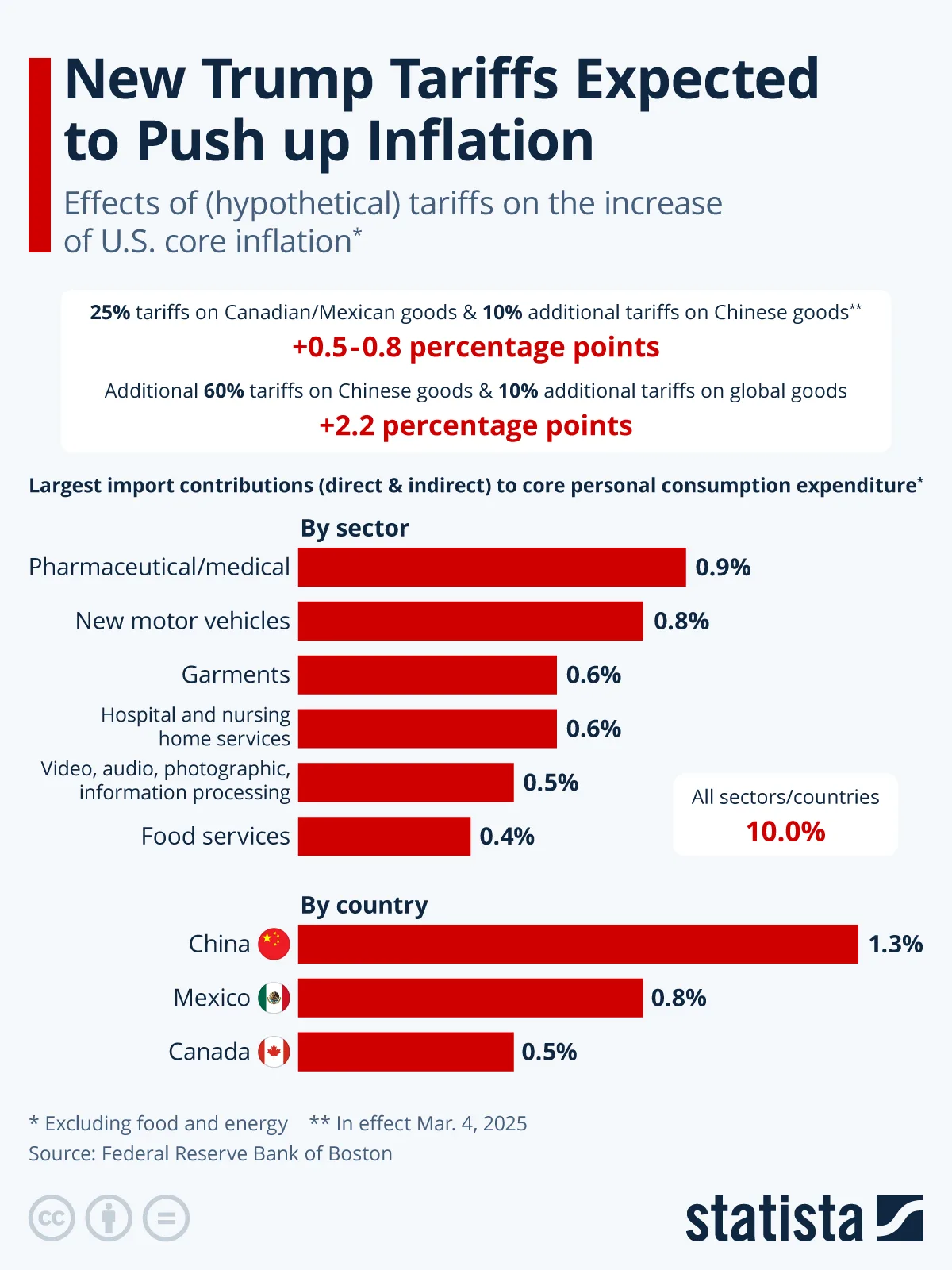
    According to findings from the Federal Reserve Bank of Boston, the tariffs enacted early in the Trump administration could lead to a noteworthy increase in core inflation. Specifically, it’s estimated that these tariffs could raise core inflation—an indicator that excludes food and energy prices—by approximately 0.5 to 0.8 percentage points.

    Moreover, considering additional tariffs that Trump suggested during his campaign, such as a proposed 60 percent tariff on Chinese goods and a blanket 10 percent tariff on all global imports, the forecasted impact on inflation becomes even more pronounced. These measures could potentially boost core inflation by as much as 2.2 percentage points.

    The State of Core Inflation

    Core inflation, which reached a peak of 6 percent in 2022, has shown signs of cooling down, standing at an annualized rate of 3.3 percent as of January 2023. However, with impending tariff actions, concerns arise about how these rates may shift once again. The direct correlation between tariffs and inflation presents a complex scenario for both consumers and the economy at large.

    Imported Goods and Vulnerable Sectors

    The calculations from the Federal Reserve Bank of Boston shed light on which sectors of the economy are most susceptible to these tariff-driven price increases. Approximately 10 percent of core personal consumption expenditures are tied to imports, highlighting the vulnerability of certain sectors to tariff-related pricing pressures.

    Key Vulnerable Industries

    1. Pharmaceuticals and Medical Products: A significant portion of medications and medical devices are imported, making this sector particularly sensitive to tariffs. Price hikes in this category could have serious implications for healthcare costs.

    2. Motor Vehicles: The automotive industry, reliant on parts and assembly from neighboring countries, stands to experience increased costs, which could translate to higher prices for consumers.

    3. Garments and Apparel: Clothing items, many of which are imported from countries like China and Vietnam, may see price surges, affecting consumers’ purchasing decisions.

    4. Hospital and Nursing Home Services: Tariffs can influence the costs associated with supplies and equipment in healthcare settings, potentially leading to higher service fees.

    5. Media and Information Processing: Industries related to audio, video, and photo services could also face increased expenses, contributing to an overall rise in consumer prices.

    The Broader Economic Context

    The implications of tariffs extend beyond inflation rates alone. They encompass the broader economic landscape, influencing consumer behavior, corporate strategies, and international trade relations. Understanding how tariffs shape these factors is vital for anticipating future economic trends and preparing for potential challenges in the economy.

    As the U.S. navigates this complex economic environment, the interplay between tariff policies and inflation will continue to be a critical area of focus for economists, businesses, and policymakers. The ongoing analysis of these tariffs and their implications for inflation will undoubtedly shape economic discourse in the coming years.

  • 82% of Republicans Rate Economy as Poor Amidst Partisan Divide

    82% of Republicans Rate Economy as Poor Amidst Partisan Divide

    Economic Sentiment in America: A Deep Dive into Public Perception

    The U.S. economy has become a significant focal point in recent political discourse, especially as we approached the 2024 elections. As voters weighed their options, economic performance stood out as a crucial determinant in their choices. This blog will explore the nuanced perspectives on the economy among different demographics, including how political affiliations shape perceptions of economic stability and growth.

    The Economy as a Political Catalyst

    The economy’s status played a pivotal role in Donald Trump’s electoral success in the 2024 elections. Exit polls revealed a striking statistic: 80 percent of voters who prioritized the economy as their main concern ended up supporting Trump. This suggests a pronounced frustration with economic conditions, as over two-thirds of these voters rated the nation’s economic performance as either "not so good" or "poor." This sentiment underscores the broader emotional landscape surrounding economic issues in America.

    Current Sentiments: Mixed Emotions Amidst Economic Indicators

    Despite various positive economic indicators, such as employment rates and stock market performance, public sentiment remains decidedly negative. A recent YouGov/The Economist poll, conducted from January 12-14, reveals a significant partisan divide in how Americans perceive the economy.

    Democratic Optimism

    According to the poll results, 65 percent of Democrats (including leaners) rate the state of the economy as "excellent" or "good." This optimism among Democrats may stem from positive narratives around economic recovery and the administration’s efforts to bolster growth through various policies.

    Republican Disillusionment

    Contrastingly, a staggering 82 percent of Republicans view the economy as "fair" or "poor." This sense of discontent may arise from a perceived lack of progress on issues such as inflation and job growth, along with a belief that the current administration has failed to adequately address economic challenges.

    Job Approval Ratings: A Look at Leadership Perception

    The partisan divide extends beyond mere perceptions of the economy; it is also reflected in approval ratings pertaining to economic management.

    Republican Disapproval of Biden

    An overwhelming 86 percent of Republicans express disapproval regarding President Joe Biden’s handling of jobs and economic issues. This disapproval may contribute to a broader narrative that challenges the effectiveness of Democratic policies in stabilizing and enhancing the economy.

    Democratic Approval of Biden’s Policies

    In stark contrast, 76 percent of Democrats approve of Biden’s approach to economic management. This approval could indicate a belief that the administration’s intervention strategies are yielding positive results, even if immediate benefits are not universally perceived across the political spectrum.

    Future Financial Expectations: A Divided Outlook

    Looking towards the future, the expectations for economic improvement further illustrate the divide between Trump and Biden supporters.

    Optimism Among Trump Voters

    Among those who voted for Trump, 57 percent anticipate a better financial situation within a year. Only 6 percent expect to be worse off, signaling a strong belief that Trump’s presidency will usher in economic improvements.

    Caution Among Harris Supporters

    In contrast, 36 percent of Harris voters predict they will be financially worse off a year from now, while 23 percent expect improvement. This cautious outlook may reflect lingering concerns about economic conditions and a hope that alternative policies might stimulate growth.

    The Role of Economic Sentiment in Shaping Political Narratives

    These insights shed light on how economic sentiment not only influences voting behavior but also reflects broader societal concerns about stability and prosperity. Understanding the intricate dynamics between public perception and actual economic conditions is vital for both policymakers and citizens alike, as they navigate this multifaceted issue in the coming years.

  • U.S. Economy Shows 2.8% Growth Amid Inflation Relief Efforts

    U.S. Economy Shows 2.8% Growth Amid Inflation Relief Efforts

    U.S. Economic Landscape: A Closer Look at Recent Trends

    The current state of the U.S. economy presents an intriguing picture. With a notable growth rate in gross domestic product (GDP) and a robust labor market, the signs seem to indicate a flourishing economic environment. However, there remains a significant disconnect between economic indicators and public sentiment.

    Economic Growth in the Third Quarter

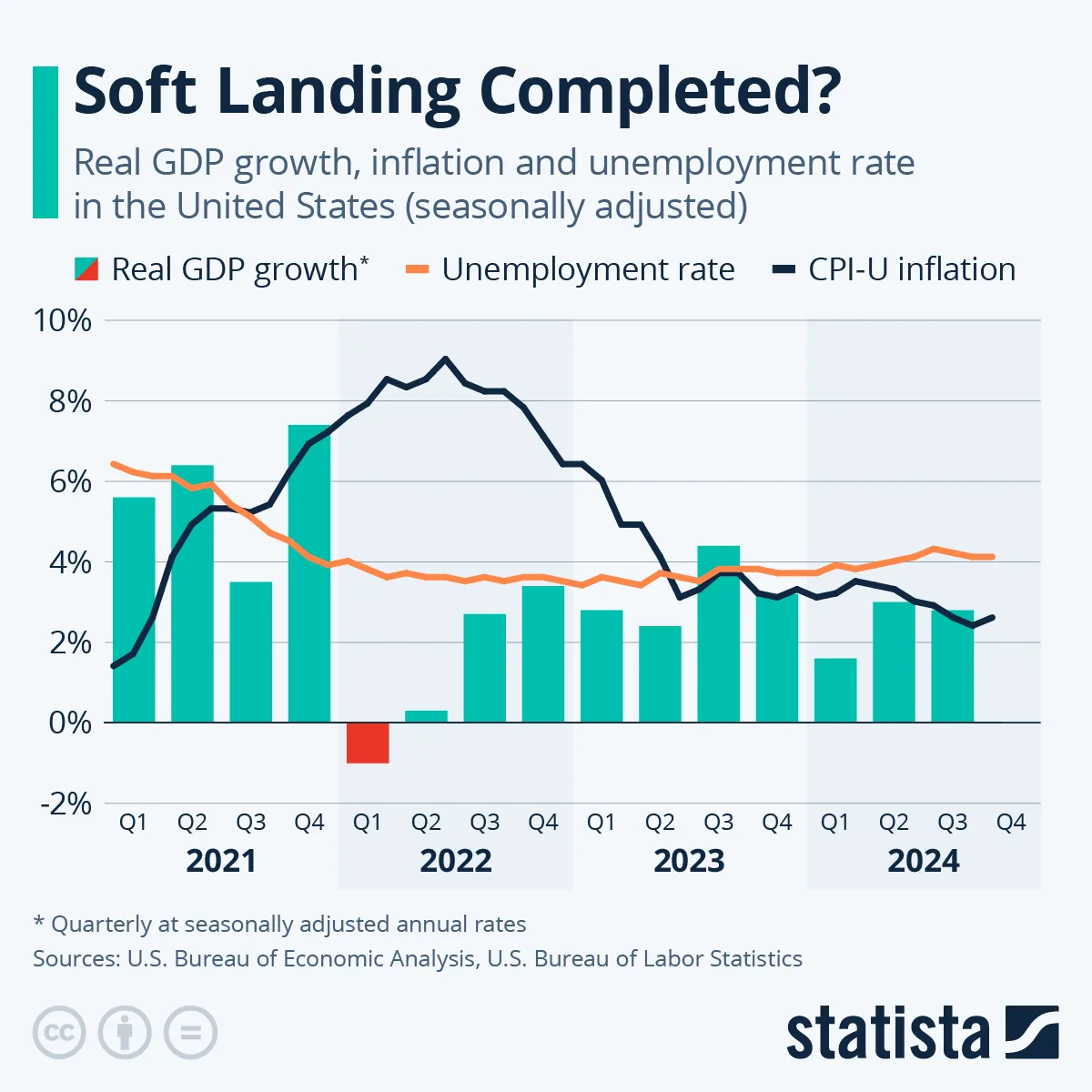
    In the third quarter of the year, the U.S. experienced a commendable GDP growth of 2.8 percent. This figure underscores a resilient economy that, at least on the surface, is bouncing back from previous adversities. The sustained expansion suggests that various sectors are rebounding and adapting to the changing environment, indicating potential stability for the foreseeable future.

    Unemployment Rates: An Encouraging Sign

    Another pillar of economic health is the unemployment rate, which hovers around 4 percent. This low rate is indicative of a strong labor market where jobs are available, and many Americans are employed. A healthy unemployment rate typically reflects confidence among businesses and consumers alike, contributing to overall economic prosperity.

    Inflation Trends: The Quest for Stability

    Despite the positive growth and employment numbers, inflation remains a pressing issue. Recent trends show a gradual decline in inflation, moving towards the Federal Reserve’s target of 2 percent. This shift is vital for restoring purchasing power and consumer confidence, as sustained high prices can significantly impact overall economic sentiment.

    The Concept of a "Soft Landing"

    The long-anticipated "soft landing" is a situation economists and policymakers hope to achieve. It refers to the delicate balance of controlling inflation without precipitating a recession or leading to widespread unemployment. Current indicators suggest that the U.S. is edging closer to achieving this balance, a development that many both locally and internationally are observing with keen interest.

    The Disconnect: Economic Reality vs. Perception

    Despite the encouraging macroeconomic data, there exists a palpable sense of frustration among the American populace, largely driven by high prices. Interestingly, this dissatisfaction played a pivotal role in the political landscape, influencing electoral outcomes. The perception of economic hardship, even against a backdrop of growth, raises questions about the correlation between economic indicators and public sentiment.

    Insights from Jerome Powell

    Federal Reserve Chairman Jerome Powell has openly acknowledged this disconnect, emphasizing the legitimacy of public feelings concerning the economy. He recognized that while the economy may be performing well, many are still grappling with the lingering effects of elevated prices. “People have every right to feel the way they feel,” Powell stated, pinpointing the challenge of inflation despite the apparent economic growth.

    What Will Improve Public Sentiment?

    So, what measures can help bridge the gap between economic indicators and public perception? According to Powell, the answer lies predominantly in the passage of time.

    The Importance of Time for Adjustment

    Time is essential for various reasons. First, it allows individuals to adjust to the new price levels after prolonged inflation. Additionally, a prolonged period of real wage gains will be crucial in easing the financial strain many are currently facing. Wage growth that keeps pace with or exceeds inflation is necessary for restoring confidence in the economy.

    Navigating Forward: A Look Ahead

    With inflation gradually tapering off and robust employment rates, the U.S. economy appears to be heading toward a more stable future. However, policymakers and economists must continue to address public concerns and perceptions to ensure that economic growth translates into tangible improvements in the daily lives of citizens.

    Through gradual adjustments, sustained wage growth, and continued dialogue about economic conditions, a more resilient and confident public sentiment may emerge in tandem with the economic realities outlined in the recent statistical data.

    The ongoing assessment of these dynamics will shed light on the effectiveness of current strategies and inform future economic policies.