الوسم: stereo system

  • How Much Does a New Stereo System in a Car Cost?

    How Much Does a New Stereo System in a Car Cost?

    How Much Does a New Stereo System in a Car Cost?

    Upgrading your car’s stereo system can significantly enhance your driving experience. However, potential buyers often wonder about the costs involved. This guide breaks down the expenses associated with purchasing and installing a new car stereo system.

    Factors Influencing the Cost of a Car Stereo System

    When assessing how much you might spend on a new stereo system, several factors come into play. Here are the main considerations:

    1. Type of Stereo System

    There are different types of car stereo systems, each with varying price points:

    • Basic Integrated Systems (Factory): Generally included in new vehicles and provide standard features like AM/FM radio and basic CD playback.
    • Aftermarket Stereos: Can range from low-cost models ($50-$100) to high-end options ($500+), featuring advanced capabilities like Bluetooth connectivity, touchscreen interfaces, and smartphone integration.

    2. Components Required

    A complete audio upgrade often involves more than just the stereo head unit. Consider the following components:

    • Speakers: Upgrading factory speakers can cost between $100 and $500 per set, depending on the brand and quality.
    • Subwoofers: For those seeking deep bass, subwoofers can range from $50 for basic models to upwards of $400 for premium options.
    • Amplifiers: Essential for driving powerful speakers, amplifiers typically cost $100 to $500, depending on output and brand.

    Installation Costs

    Installing a new car stereo system can incur additional expenses. Here’s what to consider:

    1. DIY vs. Professional Installation

    • Do-It-Yourself (DIY): If you have the skills, installing a system yourself can save you labor costs. Generally, tools needed may include:

      • Screwdrivers
      • Wire strippers
      • Electrical tape
      • Panel removal tools

    • Professional Installation: Hiring a professional can cost between $50 to $150 per hour. This option ensures proper installation and may come with a warranty on both labor and parts.

    2. Additional Wiring and Adapters

    Often, installing new stereos requires specific wiring harnesses or adapters to ensure compatibility with your vehicle. These can cost anywhere from $10 to $50, depending on the make and model of your car.

    Total Estimated Costs

    To give you a rough idea of the overall expense, here’s a ballpark estimate for different scenarios:

    Basic Setup

    • Aftermarket stereo unit: $100
    • Basic speakers: $100
    • Wiring and adapters: $30
    • Total: $230

    Mid-Range Setup

    • Aftermarket stereo unit: $200
    • Enhanced speakers: $200
    • Subwoofer: $150
    • Wiring and adapters: $40
    • Professional installation: $100
    • Total: $690

    High-End Setup

    • High-end stereo unit: $500
    • Quality speakers: $400
    • Subwoofer: $300
    • Amplifier: $200
    • Wiring and adapters: $50
    • Professional installation: $150
    • Total: $1,600

    Conclusion

    Whether you’re looking to update your car’s sound system for better audio quality or just want to enhance your overall driving experience, several options are available at various price points. Understanding the different components and associated costs will help you make informed decisions based on your preferences and budget.
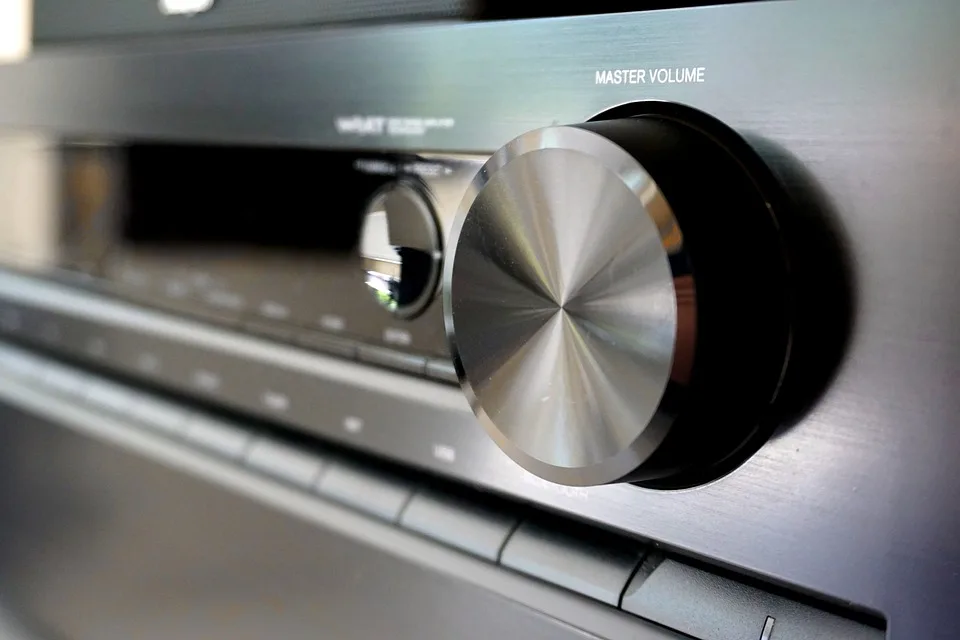
  • How much is a decent stereo system?

    How much is a decent stereo system?

    Choosing a stereo system can be a daunting task, especially with the variety of options available in today’s market. Whether you’re an audiophile looking for high-quality sound or someone who simply enjoys music, understanding how much to invest in a decent stereo system is crucial. This article will guide you through the various price ranges and the components that typically comprise a reliable setup.

    Price Ranges for Stereo Systems

    Stereo systems can vary widely in price, influenced by the components, brand, and features. Here’s a breakdown of what you can expect in different price categories:

    Budget-Friendly Options ($100 – $300)

    • Basic Speakers: Look for bookshelf or portable speakers that offer decent sound quality without breaking the bank.
    • Receiver: Often a simple amplifier or integrated receiver that can power your speakers and connect to your devices.
    • Turntable or CD Player: Basic models that can play your vinyl records or CDs.

    This range is ideal for casual listeners who want to enhance their home audio experience without a significant investment.

    Mid-Range Systems ($300 – $1,000)

    • Quality Speakers: Standalone floor-standing or high-quality bookshelf speakers that provide improved clarity and bass response.
    • Advanced Receiver Features: Support for various connections (Bluetooth, Wi-Fi streaming) and surround sound capabilities.
    • Source Components: Higher-quality turntables and CD players, along with digital streaming options.

    Ideal for enthusiastic music lovers, this range offers a balanced blend of performance and functionality.

    High-End Systems ($1,000 and above)

    • Premium Speakers: High-fidelity models from renowned brands often crafted with superior materials and technology for an immersive listening experience.
    • Advanced Amplifiers and Receivers: High-end equipment that can deliver exceptional sound quality and handle complex audio formats.
    • Customization Options: You may also find customizable options for cable lengths and speaker placement.

    This price range is perfect for audiophiles who demand uncompromised sound quality and exceptional build.

    Essential Components of a Stereo System

    Understanding the essential components of a stereo system can help you make informed decisions when budgeting.

    Speakers

    • Types: Floor-standing, bookshelf, and subwoofers are common types of speakers.
    • Specifications: Look for frequency response, sensitivity, and wattage; these affect the overall sound quality.

    Receiver

    • Functionality: Acts as the hub, connecting all your audio sources and delivering power to the speakers.
    • Features: Consider options like Bluetooth, Wi-Fi connectivity, and support for various audio formats.

    Source Components

    • Turntables: If vinyl is your preference, choose one with a good cartridge and build quality.
    • CD Players and Streaming Devices: Ensure compatibility with your audio sources and the quality of DAC (Digital-to-Analog Converter).

    Cables and Accessories

    • Quality Matters: Investing in good-quality cables and interconnects can improve sound quality.
    • Speaker Stands and Acoustic Treatments: These can enhance your listening environment and improve overall audio performance.

    Total Investment and Extras

    When budgeting for a stereo system, consider additional costs that may arise:

    • Installation Costs: If you’re not technically inclined, you might need professional installation.
    • Room Optimization: Factor in the costs of speaker stands or room treatment materials for optimal acoustics.
    • Future Upgrades: Setting aside some budget for potential upgrades or replacements can be a wise investment.

    With these guidelines, you should have a better understanding of how much you may need to spend on a decent stereo system tailored to your listening preferences. Whether you’re starting small or going for high-end equipment, the key is to balance your budget with your desire for quality sound.