الوسم: statements

  • ارتفاع قلق الدول ذات الدخل العالي بشأن فقدان الوظائف وتزايد عدم المساواة بنسبة 55% و35%

    القلق من فقدان الوظائف وتزايد عدم المساواة مرتبطين بالاعتماد المتزايد على الذكاء الاصطناعي

    مقدمة عن التباينات بين الدول ذات الدخل المرتفع والمتوسط

    تشهد الدول ذات الدخل المرتفع نسبًا أعلى من الوعي بالتطورات في مجال الذكاء الاصطناعي، مما يؤدي إلى انتشار أوسع للمخاوف المتعلقة بنتائج هذا التقدم التكنولوجي. وفقًا لمسح شمل 36 دولة أجراه مركز بيو للأبحاث، يظهر أن هناك قلقًا متزايدًا من أن الذكاء الاصطناعي سيؤدي إلى تقليل فرص العمل وزيادة الفوارق الاقتصادية بين الأثرياء والفقراء.

    التوقعات بخصوص تأثير الذكاء الاصطناعي على سوق العمل

    تشير البيانات إلى أن نسبة المتوقعين بانخفاض فرص العمل عبر العشرين عامًا القادمة تتجاوز النصف في الدول ذات الدخل المرتفع، بمتوسط 55 بالمئة. بالمقابل، في الدول ذات الدخل المتوسط، تتوقع حوالي 36 بالمئة من الناس أن يؤدي الذكاء الاصطناعي إلى تراجع فرص العمل، مما يعكس مدى تأثير مستوى الوعي والتوقعات الاقتصادية والاجتماعية على مدى الشعور بالقلق.

    المخاوف من زيادة الفوارق الاقتصادية وعدم المساواة

    بالنسبة لتوقعات التفاوت الاقتصادي، يعتقد 35 بالمئة من المستطلعين في الدول ذات الدخل المرتفع بأن الفجوة بين الأغنياء والفقراء ستتسع خلال العشرين عامًا القادمة. أما في الدول ذات الدخل المتوسط، فهذه النسبة تكون أقل، حوالي 22 بالمئة، ما يعكس تباينًا في تصور وتقييم المخاطر المحتملة من الاعتماد المتزايد على التكنولوجيا.

    وأهم أسباب ارتفاع مستوى الوعي بالمخاطر في الدول ذات الدخل المرتفع

    الوعي الإعلامي وتوافر المعلومات

    توضح البيانات أن نسبة الأفراد الذين سمعوا أو قرأوا الكثير عن الذكاء الاصطناعي تقترب من الضعف في الدول ذات الدخل المرتفع مقارنة بالدول ذات الدخل المتوسط. يفسر ذلك جزئيًا ارتفاع مستوى القلق، حيث أن ارتفاع مستوى الوعي يعلّم الناس عن المخاطر المحتملة أكثر مما يزيد من شعورهم بعدم اليقين بشأن مستقبل سوق العمل والتوزيع الاقتصادي.

    حجم عدم اليقين بشأن تأثير الذكاء الاصطناعي على الوظائف

    تُظهر نتائج الاستطلاع أن 34 بالمئة من أفراد الدول ذات الدخل المتوسط غير متأكدين من تأثير الذكاء الاصطناعي على وظائف بلادهم، بينما كانت تلك النسبة أقل، 22 بالمئة، بين المستطلعين في الدول ذات الدخل المرتفع ذات المعرفة الأوسع بالتكنولوجيا. كما أن 28 بالمئة من الأشخاص في الدول ذات الدخل المتوسط لم يسمعوا شيئًا يذكر عن الذكاء الاصطناعي، مما يعكس ضعف الوعي ويعطي تفسيرًا إضافيًا لوجود قدر كبير من عدم اليقين في تقييم الآثار المستقبلية.

    الآثار الاجتماعية والاقتصادية لانتشار الذكاء الاصطناعي

    مع تزايد اعتماد الدول على الذكاء الاصطناعي، تظهر مخاوف متزايدة من أن تؤدي هذه التكنولوجيا إلى تراجع في فرص العمل وزيادة الفوارق الاجتماعية. يُعد مستوى الوعي والتثقيف الاقتصادي من العوامل المهمة التي تؤثر على كيفية تصدي الأفراد والمجتمعات لهذه التحديات، حيث أن زيادة الوعي يمكن أن تسهم في تبني سياسات أكثر توازنًا ومرونة لضمان الاستفادة من مزايا التكنولوجيا مع معالجة آثارها السلبية.

  • "33% of Americans Fear Manipulated News Amid AI Concerns"

    "33% of Americans Fear Manipulated News Amid AI Concerns"

    Understanding American Sentiments Toward News Manipulation

    The landscape of news consumption in the United States is evolving rapidly, shaped by technological advancements and shifting public perceptions. A recent Statista Consumer Insights survey highlights key insights into how Americans engage with news, their concerns about media integrity, and the growing influence of artificial intelligence (AI).

    The Drive for Current Awareness

    Nearly half of the surveyed individuals express a strong desire to stay informed about global events and the intricacies of politics. This eagerness underscores the importance of reputable news sources as they navigate a complex information environment. However, this pursuit of knowledge is marred by skepticism regarding the authenticity and neutrality of the news they consume.

    Growing Concerns About Manipulated News

    A significant portion of the survey participants—about one-third—articulated concerns regarding the potential manipulation of mainstream media. This anxiety reflects a broader societal trend where distrust in traditional media outlets continues to mount. The combination of sensationalism, perceived biases, and corporate interests often leads individuals to question the narratives presented to them.

    Factors Contributing to Distrust

    Several factors contribute to this deep-seated distrust:

    • Sensationalism: The tendency of some media outlets to prioritize clickbait headlines often overshadows factual reporting, leading to viewer skepticism.
    • Bias: Many individuals feel that news is presented with a particular slant, further fueling the perception of manipulation.
    • AI Influence: The increasing role of AI in generating and curating news content raises concerns about authenticity and reliability.

    The Role of Artificial Intelligence in News

    The integration of AI technology in news production is a double-edged sword. While it can streamline content creation, automate reporting, and enhance personalization, it also poses significant ethical and trust-related dilemmas.

    Desire for Transparency

    Approximately 28 percent of American respondents expressed a desire for transparency regarding AI-generated content. This highlights a growing awareness of how technology can influence the information landscape and emphasizes the need for news organizations to disclose their use of AI tools responsibly.

    Shifting Preferences in News Consumption

    In recent years, there has been a notable shift in how Americans obtain their news. Data indicates that around 42 percent of individuals are moving away from traditional print media and web articles, favoring audiovisual formats instead. This transition aligns with broader technological trends and changing attention spans.

    The Impact of Audiovisual Media

    • Enhanced Engagement: Audiovisual content often captures attention more effectively than text alone, catering to diverse learning preferences.
    • Accessibility: Video and audio news can be more accessible for audiences who may struggle with reading or prefer auditory learning.
    • Real-time Updates: The dynamic nature of audiovisual presentations allows for quicker dissemination of updates, appealing to those seeking immediate information.

    Conclusion

    The interplay between trust, media manipulation, and technology within the news landscape highlights a complex dynamic that continues to evolve. As consumers become increasingly discerning, the challenge for news organizations lies in rebuilding trust and providing transparency in an era dominated by rapid technological change.

  • 4% Globally Deny the Holocaust; 1/3 in MENA Exaggerate Victims

    4% Globally Deny the Holocaust; 1/3 in MENA Exaggerate Victims

    The Holocaust: A Critical Historical Event

    The Holocaust stands as one of the darkest chapters in human history, where six million Jews and millions of others were systematically murdered during World War II by the Nazi regime and its collaborators. Understanding the facts, the historical significance, and the ongoing challenges of Holocaust denialism is crucial in fostering a well-informed society.

    Commemoration and Awareness

    January 27 marks a significant date: the liberation of Auschwitz concentration camp in 1945. As we observe this milestone, we are reminded of the necessity of Holocaust remembrance. With the passing of time, the number of living survivors—who hold testimony of the atrocities—dwindles. This loss poses a challenge to future generations in keeping the memory of the Holocaust alive.

    The Role of Witnesses

    Survivors play an invaluable role in Holocaust education, sharing firsthand experiences of terror, loss, and resilience. Their narratives serve as powerful tools for combating misinformation and indifference, helping to ensure that history does not repeat itself.

    Current Trends in Holocaust Denialism

    A recent survey conducted by the Anti-Defamation League sheds light on contemporary attitudes toward the Holocaust. Around the world, 4 percent of respondents outright deny that the Holocaust occurred. This percentage demonstrates a slight decline from previous surveys, yet it is still alarmingly present.

    Demographics of Denialism

    The survey identifies particular demographics where denialist sentiments are stronger:

    • Gender Differences: The denial rate was reported as 5 percent among men, indicating a troubling trend within this group.
    • Age Factors: Similarly, 5 percent of respondents aged 18 to 49 also denied the event. This reflects a concerning reality as younger generations increasingly come of age with access to information but still hold denialist beliefs.

    Geographic Disparities in Perception

    The prevalence of Holocaust denial and opinion on victim numbers varies significantly across different regions:

    Middle East and North Africa

    • Elevated Denialism: Notably, North Africa and the Middle East reported elevated rates of Holocaust denialism. Many in these regions express beliefs that the number of Holocaust victims has been significantly exaggerated, with figures as high as one-third agreeing with this sentiment.

    Other Regions

    • Sub-Saharan Africa and Asia: The denial rates remain average in Sub-Saharan Africa and Asia, with a number of respondents also expressing skepticism about the extent of the Holocaust.
    • Western Europe: Contrastingly, Holocaust denial is relatively rare in Western Europe, with only 1 percent of participants rejecting the occurrence of the Holocaust.

    Antisemitism Today: A Worrying Trend

    Beyond denialism, antisemitic attitudes continue to take root in various societies, as revealed by the survey. Respondents were asked to agree or disagree with 11 stereotypes about Jewish people, demonstrating that negative perceptions remain alive.

    Region-Specific Antisemitism

    • Magreb States and the Middle East: These areas displayed particularly strong antisemitic beliefs, suggesting a deep-seated issue that may perpetuate denialism and prejudice.
    • Global Perspectives: Countries like Russia, Indonesia, Malaysia, and Turkey also reported significant levels of antisemitism, highlighting a pervasive challenge that transcends regional boundaries.

    Shifting Attitudes: The Age Factor

    Younger individuals in the survey exhibited stronger antisemitic attitudes compared to older populations. This is concerning as it suggests that without intervention and education, the cycle of misinformation and prejudice may continue to perpetuate itself.

    Historical Context and Future Implications

    The survey results indicate a troubling trajectory for Holocaust memory and collective consciousness. While the average score of antisemitic beliefs in countries rose dramatically from 26 to 46 points out of 100 between 2014 and 2024, this statistic underscores an urgent need for education and advocacy.

    The Path Forward: Engagement and Education

    Combating Holocaust denialism and antisemitism requires a multifaceted approach, involving education, empathetic engagement, and active remembrance.

    • Educational Initiatives: Programs tailored to schools and communities can help increase awareness of the Holocaust and counter denialist narratives.

    • Survivor Testimonies: As the number of Holocaust survivors decreases, recording their testimonies and experiences becomes increasingly important for future generations, ensuring that their stories and lessons endure.

    • Dialogue and Discussion: Fostering open conversations about uncomfortable topics can help dismantle the prejudices rooted in society today and contribute to a more informed and compassionate world.

    By addressing these complex issues with sensitivity and rigor, we can honor the memory of those who perished in the Holocaust while standing firmly against the forces of denialism and antisemitism that threaten to distort history.

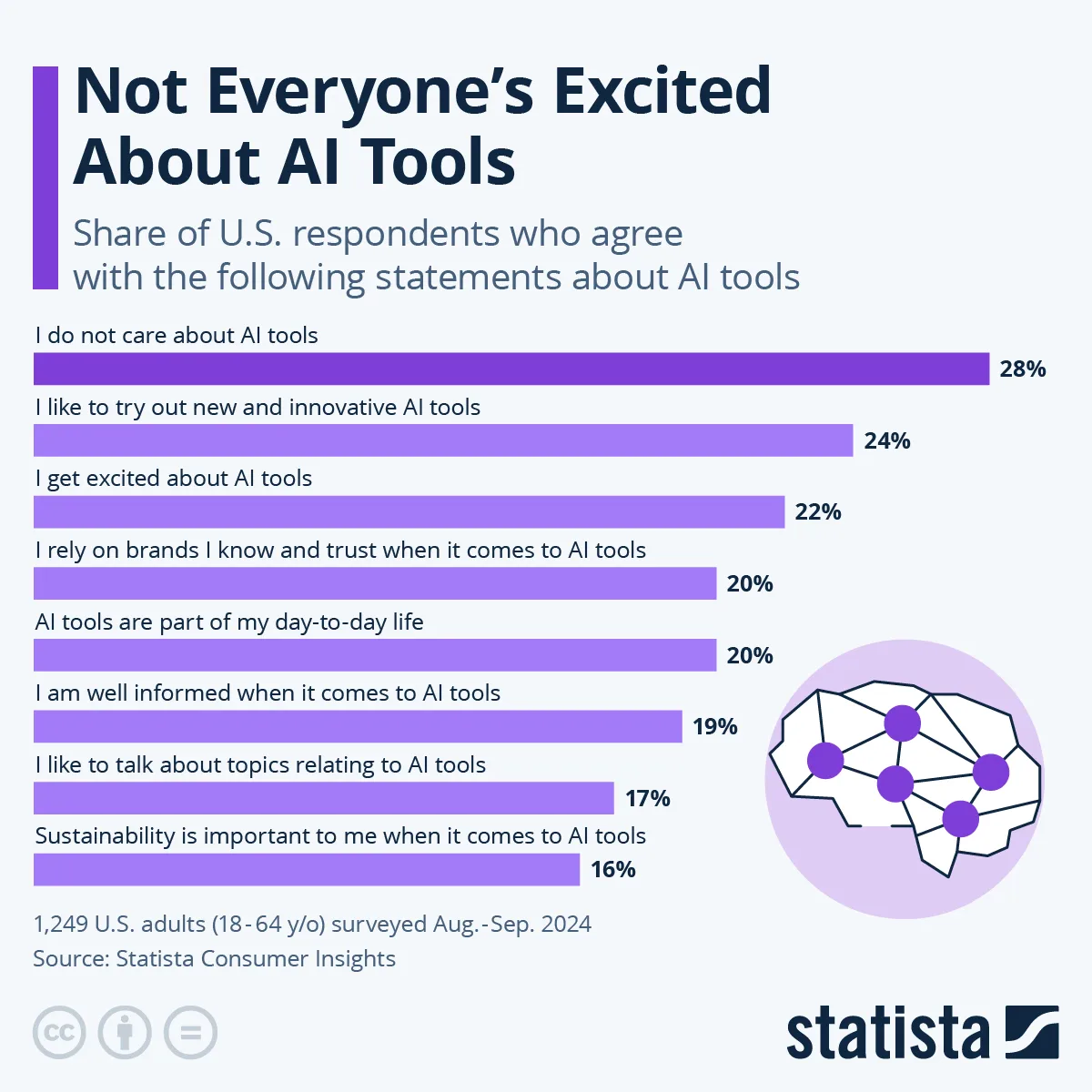
  • 29% of U.S. Adults Uninterested in AI Tools

    29% of U.S. Adults Uninterested in AI Tools

    The Rise of AI Tools: A Mixed Reception

    The release of AI-powered tools like ChatGPT in late 2022 marked the beginning of a significant shift in how industries and consumers interact with technology. This period has been likened to a modern-day gold rush, as businesses and tech enthusiasts flock towards innovations promising to revolutionize various sectors. However, as highlighted by recent surveys, the enthusiasm surrounding AI tools is far from universal.

    The Enthusiasm Gap for AI Tools

    In a survey conducted by Statista Consumer Insights, a noteworthy finding emerged: nearly 30% of U.S. adults expressed indifference towards AI tools. This statistic raises questions about the perceived utility of AI amongst the general public.

    Disparity in User Engagement

    While a portion of the population remains skeptical, others are eager to engage with these new technologies. The survey revealed that around 24% of respondents actively enjoy trying out innovative AI tools, and 22% stated that they feel excited about these advancements. Conversely, 20% of individuals reported that AI tools have already integrated into their daily routines, suggesting that a significant portion of the public is experiencing the benefits of AI.

    The Role of Big Tech

    Prominent figures in the technology sector, like Jensen Huang of Nvidia, have been vocal about the transformative potential of AI. Huang describes this era as one of unprecedented opportunity, highlighting the billions of dollars being invested by major companies to build the necessary infrastructure for AI advancements.

    Investment and Innovation

    Such investments aim to create a robust foundation for launching advanced AI applications and tools. Corporations are not just betting on AI’s future; they are actively shaping it. However, the divergence in consumer sentiment indicates a gap between corporate enthusiasm and public reception.

    Consumer Doubts and Concerns

    Despite the powerful potential of AI tools, there are underlying concerns among consumers that may contribute to the observed indifference.

    The Fear of Job Displacement

    A significant source of apprehension stems from fears surrounding job security and automation. As AI tools become more capable, concerns about losing jobs to machines can create skepticism towards embracing these technologies wholeheartedly.

    Privacy and Ethics

    Moreover, the implications regarding data privacy and ethical use of AI technology weigh heavily on consumers’ minds. Users may hesitate to adopt AI tools if they feel their personal information could be compromised or misused.

    The Future of AI in Consumer Life

    As the “era of AI” evolves, it’s crucial to understand how the technology will continue to integrate into daily experiences.

    Early Adaptation among Consumers

    The 20% of individuals who are already utilizing AI tools in their everyday lives indicates a budding relationship with the technology. With improved understanding and education about AI, this number may grow, necessitating a dialogue about ethical practices and transparency in the use of these tools.

    Bridging the Enthusiasm Divide

    Moving forward, there may be significant opportunities to bridge the gap between AI innovators and consumers. Educating the public about AI’s potential benefits, addressing fears, and ensuring ethical guidelines could help foster a more inclusive and positive perception of AI tools. By emphasizing the ways AI can enhance daily life rather than disrupt it, stakeholders can work towards a more enthusiastic reception of these transformative technologies.