SpaceX has successfully completed its 99th mission of the year, launching 20 Starlink satellites into orbit from Cape Canaveral, Florida, on Friday night.
The Falcon 9 rocket took off at 7:31 PM ET from Space Launch Complex 40, marking the 17th flight for this particular booster, which was later recovered by the “Just Read the Instructions” droneship in the Atlantic Ocean.
This launch is a significant milestone for SpaceX as the company approaches a new annual record for the number of launches. With 71 missions conducted from Florida alone, SpaceX is just one launch away from tying its previous record of 72 launches from the Space Coast achieved in 2023.
Most of the launches have been handled by SpaceX, with only five conducted by the United Launch Alliance. This latest mission also contributes to the rapid growth of SpaceX’s Starlink constellation, bringing the total number of satellites launched since 2019 to over 7,100.
Of special note, 13 of the satellites included in this mission feature direct-to-cell capabilities, reflecting SpaceX’s ongoing efforts to expand global internet access. To date, SpaceX has performed 97 Falcon 9 missions in 2024, including this one, along with two Falcon Heavy missions.
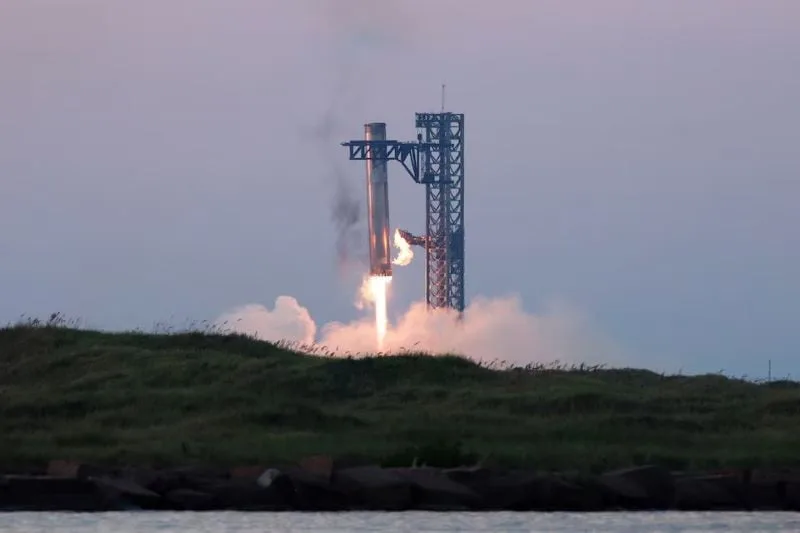
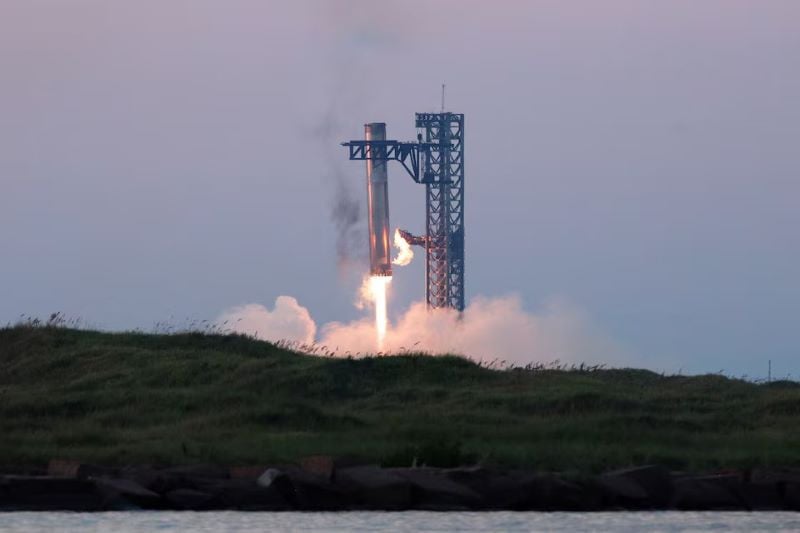
Additionally, the company has conducted three test flights of its Starship rocket, which is still in development, from the Starbase facility in Texas. The most recent Starship launch occurred on October 13, when SpaceX achieved a remarkable milestone by successfully capturing the Super Heavy booster mid-air using mechanical arms known as “Mechazilla.”
This achievement represents a key advancement in SpaceX’s ambition for rapid rocket reusability, a cornerstone of the company’s strategy to lower the costs of space travel and facilitate missions to Mars.
However, the Starship program has encountered various regulatory challenges this year. In early October, SpaceX received Federal Aviation Administration (FAA) approval for its fifth uncrewed Starship test flight, overcoming delays related to environmental and safety concerns.
Elon Musk, CEO of SpaceX, had previously voiced criticism of the FAA’s handling of the situation, arguing it amounted to regulatory overreach. The FAA, in turn, cited issues with reports of sonic booms and compliance with Texas water usage regulations.
Despite these challenges, SpaceX’s launch rate in 2024 has been impressive. The company initially aimed for up to 144 launches this year, though weather and technical issues have caused several delays, resulting in a total of 99 operational missions to date.
So far in October, SpaceX has conducted six launches, while previous months varied with 13 launches in May and 11 in August. The majority of these missions have focused on Starlink, the company’s ambitious satellite internet project. With 67 Starlink-specific missions planned for 2024 alone, SpaceX is aggressively expanding its satellite network, which now boasts over 6,400 active satellites, according to satellite tracker Jon McDowell.
These efforts have solidified SpaceX’s leading position in the satellite launch market and laid the groundwork for future growth in both commercial and experimental space missions. As the company approaches its 100th mission of 2024, it continues to push the boundaries of rocket reusability and satellite deployment while making strides in space exploration technology. The next Falcon 9 launch is anticipated shortly, keeping SpaceX on track for a record-setting year in spaceflight.