الوسم: sound quality

  • How good is 7.1 surround sound?

    How good is 7.1 surround sound?

    In the realm of audio technology, surround sound systems have revolutionized the way we experience sound in movies, video games, and music. Among these systems, 7.1 surround sound stands out as a popular option for those seeking an immersive audio experience. But how good is it? Let’s dive into the details, exploring the advantages and features of 7.1 surround sound.

    Understanding 7.1 Surround Sound

    What is 7.1 Surround Sound?

    7.1 surround sound is an audio configuration that includes a total of eight channels:

    • Front Left
    • Front Center
    • Front Right
    • Surround Left
    • Surround Right
    • Rear Left (or Surround Back Left)
    • Rear Right (or Surround Back Right)
    • Subwoofer (Low-Frequency Effects)

    This configuration enhances the listening experience by providing a more detailed and realistic soundscape.

    Key Components

    For an optimal 7.1 surround sound experience, you’ll need the following components:

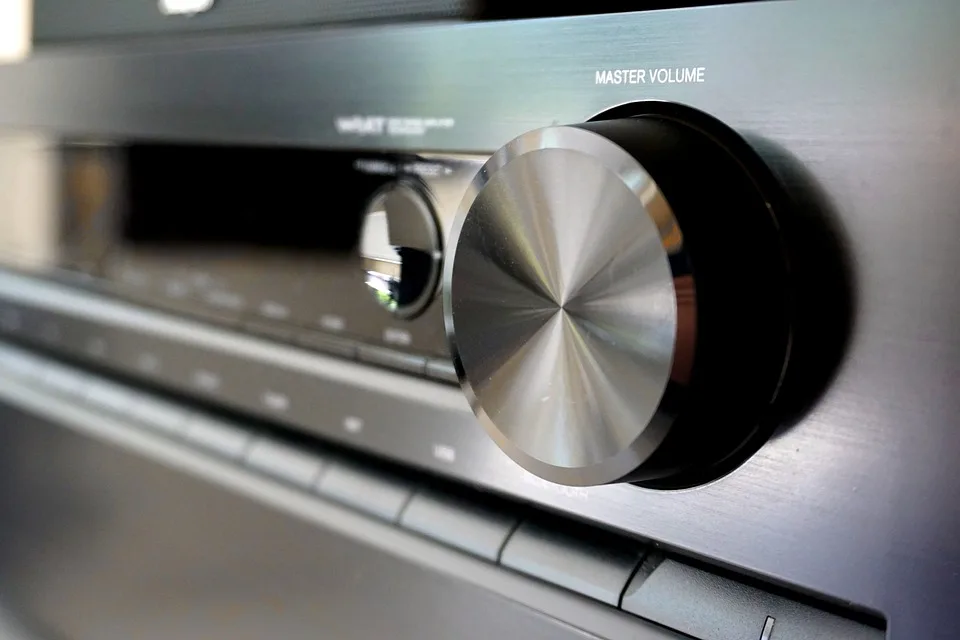
    • AV Receiver: This acts as the central hub for processing and distributing audio signals to speakers.
    • Speaker System: A complete set of speakers to accurately reproduce sound from different angles and directions.
    • Subwoofer: Essential for deep bass sounds, adding a layer of richness to the audio.

    Advantages of 7.1 Surround Sound

    Immersive Experience

    One of the primary benefits of 7.1 surround sound is its ability to create an immersive audio environment. The added rear speakers provide a more three-dimensional sound field, making it feel as though you’re truly inside the action.

    • Enhanced Directionality: Sounds can appear to come from behind you, adding depth and realism.
    • Improved Soundstage: The speaker configuration allows for more nuanced sound imaging, enabling listeners to pinpoint audio sources accurately.

    Compatibility with Content

    With the rise of high-definition audio and visual content, many films, games, and streaming platforms are designed to take advantage of multi-channel sound setups, including 7.1 surround sound.

    • Movies: Many modern films are mixed to take advantage of surround sound, placing sounds in their intended spatial locations.
    • Video Games: Gaming experiences are greatly enhanced, with ambient sounds, directional cues, and background music all positioned to create a virtual environment.

    Better Bass Response

    The inclusion of a dedicated subwoofer in a 7.1 setup greatly improves low-frequency performance:

    • Bass Effects: Sounds such as explosions or musical basslines come through with more impact.
    • Greater Control: The subwoofer can handle low-frequency sounds more effectively without overwhelming the other speakers.

    Considerations When Setting Up 7.1 Surround Sound

    Room Size and Layout

    The effectiveness of a 7.1 surround sound system can be influenced significantly by your room’s size and shape:

    • Optimal Dimensions: Larger rooms can enhance the audio experience due to greater separation and distance between speakers.
    • Speaker Placement: Correct placement of speakers is vital for achieving the best sound quality. Typically, they’ll be placed at ear level and evenly spaced around the listener.

    Equipment Quality

    The quality of your equipment plays a critical role in the surround sound experience:

    • Speaker Quality: Invest in high-quality speakers, as the clarity and detail of sound can vary widely between brands and models.
    • Cabling and Connections: Use high-quality cables to avoid signal loss. HDMI cables are often the best choice for maintaining audio quality.

    Cost Considerations

    Setting up a 7.1 surround sound system can be an investment:

    • Initial Setup: Costs can add up with receiver, speakers, and additional wiring.
    • Ongoing Upgrades: Audio technology evolves rapidly, so consider future-proofing your setup as well.

    Conclusion

    7.1 surround sound is a fantastic option for anyone looking to elevate their audio experience. With the right setup, it offers a rich, immersive sound environment that can make movies and games come alive. Whether you’re a movie enthusiast or a gaming aficionado, investing in a 7.1 surround sound system can significantly enhance your enjoyment of auditory experiences.

  • Do any noise cancelling headphones actually work?

    Do any noise cancelling headphones actually work?

    In a world filled with distractions, noise-cancelling headphones have emerged as a popular gadget for enhancing audio experiences and blocking out unwanted sounds. But how effective are they? Let’s dive deeper into the technology and functionality behind noise-cancelling headphones to see if they truly deliver on their promises.

    Understanding Noise-Cancelling Technology

    Noise-cancelling headphones minimize unwanted ambient sounds through two primary technologies:

    Active Noise Cancellation (ANC)

    • How It Works: ANC headphones use microphones to pick up external noise. They then produce sound waves that are the exact opposite (in phase) of the incoming noise. This interference cancels out the unwanted sounds.
    • Best for: Low-frequency noises like the hum of an airplane engine or air conditioning units.

    Passive Noise Isolation

    • How It Works: This method relies on the physical design of the headphones to block sound. Ear cups that form a tight seal around the ears significantly reduce the penetration of external noise.
    • Best for: Sudden, high-frequency noises, such as talking or keyboard typing.

    Choosing a pair that combines both ANC and passive noise isolation generally results in the best performance.

    Effectiveness of Noise-Cancelling Headphones

    While many users rave about their experience with noise-cancelling headphones, the reality can vary widely based on several factors.

    Factors Affecting Noise-Cancellation Performance

    1. Quality of the Headphones:

      • High-end models typically offer superior ANC technology.
      • Budget options may not perform as effectively.

    2. Fit and Design:

      • Over-ear models often provide better passive isolation than in-ear styles.
      • A snug fit enhances the overall noise-cancelling effect.

    3. Types of Noise:

      • ANC is more effective at targeting consistent frequencies.
      • It may struggle to eliminate sudden, unpredictable sounds, such as loud conversations or sirens.

    Real-World Testing and Reviews

    Consumer feedback and expert reviews can offer insight into the effectiveness of various models. Here are a few commonly reviewed options:

    • Bose QuietComfort Series: Known for exceptional comfort and noise cancellation, praised for effectively canceling out low-frequency sounds.
    • Sony WH-1000XM Series: Received accolades for customizable noise cancellation levels and excellent sound quality.
    • Apple AirPods Pro: Offers convenient features and good performance for casual users, especially for those who prioritize portability.

    Pros and Cons of Noise-Cancelling Headphones

    Advantages

    • Enhanced Listening Experience: Users can enjoy music or podcasts without raising the volume excessively.
    • Reduced Fatigue: By blocking out ambient noise, these headphones can lead to less stress and fatigue, especially in noisy environments.
    • Better Focus: Ideal for people working in open offices or traveling; they help improve concentration.

    Disadvantages

    • Cost: High-quality models can be quite expensive.
    • Battery Dependency: ANC features typically require power, leading to limited usage time if not charged.
    • Pressure Sensation: Some users experience an uncomfortable "pressurized" feeling when using ANC headphones for extended periods.

    Conclusion: Do They Really Work?

    In the end, the effectiveness of noise-cancelling headphones largely depends on the technology used, the design, and the user’s preferences. If you seek a quieter environment and a better audio experience, investing in a well-reviewed pair can certainly be beneficial. With advancements in technology, many reputable brands are consistently improving their noise-cancellation capabilities, ensuring that this gadget remains a valuable tool for both leisure and productivity.

  • How much is a decent stereo system?

    How much is a decent stereo system?

    Choosing a stereo system can be a daunting task, especially with the variety of options available in today’s market. Whether you’re an audiophile looking for high-quality sound or someone who simply enjoys music, understanding how much to invest in a decent stereo system is crucial. This article will guide you through the various price ranges and the components that typically comprise a reliable setup.

    Price Ranges for Stereo Systems

    Stereo systems can vary widely in price, influenced by the components, brand, and features. Here’s a breakdown of what you can expect in different price categories:

    Budget-Friendly Options ($100 – $300)

    • Basic Speakers: Look for bookshelf or portable speakers that offer decent sound quality without breaking the bank.
    • Receiver: Often a simple amplifier or integrated receiver that can power your speakers and connect to your devices.
    • Turntable or CD Player: Basic models that can play your vinyl records or CDs.

    This range is ideal for casual listeners who want to enhance their home audio experience without a significant investment.

    Mid-Range Systems ($300 – $1,000)

    • Quality Speakers: Standalone floor-standing or high-quality bookshelf speakers that provide improved clarity and bass response.
    • Advanced Receiver Features: Support for various connections (Bluetooth, Wi-Fi streaming) and surround sound capabilities.
    • Source Components: Higher-quality turntables and CD players, along with digital streaming options.

    Ideal for enthusiastic music lovers, this range offers a balanced blend of performance and functionality.

    High-End Systems ($1,000 and above)

    • Premium Speakers: High-fidelity models from renowned brands often crafted with superior materials and technology for an immersive listening experience.
    • Advanced Amplifiers and Receivers: High-end equipment that can deliver exceptional sound quality and handle complex audio formats.
    • Customization Options: You may also find customizable options for cable lengths and speaker placement.

    This price range is perfect for audiophiles who demand uncompromised sound quality and exceptional build.

    Essential Components of a Stereo System

    Understanding the essential components of a stereo system can help you make informed decisions when budgeting.

    Speakers

    • Types: Floor-standing, bookshelf, and subwoofers are common types of speakers.
    • Specifications: Look for frequency response, sensitivity, and wattage; these affect the overall sound quality.

    Receiver

    • Functionality: Acts as the hub, connecting all your audio sources and delivering power to the speakers.
    • Features: Consider options like Bluetooth, Wi-Fi connectivity, and support for various audio formats.

    Source Components

    • Turntables: If vinyl is your preference, choose one with a good cartridge and build quality.
    • CD Players and Streaming Devices: Ensure compatibility with your audio sources and the quality of DAC (Digital-to-Analog Converter).

    Cables and Accessories

    • Quality Matters: Investing in good-quality cables and interconnects can improve sound quality.
    • Speaker Stands and Acoustic Treatments: These can enhance your listening environment and improve overall audio performance.

    Total Investment and Extras

    When budgeting for a stereo system, consider additional costs that may arise:

    • Installation Costs: If you’re not technically inclined, you might need professional installation.
    • Room Optimization: Factor in the costs of speaker stands or room treatment materials for optimal acoustics.
    • Future Upgrades: Setting aside some budget for potential upgrades or replacements can be a wise investment.

    With these guidelines, you should have a better understanding of how much you may need to spend on a decent stereo system tailored to your listening preferences. Whether you’re starting small or going for high-end equipment, the key is to balance your budget with your desire for quality sound.