Tag: smart ring

  • Acer Is Creating A Smart Ring The Right Way

    Acer Is Creating A Smart Ring The Right Way

    Acer is making a splash at this year’s Computex event in Taipei with some standout technology. Their offerings include the Swift Edge 14 AI, which is impressively lighter than the MacBook Air, and the stylish Predator Triton 14 AI gaming laptop, both of which have caught a lot of attention.

    What took many by surprise was Acer’s venture into wearables, specifically smart rings. The company introduced the Acer FreeSense, a lightweight smart ring packed with health-tracking features, and it brings an unexpected bonus.

    What Makes Acer’s Smart Ring Unique?

    The FreeSense ring stands out because it doesn’t require a subscription, unlike many competitors like Amazfit, Samsung, UltraHuman, and RingConn. As Acer points out, users have unrestricted access to all health data without hidden fees. This is certainly a relief for many consumers.

    Oura has long been a leader in the smart ring market, yet its subscription model has raised eyebrows. Many users feel that after purchasing the device, paying an additional fee for full health features is unjustifiable.

    Acer’s FreeSense hits the mark

    While extra features like guided workouts may come at a premium, subscriptions aren’t essential in the wearable tech realm. Recently, Whoop faced criticism for shifting its subscription policy, leading to a quick reversal in strategy.

    Additional Features of the FreeSense

    Weighing in at just over two grams, the FreeSense is available in seven sizes. Crafted from titanium alloy with a vacuum-coated finish, it offers durability and comes in rose gold with a matte finish or glossy black. Additionally, it has an IP68 waterproof rating, meaning it can handle being submerged without a problem.

    When it comes to health monitoring, the FreeSense can track heart rate, heart rate variability, and blood oxygen levels. It also offers detailed sleep analysis, including stage tracking, and delivers personalized wellness reports through its companion app based on gathered biometrics.

    While Acer hasn’t disclosed the exact pricing yet, it’s expected to fall within the $300 to $400 range considering its features. Competing products like the Circular Ring 2 start at $239 but can reach up to $549 for advanced capabilities like ECG and blood pressure monitoring.

  • Affordable Smart Ring Reveals Future Of Sign Language Input

    Affordable Smart Ring Reveals Future Of Sign Language Input


    The smart ring market has seen remarkable growth over the last few years. We’re now witnessing the advent of compact sensors capable of monitoring blood pressure through ultrasound technology. Companies like Circular are adopting a unique dual-sensor strategy to gauge blood pressure and are even looking at glucose level trends by next year.

    However, the primary focus for smart rings continues to be health monitoring. Recently, researchers from Cornell University have introduced a smart ring platform that offers real-time tracking of American Sign Language (ASL) and sends this input to computers and smartphones.

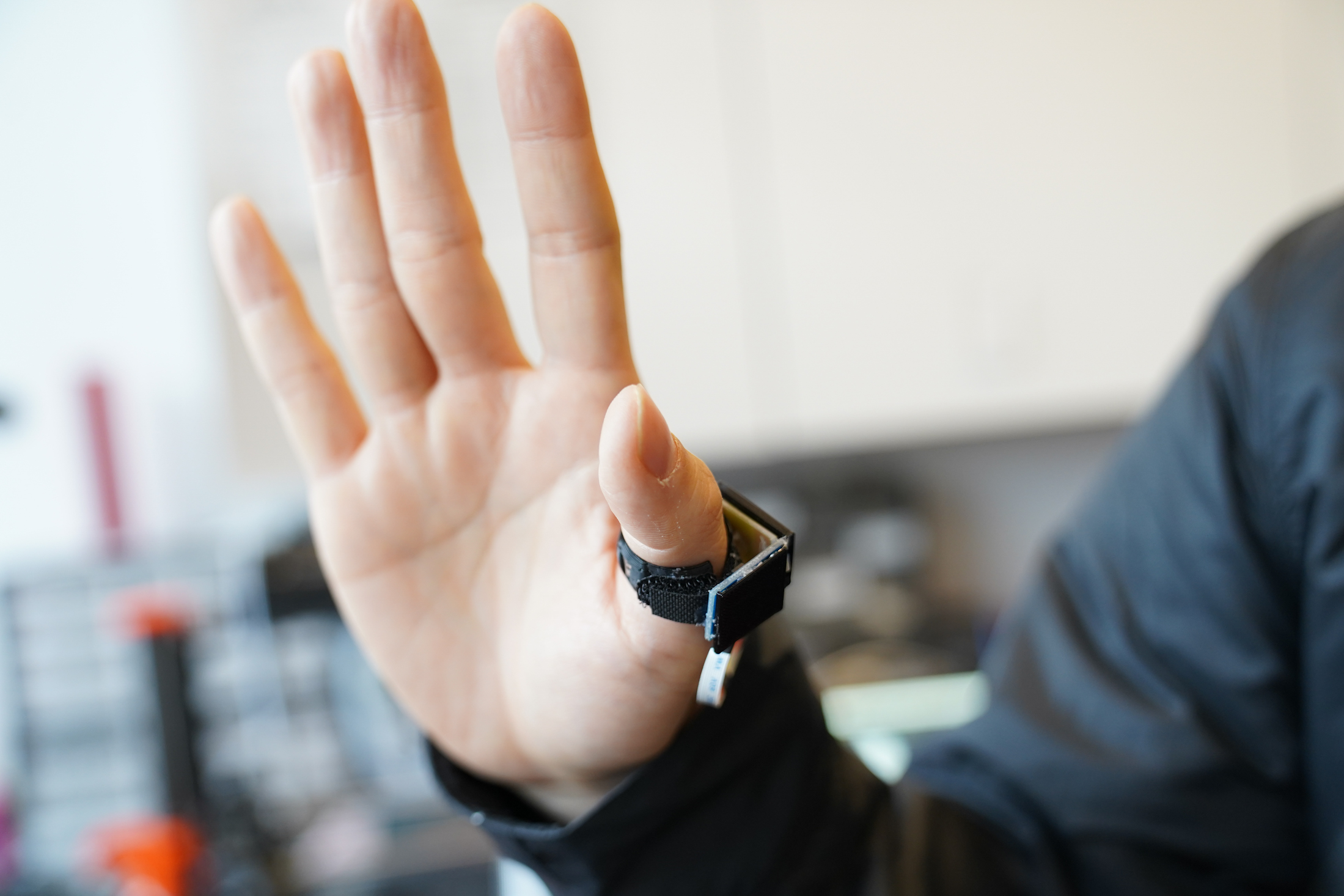
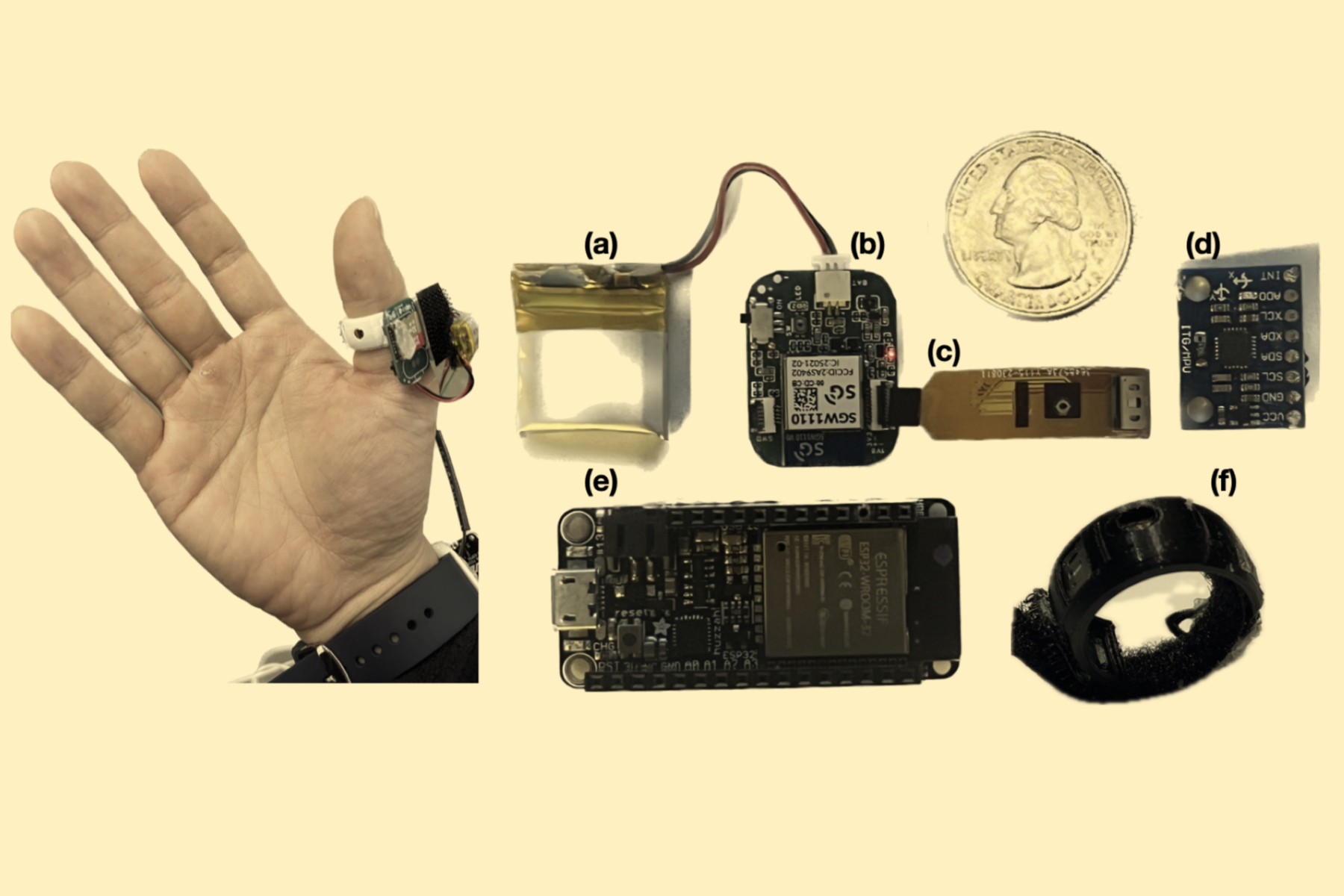
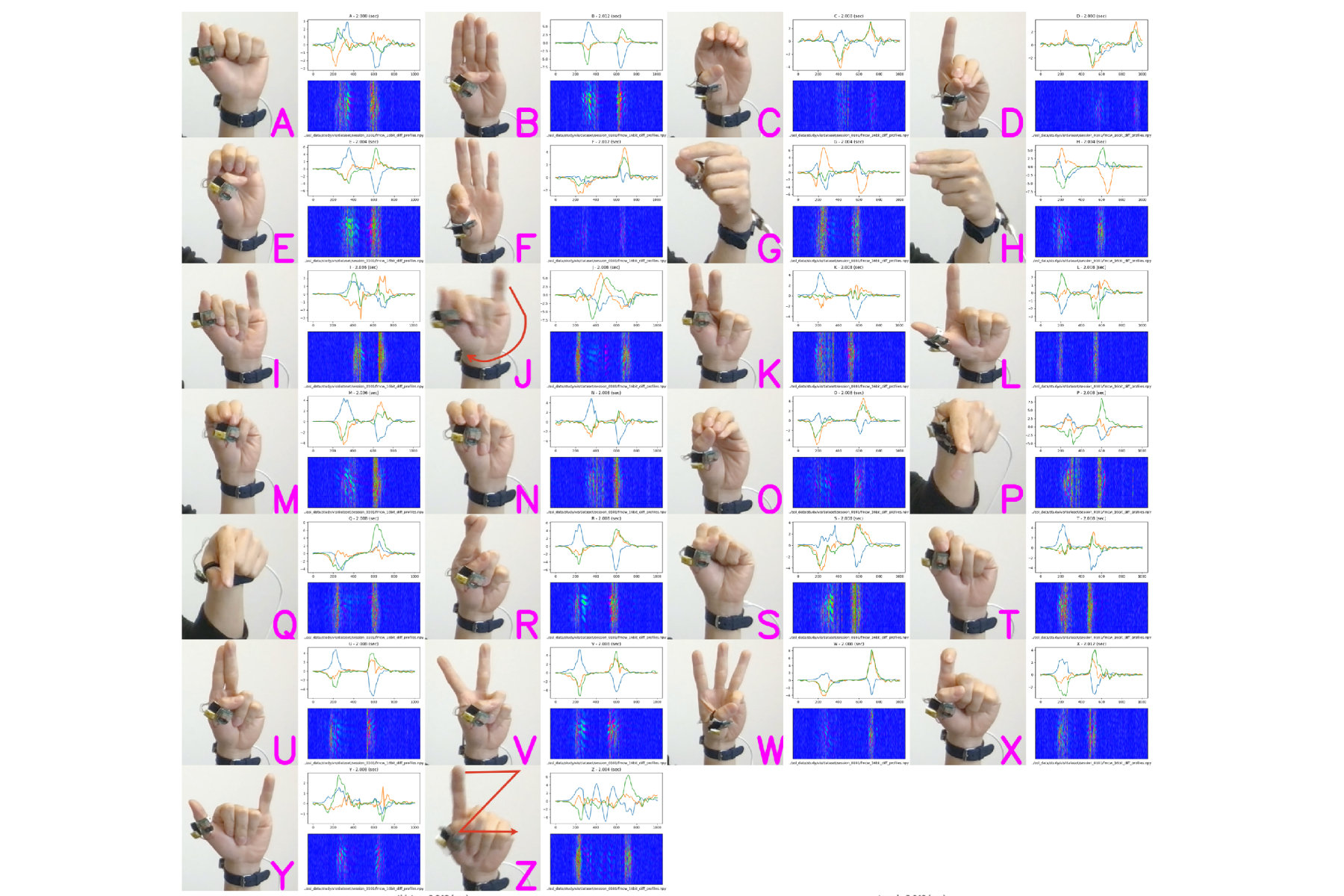
    Named the SpellRing, this innovative device can recognize all 26 letters of the English alphabet. Worn on the thumb, it features a microphone and speaker array to facilitate the transmission of audio signals generated by hand movements, while a gyroscope captures angular information.

    Accessibility for All

    SpellRing demonstrating input on a phone.
    Louis DiPietro/Cornell University

    While this concept represents a significant milestone in accessibility, its affordability may accelerate its uptake. The prototype kit created by the research team costs about $30, but they anticipate that price will drop further during mass production.

    This 3D-printed ring, roughly the size of a quarter, employs a custom deep-learning algorithm to interpret the sonar images produced by its built-in sensors. During testing, volunteers successfully spelled out around 20,000 English words.

    SpellRing showcasing recognition of English letters.
    Louis DiPietro/Cornell University

    Testing among beginners and advanced users of ASL showed that the SpellRing achieved up to 92% accuracy in converting hand signs to text. “ASL is an intricate and complex visual language,” remarks Hyunchul Lim, the paper's lead author. The team is now focusing on refining the algorithms for better interpretation of words and phrases.

    Potential That Needs Time to Mature

    According to the research findings, this groundbreaking device is the first to integrate an inertial sensing system with acoustic methods for real-time ASL fingerspelling. The team illustrated its usability in web searching on devices, navigating maps, and typing notes.

    Individual showcasing the SpellRing.
    Louis DiPietro/Cornell University

    The creators of SpellRing do not position it as a universal solution at this time. Instead, they present it as an efficient and accessible tool for text entry with distinct advantages.

    “Specifically, fingerspelling in ASL can occur much faster than typing on a smartphone keyboard," highlights the research paper, which is set to be presented at the upcoming Association for Computing Machinery’s conference on Human Factors in Computing Systems in Japan next month.

    Hardware diagram for SpellRing.
    Louis DiPietro/Cornell University

    The team aims to enhance their device by including gesture recognition and the ability to interpret complete words and phrases. They also plan to consolidate all essential components, including the inertial sensor currently housed on a separate board, into a single unit.

    With the integration of a curved battery, the final product could resemble a typical smart ring, akin to models offered by Oura or Samsung. The team is also exploring ways to develop in tandem with augmented reality glasses, allowing for hand gesture tracking along with visual interpretations to facilitate smoother interactions.

  • New Smart Ring Creates Custom Sounds For Better Sleep

    New Smart Ring Creates Custom Sounds For Better Sleep

    CES 2025 Feature Image
    CES 2025
    Explore our full coverage of CES.
    Updated just now

    In recent years, smart rings have made significant strides in both consumer markets and research environments. At CES 2025, we witnessed Circular unveil a smart ring capable of detecting atrial fibrillation (AFib), with Ultrahuman also introducing smart ring technology encased in exquisite gold and platinum.

    Now, let’s take a look at Viv Health, a digital health startup from South Korea that has introduced the Viv Ring. This device sets itself apart not just with its sleek appearance but also with its innovative feature: personalized AI-generated sleep sounds.

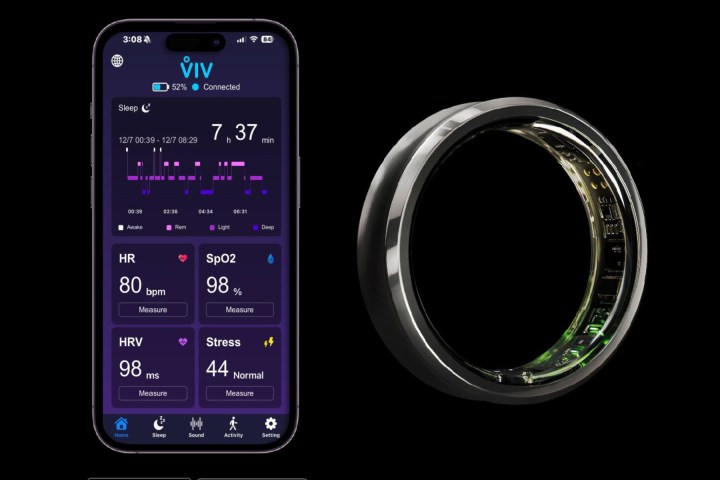
    The Viv Ring covers all the essential features you’d expect from a typical smart ring, including heart rate monitoring, variability, stress level analysis, blood oxygen level checks, physical activity tracking, and sleep analysis.

    Viv Ring and its mobile app
    Viv Health

    But the Viv Ring doesn’t stop there. It analyzes all the biomarker data it collects and utilizes AI algorithms to produce customized sleep sounds, a feature the company refers to as “generative sleep aid sound technology.”

    The ring generates soothing sounds reminiscent of ocean waves, birds chirping, deep-sea ambiance, and rainfall. Rather than relying on generic audio tracks, Viv combines these sounds with monaural and binaural tunes in an effort to promote improved sleep quality.

    Would you like some AI-generated sounds for your sleep?

    Viv asserts that its technology thoroughly evaluates the entire spectrum of biosensing data, creating AI-driven audio tailored specifically to enhance sleep quality.

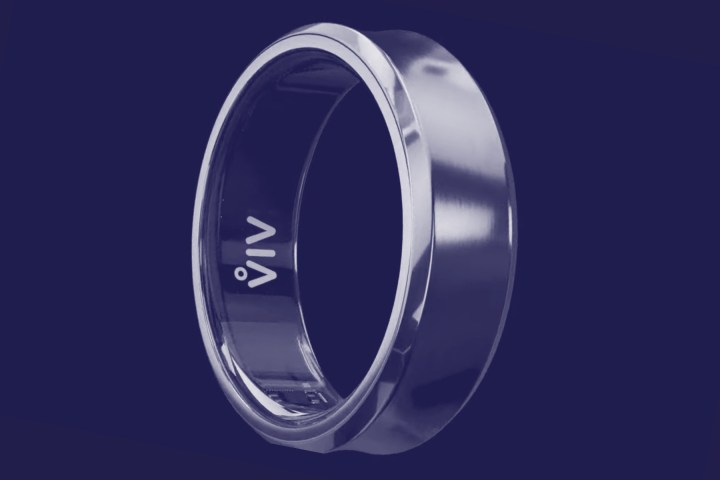
    Side view of the Viv Ring
    Viv Health

    These claims are intriguing, given that scientific research has primarily examined the effects of white and pink noise as well as multi-audio stimulation on sleep. The findings, however, are somewhat mixed. Some studies suggest positive outcomes, while others indicate a more inconclusive viewpoint concerning sound’s impact on sleep quality.

    Since Viv is leveraging generative AI to create tailored sounds, we venture into uncharted territory regarding sleep aids. The company also has plans for an enhanced version of the Viv Ring by the end of 2025.

    A Pro model of the Viv Ring is anticipated to launch later this year, featuring continuous blood pressure monitoring and AFib detection — technology that is becoming increasingly common in wearables.

    At CES, Novosound showcased a futuristic ultrasound sensor intended for blood pressure measurement, which is slated for inclusion in smartwatches and rings. Samsung has already adopted such technology, although with a PPG sensor for estimating blood pressure.

    Viv Health is currently working towards obtaining necessary regulatory certifications and aims to make the Viv Ring available for purchase as soon as next month.

  • $80 Smart Ring Outshines The Oura Ring

    $80 Smart Ring Outshines The Oura Ring

    If you find the Samsung Galaxy Ring to be too understated and the Oura Ring too simplistic, the Rollme R5 Gemstones might be the perfect fit for you. This eye-catching smart ring certainly stands out more than the conventional options, ensuring that you’ll attract attention wherever you go.

    Rollme, a relatively unknown brand in the wearable tech arena, offers designs that push the envelope, particularly with their R5 Gemstones smart ring. This unique piece features a dual-ring design—one half adorned with “gemstones” and the other showcasing Roman numerals, possibly paying tribute to Tiffany’s classic Atlas collection.

    A promotional image of the Rollme R5 Gemstones smart ring.
    Rollme

    Rollme claims that the ring is crafted from stainless steel with an epoxy resin underside, but it doesn’t specify the material of the gemstones. Are they real diamonds? Or perhaps high-quality zirconia? At a retail price of $80, they likely aren’t, so temper your expectations. However, the ring does come with an impressive IP68 rating for dust and water resistance and is available in two stylish finishes: black with silver or black with gold.

    On the technical front, the Rollme R5 is equipped with sensors that monitor heart rate, blood oxygen levels, and movement. It is primarily designed for sleep tracking but also tracks steps, calories, and distance through its companion app. Rollme is a bit vague about the battery life, estimating it lasts between three to seven days on a single charge. Additionally, it uses a proprietary magnetic cable for recharging.

    The RingConn Gen 2 next to the third generation Oura Ring.
    RingConn Gen 2 (left) and third generation Oura Ring Andy Boxall / Digital Trends

    Smart rings have surged in popularity recently, largely thanks to the highly regarded Oura Ring, along with the buzz generated by the Samsung Galaxy Ring. Brands like RingConn have entered the market successfully with their cost-effective options, and rumors suggest that Apple could potentially release a smart ring in the near future. Design aesthetics share similarities across most models, typically starting at around $300. Thus, the bold design of the Rollme R5, priced under $100 (allegedly on sale), is quite surprising.

    While we haven’t had the chance to test the Rollme R5 Gemstones smart ring, if you’re looking for a top-tier smart ring, the Oura Ring 4 is a solid choice, though it lacks the glamorous gemstone embellishments offered by the Rollme option.