Shein’s Global Dominance: A Closer Look at the U.S. Market
Introduction to Shein’s Market Strategy
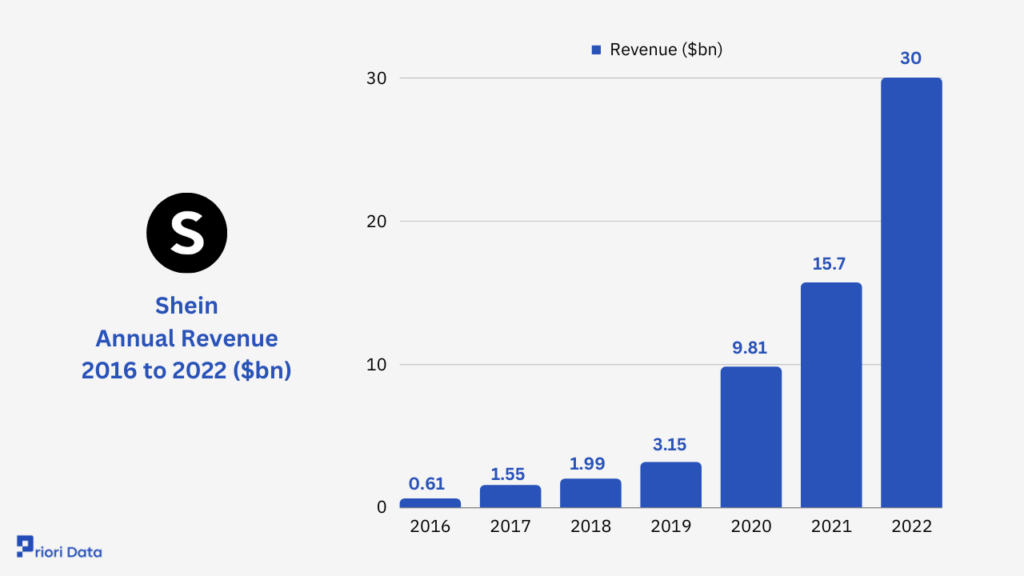
Shein, a prominent player in the fast fashion industry, has garnered a significant market share globally. Among its various markets, the United States stands out as its largest consumer base. According to recent estimates, Shein’s sales in the U.S. account for approximately 28.2% of its total global revenue in 2023. This noteworthy statistic underscores the strategic importance of the American market to Shein’s overall business model.
Shein’s Market Presence in 2023
Sales Distribution Across Major Markets
While Shein originated in China, it has taken a surprising route in its market strategy by not selling products domestically. Instead, the company’s focus shifted internationally, particularly towards Western markets. After the U.S., Shein’s other significant markets include Germany, the United Kingdom, France, and Japan. This international approach highlights Shein’s aim to tap into diverse consumer bases, each with distinct fashion preferences and buying behaviors.
Target Audience: Young Consumers
Focusing on Generation Z
Shein’s primary demographic consists of young consumers, especially those belonging to Generation Z. This cohort is characterized by their digital savviness, trend-consciousness, and a distinct preference for affordable fashion. By catering to this audience, Shein positions itself to capitalize on the spending habits of younger consumers who are increasingly turning to online shopping for their fashion needs.
Innovative Business Model: LATR
The Large-Scale Automated Test and Re-Order Model
One of the key elements that distinguishes Shein from its competitors is its innovative Large-Scale Automated Test and Re-Order (LATR) model. This approach allows Shein to produce small batches of clothing initially. By monitoring consumer interest and sales performance, Shein can then scale up production for the most popular items. This agile production method not only reduces waste but also ensures that the inventory aligns closely with current fashion trends, enhancing customer satisfaction.
Marketing Strategies: Influencer Collaborations
Harnessing the Power of Influencers
Shein has adeptly utilized influencer marketing as a cornerstone of its promotional strategy. By collaborating with nano- and micro-influencers, the brand reaches a broad audience while maintaining a level of authenticity that resonates with young consumers. These influencers often have loyal followings and can effectively showcase Shein’s products in relatable contexts, thereby driving traffic and sales to the brand.
Ethical Concerns and Criticisms
Environmental Impact and Labor Practices
Despite its success, Shein has not been without controversy. The environmental implications of its fast fashion model have sparked significant criticism. Fast fashion is often associated with unsustainable practices, including excessive waste and pollution. Furthermore, Shein has faced allegations regarding labor practices, with accusations related to modern slavery and unethical manufacturing processes. These concerns have ignited debates about the true cost of affordable fashion and the responsibilities of brands in the global marketplace.
The Future of Shein in the Fashion Industry
As Shein continues to navigate its robust presence in the global market, particularly in the United States, the company faces both opportunities and challenges. Balancing rapid growth with ethical considerations will be crucial for sustaining its success in an increasingly conscientious consumer landscape. The evolution of Shein’s business practices may determine its long-term viability and reputation in the fast fashion industry.