الوسم: Sheikh Hasina

  • Bangladesh: PM Won’t Visit India Until Hasina Extradited

    Bangladesh: PM Won’t Visit India Until Hasina Extradited

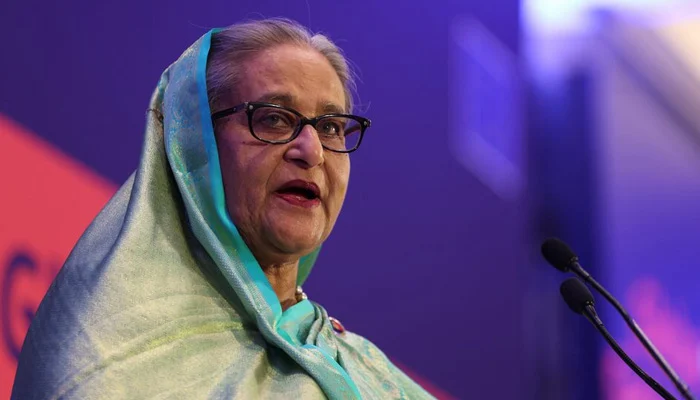
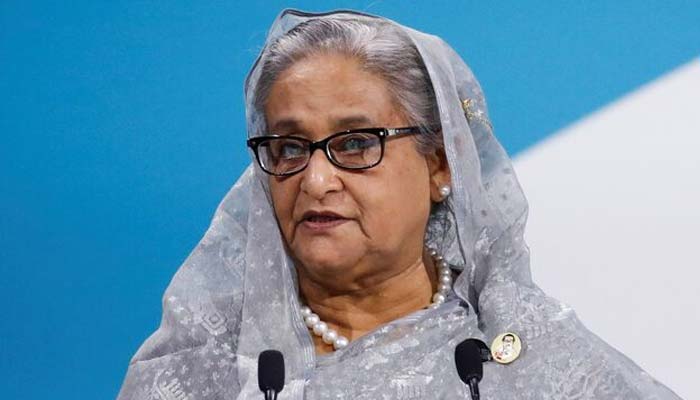
    Bangladesh announced on Sunday that Prime Minister Tarique Rahman will not travel to India until New Delhi hands over Sheikh Hasina, the former Bangladeshi prime minister who fled during the uprising in 2024. Relations between the two countries have been tense since protests that ousted Hasina’s government and caused her to seek refuge in neighboring India, where she remains.

    Hasina faces a death sentence in Bangladesh after being convicted of crimes against humanity, and Dhaka has repeatedly requested her extradition. When asked about a potential visit by Rahman to India next week, a foreign ministry spokesperson, AKM Shahidul Karim, downplayed the speculation, emphasizing the need to create a favorable environment. He stated, “We believe that for the visit to happen, a proper environment must be established. To achieve this, we have urged Indian authorities to expedite the extradition of Sheikh Hasina and other fugitives.”

    India has responded that Bangladesh’s extradition request is currently under review. Rahman assumed office in February and has since traveled to Malaysia and China — a departure from the tradition of Bangladeshi leaders first visiting India abroad. Last week, India’s High Commissioner to Bangladesh, Dinesh Trivedi, met with Rahman, fueling speculation about a possible breakthrough.

    Diplomatic contacts between Bangladesh and India have increased recently over the prospect of Rahman’s visit. Karim noted, “However, the process has been hindered by Sheikh Hasina’s open engagement with the media, despite her being convicted of crimes against humanity.” Hasina, a former pro-democracy leader, has been criticized for growing increasingly autocratic during her 15 years in power. She recently declared her intention to return to Bangladesh in December, even if it means facing imprisonment.

    The government emphasized its commitment to a “Bangladesh First” foreign policy focusing on sovereignty and non-interference, while also aiming to strengthen relations with India and other nations.

  • Bangladesh seeks India’s position on Hasina’s upcoming New Delhi speech

    Bangladesh seeks India’s position on Hasina’s upcoming New Delhi speech

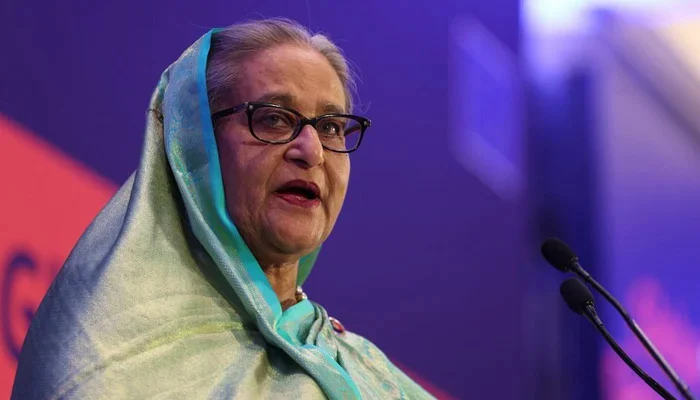
    Bangladesh has requested India clarify its position on former Prime Minister Sheikh Hasina’s upcoming virtual speech from New Delhi. Dhaka warns that permitting a fugitive’s political activities on Indian soil could complicate efforts to enhance bilateral relations.

    This marks Bangladesh’s first official reaction to Hasina’s announced appearance at an August 5 event organized by the Foreign Correspondents’ Club of South Asia in New Delhi, commemorating the second anniversary of a student-led uprising that ousted her government.

    The situation arises as Dhaka continues to push for Hasina’s extradition, given that she has been residing in India since fleeing Bangladesh in August 2024. Despite facing several legal cases, Hasina told Reuters she intends to return to Bangladesh in December.

    “India needs to be clear about its stance,” said Shama Obaid Islam, Bangladesh’s State Minister for Foreign Affairs. “We are engaging with India with a positive outlook and hope that this progress remains unaffected.”

    The Foreign Correspondents’ Club of South Asia confirmed that Hasina, 78, will deliver her address via video link, alongside her son, Sajeeb Wazed Joy, and other speakers. The club has yet to comment on Bangladesh’s concerns.

    Islam emphasized that Bangladesh has repeatedly expressed its concerns to India regarding the political statements made by Hasina and other Awami League leaders from Indian territory.

    “We do not want India-Bangladesh relations to be jeopardized by statements from individuals accused of fleeing justice,” she said, noting that India has previously indicated it does not expect fugitives to partake in political activities from within its borders.

    Although she clarified that the event was not organized by the Indian government, Islam said Dhaka would use diplomatic channels if necessary to address the issue.

    No immediate response has been received from India’s foreign ministry.

    Relations between the two countries have been tense since Hasina was removed from office. However, recent signals show both sides are interested in rebuilding ties through increased engagement and cooperation, especially since Tarique Rahman’s government took power following elections in February.

    Hasina has been in India since her government’s overthrow amidst weeks of violent protests. Bangladesh has since sought her extradition, and in 2025 she was sentenced to death for crimes against humanity related to the deadly crackdown in 2024, which the UN estimates resulted in up to 1,400 deaths. Hasina has dismissed the ruling as legally invalid.

  • Bangladesh Recovers $6.2B Linked to Ousted Prime Minister Hasina

    Bangladesh Recovers $6.2B Linked to Ousted Prime Minister Hasina

    Bangladesh has seized assets totaling 760 billion taka (roughly $6.2 billion) linked to former Prime Minister Sheikh Hasina, her family, and ten business conglomerates, according to officials on Wednesday.

    Since Hasina was ousted during a student-led mass uprising in 2024 and fled to India, authorities have scrutinized her wealth, investigating her relatives and major corporations accused of benefiting during her 15-year, autocratic leadership.

    The Bangladesh Financial Intelligence Unit reported confiscating 570 billion taka within the country and an additional 190 billion taka abroad.

    Its director, Ikhtiar Mohammad Mamun, told media while presenting their annual review that 98 cases had been initiated as part of these investigations involving Hasina and her affiliates.

    “We are actively working to recover money laundered overseas,” Mamun stated. “We aim to provide positive updates before the year ends.”

    Since her departure, Hasina has been convicted in absentia in multiple cases, including charges of corruption related to land allocations in a high-end district of Dhaka. Courts have also sentenced her to death over crimes against humanity.

    She has been residing in India since fleeing Bangladesh in August 2024 and recently expressed intentions to return by year’s end.

    Home Minister Salahuddin Ahmed emphasized that the government, which has requested her extradition, is determined to ensure she faces justice.

    “The verdict will be enforced. The court will determine if there is an avenue for appeal,” he asserted.

  • Bangladesh’s Hasina to return in December to surrender with party allies

    Bangladesh’s Hasina to return in December to surrender with party allies

    Bangladeshi ex-premier Sheikh Hasina, who faces a death sentence at home where her party is banned, told Reuters she and top party members intend to return from exile in India around December and surrender voluntarily. The longest-serving leader of Bangladesh said she and her Awami League colleagues plan to come back on their own and appear before the court, challenging the country’s handling of its most prominent political rival.

    A return could intensify political tensions in the nation known for its garment exports, as the Dhaka government seeks stability after two years of turmoil. Conversely, it might help mend the strained relationship with India, which worsened after New Delhi hosted her. Bangladesh has repeatedly urged India to extradite her.

    She revealed she has not discussed her plans with any foreign government and has not set a specific date for her return. She expects to surrender herself, or believes other exiled Awami League leaders will do so. Among them, former Home Minister Asaduzzaman Khan Kamal also faces a death sentence, but Reuters could not reach other party members or verify their whereabouts.

    “The authorities in Dhaka want to bring me back—they keep sending letters to India requesting my return,” she said. “I will go myself.”

    The Bangladeshi government did not respond to requests for comment on her statements, nor did India’s foreign ministry, which in April said it was reviewing Bangladesh’s extradition request and aimed to strengthen bilateral relations.

    Once a champion of democracy, Hasina has been a dominant figure in Bangladesh for nearly half a century, rising to prominence after her father, an independence leader, was assassinated along with much of her family in a military coup. She initially fought for democracy and was praised for her economic progress, but her prolonged rule has faced accusations of silencing dissent and dismantling democratic institutions—charges she denies. According to a UN report, her crackdown resulted in up to 1,400 deaths.

    “Cases have been filed against almost all our leaders and members, and many are in hiding,” she told Reuters from her exile in Delhi. “I’ve decided to return home, and one day, all of you should come back too. We will all surrender in court together.” She declined to specify when she would return or surrender, but emphasized her faith in justice, suggesting that once proceedings begin, the court’s integrity will be questioned, and she wishes to demonstrate that.

    Many Awami League members have faced arrests, legal action, and violence since her government was ousted. She said she has not maintained contact with Dhaka over her return plans and emphasized that democracy, voting rights, and justice are not topics to be negotiated secretly. She expressed no fear of imprisonment, recalling her multiple past arrests—including during her early political activism after her father’s death, her detention in 2007 on corruption charges, and her repeated imprisonments during military rule—believing that the people should be the ultimate judges of her leadership.

    After her exile ending in 1981, she was detained several times during anti-military campaigns, and in 2007, she was jailed before winning elections in 2008. Her current flight was prompted by threats against her life when crowds approached her residence.

    “When a government serves a long time, mistakes happen—no government is perfect,” she said. “But the judgment belongs to the people. That’s why I leave it to them.” She also noted her efforts to reorganize the Awami League through online meetings across Bangladesh’s parliamentary constituencies.

    “Even if I can’t participate in elections anymore, why should the party be suspended? If we’ve done poorly, let the people decide,” she added.

  • Ex-Bangladesh PM, a fugitive, vows to return to Dhaka this year

    Ex-Bangladesh PM, a fugitive, vows to return to Dhaka this year

    Bangladesh’s former Prime Minister Sheikh Hasina has announced her intention to return to her country “this year,” multiple months after being sentenced to death in absentia for human rights violations, according to a recent interview published on Sunday.

    Hasina, who is 78 years old, fled to neighboring India in August 2024 following a student-led uprising that ended her 15-year authoritarian leadership. Since then, she has remained largely out of public view, aside from a rare address broadcast to a crowded press club in New Delhi in January.

    During an interview with Indian broadcaster NDTV, Hasina expressed that she is unafraid of death and dismissed her sentencing as “a part of an illegal, unconstitutional, and politically motivated process.” She stated, “Numerous conspiracies have been plotted against me. Yet, despite these challenges, I was elected Prime Minister five times by the people’s vote and worked tirelessly for the country’s remarkable development.”

    She affirmed her plans to return home despite the death penalty, saying, “I want to make it clear: overcoming all obstacles and conspiracies, I will come back to my country this year.”

    In November, a court in Dhaka convicted Hasina of incitement, ordering her to be hanged for failing to prevent atrocities and encouraging violence. Additionally, her former ruling party, the Awami League, now banned, was once one of the nation’s most influential political entities.

    Relations between India and Bangladesh have improved since Prime Minister Tarique Rahman secured a sweeping victory in Bangladesh’s national elections in February, which has brought the two countries closer. Nonetheless, tensions persist, with Bangladesh repeatedly demanding the extradition of Hasina.

  • Dhaka’s Call to Islamabad and Delhi

    Dhaka’s Call to Islamabad and Delhi

    People wave flags during celebrations marking the one-year anniversary of student-led protests that resulted in the removal of Bangladeshi former Prime Minister Sheikh Hasina. The event took place on Manik Mia Avenue, outside the parliament building in Dhaka, Bangladesh, on August 5, 2025. — Reuters

    During a conversation about Bangladesh’s political climate with journalists from Bangladesh, Pakistan, and India in Dhaka, I was reminded of how history often seems to repeat itself.

    In 2024, India is dealing with the fallout from its earlier miscalculations in Dhaka, while Pakistan is finding new diplomatic opportunities. Whether this signifies a break from the past or just its continuation remains uncertain.

    A young Bangladeshi’s remark caught my attention: “We want equal and better relations with both Pakistan and India. Both of you have treated us similarly. We carry wounds from both, but we want to move forward.”

    After Sheikh Hasina traveled to India on August 5, 2024, anti-Indian sentiments still run deep among the people, but they are directed at the Indian government rather than Indian citizens. Bangladesh shares a 4,096-kilometer border with India.

    There are 54 rivers connecting the two nations, including the Padma, Brahmaputra, and Teesta. Bilateral trade is valued between $14 billion and $16 billion, and their interests remain closely linked.

    India’s strategy of heavily relying on Hasina’s Awami League proved to be a costly mistake, though there are signs of effort to repair relations now. India appears to have recognized its policy errors or at least acknowledged that the Bangladesh Nationalist Party (BNP) now holds a clear public mandate.

    When I asked the incoming Prime Minister Tarique Rahman if he would seek Sheikh Hasina’s extradition from India due to public calls in Dhaka for accountability, he responded cautiously, “That depends on the judicial process.”

    Rahman seems to be a seasoned and cautious politician. He avoids inflammatory language and refrains from criticizing the Awami League or Sheikh Hasina.

    An encouraging sign is that Pakistan appears to have an open door in Dhaka. Locals warmly welcome Pakistanis. I met Afroza Begum, whose father served in the Pakistani Air Force; she was born in Rawalpindi in 1958.

    She recalled how she and her siblings were detained after Matiur Rahman attempted to hijack a Pakistani plane. Despite these memories, she also cherishes fond moments—especially the food and landmarks of Karachi and Peshawar.

    “We moved from Pakistan in 1974, but our hearts remain there,” she said. “When we heard about the Peshawari Kitchen restaurant here in Dhaka, we just had to come back to relive those days.”

    Pakistani diplomats, including former High Commissioner Imran Siddiqui, have been actively working to improve relations. The current High Commissioner Imran Haider and his team are focusing on strengthening both social and economic ties. Bilateral trade has grown to approximately $865 million.

    Pakistani policymakers should view Bangladesh as an independent, sovereign nation with its own international relationships, rather than through the lens of India. Likewise, Indian policymakers should see Bangladesh as a country that helped create SAARC and now aims to revive it, not as a pawn in regional rivalries.

    Tarique Rahman stated at a press conference that Bangladesh will seek to reorganize SAARC and plans to engage with regional partners once his government is formed—highlighting that this was Bangladesh’s initiative.

    For Bangladesh’s new leadership, the main focus is the country’s own interests. Rahman emphasizes a “Bangladesh First” approach, rather than prioritizing ties with Pakistan or India. Despite personal hardships—including the assassination of his father and his mother’s death after years in exile—he chooses to avoid criticizing political opponents.

    Domestically, he is reaching across divides—meeting with figures like Dr. Shafiqur Rahman of Jamaat-e-Islami Bangladesh and Nashad Islam, a prominent youth leader of the National Citizens Party (NCP), which played a significant role in Sheikh Hasina’s ousting.

    He seems to grasp that rebuilding a nation requires respecting political adversaries. His hope is that by reinforcing SAARC, Bangladesh can evolve into a hub for regional cooperation instead of a battleground for India-Pakistan tensions.

    Originally published in The News.

  • Bangladesh Prepares for Election Amid Hasina Supporter Concerns

    Bangladesh Prepares for Election Amid Hasina Supporter Concerns

    Gopalganj: Bangladesh is gearing up for its first election since the overthrow of Sheikh Hasina, but supporters of her banned Awami League (AL) are uncertain whether to shift their loyalty.

    In Gopalganj, located south of Dhaka and known as a stronghold of Hasina’s ironclad rule, residents are facing an election without the party that has shaped their political experience for decades.

    “Sheikh Hasina may have made mistakes — she and her allies — but what about the millions of Awami League supporters?” asked 68-year-old tricycle delivery driver Mohammad Shahjahan Fakir, who stated he wouldn’t vote.

    “Why isn’t the ‘boat’ symbol on the ballot paper anymore?” he wondered, referencing AL’s former election icon.

    The Muslim-majority country of 170 million people will hold elections on February 12 — its first since the protests earlier this year.

    Hasina, who suppressed opposition parties during her tenure and won every election in Gopalganj since 1991, was ousted in August 2024 after a failed attempt to cling to power and a brutal crackdown on demonstrators. She fled to India.

    She was sentenced in absentia to death in November for crimes against humanity by a Dhaka court, and her former ruling party, once the nation’s most popular, has been declared illegal. Human Rights Watch has condemned the ban as “draconian.”

    “There’s so much confusion right now,” said 46-year-old Mohammad Shafayet Biswas, a banana and betel leaf vendor in Gopalganj.

    “Several candidates are running from this constituency — I don’t even know who they are.” A crowd gathered, with one man shouting, “Who’s going to the polls? We don’t even have our candidates this time.”

    Hasina’s father, Sheikh Mujibur Rahman, the founding leader of Bangladesh, was born in Gopalganj and is buried there. Statues of Rahman have been taken down across the country, but murals and statues in Gopalganj remain well-maintained.

    Since Hasina’s removal, clashes have erupted during campaign events, including one in July 2025 between police and AL supporters, resulting in over 8,000 cases filed against residents.

    University professor Sazzad Siddiqui predicts voter turnout in Gopalganj could be among the lowest nationwide. “Many people still refuse to accept that Sheikh Hasina did anything wrong,” he explained, having served on a government commission formed after the unrest. “Meanwhile, the government continues to try to dehumanize them.”

    Candidates from the Bangladesh Nationalist Party (BNP) and Jamaat-e-Islami, rivals of Hasina, are now leading the campaigns with hopes of power.

    “People want a change in leadership,” said 57-year-old BNP candidate SM Zilany, who is actively knocking on doors. “I am visiting homes, and many voters have never had a candidate approach them before. I promise I will stand by them.”

    Zilany has previously faced 34 legal cases, which he claims were politically motivated, after running against Hasina twice. He believes there’s an ongoing effort to discourage voters from turning out this time.

    Jamaat’s candidate, MM Rezaul Karim, 53, noted that under Hasina, their party had been driven underground. “People are craving new leadership,” he said, expressing openness to voters of all backgrounds. “We believe in coexistence; those involved in crimes should be punished, but others should be spared.” Many former supporters of Hasina now appear disillusioned.

    Some residents admit they’ve abandoned the AL but are unsure who to support instead. “I’m not voting,” said one woman who requested anonymity. “Who else can I turn to except Hasina? She’s like a sister to me.”

  • Police: Student Leader Osman Hadi’s Killers Escaped to India

    Police: Student Leader Osman Hadi’s Killers Escaped to India

    Protesters from the Anti-Discriminatory Student Movement gathered at the University of Dhaka’s Teacher-Student Center, demanding the death penalty for former Bangladeshi Prime Minister Sheikh Hasina due to student fatalities during anti-quota protests on August 13, 2024. — Reuters

    – Law enforcement officials have identified the suspects involved in the murder of student leader Sharif Osman Hadi.
    – Bangladesh has requested assistance from India regarding Hadi’s killing.
    – Nationwide protests have intensified following the death of the student leader.

    Bangladesh authorities announced Sunday that the prime suspects in the killing of popular student figure Sharif Osman Hadi had escaped to India, further straining diplomatic ties. Hadi, a vocal critic of India who participated in last year’s mass uprising, was shot by masked assailants in Dhaka earlier this month and later died in a Singapore hospital.

    His death triggered widespread unrest, with mobs torching several buildings, including two major newspapers believed to be pro-India outlets, as well as a prominent cultural institution. With daily protests ongoing across the country, pressure is mounting on the interim government to apprehend the killers, especially since Hadi was expected to run in next February’s general elections.

    “The murder was premeditated, and the suspects have been identified,” stated SN Nazrul Islam, a senior officer with Dhaka Metropolitan Police, during a press briefing. Islam noted that Faisal Karim Masud and Alamgir Sheikh left Bangladesh through the Haluaghat border into India shortly after the attack on December 12. They were met by two Indian nationals who escorted them into Meghalaya before turning them over to accomplices.

    Bangladeshi investigators are in contact with Indian authorities, who have detained the two suspects’ accomplices. Authorities from Meghalaya confirmed the arrest of the two Indian nationals, though officials declined further comment when contacted. India previously denied involvement in Hadi’s death, rejecting “false narratives” about its role.

    Relations between India and Bangladesh have deteriorated since Sheikh Hasina’s ouster, with Bangladesh seeking her extradition after her sentencing in absentia for crackdowns during the uprising. Recent tensions also flared after a mob lynched a Hindu garment worker on December 18. Amid increased security concerns, Khuda Baksh Chowdhury, a top aide to Bangladesh’s interim leader Muhammad Yunus overseeing internal security, resigned on Wednesday.

  • Bangladesh Protests Erupt Amid India’s Security Concerns

    Bangladesh Protests Erupt Amid India’s Security Concerns

    Bangladeshi police prevented protesters from marching toward the Indian diplomatic mission in Rajshahi on December 18, 2025, as they attempted to gather outside the assistant Indian high commissioner’s office. The protests coincided with India’s foreign ministry stating it was reviewing Bangladesh’s extradition requests concerning Sheikh Hasina.

    Demonstrators, including Miftahul Jannat, planned to hold a sit-in demanding the return of Sheikh Hasina and others accused of crimes. Authorities responded by halting their march, assuring they heard the demands and would forward them for consideration. A senior police officer in Rajshahi expressed hope that the situation would resolve peacefully and that no further protests were planned.

    Earlier, on Wednesday, a group attempted to march toward the Indian High Commission in Dhaka. In response, India’s foreign ministry summoned Bangladesh’s top diplomat in New Delhi to express concerns about actions taken by “extremist elements.” The ministry also urged Bangladesh’s interim government under Muhammad Yunus to ensure the safety of diplomatic missions in accordance with diplomatic norms.

    Sheikh Hasina, 78, was convicted in absentia last month for crimes against humanity by a Bangladesh court. Bangladesh is scheduled to hold national elections on February 12, with her old ruling party, the Awami League, barred from participating.

  • Bangladesh Sets National Election Date for February 12

    Bangladesh Sets National Election Date for February 12

    Bangladesh will hold parliamentary elections on February 12, following the recent unrest that prompted Prime Minister Sheikh Hasina’s government to flee to India last year. The country’s Election Commission announced the date this Thursday, marking the first nationwide vote since the deadly student protests.

    Since then, an interim government led by Nobel laureate Muhammad Yunus has managed the Muslim-majority nation of 173 million people. However, mounting dissatisfaction over stalled reforms has sparked new protests and deepened political divisions.

    On the same day, a referendum on the proposed “July Charter” — a comprehensive reform plan developed after the unrest — will also take place, according to Chief Election Commissioner AMM Nasir Uddin. The charter aims to make significant changes to state institutions: reducing executive power, boosting the independence of the judiciary and election authorities, and curbing the influence of law enforcement agencies.

    The Bangladesh Nationalist Party (BNP), led by former Prime Minister Khaleda Zia, is widely considered the main contender in the upcoming elections. They are competing alongside Jamaat-e-Islami, the country’s largest Islamic party, which has re-entered electoral politics after restrictions were eased by the interim government.

    Jamaat was previously unable to contest elections due to a 2013 court ruling that found its registration conflicted with Bangladesh’s secular constitution. Meanwhile, the National Citizen Party, formed by student leaders after the 2024 protests, trails behind BNP and Jamaat, struggling to turn street activism into electoral success.

    Hasina’s Awami League, which is barred from running this election, has issued warnings of unrest if the ban isn’t lifted. Voters are focused on key issues such as restoring democratic governance, revitalizing the economy—a sector hurt by the disruptions affecting the export-driven garment industry—repairing strained relations with neighboring India, addressing corruption, and safeguarding media freedom.

  • Bangladesh Urges India to Extradite Ousted Leader Sheikh Hasina

    Bangladesh Urges India to Extradite Ousted Leader Sheikh Hasina

    Bangladesh’s former Prime Minister Sheikh Hasina delivers a speech at a rally during an election campaign in Sylhet on December 20, 2023, ahead of the upcoming general elections. — AFP

    – The Bangladeshi government did not specify the details of the letter it sent.
    – The former Prime Minister has been sentenced to death following a crackdown that resulted in numerous deaths.
    – According to Bangladesh’s foreign ministry, it is India’s duty to assist in her return.

    Bangladesh announced on Sunday that it had requested India to extradite Sheikh Hasina, the former Prime Minister, who was sentenced earlier this week to hang for her role in a violent crackdown against a student-led uprising.

    Hasina, 78, has been hiding in India since her authoritarian rule was ousted in August 2024. During her time in power, she received support from New Delhi.

    Touhid Hossain, Bangladesh’s interim foreign affairs minister, told reporters that on Friday, “we sent a letter requesting the extradition of Sheikh Hasina.” He did not disclose the contents of the message, though reports from Bengali newspaper Prothom Alo indicate this was the third formal extradition request made since Hasina fled the country.

    After her court conviction on Monday for crimes against humanity, which included a death sentence, Dhaka’s foreign ministry issued a statement emphasizing that India has a “mandatory obligation” under a bilateral treaty to facilitate her return.

    India’s foreign ministry responded by noting they had “taken note” of the verdict but did not comment directly on the extradition request, nor did they immediately reply to the latest communication from Dhaka.

    Bangladesh has experienced ongoing political chaos since the end of Hasina’s leadership, with violence affecting election campaigns slated for February 2026.

    The United Nations has reported that as many as 1,400 people lost their lives during the crackdown, a event central to her trial.

    Ties between India and Bangladesh have strained in recent years, especially following her removal from power. However, recent developments suggest a slight easing of tensions, with Bangladesh’s National Security Adviser Khalilur Rahman visiting India this week for a regional security summit and meeting with his counterpart, Ajit Doval. Reports indicate that Rahman has extended an invitation for Doval to visit Bangladesh.

  • Bangladesh Court Set to Deliver Verdict on Ousted PM Hasina on Nov 13

    Bangladesh Court Set to Deliver Verdict on Ousted PM Hasina on Nov 13

    The verdict in the case of crimes against humanity against Bangladesh’s former Prime Minister Sheikh Hasina Wajid will be announced on November 13, according to the attorney general, with the trial concluding on Thursday.

    Hasina, 78, has ignored court orders to return from India to face charges related to allegedly authorizing a brutal crackdown aimed at dismantling a student-led uprising.

    “If she truly believed in the justice system, she should have come back,” said Attorney General Md Asaduzzaman during his closing remarks at the nearly five-month-long trial in Dhaka. “She was the prime minister but fled, abandoning the nation—her escape supports the allegations against her.”

    Her trial in absentia, begun on June 1, involved extensive testimony accusing Hasina of ordering mass murders. The United Nations estimates that approximately 1,400 individuals lost their lives between July and August 2024 during anti-government protests.

    Prosecutors have lodged five charges, including failing to prevent murders—classified as crimes against humanity under Bangladeshi law—and are seeking the death penalty if she is convicted.

    Chief Prosecutor Tajul Islam accused Hasina of being the central figure behind the crimes committed during the uprising. Her co-defendants include former Interior Minister Asaduzzaman Khan Kamal, who is also a fugitive, and former police chief Chowdhury Abdullah Al-Mamun, who has pleaded guilty and is in custody.

    Witnesses recounted harrowing experiences, such as a man whose face was torn apart by gunfire. The prosecution presented audio recordings—verified by police—that reportedly show Hasina giving direct orders to security forces to use lethal force against protesters.

    Hasina, who has appointed a government lawyer to represent her, has refused to recognize the court’s authority. Her defense lawyer, Md Amir Hossain, claimed she was “forced to flee” Bangladesh, alleging she “preferred death and burial within her residence.”

    Her now-banned party, the Awami League, firmly denies all charges and dismisses the proceedings as “nothing more than a show trial.” The attorney general maintains the trial was fair and aimed at delivering justice for all victims.

    “We seek justice for both sides in this crimes against humanity case, which claimed 1,400 lives,” he said, mentioning several victims, including children.

    The verdict will be delivered three months before elections anticipated in early February 2026—the first since Hasina’s ouster.

  • Awami League’s Flash Protests Triggered by Sheikh Hasina Ahead of Elections

    Awami League’s Flash Protests Triggered by Sheikh Hasina Ahead of Elections

    Once Bangladesh’s leading political party, the Awami League, has been illegal since its leader, Sheikh Hasina, was ousted during a mass uprising last year.

    Currently, her supporters—emboldened by her social media calls to “resist”—are organizing impromptu protests despite the ban, as the country gears up for elections from which the party is excluded.

    In Dhaka, 45-year-old cleaner Mohammad Kashem recounted seeing around 25 loyalists of the Awami League being chased, assaulted, and detained by police at one such demonstration.

    “It’s happening all across Dhaka,” Kashem told AFP, noting that videos of these spontaneous protests frequently surface on social media.

    “We see it every day on Facebook.”

    The upcoming elections, anticipated in February 2026, will be the first since Hasina fled into exile in India after crowds stormed her palace, ending her 15-year tenure.

    She continues to ignore court orders to appear at her ongoing trial on charges linked to crimes against humanity, which she allegedly committed by ordering a brutal crackdown during the uprising.

    Her party and its supporters have since moved underground.

    Officials report over 800 arrests related to these flash protests, which have unsettled interim leader Muhammad Yunus’s government as he oversees Bangladesh’s 170 million people until voting day.

    Despite being banned, protests persist. Some involve just a few young men, while others attract more than a hundred, chanting slogans.

    “Sheikh Hasina is coming!” they shout, holding small signs or unfurling banners. “Bangladesh is smiling!”

    They gather briefly before melting back into the crowd.

    At times, multiple protests happen simultaneously in different parts of Dhaka. Authorities have reported arresting 244 individuals on some days.

    The risks are significant. During the rally Kashem observed, several protesters were badly beaten.

    “Foolish boys,” Kashem said. “The top leaders have abandoned them… yet they keep risking their lives.”

    Yunus’s government finds the protests troubling.

    “The fascists are becoming reckless because they can see that the election and the trial of Hasina are moving swiftly,” Yunus’s press secretary, Shafiqul Alam, told reporters last month.

    “The government has decided to tighten monitoring of these flash gatherings and other illegal assemblies.”

    Meanwhile, Hasina remains active on social media, criticizing Yunus and encouraging supporters to “resist.”

    Bangladeshi newspapers, citing a senior party leader in hiding, reported at least 20 such protests over the past month.

    Dhaka police spokesman Md Talebur Rahman couldn’t confirm the exact number of protests but mentioned that more than 800 people have been arrested in connection.

    Political analyst Zahed Ur Rahman, part of the government’s electoral reform team, suggests Hasina is risking her supporters’ safety to stay relevant.

    “She’s trying to garner sympathy by sharing stories of beatings, chasing, dispersals, and arrests of her party members,” Zahed told AFP.

    Human Rights Watch condemned the “draconian” ban on the Awami League.

    “The interim government should avoid engaging in the same partisan tactics that Bangladeshis endured under Sheikh Hasina—such as imprisoning political opponents or suppressing peaceful dissent,” HRW’s Meenakshi Ganguly stated.

    However, analysts believe these protests could complicate election preparations.

    Police General Baharul Alam said various interest groups are trying to disrupt the election, including what he calls the “defeated axis.”

    Tajul Islam, the chief prosecutor in Hasina’s in absentia trial, mentioned an ongoing investigation into the Awami League.

    “Once the investigation is complete, appropriate action will be taken,” Islam assured.

    Despite the crackdown, the Awami League remains defiant.

    Senior leader Khalid Mahmud Chowdhury, whose current whereabouts are unknown, insists that the protests stem from genuine “love” for Hasina.

    He told AFP that he enjoys the chaos they cause.

    “Have you noticed how these activities keep the government awake at night?” he said.

  • Former Bangladesh PM’s Palace Transformed into a Revolution Museum

    Former Bangladesh PM’s Palace Transformed into a Revolution Museum

    Anti-government protesters wave Bangladesh’s national flag as they storm Prime Minister Sheikh Hasina’s residence in Dhaka on August 5, 2024. — AFP

    • Student-led protests resulted in the overthrow of Hasina’s government on August 5, 2024.
    • The former prime minister fled to India after protesters seized control of the Dhaka palace.
    • Sheikh Hasina, aged 77, has refused to comply with court orders to attend her ongoing trial.

    Dhaka: The once heavily guarded residence of Bangladesh’s ousted Prime Minister Sheikh Hasina is being transformed into a museum, serving as a lasting reminder of her authoritarian tenure.

    Images capturing crowds celebrating with flags atop the Dhaka palace following Hasina’s helicopter escape to India marked the height of student-led protests that toppled her administration on August 5, 2024.

    A year later, amidst ongoing political chaos in Bangladesh’s population of approximately 170 million, officials hope that the expansive Ganabhaban palace will serve as a message to future generations.

    Graffiti condemning her regime remains untouched on the walls, with messages such as “Freedom” and “We want justice” still visible.

    Hasina’s leadership was characterized by widespread human rights violations, including mass detentions and extrajudicial killings of political opponents. The United Nations estimates that up to 1,400 individuals were killed during July and August 2024 as she desperately clung to power.

    Despite being summoned, Sheikh Hasina continues to defy court orders to appear at her trial on charges related to crimes against humanity, which she denies.

    Another slogan—“Killer Hasina”—appears among the remnants of her legacy, protected for posterity.

    Muhammad Yunus, 85, the Nobel Peace Prize laureate leading the caretaker government until the 2026 elections, stated that converting the palace into a museum would “preserve memories of her misrule and the people’s anger as they removed her from power.”

    A symbol of trauma and suffering

    Mosfiqur Rahman Johan, 27, a rights activist and documentary photographer, was among the thousands who stormed the opulent palace, recounting how crowds danced in her private chambers, feasted from the palace kitchens, and swam in the lake she once used for fishing.

    “It will visualize and symbolize the past trauma, the pain and the resistance,” he said.

    “Ganabhaban is a symbol of fascism, representing an autocratic regime.”

    Constructed by Sheikh Hasina’s father, Sheikh Mujibur Rahman—the founding leader of Bangladesh—the palace served as her official residence during her 15-year rule.

    Tanzim Wahab, the museum’s curator-in-progress, told AFP that exhibits would include artifacts of those killed during protests. Personal stories will be shared through photographs and films, while plaques will list the names of individuals slain by security forces during her lengthy regime.

    “The museum’s deeper purpose is to reflect on years of misrule and oppression,” Wahab explained. “That’s one of the most critical aspects of this project.”

    The museum will feature interactive displays, animations, and documentation of the cramped detention cells where her opponents were held in inhumane conditions.

    “We want young people to engage with this as a platform to discuss democracy, fresh ideas, and how to build a new Bangladesh,” Wahab added.

    A symbol of dictatorship

    This initiative aligns with interim leader Muhammad Yunus’s efforts to strengthen democratic institutions before the elections—although progress has been slow amid political infighting, according to Human Rights Watch, which issued a warning ahead of the revolution’s anniversary.

    “The interim government seems stuck, managing an unreformed security sector, sometimes-violent religious hardliners, and political factions more interested in revenge than protecting citizens’ rights,” HRW said.

    While the palace is preserved as a historical site, many other symbols of Hasina’s rule have been dismantled. Statues honoring her father have been toppled, and portraits of Sheikh Mujibur Rahman were shredded or set ablaze.

    Protesters even used excavators to demolish the house of Sheikh Mujibur Rahman—turned into a museum by Hasina—symbolizing a rejection of her legacy.

    “When dictatorship falls, its remains must go too,” said Muhibullah Al Mashnun, a 23-year-old student involved in tearing down the house.

    He believes removing these symbols is essential for Bangladesh’s progress toward a better future, calling them “statues of dictatorship.”

  • Ex-Bangladesh Leader Hasina Sentenced to Six Months in Absence

    Ex-Bangladesh Leader Hasina Sentenced to Six Months in Absence

    Sheikh Hasina speaks at the annual Munich Security Conference in Munich, Germany, on February 17, 2024. — Reuters

    • Former Prime Minister found guilty of contempt of court.
    • Case focused on remarks made following her removal from office.
    • Shakil Bulbul sentenced to two months for the same charges.

    On Wednesday, Bangladesh’s court found the former prime minister, Sheikh Hasina, guilty of contempt of court and sentenced her to six months in prison, a decision rendered in absentia. This marks the first verdict against her since her ousting last year.

    The 77-year-old Hasina fled to India during a student-led uprising in August 2024 and has ignored repeated summons to return to Dhaka.

    Chief prosecutor Mohammad Tajul Islam stated, “She will begin serving her sentence upon her arrival in Bangladesh or if she chooses to turn herself in.”

    The case revolved around comments she allegedly made after being deposed, which prosecutors argue intimidated witnesses involved in ongoing legal proceedings.

    According to Islam, “The prosecution believes her remarks instilled fear among those pursuing legal action and the witnesses.”

    In related news, Shakil Akanda Bulbul, a leader from her now-disbanded Awami League party who has also fled, was sentenced to two months for his involvement in the case.

    The United Nations reported that around 1,400 individuals lost their lives during a government crackdown on protests between July and August last year as Hasina’s administration attempted to maintain control.

    Additionally, prosecutors are currently pursuing a separate trial that alleges Hasina held overall responsibility for the violence, which commenced on June 1. Her court-appointed attorney stated that she denies multiple charges that constitute crimes against humanity under Bangladeshi law.

  • Bangladesh Commission Warns of Ongoing Impunity for Hasina-Era Abuses

    Bangladesh Commission Warns of Ongoing Impunity for Hasina-Era Abuses

    Former Bangladesh Prime Minister Sheikh Hasina Wajed. — Reuters/File

    • Inquiry commission formed by Muhammad Yunus.
    • Over 250 cases of enforced disappearances confirmed.
    • Hasina is currently in self-imposed exile in India.

    A commission appointed by the Bangladesh government is investigating the enforced disappearances carried out by security forces during the tenure of former Prime Minister Sheikh Hasina. On Monday, it warned that the “culture of impunity” continues to thrive.

    The Commission of Inquiry into Enforced Disappearances is looking into the human rights violations under Hasina’s rule, which include the extrajudicial killings of numerous political adversaries and the unlawful abduction of countless individuals.

    This commission was established by the interim leader, Nobel Peace Prize laureate Muhammad Yunus, who is currently facing significant political pressure as various parties prepare for elections anticipated early next year.

    Bangladesh has a historically tumultuous political landscape marked by military coups, with the army holding considerable power.

    “The incidents of enforced disappearances in Bangladesh were not mere aberrations but were symptomatic of a politicized system that not only condoned but often rewarded such misdeeds,” the commission stated in a report released by the interim administration on Monday.

    “Worryingly, this culture of impunity still persists even after the government transition on August 5, 2024.”

    The commission has confirmed over 250 cases of enforced disappearances that occurred during the 15 years of Hasina’s Awami League rule.

    Commission Chief Moyeenul Islam Chowdhury remarked earlier this month that individual officers who participated in these disappearances bore responsibility, while the military as a whole should not be implicated.

    Rights organizations, including Amnesty International and Human Rights Watch, released a statement urging security forces to fully cooperate with the commission by allowing unrestricted access to all detention facilities and providing records concerning detainees.

    Hasina, 77, is living in self-imposed exile in India after her ousting last year. She has ignored orders to return to Dhaka to answer charges related to crimes against humanity, with her trial in absentia ongoing.