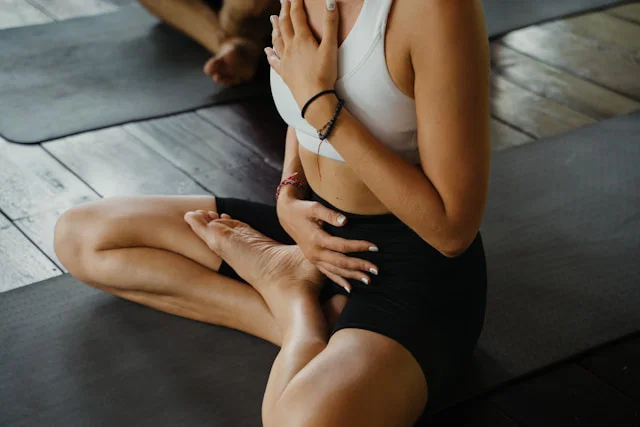
People working to quit smoking, cut back on alcohol, or conquer drug dependency often face intense cravings that complicate recovery efforts.
Recent research suggests that something as simple as controlled breathing might provide a helpful boost.
The study, published in Addiction, indicates that practice-controlled breathing exercises can lead to small yet meaningful decreases in cravings for various substances.
Addiction is a chronic condition that alters the brain’s response to rewards, stress, and self-control.
Cravings are among the leading causes of relapse after attempting to quit. While medications and counseling remain primary treatments, researchers are continually exploring simple, cost-effective tools that offer additional support.
A review by scientists from Monash University analyzed 20 prior studies involving 1,249 participants. Instead of focusing on a single breathing method, they examined several techniques, including heart rate variability biofeedback, resonant breathing, yogic breathing, rhemercise, breathing that simulates smoking, and three-part breathing exercises.
Heart rate variability biofeedback entails using a sensor to help individuals sync their breathing with their heart rhythm. Resonant breathing involves slow, consistent breaths—about six per minute—without special equipment. Other approaches combine slow breathing with various patterns or body awareness practices.
The overall evidence shows that controlled breathing consistently reduces cravings for nicotine, alcohol, opioids, stimulants, and other substances. While the effects tend to be modest, they are statistically significant.
Different breathing styles were compared in the review. Heart rate variability biofeedback demonstrated the strongest evidence when practiced over multiple sessions, implying it might help diminish long-term cravings. Simpler methods appeared particularly effective during single sessions for quick relief when craving hits suddenly.
Evidence regarding reduction of withdrawal symptoms and dependence was less definitive due to fewer studies examining these outcomes. However, some findings hinted at potentially significant improvements, encouraging further research.
Slower breathing is believed to help by calming the body’s stress response. Since cravings often result from anxiety, emotional stress, or stressful situations, slow, controlled breathing can activate the parasympathetic nervous system—sometimes called the body’s relaxation response—slowing the heart rate and helping restore emotional balance.
An added benefit is accessibility. Most breathing exercises don’t require costly equipment and can be performed almost anywhere. With smartphones commonplace, researchers see potential in mobile app-based breathing programs as affordable adjuncts to standard addiction treatments.
The authors emphasize that breathing exercises should not replace necessary medical treatments, counseling, or medications. Instead, they can serve as a complementary strategy alongside professional care.
This review offers promising evidence that controlled breathing could be a practical tool for managing addiction cravings. Although the average benefits are modest, these methods are safe, inexpensive, and simple to learn.
Further large-scale studies with longer follow-up periods are needed to identify the most effective breathing techniques, optimal practice frequency, and the patient groups who would benefit most.
If you’re concerned about alcohol use, consider reading studies indicating that your age might influence whether alcohol is more beneficial or harmful for you, and note that individuals over 40 should be mindful of dangerous drug interactions.
For additional information about alcohol, explore recent research linking moderate drinking to high blood pressure, and promising therapies involving alcohol-related drug combinations for addiction treatment.