الوسم: rollout

  • Microsoft Teams To Get Phishing Protection Next Month

    Microsoft Teams To Get Phishing Protection Next Month

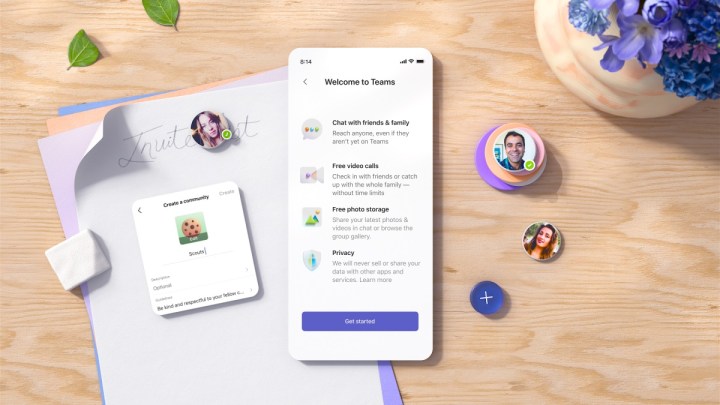
    The Microsoft Teams Communities features is now accessible for Microsoft 365 Personal and Family.
    Microsoft

    Microsoft has notified Microsoft 365 administrators that the newly introduced phishing alert functionality will be available to all users by the middle of February, as indicated by a report from Bleeping Computer. This feature will be activated by default and will notify users when phishing attempts are detected.

    To receive these alerts, users must have external Teams access enabled, which allows members of your organization to communicate with individuals outside the organization. While the initial rollout began in mid-November, it hasn’t reached every user yet, but Microsoft aims to complete the distribution by mid-February. Users are encouraged to get familiar with the new high-risk Accept/Block interface.

    When you receive a phishing alert, you will need to review the message and determine whether to accept it. If you choose to accept it, Microsoft will send a follow-up alert reminding you of the potential risks involved. Administrators can also review the audit log to track detected phishing attacks that utilize this method.

    If you currently do not have access to the phishing alert feature and do not require communication with anyone outside your team, it is advisable to disable this feature through the Microsoft Teams Admin Center, followed by turning off External Access. However, if you need this functionality, administrators can add specific domains to a whitelist to minimize potential risks. It’s uncertain when the feature will be fully accessible to everyone, but it is anticipated to roll out soon. When that happens, it is likely that malicious actors, such as a group that previously inundated a user’s inbox with numerous emails before impersonating IT support, will find it more challenging to achieve their objectives.

    Microsoft Teams has also implemented additional security measures, including the Safe Links feature designed to shield users from harmful links. It will be interesting to observe what other enhancements are introduced to Teams in the future.


  • The Rollout of ChatGPT Ads: Key Details

    The introduction of advertisements for ChatGPT marks a significant shift in monetization strategies for AI platforms. This new initiative aims to generate revenue while maintaining user engagement and providing valuable content. Here’s a closer look at the key details surrounding the rollout of ChatGPT ads.

    Overview of ChatGPT Ads

    With an increasing user base, OpenAI has decided to incorporate advertising within the ChatGPT interface. This move is designed to enhance user experience by delivering relevant content while also benefiting from targeted advertisements.

    Objectives of ChatGPT Ads

    • Generate Revenue: Create a sustainable financial model to support ongoing development.
    • Enhance User Experience: Provide personalized and useful ads that match user interests.
    • Attract Advertisers: Open opportunities for brands to reach a tech-savvy audience.

    Implementation Strategy

    OpenAI has outlined a strategic approach to the introduction of ads within the ChatGPT framework. This includes careful planning and execution to minimize disruption while maximizing effectiveness.

    Key Phases of Rollout

    1. Pilot Programs: Launching ads in a limited setting with select users to gather feedback and assess performance.
    2. Feedback Integration: Analyzing user interactions to refine ad targeting and presentation.
    3. Wide Release: Gradually expanding to a broader audience while monitoring user satisfaction.

    Ad Placement and Format

    • In-Chat Display: Ads will be seamlessly integrated into conversation threads, appearing as sponsored messages.
    • Targeted Suggestions: Ads will be based on user interests and historical interactions, ensuring relevance.
    • Opt-Out Features: Users will have options to limit ad visibility or provide feedback on their preferences.

    User Reactions and Concerns

    As with any advertising initiative, reactions from the ChatGPT community have been mixed. Understanding user sentiment is crucial for the successful implementation of ads.

    Positive Feedback

    • Relevance: Users appreciate the idea of receiving offers tailored to their interests.
    • Value Addition: Some users find that ads could enhance their engagement by introducing new products or services aligned with their needs.

    Criticisms and Challenges

    • Distraction Potential: There are concerns that ads might divert attention from the primary functionality of ChatGPT.
    • Privacy Issues: Users are apprehensive about how their data will be used for ad targeting.
    • Over-saturation: The possibility of ads becoming overwhelming if not managed carefully.

    Future Outlook

    The rollout of ChatGPT ads is just the beginning of a new era for OpenAI and its user community. Continuous adaptation and responsiveness to user feedback will be crucial in shaping the future of this advertising model.

    Potential Enhancements

    • Advanced Targeting Algorithms: Utilizing machine learning to improve ad personalization further.
    • Interactive Ads: Exploring ways to engage users with interactive ad formats that encourage participation.
    • Regular Updates: Keeping the user community informed about changes, improvements, and new features related to ads.

    As OpenAI rolls out this new advertising feature, it will need to strike a balance between monetization and maintaining the quality experience users expect from ChatGPT. The feedback gathered in the initial phases will be essential to refining this approach and ensuring that both users and advertisers benefit from the integration of ads into the platform.