الوسم: preservation

  • GOG Launches Program for PC Games Preservation

    GOG Launches Program for PC Games Preservation

    Mr. X attacking Leon and holding him up by his neck in the original Resident Evil 2
    Capcom

    GOG has long been a cornerstone of vintage PC gaming. While their catalog does feature modern games, it’s the platform’s selection of DRM-free classics like Beyond Good & Evil and Silent Hill 4: The Room that truly stands out. This vast library offers many titles that are often hard to find elsewhere.

    Now, under the ownership of CD Projekt Red, GOG is enhancing its appeal with the announcement of the GOG Preservation Program. Unveiled on Wednesday, this initiative aims to ensure that selected games, branded as “Good Old Games,” maintain their compatibility with current and future systems while being preserved as authentically as possible.

    According to the blog post, “If a game is part of the Preservation Program, it means that we commit our own resources to maintaining its compatibility with modern and future systems.” Currently, these titles work on Windows 10 and 11, with plans for better support on future platforms.

    The program currently includes 100 classic titles such as System Shock 2, Fallout: New Vegas Ultimate Edition, The Witcher: Enhanced Edition, and the original Diablo, with more to come. Although many of these games have been available for a while, the Preservation Program serves as a commitment from GOG to ensure they receive necessary updates and meet specific standards for players. Plus, all these titles are DRM-free, allowing users to enjoy them without the fear of licenses being revoked or requiring an internet connection.

    For example, earlier this year, GOG released the Resident Evil Bundle, featuring the first three classic Resident Evil games for $25. They made minimal enhancements, like quality-of-life improvements with new rendering options and better controller support, while ensuring the games remain as true to the original experience as possible—more so than an emulator or vintage physical copies might offer.

    Despite recent improvements in the preservation and availability of classic games, the industry still faces significant hurdles. High-profile companies have closed digital storefronts, making it difficult for older titles to continue being accessible. For instance, while Sony reversed its decision to shut down its PlayStation 3 and PS Vita digital stores, Nintendo permanently closed its Wii U and 3DS eShops in 2023. While major platforms have begun publishing retro titles through subscription services, the PC gaming space has lagged, with remakes frequently failing to capture the essence of the originals.

    The GOG blog lamented this, stating, “Unfortunately, the classic PC games market is in a sorry state. It’s too tiny for leading platforms to give it any attention. Classic releases often get the sell-it-and-forget-it treatment, and as time goes on and technology evolves, compatibility issues arise and remain unaddressed.”

  • Games Preservation Hit Hard By U.S. Copyright Office

    Games Preservation Hit Hard By U.S. Copyright Office

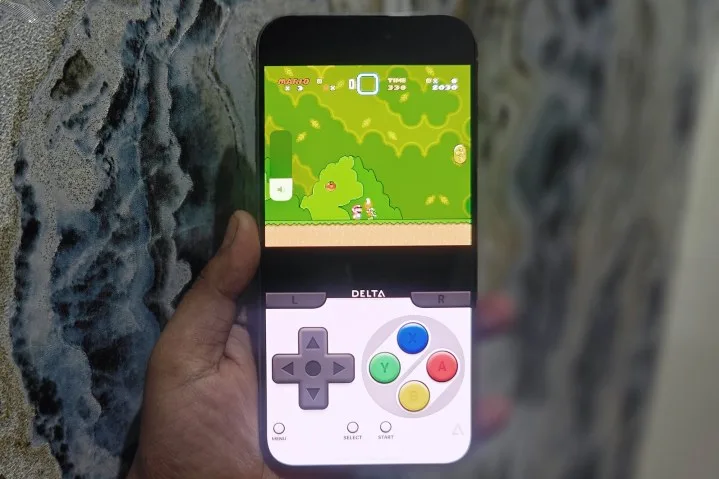
    Mario on an iPhone through an emulator.
    Nadeem Sarwar / Digital Trends

    Recently, the U.S. Copyright Office announced that the Digital Millennium Copyright Act (DMCA) will not provide exemptions for the preservation of video games. This decision highlights the challenges in enabling enthusiasts to experience classic games that are no longer readily accessible.

    The Software Preservation Network, along with the Video Game History Foundation, had submitted a petition aimed at broadening DMCA exemptions for software like video games. Their goal was to facilitate remote access to these games for research and educational purposes, which could be hindered by current DMCA provisions.

    While both the U.S. Copyright Office and the Library of Congress have previously emphasized the significance of preserving video games, the Copyright Office expressed concerns that the proposed guidelines might still pose a risk to the market. This ongoing apprehension does little to alleviate the issues retro game enthusiasts face, including copyright strikes and takedowns.

    “While the Register recognizes the broad safeguards that proponents have introduced to potentially limit recreational use, she believes these measures lack specificity and cannot assure that market harms would be avoided,” the ruling states. Other aspects of the decision pointed to inconsistencies in the documentation provided and the witnesses’ accounts, as well as the influence of recent remasters and re-releases that help bring older games to new audiences.

    In a statement released on Friday, Phil Salvador, the library director of the Video Game History Foundation, expressed disappointment with the ruling. He noted that their efforts, along with those of similar organizations, had been impeded by lobbying from groups like the Entertainment Software Association (ESA).

    “Unfortunately, persistent lobbying by rights-holder groups is obstructing progress. During our discussions with the Copyright Office, the [ESA] stated emphatically that they would oppose remote access to games for research indefinitely,” Salvador remarked. “This extreme position in the gaming industry forces researchers to consider illegal alternatives for accessing a majority of out-of-print titles that are otherwise unavailable.”

    A report released last year by the foundation indicated that 87% of classic games that should normally be accessible, especially those on obsolete or inactive platforms, are effectively unplayable through standard means. Furthermore, the closure of the Wii U and 3DS eShops and the Xbox 360 marketplace in 2023 has worsened the situation, increasing the number of games categorized as “critically endangered.”