الوسم: popularity

  • تطور الروبوتات المنزلية بنسبة 75% خلال العقدين الماضيين

    الروبوتات المنزلية: ثورة في عالم المنازل الذكية

    مقدمة عن تطور الروبوتات المنزلية عبر العقود
    لقد شهدت العقود العشرين الماضية تطوراً هائلاً في مجال الروبوتات المنزلية، حيث انتقلت من كونها مجرد أدوات ترفيهية لمحبي التكنولوجيا إلى منتجات ذات فائدة عملية حقيقية تنتشر في المنازل حول العالم. بدأت هذه الروبوتات كابتكارات تفنية مثيرة، ثم تطورت لتصبح أدوات فعالة تساعد أصحاب المنازل في تنفيذ الأعمال المنزلية بكفاءة عالية.

    تحول الروبوتات المنزلية من الترفيه إلى أدوات أساسية
    الروبوتات مثل المكانس الكهربائية الروبوتية وآلات جز العشب أصبحت الآن أكثر من مجرد لعبة تقنية، فهي تساهم بشكل كبير في تحرير الوقت وتقليل الجهد المبذول في الأعمال المنزلية اليومية. اليوم، يمكن لهذه الروبوتات القيام بمهام مثل كنس الأرض وتنظيف الحدائق بشكل متقن، مما يوفر لسكان المنازل فرصة للتركيز على أنشطة أكثر أهمية، كالدفاع عن أعمالهم، والعناية بالأسرة، وقضاء الوقت في الاسترخاء.

    التقنيات الحديثة والتكلفة المعقولة تدفع السوق قدماً
    مع التقدّم المستمر في تقنية الذكاء الاصطناعي وأجهزة الاستشعار، أصبحت الروبوتات المنزلية الآن أكثر ذكاءً وكفاءة. لم تعد تقتصر على تلبية الاحتياجات الفاخرة، بل أصبحت متاحة لشرائح واسعة من المستهلكين بأسعار مناسبة، حيث يمكن شراء روبوت مكنسة جيد مقابل بضعة مئات الدولارات. ومع ازدياد التوجه نحو التكنولوجيا الذكية، يتوقع أن يتزايد الطلب على هذه الروبوتات بشكل كبير في المستقبل، مع تزايد اعتماد المنازل على التقنيات الحديثة.

    تحديات وتحديات الاعتماد على الروبوتات المنزلية

    معدلات الانتشار المحدودة بين المستخدمين
    بالرغم من التطور الكبير في تكنولوجيا الروبوتات المنزلية، إلا أن معدل اعتمادها لا يزال محدوداً، حيث تشير دراسات “ستاتيستا – رؤى المستهلكين” إلى أن أقل من خُمس المشاركين في الأسواق المدروسة يمتلكون أحد هذه الروبوتات، سواء كانت مكنسة روبوتية أو آلة جز العشب. هذا يدل على وجود حاجز من حيث الثقافة أو السعر أو عدم الثقة بعد في فاعليتها.

    أماكن غير متوقعة لعدم الانتشار
    من المثير للانتباه أن دول مثل كوريا الجنوبية واليابان، والتي تعتبر من أعلى الدول في استخدام الروبوتات الصناعية، تظهر تحفظاً شديداً تجاه تبني الروبوتات المنزلية. هذا يظهر أن قبول الأدوات الذكية وتبنيها يختلف بشكل كبير بين المناطق، ويظل التحدي قائماً في زيادة التوعية والثقة بمزايا هذه التكنولوجيا للانتشار الواسع.

    آفاق مستقبلية في عالم الروبوتات المنزلية
    مع استمرار التطور التكنولوجي وتخفيض التكاليف، من المتوقع أن تزداد نسبة استخدام الروبوتات المنزلية بشكل ملحوظ خلال السنوات القادمة. يتوقع أن يكون للمنازل الذكية دور رئيسي في تبني هذه التكنولوجيا، مما يسهم في جعل الأعمال المنزلية أكثر سهولة وأقل تعباً، ويمنح الأفراد وقتاً أكثر للاستمتاع بالحياة وتحقيق التوازن بين العمل والحياة الشخصية.

  • Top U.S. Beers: Bud Light Leads with 20% Preference

    Top U.S. Beers: Bud Light Leads with 20% Preference

    Celebrating America’s Favorite Beers on National Beer Day

    The Significance of National Beer Day

    Every year on April 7, beer enthusiasts across the United States come together to commemorate National Beer Day. This day serves as a significant reminder of the Cullen-Harrison Act, which effectively marked the end of Prohibition in 1933. The legislation played a pivotal role in shaping the American brewing landscape as we know it today, allowing a newfound appreciation for beer to flourish post-Prohibition.

    Survey Insights into U.S. Beer Preferences

    In a recent survey conducted by Statista Consumer Insights, insights into the beer preferences of Americans were unveiled, revealing beer brands that resonate most with the public. As American beer drinkers continue to evolve, their preferences shift subtly, reflecting broader trends in taste and market availability.

    Top Beer Brands in America

    With much anticipation, the results from the 2023 survey indicated that Bud Light has once again claimed the top position as America’s favorite beer. This leading brand reclaimed its title from Corona Extra, which had dominated the previous year’s rankings.

    1. Bud Light

      • Bud Light, an American lager renowned for its crisp taste and refreshing qualities, has a long-standing reputation in the beer market.
      • Its ability to appeal to a broad audience with its approachable flavor profile has solidified its status as a go-to beer choice.
    2. Corona Extra

      • Coming in a close second, Corona Extra remains a beloved choice among beer drinkers, especially during warmer months.
      • Its distinctive branding and image as a perfect beach beer continue to resonate with consumers.
    3. Budweiser

      • Following closely behind, Budweiser remains an American icon in the brewing industry.
      • Known for its rich history and classic lager taste, it holds a special place in the hearts of many beer aficionados.
    4. Heineken

      • Ranked fourth, Dutch Heineken stands as a testament to the globalization of beer, offering a European flavor to the American palate.
      • Its unique taste and international reputation enhance its appeal to American consumers.
    5. Blue Moon
      • Rounding out the top five is Blue Moon, a Belgian-style witbier brewed by Molson Coors in Colorado.
      • Blue Moon’s light, fruity flavor and notable orange garnish make it a popular choice among craft beer lovers.

    Market Dynamics and Consumer Tastes

    The competitive landscape of the beer industry reflects shifting consumer preferences and an evolving market. The resurgence of Bud Light indicates the resilience of traditional American brands, while the consistent presence of international competitors like Corona and Heineken highlights the appeal of global flavors.

    The Cultural Impact of Beer in America

    Beer is more than just a beverage in the U.S.; it embodies a cultural aspect that connects communities and creates memorable moments. From backyard barbecues and sports events to craft beer festivals, the appreciation for beer is deeply rooted in American culture.

    What Factors Influence Beer Preferences?

    Understanding consumers’ beer preferences can be attributed to several factors:

    • Taste and Flavor Profiles: The distinct taste of each beer plays a crucial role in consumer choices.
    • Brand Identity and Marketing: Strategic marketing and branding efforts shape consumer perceptions and loyalty.
    • Cultural Trends: Seasonal shifts and cultural events often influence beer consumption patterns.

    The Future of Beer in America

    As craft breweries continue to emerge and consumer demands evolve, the American beer market is likely to see further changes in brand popularity and consumer tastes. The ever-growing fascination with unique flavors, local breweries, and sustainable practices may shape the beer landscape in years to come.

    With National Beer Day serving as a reminder of the rich history and cultural significance of beer in America, enthusiasts can look forward to continuing exploration in the diverse world of brewing.

  • 80% of Adults Follow Football, But Young Fans Shift to NBA

    80% of Adults Follow Football, But Young Fans Shift to NBA

    The Shifting Dynamics of American Sports: Football vs. Basketball

    The Super Bowl Phenomenon

    As the Kansas City Chiefs prepare to face the Philadelphia Eagles in the 59th Super Bowl, millions of Americans will tune in to witness history in the making. The event draws an impressive viewership, underscoring the cultural significance of American football in today’s society. According to Statista Consumer Insights, football remains the most popular sport in the United States, with 80% of U.S. adults following the sport. This positions football as a clear favorite over basketball, which garners interest from 62% of respondents, and baseball, claiming 51%.

    Grassroots Support for Football

    American football’s longstanding reign as America’s favorite sport is anchored not only in its competitive spirit but also in its deep-rooted cultural relevance. From the exhilaration of Sunday matchups to the spectacle of the Super Bowl, football has struck a chord with fans from various demographics. Its appeal is also reflected in the high engagement levels during playoff seasons and the NFL Draft, events that spark massive viewership and interaction.

    The Rise of Basketball Among Younger Audiences

    Despite its current dominance, the future of football may not be as assured as it seems. Recent trends indicate a shifting interest among younger audiences, particularly those aged 18 to 24. The allure of basketball is gaining momentum in this demographic, where football’s popularity is starting to fade. This shift signals a potential challenge for the NFL as it battles to maintain its supremacy among younger fans.

    Understanding Younger Viewers’ Preferences

    The grim reality for football lies in its format: NFL games typically last around three hours, which may not cater well to younger audiences who are accustomed to bite-sized content. Today’s consumers often lean toward platforms like social media, where they can consume highlight clips rather than committing to an entire game. Basketball has adapted more swiftly to these new consumption patterns, offering a game structure and a culture that emphasizes moments of excitement and innovative ways to engage via platforms like Instagram and TikTok.

    Cultural Connections Beyond the Game

    Basketball has also harnessed its star power effectively, with superstars like LeBron James stepping beyond the court and into broader cultural relevancy. These athletes often find themselves trending on social media or involved in various entertainment ventures, which broadens their appeal. The celebrity culture surrounding basketball players creates a deeper connection with younger fans who idolize these athletes, making the sport more attractive.

    Game Accessibility: A Key Factor

    Another aspect contributing to basketball’s rise is the relative accessibility of the sport. Basketball requires less infrastructure and is often more casual in nature, enabling young people to engage in the sport without needing extensive equipment or facilities. Pickup games in a local park or driveway basketball require little more than a hoop and a ball, making it an easy sport to learn and play, thus further enhancing its appeal among the youth.

    Conclusion: The Ongoing Battle for Popularity

    In summary, while football has long stood as the cornerstone of American sports, the tides are beginning to turn, particularly among younger viewers. The ability to adapt to modern viewing habits, cultural relevance, and accessibility will determine whether basketball can usurp football’s title as the favored sport. As we witness these changes unfold, the future landscape of American sports remains an exciting domain to explore.

  • Comedy Leads TV Viewership: 61% of U.K. Fans Tune In

    Comedy Leads TV Viewership: 61% of U.K. Fans Tune In

    Understanding World Television Day: Celebrating Global Viewing Habits

    November 21 marks World Television Day, a day established by the United Nations in 1996 to recognize the significant impact television has had on global communication, education, and entertainment. This occasion serves as a reminder of how television connects people around the world and influences decision-making. In light of this day, let’s delve into the viewing habits across various nations to gain insights into how different cultures engage with television content.

    The Impact of Television on Society

    Television plays a crucial role in shaping public opinion and educating the masses. It has the unique ability to bring information directly into our living rooms, making complex issues more accessible. The establishment of World Television Day is not merely a celebration of the medium itself but a recognition of its profound influence on society.

    The Evolution of Television Content

    Over the years, television content has evolved significantly. It has transitioned from traditional broadcasting to streaming services, creating a more personalized viewing experience. This evolution has also influenced the types of genres that gain popularity among different demographics.

    Genre Preferences Around the Globe

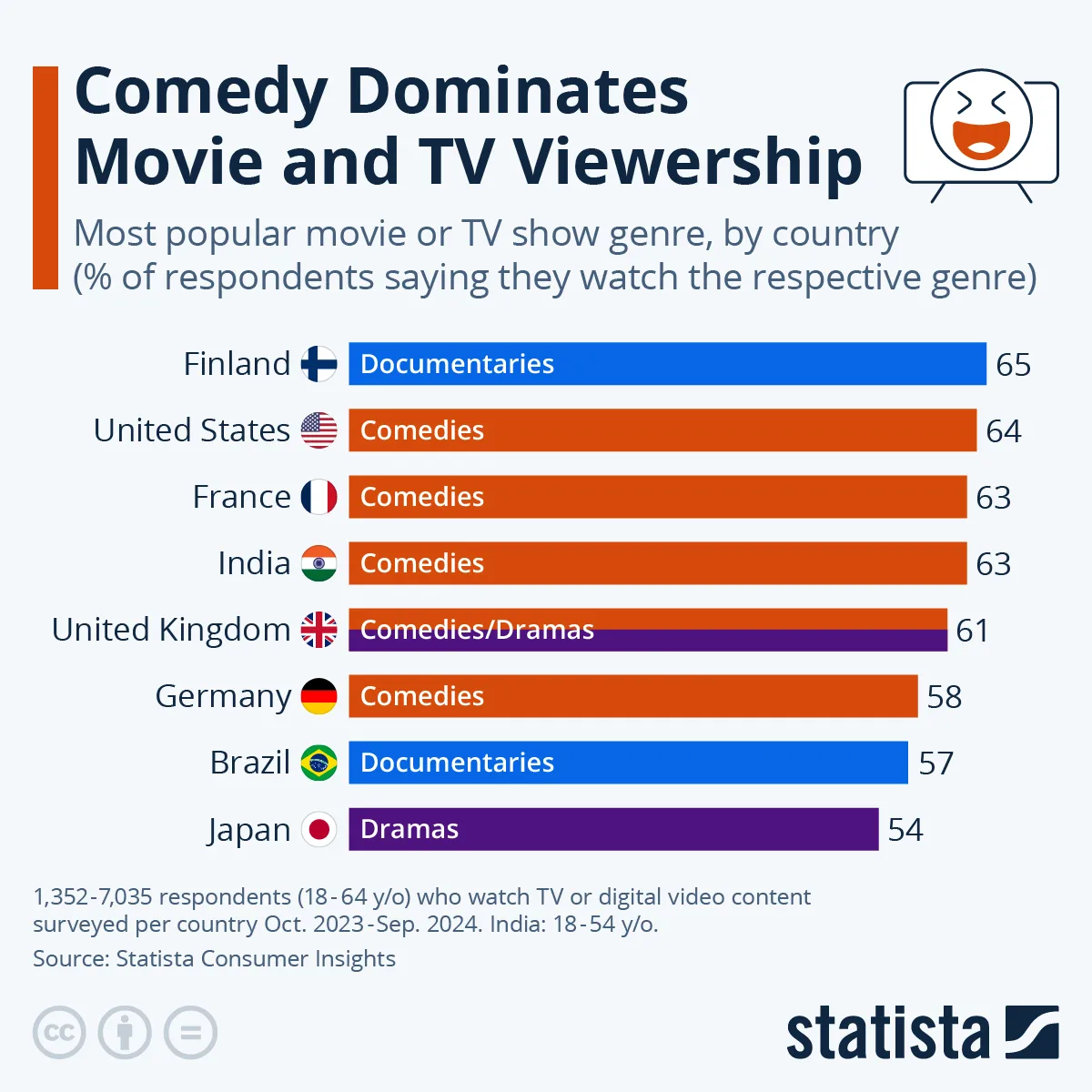
    A survey conducted by Statista’s Consumer Insights provides an intriguing look into how preferences for television genres differ by geography. Notably, comedy has emerged as a dominant genre in several countries, while other genres have captured the interest of various audiences.

    Popularity of Comedy

    Comedy stands out as a beloved genre across various nations. According to the survey:

    • United States: Americans exhibit a strong preference for comedic content, often gravitating towards sitcoms and stand-up specials.
    • France: French audiences also show a notable inclination toward comedies, reflecting their cultural appreciation for humor and satire.
    • India: Comedy has secured a significant place in Indian entertainment, often blending local humor with social commentary.
    • Germany: German viewers similarly enjoy comedic programming, supporting both domestic productions and international hits.

    The Alternative: Documentaries and More

    While comedy reigns supreme in many regions, some countries have different genre inclinations:

    • Finland and Brazil: Here, the documentary genre takes the lead. Audiences in these nations value informative content that explores real-life issues, culture, and nature.
    • United Kingdom: The UK presents a balanced viewing landscape, with comedy and drama sharing equal popularity. Reports indicate that about 61 percent of respondents watch both genres frequently.

    A Closer Look at India’s Diverse Viewing Preferences

    India’s rich tapestry of cultural and entertainment options reflects a complex array of viewer preferences:

    • Sports (54%): Sports programming commands a massive following, particularly cricket, which is almost akin to a religion in the country.
    • Music Videos and Shows (53%): The popularity of music in Indian culture translates into a robust audience for music videos and reality music competitions.
    • Thrillers, Mysteries, and Crime Shows (49%): Intriguing narratives and suspenseful plots resonate well with Indian viewers, who enjoy the thrill of unraveling complex stories.
    • Horror (49%): The horror genre also maintains a significant following, appealing to audiences’ fascination with fear and suspense.

    Regional Variations in Viewing Habits

    The survey not only highlights preferences but also underscores the diversity in viewing habits across different regions. Factors such as cultural background, social norms, and local trends play pivotal roles in shaping what people choose to watch on television.

    The Role of Cultural Identity

    Television serves as a reflection of society’s values and cultural identity. Comedic content often provides a means of social commentary, while documentaries can help viewers connect with broader global issues. Understanding these dynamics can provide deeper insights into why certain genres flourish in specific regions.

    The Shift Towards Streaming Platforms

    The rise of streaming platforms has undoubtedly altered viewing habits. With the advent of on-demand content, audiences are increasingly curating their entertainment experiences, leading to a more diverse array of genres being explored across different demographics.

    With World Television Day shining a spotlight on how television continues to evolve and influence modern society, it also reminds us to appreciate the varied tastes and preferences that audiences around the globe exhibit. With comedy dominating many viewing preferences, and documentaries appealing to others, the landscape of television is as rich and varied as the cultures it encompasses.