الوسم: Planet Zoo

  • Tips for Ensuring Animal Happiness in Planet Zoo

    Creating your own zoo is no small feat, especially if you want to avoid protests outside your exhibits. In Planet Zoo, your mission is to ensure the animals have the best possible lives until they are either released back into nature or live out their days comfortably in captivity.

    Maintaining high animal welfare is essential not just for the animals, but also to keep your visitors satisfied and willing to support your efforts. Here’s a guide on how to ensure your animals are well cared for and how to manage their stress levels.

    How to Check If Animals Are Stressed

    Checking the welfare of bonobo in the habitat.

    To determine if your animals are experiencing stress, go to the animals section in the zoo menu or select the specific animal directly. This will open a menu showing the animal’s welfare status.

    Each animal has a set of essential needs. These include:

    Animal Welfare
    Welfare Need Specific Needs Description
    Nutrition Nourishment The overall feeding status of the animal.
    Last Meal Quality The quality of the animal’s most recent food.
    Hydration The amount of water the animal has consumed.
    Last Drink Cleanliness The quality of the water the animal last drank.
    Social Social Group How many similar-aged companions are present.
    Space The area the animal has to move around, including swimming and climbing.
    Stress The level of distress based on the fulfillment of their needs.
    Habitat Cleanliness The hygienic condition of the habitat.
    Temperature The habitat’s temperature in relation to the animal’s needs.
    Terrain The type of materials found in the habitat.
    Plants How closely the vegetation matches the animal’s natural environment.
    Hard Shelter A safe place for the animal to retreat from view.
    Enrichment Food Enrichment in Habitat The number of interactive food sources available.
    Toy Enrichment in Habitat The variety of toys provided in their space.
    Interspecies Bonus A benefit earned when different species coexist harmoniously.

    Each need has a status bar indicating its condition. A green status means everything is good! If you’re concerned, you can hover over any specific need to find out what the animal needs more or less of to feel comfortable in their space.

    How to Make Animals Less Stressed

    There are numerous strategies to reduce stress among animals. Each habitat presents unique challenges as animals have specific preferences and requirements. Meeting these needs can take time and effort.

    Remember: If you fail to meet their needs, protesters may appear!

    Build Better Habitats

    Your first priority should be to enhance the quality of the animal habitats. Providing adequate trees and shrubs and ensuring the terrain is suitable are crucial. If their environment doesn’t resemble their natural habitat, animals will likely feel stressed.

    Animals like chimpanzees, bonobos, and lemurs also require climbing structures to create a sense of space by allowing them to move vertically.

    Use One-Way Glass

    Consider implementing one-way glass barriers that allow guests to see the animals without them being aware of it. This setup enables your visitors to enjoy the view while keeping the animals relaxed. Some species may benefit more from this than others, but it is an effective way to prevent overexposure and stress. Feel free to adjust barriers as needed to incorporate this feature.

    Provide Enrichment

    A comfortable habitat is only part of the equation. Animals require stimulation too! Offering toys is essential for keeping them engaged and content.

    Enrichment can range from simple toys to interactive feeders that pets can manipulate. Items like frozen fruit or tires can be great for many animals. You can browse the enrichment options in the habitat menu by species to find just the right fit for your animals!

  • Complete Guide to All Planet Zoo Downloadable Content Packs

    Complete Guide to All Planet Zoo Downloadable Content Packs

    In Planet Zoo, you have the opportunity to create and manage your very own animal sanctuary, populated with your favorite creatures. From ensuring their well-being to making efforts to restore endangered populations, there’s a lot to handle. If the vast selection of animals available isn’t enough for you, there’s an array of DLC packs to explore and enjoy.

    Each pack introduces a variety of animals, ranging from adorable farm animals to fierce arctic predators. With over 80 new species added since the game’s launch, you can quickly design the zoo of your dreams. Here’s a complete guide to Planet Zoo’s downloadable content packs!

    All Downloadable Content Packs for Planet Zoo

    Since its debut, Planet Zoo has rolled out more than a dozen content packs for players on both PC and consoles. Each pack includes new animal species, scenery elements, and campaign challenges for players to experience.

    Whether you’re seeking a new challenge or looking to add a beloved animal to your collection, every pack has something unique to offer. Below is a list of all available packs, detailing their contents and the platforms they support.


    DLC Pack Name

    Game Version

    Content

    Arctic Pack

    • Norway Scenario
    • Mexico Scenario
    • Polar Bear
    • Reindeer
    • Arctic Wolf
    • Dall Sheep
    • 200+ Scandinavian Scenery Pieces

    South America Pack

    PC

    • 250+ Scenery Pieces
    • Jaguar
    • Llama
    • Capuchin Monkey
    • Giant Anteater
    • Red-Eyed Tree Frog

    Conservation Pack

    PC

    • 150+ Scenery Pieces
    • Turtlerock Wildlife Orphanage Scenario
    • Przewalski’s Horse
    • Amur Leopard
    • Scimitar-horned Oryx
    • Siamang
    • Axolotl

    Some DLC bundles are exclusive to consoles, although they can be purchased for both game versions.

  • Utilizing Education Boards and Speakers in Planet Zoo

    Utilizing Education Boards and Speakers in Planet Zoo

    Planet Zoo gives you many chances to create a wildlife sanctuary just the way you want it while ensuring your favorite animals feel at home. While visitors enjoy watching the animals, they often lack knowledge about them. With your guidance, you can teach your guests about the animals and the zoo’s conservation initiatives.

    We’ll guide you on where to place the appropriate boards and speakers to share information with visitors. The more guests learn, the better your zoo’s ranking will be. Here’s what you need to know to enhance guest education and improve your overall score in Planet Zoo!

    How to Use Education Boards and Speakers

    When you open a new exhibit, it’s essential to set up educational materials around it so visitors can learn more. Otherwise, they might just gaze at the animals without understanding anything about them.

    Click on the facilities tab and then choose the media devices and education section. Here, you’ll find screens, boards, and speakers that can help inform your guests.

    Be sure to install a variety of educational tools for a comprehensive experience.

    Position the selected screens and speakers around the exhibit. After that, pick each one and assign an animal to it. This will kick off the educational process, enabling guests to learn more about the exhibits and the animals in them.

    If you’re feeling creative, you can upload custom images for your educational signs.

    How to Research Animals


    Your education score can also rise by having your veterinarians research various animals. Each vet engaged in detailed research boosts your score.

    You can construct different research labs in your zoo and assign vets to them. This not only increases your score but also helps unlock more enrichment options for your animals.

    When placing these labs, ensure there are paths and resources available for staff to make their research effective. You can monitor the research progress and assign vets to study any animals of your choice within your zoo.

  • Choosing the Right Biome for Your Planet Zoo Adventure

    Choosing the Right Biome for Your Planet Zoo Adventure

    Creating Your Own Wildlife Park in Planet Zoo

    Establishing a wildlife park in Planet Zoo is a journey that requires careful planning, but with the right animals and staff, you’ll be well-equipped to reach your goals. Each zoo has its own unique needs, just as different animals have their specific requirements. Selecting the proper continent for your zoo can make it easier to house certain animals. After all, it wouldn’t be suitable to set up a polar bear enclosure in Africa!

    To help you get started, we’ll outline the various environments available in the game and which continents they encompass. This will guide you in making informed decisions for your zoo, supporting animal conservation, and raising awareness for your initiatives.

    Overview of Biomes in Planet Zoo

    When launching your zoo, it’s crucial to select your biome wisely. While you can modify habitats to meet animals’ needs, choosing the right environment from the start can help minimize the adjustments you’ll need to make for their comfort.

    Here’s a summary of all the available biomes and the countries you can choose from to establish your zoo:

    Biome Name Continents Included Qualities
    Desert Africa, Asia, Oceania, North America, South America This biome features warm conditions that can reach extreme temperatures. Although heating costs are low, keeping non-native animals cool might add to your expenses.
    Grassland Africa, Asia, Oceania, Europe, North America, South America This biome is beginner-friendly, striking a good balance between temperature and landscape.
    Tropical Africa, Asia, Oceania, North America, South America Warm and adaptable, this biome is suitable for various animals, especially those that require water in their habitats.
    Temperate Asia, Oceania, Europe, North America Ideal for beginners, it provides a moderate environment for most animals.
    Taiga Asia, Europe, North America Characterized by coniferous forests, this biome suits fur-covered animals well.
    Tundra Antarctica, Asia, Europe, North America, South America Extremely cold with temperatures frequently below freezing, leading to high heating costs for enclosures.

    Which Biome is Best for Your Zoo?

    The optimal biome for your zoo largely depends on your preferences. For newcomers, starting with a grassland or temperate biome is advisable for a balanced experience. However, if you’re looking for a challenge, considering a more extreme biome could be rewarding.

    A well-chosen biome will make it easier to regulate temperature fluctuations, leading to a more manageable experience overall.

    Keep in mind that your visitors are likely to be more intrigued by animals that are less common in their region. While the difference in donations may not be huge, it’s something to consider, especially since maintaining comfortable habitats for the animals can be costly.

    Important Considerations

    Once you establish your zoo, you cannot change the biome or continent, so choose carefully! The success of your zoo will depend on this initial decision. Feel free to select a region that resonates with you or mirrors a local zoo that you admire. The possibilities are diverse, and the success of your wildlife park is up to you!

  • Maximize Earnings in Planet Zoo: A Farming Guide

    Maximize Earnings in Planet Zoo: A Farming Guide

    In Planet Zoo, operating without sufficient funds can be quite limiting. While spending money can potentially generate revenue, you need to establish a steady income first. There are several strategies to earn cash and conservation points, and we’ll guide you through them.

    Creating a thriving zoo demands both time and thoughtful planning. Rushing can result in insufficient earnings to keep your zoo open. Here are some effective methods for revenue generation, suitable for both long-term growth and immediate financial needs to help your zoo flourish and ultimately become profitable.

    Optimizing Your Habitats

    While creating the largest habitat possible might seem appealing, it is often more beneficial to consolidate space and feature a variety of animals. Each habitat has its unique characteristics, and introducing different animals can attract more visitors and increase profits.

    Visitors are more likely to pay for entry if they see that the animals are happy and well cared for. Engaging activities, such as animal talks, can also enhance visitor experience and boost your revenue.

    Building New Exhibits

    A hippo posing on a rock, looking directly at the camera.

    While large habitats are the main attractions in your zoo, investing in smaller exhibits can also yield benefits. Animals can only be obtained with cash and cannot be returned, yet the initial investment for smaller exhibits is lower than that for creating entirely new habitats.

    Creating these smaller showcases allows you to attract more visitors without a significant upfront investment.

    The low initial costs enable you to create a range of exhibits from the start. Guests appreciate variety, so catering to their interests can lead to increased revenue through their purchases within the zoo.

    Use Renewable Energy

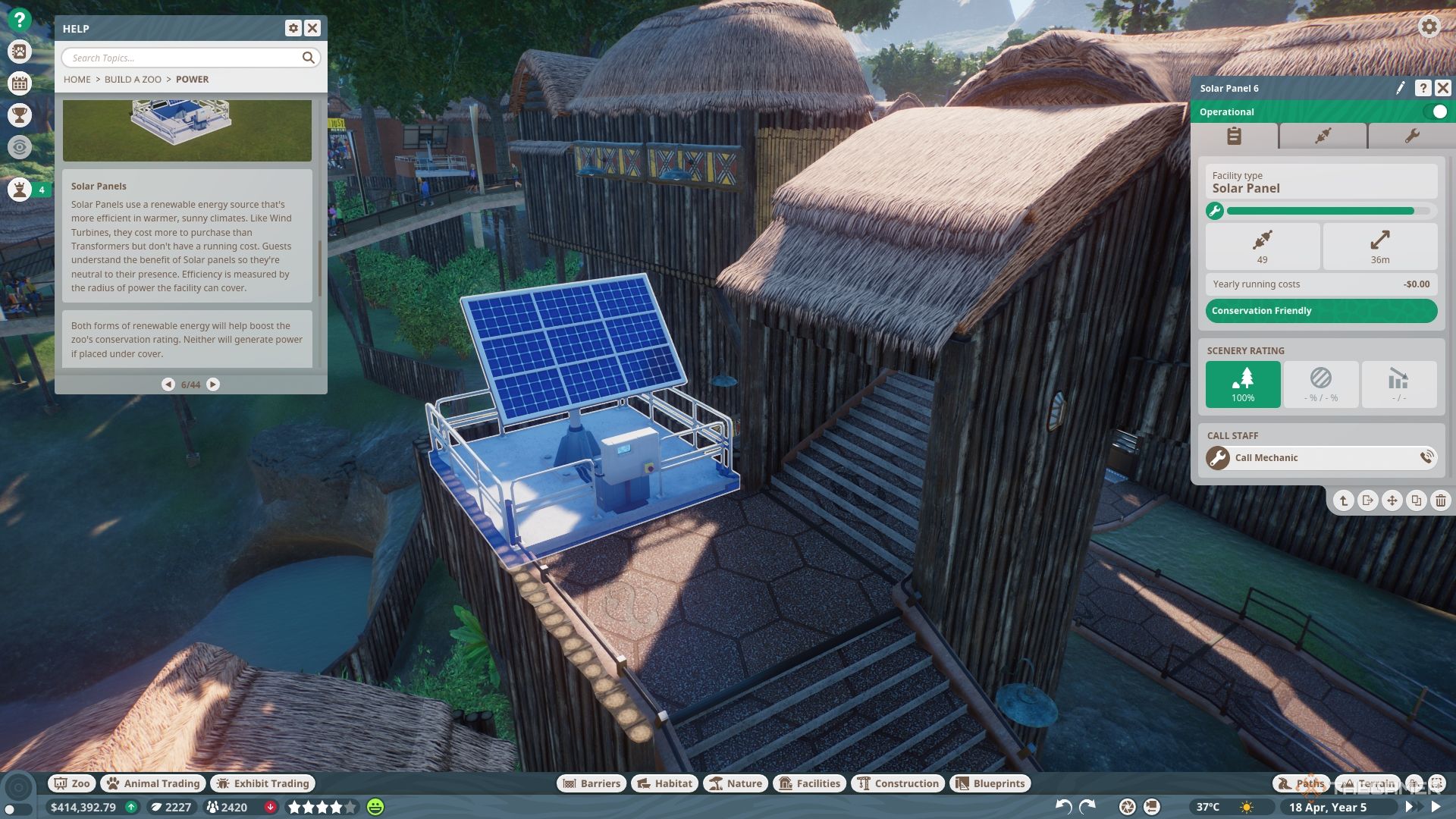
    Examining a solar panel's information.

    Although renewable energy sources like solar panels and wind turbines may have higher setup costs than traditional power sources, they often yield better returns over time. Conventional transformers typically lead to ongoing expenses as costs accumulate based on the amount of energy consumed.

    Investing in renewable energy can save you money in the long run while also fostering a cleaner environment for your guests. You can use this aspect to educate your visitors about sustainability and the importance of environmental conservation.

    Take Out A Loan

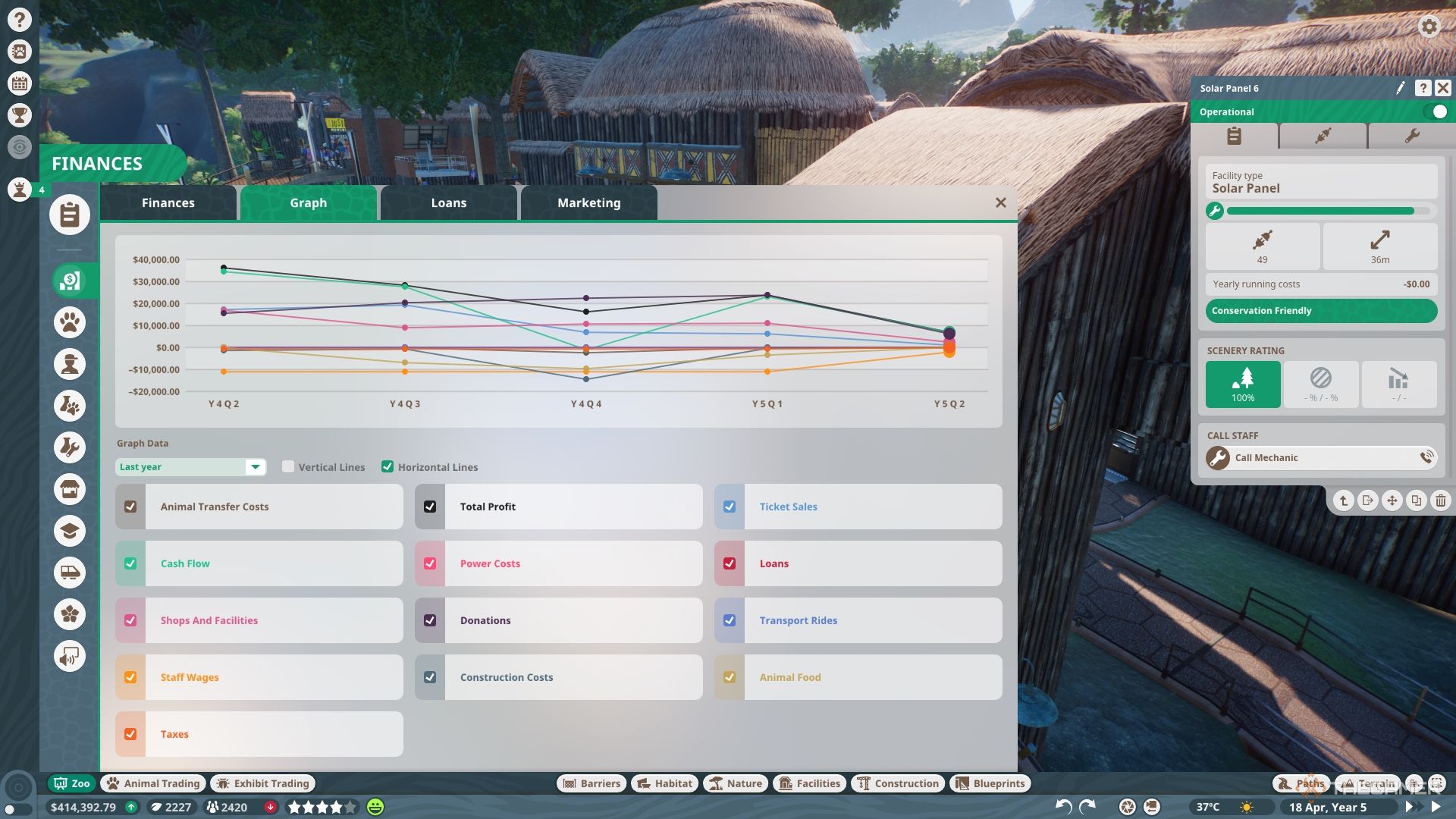
    Examining the finances menu for the zoo.

    If you find yourself struggling financially, taking out a loan may be a viable option to help manage expenses. Simply access the finance menu to view available loan amounts and choose how much you need to borrow to stabilize your finances.

    Although loans can provide temporary relief, they should be viewed as a short-term solution. Be sure to repay the loan promptly to avoid long-term financial repercussions.

    Food And Drink Shops

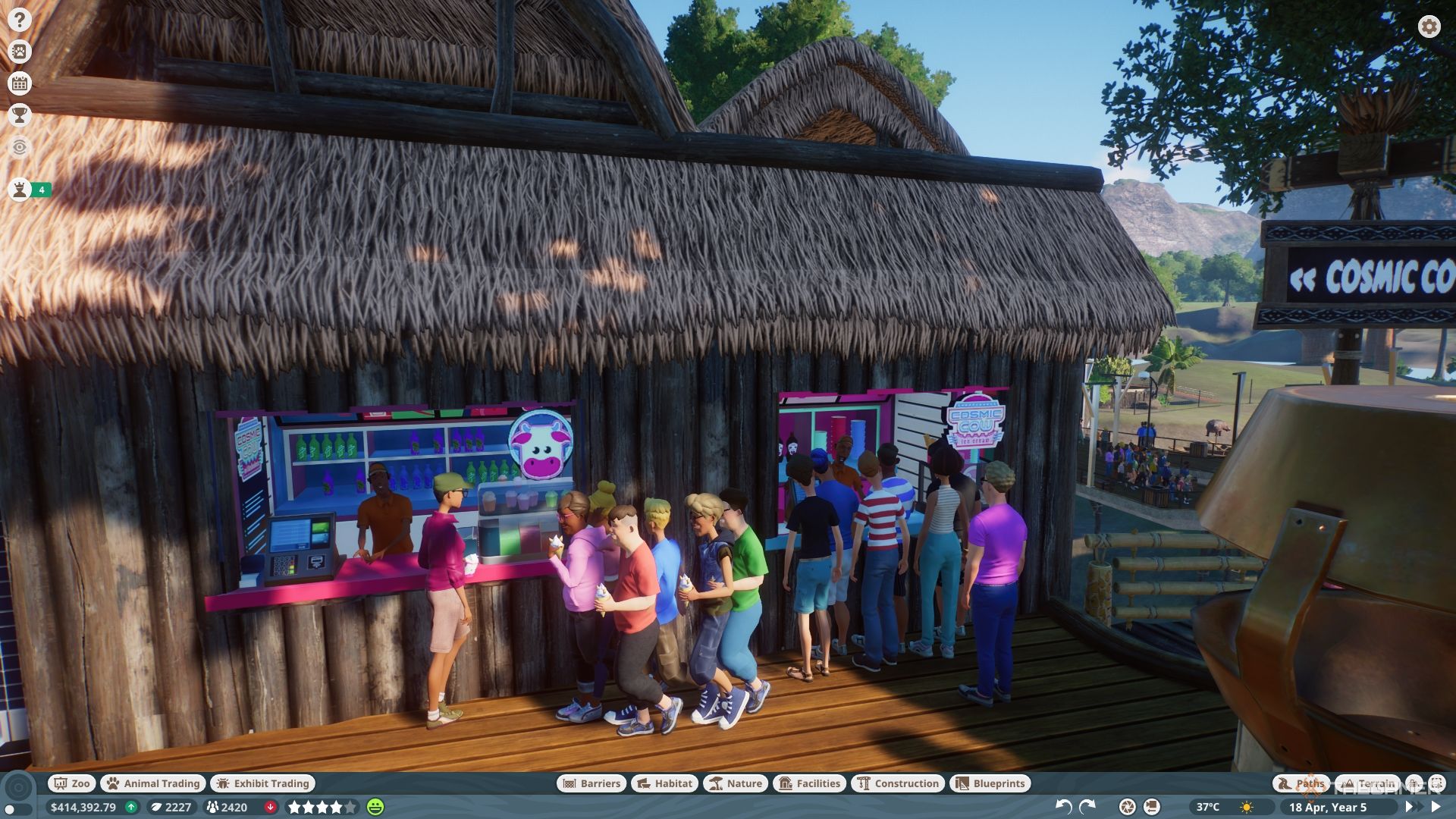
    Guests lined up outside the Cosmic Cow shop.

    While animal displays are the main draw, guests also require dining options. Establishing a range of food and drink shops will enhance guest comfort and encourage them to stay longer in your park.

    The longer guests enjoy themselves, the more opportunities you have to increase your revenue.

    Consider offering various dietary choices and placing multiple outlets of popular shops to accommodate guest demand. Keep an eye on guest preferences and tailor your offerings for the best financial outcomes.

    Gift Shops

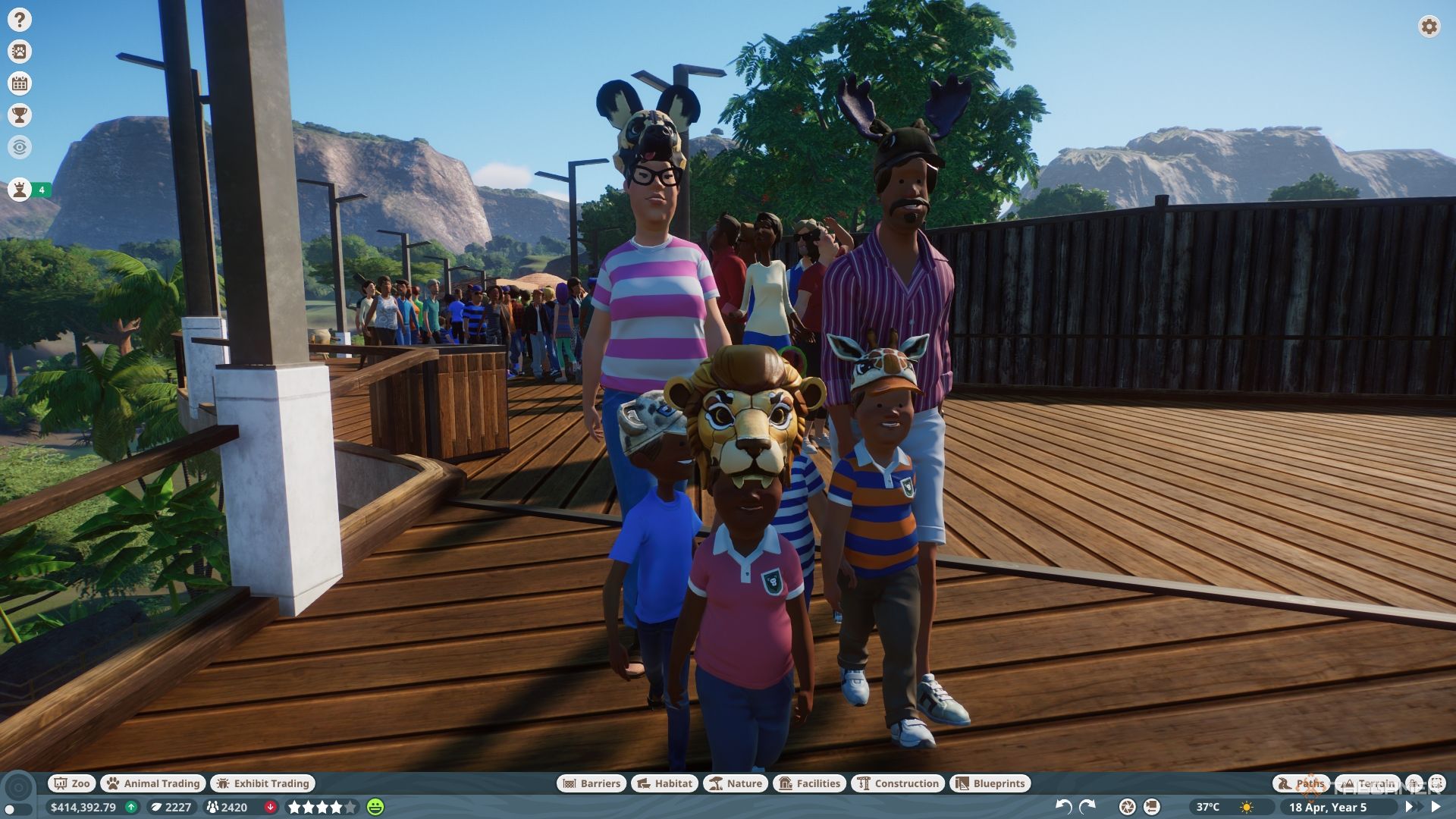
    A family of guests each wearing animal-themed hats.

    In addition to dining options, guests enjoy purchasing souvenirs and gifts. Setting up gift shops that offer fun items like animal-themed hats can provide a significant boost to your finances.

    These sales contribute to your revenue, increasing the overall earnings of your zoo while adding joy for your guests. Providing a range of gift options can enhance their experience and encourage them to contribute more financially.

    Releasing Animals Into The Wild

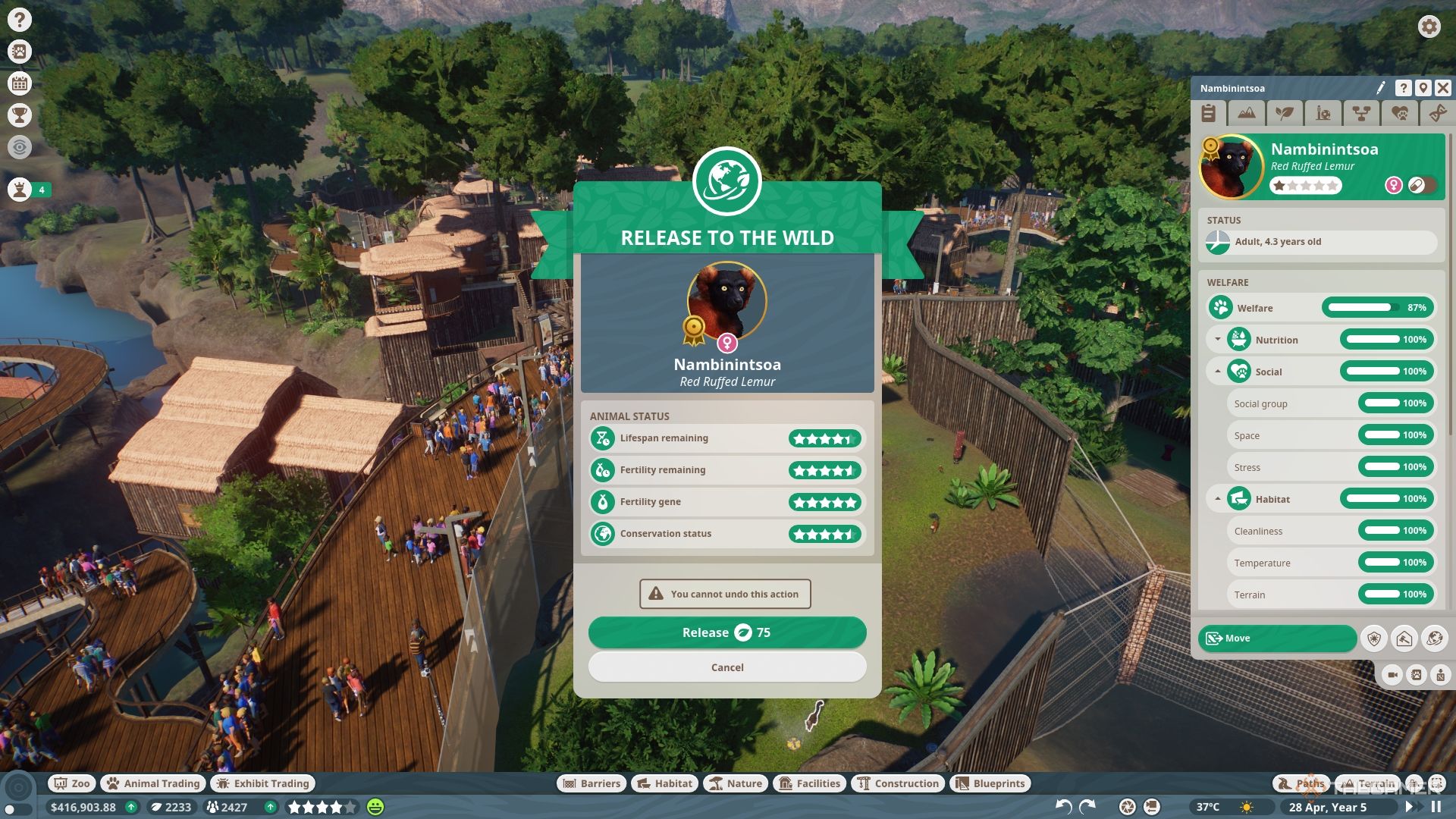
    Releasing a red ruffed lemur into the wild.

    While you won’t gain immediate funds from it, releasing animals into their natural habitats can earn you conservation credits. These credits can be exchanged for new animals for your exhibits, which will attract more visitors and create additional income for your zoo.

    This action also enhances your conservation rating, boosting your overall zoo reputation. Guests are more inclined to spend money in a well-respected zoo that prioritizes animal welfare and conservation efforts.

    Donation Boxes

    A donation box next to a Mandrill education board.

    One of the most effective ways to increase your income is by placing donation boxes near popular exhibits. While these boxes can be positioned anywhere, placing them in high-traffic areas will maximize contributions.

    Consider situating donation boxes near viewing areas and spots where animals frequently gather. When guests can witness the animals enjoying their habitat, they are more likely to contribute. Adding educational materials nearby can also engage guests and encourage donations.