Tag: Pixel

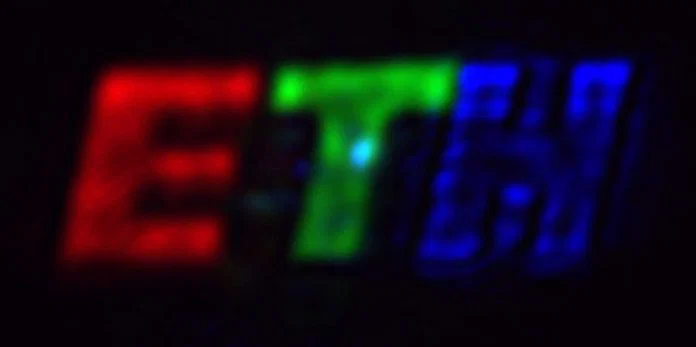
  • Scientists Develop Dual-Function Pixel as Camera and Display

    Scientists Develop Dual-Function Pixel as Camera and Display

    Pixels are fundamental components of modern technology. They form the images displayed on TVs, smartphones, and computer screens, and are essential for digital cameras to capture photographs by sensing incoming light. Historically, a pixel could only serve one function—either producing light for display or detecting light for image capture, but not both simultaneously.

    Now, researchers at ETH Zurich have pioneered a groundbreaking type of pixel capable of performing both functions. This advancement could someday enable devices that function as both cameras and displays simultaneously. Instead of separate screen layers and camera sensors, future gadgets like smartphones, tablets, or wearable tech might integrate these capabilities into a single, unified layer.

    The innovative technology is rooted in the natural behavior of light, known as interference. Light waves travel in oscillating patterns, and when different waves intersect, their interaction depends on their alignment. If the peaks and troughs align, the waves reinforce each other; if out of sync, they diminish each other. This phenomenon creates colorful patterns we see in nature, such as soap bubbles and oil slicks.

    The ETH Zurich team mastered control over this interference with extraordinary precision. They crafted tiny, wave-shaped structures on each pixel’s surface, accurate to only a few nanometers—billionths of a meter. When light enters these specially designed pixels, it first transforms into a surface-bound wave, then reverts back to normal light. Thanks to the precise surface patterns, the researchers can dictate exactly how the light behaves as it exits.

    Unlike traditional pixels, these “Fourier pixels” can modulate not only the intensity of light but also other key properties. One of these is polarization—the direction in which a light wave vibrates—which is widely used in sunglasses, camera filters, and advanced communication systems. The new pixels can both generate and detect various polarization states.

    They can also manipulate the phase of light, determining the position within its repetitive cycle. Controlling phase enables the creation of unique light shapes, such as doughnut-shaped beams with a dark central hole, useful in scientific and technological applications. Furthermore, these pixels are compatible with multiple colors, allowing for the generation of full-color images.

    Interestingly, the same pixels can operate in reverse. Instead of shaping outgoing light, they can analyze incoming light by measuring its brightness, phase, and polarization. They achieve this by comparing reflected or transmitted light with a reference wave, then interpreting the interference pattern to extract the light’s properties. Due to their sophisticated design and the application of Fourier analysis—which transforms complex data into understandable components—they can perform these calculations internally, without needing external computers.

    The researchers see wide-ranging potential for this technology, including applications in display screens, digital imaging, fiber-optic communication, medical diagnostics, and scientific research instruments. Their next objective is to develop large arrays of these intelligent pixels. If successful, this could lead to compact devices capable of both capturing and displaying images in a single integrated system, opening new frontiers in consumer electronics and optical innovation.

  • Google Pixel 10 Nails the MagSafe Trick with Style

    Google Pixel 10 Nails the MagSafe Trick with Style

    Google has revealed its new Pixel 10 series smartphones, showcasing notable upgrades such as faster processors, improved cameras, and a suite of advanced AI features. However, the standout feature is the next-generation wireless charging system, which aims to bring an Apple MagSafe-like experience to Android devices for the first time.

    ### What’s Changing?

    Earlier this year, a new wireless charging standard called Qi2 was introduced, promising quicker charging speeds and incorporating built-in magnets within both the phone and the charger. This magnet system ensures a strong hold, aligning the devices perfectly for consistent wireless power transfer.

    So far, no major Android manufacturer has released phones that fully support Qi2 natively—except for HMD Skyline. The situation has been somewhat inconsistent. Samsung’s latest Galaxy S25 series phones are compatible with Qi2 but require a magnetic case to use the feature. Apple has been offering a similar magnetic charging experience under the MagSafe brand for several years.

    With the Pixel 10 series, Google is fully embracing the Qi2 standard. These phones have magnets embedded beneath the glass back, facilitating secure magnetic contact. The company is branding this ecosystem as Pixelsnap, which includes a charging puck, stand, protective cases, and a minimalistic round kickstand.

    ### Why is this Important?

    Thanks to Qi2 support, wireless charging speeds are now up to 15W, and that’s achievable with any certified Qi2 charger available in the market. There’s already a growing ecosystem of third-party accessories compatible with Qi2, meaning you’re no longer limited to Google’s own lineup.

    What’s particularly exciting is that the Pixel 10 Pro XL supports rapid 25W wireless charging via Qi2.2, with compatible chargers available from brands like Belkin and Anker. To reach optimal charging speeds, it’s recommended to use at least a 20W power adapter for 15W charging, and a minimum of a 35W USB-C power brick for the full 25W top-up on the Pixel 10 Pro XL.

    Overall, Google’s commitment to Qi2 compatibility ensures that all Pixel 10 series phones can take full advantage of the improved wireless charging speeds and convenience, whether you’re using a protective case or going without one. This move broadens the ecosystem, giving users more options and flexibility in how they charge their devices.

  • How To Watch the Pixel 10 Launch at Today’s Made by Google Event

    How To Watch the Pixel 10 Launch at Today’s Made by Google Event

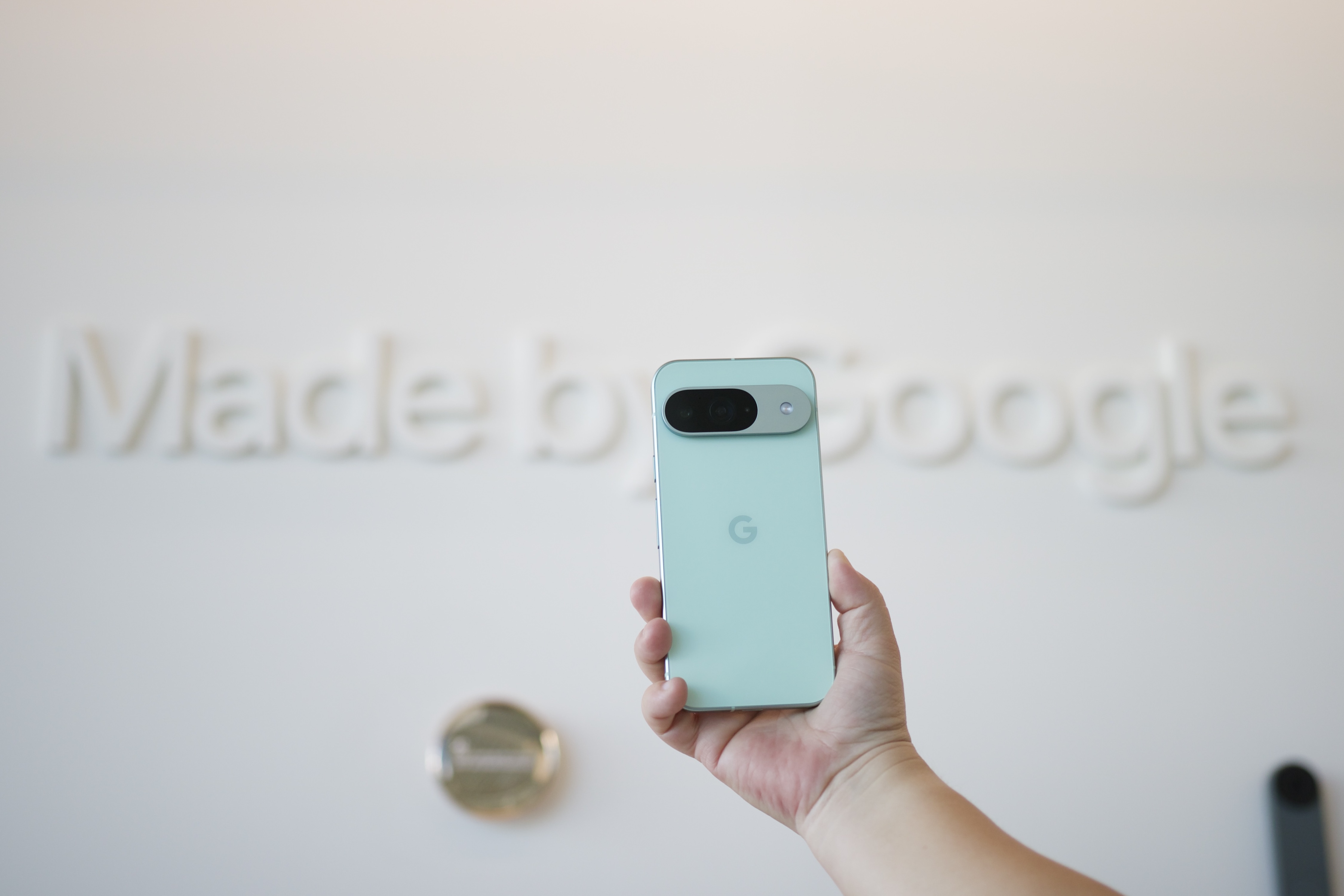
    Today marks the official announcement of the Google Pixel 10 series during a special keynote event in New York City, and you can catch the livestream of the Made by Google event live.

    This promises to be a blockbuster event, with anticipated reveals including four new phones, the Pixel Watch 4, and the latest Pixel Buds. If you’re a Pixel enthusiast, this is the launch you’ve been eagerly awaiting.

    ### When Is the Pixel 10 Launch Event?

    The event takes place today, August 20, beginning at 1 p.m. Eastern Time (10 a.m. Pacific Time).

    Although the event is held in person in New York City, access is by invitation only, so arriving uninvited isn’t an option.

    However, the Digital Trends team has secured an invitation and will be reporting directly from the event, so stay tuned to our live blog for all the latest updates on the Pixel 10 launch.

    ### How Can You Watch the Pixel 10 Event?

    The event will be live-streamed on YouTube, allowing anyone to tune in. A live stream link is provided, and the video player is embedded at the top of this article for easy access.

    While the main stream will be in English, Google will also stream in German, Spanish, and American Sign Language to accommodate a broader audience.

    The duration of the event has not been officially confirmed, but last year’s Pixel 9 launch stretched over an hour and 20 minutes. Given the expectation of an action-packed program, it’s a good idea to settle in with some snacks and a comfortable seat for what could be another lengthy session.

    ### What Can We Expect From the Pixel 10 Launch?

    Google has released teasers hinting at a lineup that includes not just multiple smartphones but also a new smartwatch and earbuds, as illustrated in the official trailer image. Here’s what the leaks and rumors suggest will be unveiled:

    #### Pixel 10 Series
    – Google Pixel 10
    – Google Pixel 10 Pro
    – Google Pixel 10 Pro XL
    – Google Pixel 10 Pro Fold

    #### Pixel Watch
    – Google Pixel Watch 4

    #### Pixel Buds
    – Pixel Buds 2a
    – Pixel Buds Pro 3

    With artificial intelligence being at the forefront of tech discussions, it’s expected that Google will likely highlight its Gemini AI project during the event.

    As you count down to today’s announcement, here are five key things we anticipate seeing at the Pixel 10 event.

  • How To Watch the Pixel 10 Launch at the Made by Google Event: Ultimate Guide

    How To Watch the Pixel 10 Launch at the Made by Google Event: Ultimate Guide

    The Google Pixel 10 series is scheduled to be unveiled on August 20, and the event can be viewed live by the public.

    This launch promises to be quite extensive, with four new smartphones expected to be introduced alongside the Pixel Watch 4 and the latest Pixel Buds.

    ### When is the Pixel 10 launch event?

    The “Made by Google” event will kick off at 1 p.m. Eastern Time (10 a.m. Pacific Time) on August 20.

    The event will take place in New York City; however, attendance is by invitation only, so you won’t be able to attend unless you’ve received an invite.

    Luckily, the Digital Trends team has secured an invitation and will be providing live coverage from the event. Be sure to follow our blog on August 20 for all the updates on the Pixel 10.

    ### How can I watch the Pixel 10 launch event?

    The launch will be streamed live on YouTube. A live stream link has been provided, making it easy for you to tune in.

    The main event will be in English, but Google will also offer streams in German, Spanish, and American Sign Language, ensuring accessibility for a broad audience.

    While Google hasn’t announced the exact duration of the event, last year’s Pixel 9 launch lasted about an hour and 20 minutes. Considering this year’s event is expected to be equally comprehensive, it’s a good idea to settle in with some snacks and a comfortable seat—you might be in for a lengthy session.

    ### What can we expect to be announced?

    Google has confirmed that we will see new smartphones, a watch, and earbuds during the event, as showcased in the company’s teaser image.

    Based on various leaks and rumors, here’s what’s anticipated:

    #### Pixel 10 Series
    – Pixel 10
    – Pixel 10 Pro
    – Pixel 10 Pro XL
    – Pixel 10 Pro Fold

    #### Pixel Watch
    – Pixel Watch 4

    #### Pixel Buds
    – Pixel Buds 4
    – Pixel Buds Pro 3

    With artificial intelligence being a major focus in tech discussions, we’re also expecting mentions of Google’s Gemini AI platform during the presentation.

    ### Key highlights to watch for at the Pixel 10 event:
    1. The latest Pixel phones offering innovative features
    2. The new Pixel Watch 4 with potential fitness and health enhancements
    3. Updated Pixel Buds with improved sound and connectivity
    4. AI advancements integrated into various devices
    5. Fresh design elements and hardware improvements

    Keep an eye out for these developments—there’s a lot to look forward to from Google’s upcoming product line!

  • Android 16 Adds Blind Fingerprint Unlock to Pixel Phones

    Google is making significant strides in the development of Android 16. With the recent release of a third beta update just over a week ago, the platform has reached a notable level of stability. While this build doesn’t introduce a lot of new features, it does come with an exciting addition.

    Pixel smartphone users can now unlock their devices even when the screen is completely off. This new “Screen-off Fingerprint Unlock” feature was first highlighted by the team at Android Authority. It can be found in the device’s Security & Privacy settings.

    Previously, users needed to wake the screen and then position their thumb over the fingerprint sensor icon on the Lock Screen. This could be done either by tapping on the screen or pressing the power button to activate it.

    Now, with the new unlock feature, users can simply place their thumb on the in-display fingerprint sensor without needing to turn on the screen first. This eliminates the inconvenience of having to wake the screen before unlocking.

    Off screen fingerprint unlock feature on a Pixel 8.
    Nadeem Sarwar / Digital Trends

    I successfully activated this feature after installing the Android 16 Beta 3.1 build, which includes the March 2025 security update, on a Pixel 8 smartphone. The feature is intuitive and operates seamlessly.

    However, it does require some practice to find the fingerprint sensor accurately on a dark screen. It’s important to note that Google is not the first to introduce this capability.

    I tested the same functionality on my OnePlus 13 and Samsung Galaxy S25 without having to wake up their screens, and it performed flawlessly on both devices. Both smartphones are currently running Android 15 and provide a quicker fingerprint unlocking experience than the Pixel 8, regardless of screen state.

    This screen-off unlock feature is still in beta, so there’s a possibility that Google could modify or postpone it before the stable version of Android 16 rolls out in the coming months.

    Currently, the only way to utilize this feature is by signing up for the Android 16 beta-testing program on a compatible Google Pixel smartphone. However, it might be wise to wait for a few weeks for the stable update for your Pixel device, avoiding the potential issues that can come with beta builds.

  • Is Your Google Pixel Display Acting Up? There’s A Solution

    Is Your Google Pixel Display Acting Up? There’s A Solution

    With the release of its March update for Pixel devices, Google introduced several new features, including pulse detection and scam identification. However, this update has also resulted in some frustrating bugs that users are starting to report. Many individuals on Reddit have shared their experiences of screen brightness fluctuating dramatically while viewing fullscreen videos, a problem they claim began with this latest update.

    This issue appears to be widespread, affecting a variety of models from the Pixel 6 through to the Pixel 9 Pro and beyond.

    Users are experiencing the problem across multiple applications such as Netflix, YouTube, Disney Plus, Prime Video, and MX Player. While attempting to identify the root of the issue, many checked display settings like Adaptive Brightness, but this adjustment did not improve the situation.

    Google News on a Pixel 9 Pro.
    Christine Romero-Chan / Digital Trends

    Besides affecting videos, some users have noted that their phone’s wallpaper appears to be more subdued and lacks vibrancy compared to the rest of the display.

    Despite the glitch, a temporary workaround has emerged. Disabling the Smooth Display feature can stabilize brightness fluctuations; however, this also limits the display’s refresh rate to 60Hz on devices that otherwise support 120Hz. It’s not the most desirable fix, but it at least allows for a more pleasant video-watching experience without the risk of eye strain.

    Google has yet to acknowledge the problem publicly, but with a growing number of users voicing their concerns, a quick hotfix might be on the horizon. We’ve reached out to Google for further details and will update the article once we receive more information.

  • Google Pixel 9a Price Leak Is Exciting After iPhone 16e

    Google Pixel 9a Price Leak Is Exciting After iPhone 16e

    We’re just weeks away from the debut of Google’s upcoming affordable smartphone, the Pixel 9a. If you’re wondering about the pricing, we have the details – and they’re sure to please those considering it against the newly unveiled Apple iPhone 16e.

    As reported by Android Headlines, the Pixel 9a will retail for $499 for the 128GB model and $599 for the 256GB variant. This pricing mirrors that of the Pixel 8a, which it is set to replace.

    In the U.K., the Pixel 9a will carry a price tag of 499 pounds for both the 128GB and 256GB versions.

    Here’s what we expect the pricing structure for the Pixel 9a to look like:

    Pricing for Google Pixel 9a.
    Screenshot Android Headlines

    Earlier this month, Apple unveiled its latest budget-friendly device, the iPhone 16e. The 128GB model begins at $599, while the 256GB option is priced at $699, and the 512GB version can be purchased for $899.

    It’s rumored that the Pixel 9a will include the Google Tensor G4 chip, aligning with other devices in the Pixel 9 lineup. The smartphone is anticipated to feature 8GB of RAM and a substantial 5,100mAh battery.

    In terms of aesthetics, the Pixel 9a is likely to be available in four colors: Porcelain, Obsidian, Peony, and Iris. The Peony shade is thought to resemble that of the Pixel 9, while Iris is expected to introduce a new bluish-purple hue.

    The display on the Pixel 9a may be slightly larger, potentially measuring 6.2 or 6.3 inches, while still supporting a refresh rate of 120Hz. The bezels might be a bit thicker compared to those on other models in the Pixel 9 collection.

    As we look forward to the launch, comparisons between the Pixel 9a and iPhone 16e will be intriguing, especially once we can thoroughly test the features of the new Pixel.

    The Google Pixel 9a is scheduled to be unveiled on March 19, with pre-orders opening the same day, and shipments expected to begin on March 26.

  • Google Now Provides Pixel Warranties Like Apple Care+

    Google Now Provides Pixel Warranties Like Apple Care+

    If you’re someone who often finds themselves dropping their Pixel phone, Google has introduced a new warranty option that may be of interest to you. The company is now offering a two-year Preferred Care plan for Pixel devices, available for a one-time payment, which was previously a monthly subscription exclusive to Fitbit products.

    This new warranty plan is applicable to the Pixel 7 and newer models, including the Pixel tablet and the Pixel Watch 2 and 3. Here’s a rundown of the pricing:

    • Pixel 7a: $99
    • Pixel 7: $149
    • Pixel 7 Pro: $199
    • Pixel 8a: $109
    • Pixel 8: $159
    • Pixel 8 Pro: $249
    • Pixel 9: $159
    • Pixel 9 Pro / 9 Pro XL: $249
    • Pixel 9 Pro Fold / Pixel Fold: $279
    • Pixel Watch 2 / Watch 3: $89
    • Pixel Tablet: $99

    Note that these prices apply only in the United States and may differ in countries such as the United Kingdom, Japan, and Canada.

    Google Pixel 9 Pro and Pixel 9 Pro XL in hand.
    Prakhar Khanna / Digital Trends

    While the upfront costs may seem steep, they typically offer better overall value compared to monthly payments. Take the Pixel 7a, for instance: a monthly fee of $5 would total $120 over two years, whereas a one-time payment costs only $99. Although this is just a $21 difference, the savings become more significant for higher-priced models.

    The Pixel 9 Pro Fold and Pixel Fold have a two-year warranty fee of $279, whereas paying monthly would sum up to $360 over the same period. Given that the starting price for these devices is $1,799, paying for the warranty seems like a sensible investment to safeguard against damage.

    Additionally, Google has switched its warranty service provider from Assurant to Asurion. It’s important to note that the new coverage will only apply to devices shipped on or after February 24, 2025. If you’ve already received your phone, Assurant will continue to manage your warranty.

    Keep in mind a few limitations: you can file up to two claims in a 12-month period, with each claim capped at a maximum reimbursement of $1,500. Also, repairs for cracked screens will incur a $29 fee, and replacement claims may involve receiving a refurbished device.

    Overall, while it’s great to have this new warranty option, it’s still advisable to handle your phone with care. Consider investing in a protective case to minimize potential damage.

  • Google Launches Gboard Voice Typing Toolbar Beta For Pixel

    Google Launches Gboard Voice Typing Toolbar Beta For Pixel

    A Google Pixel 5 user utilizing Gboard.
    Gboard on the Google Pixel 5 Andy Boxall / Digital Trends

    The Gboard Assistant Voice Typing toolbar is now being introduced to Google Pixel devices as part of its ongoing beta testing. As reported by Android Authority, this new feature is being tested in version 15.0 of the Gboard app on Pixel phones, following its implementation on the Pixel Tablet last year.

    This new Assistant Voice Typing feature appears as a toolbar situated above the keyboard, featuring a microphone icon, a backspace button, and various other controls like options to open or minimize the keyboard, change the language, and navigate between toolbar pages. By tapping the microphone on the far right of the toolbar, users can activate Assistant Voice Typing, prompting a “Speak Now” message to appear in the toolbar’s blank space. Hitting the microphone button again stops the voice typing session, displaying a “Paused” notification.

    One of the standout features of this toolbar is its flexibility: users can keep it at the bottom of their screen or drag it up to the right side to create more room for other tasks as needed. While voice typing is active, if users stop speaking, a set of buttons becomes available for interaction, and voice typing remains enabled until the keyboard is accessed again.

    The Assistant Voice Typing toolbar is currently exclusive to beta users with Google Pixel phones who have the Gboard app installed. It remains unclear when this feature will be rolled out to all Pixel devices or other Android smartphones, as well as iPhones.


  • Google Pixel 9a: What We Know So Far

    Google Pixel 9a: What We Know So Far


    Among the multitude of Android smartphones available today, Google's Pixel series is renowned for its excellence. Following the launch of the Pixel 9 series last August, speculation arises regarding the forthcoming budget-friendly Pixel 9a, which is typically released mid-cycle for the flagship models. Here’s what we know so far about the Pixel 9a, including its anticipated release date and rumored specifications.

    Google Pixel 9a: Possible Release Date

    Someone holding the Google Pixel 9.
    Joe Maring / Digital Trends

    While an official release date for the Google Pixel 9a hasn’t been confirmed, leaks are inevitable. Based on historical patterns, the A-series launches around late spring or early summer. For instance, the Pixel 6a debuted in July 2022, and the Pixel 7a released earlier in May 2023. Similarly, the Pixel 8a also hit the market in May, just before Google I/O. Recent reports suggest that the Pixel 9a could launch even earlier in 2025, with pre-orders potentially starting in mid-March. This trend might continue for the Pixel 10a in 2026.

    An earlier release aligns with Google's decision to unveil the Pixel 9 family in August 2024, deviating from their usual October schedule. If this pattern continues, it seems logical for the A-series to follow with a March launch.

    Google Pixel 9a: Price

    Google Pixel 8a in Aloe.
    Christine Romero-Chan / Digital Trends

    The pricing for the Google Pixel 9a will vary based on storage capacity, a common factor among smartphones. Reports indicate that the 128GB variant will retail for $499, while the 256GB option will be priced at $599. Notably, the starting price remains unchanged from the 128GB variant of the Pixel 8a, although the 256GB model reflects a $50 increase compared to the $549 price of the Pixel 8a.

    Despite the relatively modest price hike, some potential buyers might find the price for the Pixel 9a on the high side, even if justified by the additional features rather than just increased storage capacity.

    Google Pixel 9a: Design and Display

    Pixel 9a 5K render.
    Onleaks x Android Headlines

    After a notable redesign of the Pixel 9 series, we can expect similar upgrades with the Pixel 9a. Leaked visuals hint at the significant changes we can anticipate. The Pixel 9a features flat sides, a metallic frame, and rounded corners, reminiscent of its flagship counterparts. However, the camera setup stands out with a new design.

    Leaked Image of alleged Pixel 9a design candidate.
    HỘI GOOGLE PIXEL VIỆT NAM / Facebook

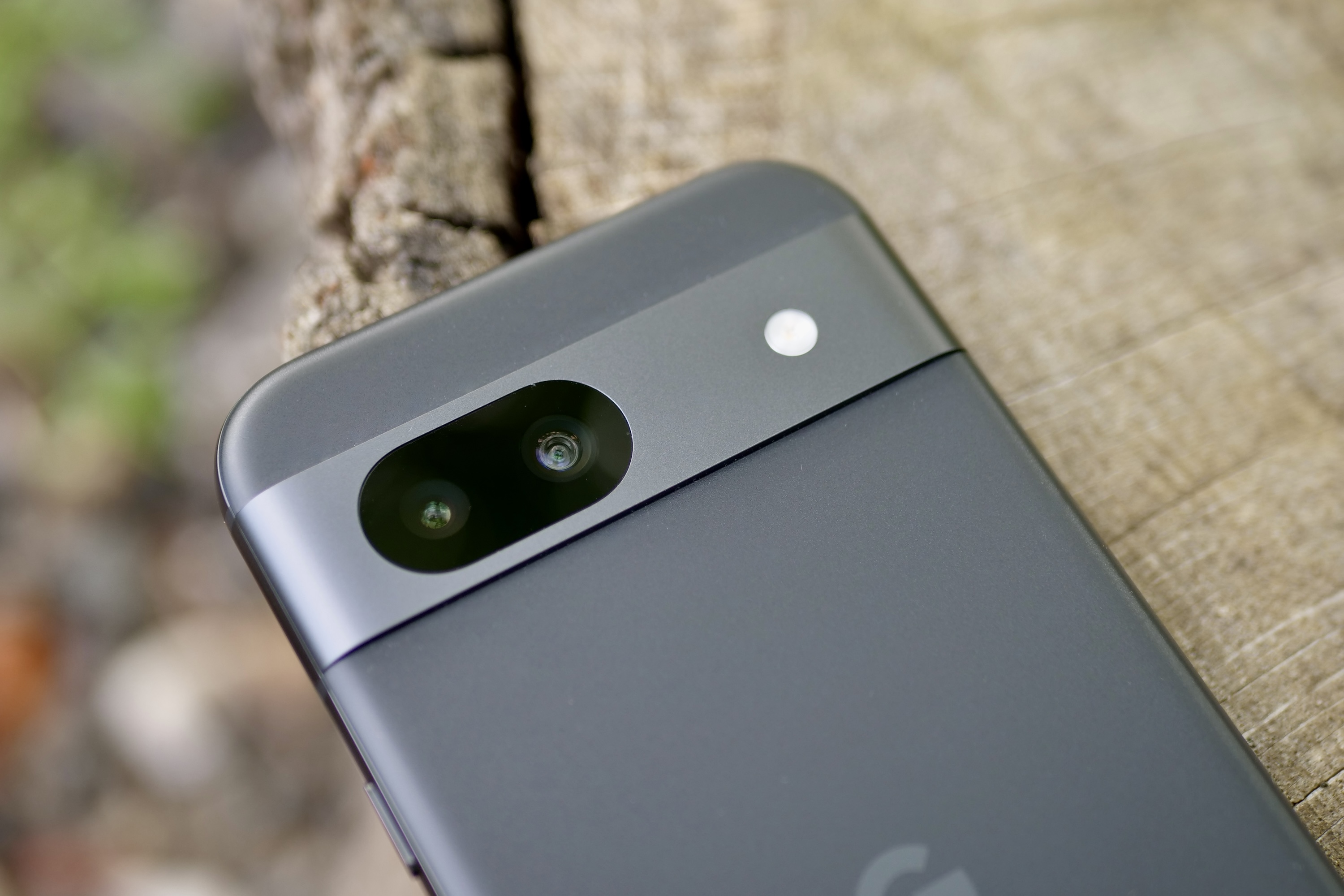
    The leaked images reveal a departure from the traditional camera bar known from earlier Pixel smartphones. Instead of a bulging camera visor, the Pixel 9a opts for a pill-shaped section for its dual camera lenses, which protrudes only slightly, sitting mostly flush against the back of the device.

    In terms of color options, the Pixel 9a is projected to offer four choices: Porcelain, Obsidian, Peony, and Iris. The Peony color is expected to resemble that of the Pixel 9, while Iris is rumored to be a new bluish-purple shade.

    The Pixel 9a is likely to feature a slightly larger display, measuring either 6.2 or 6.3 inches, with a consistent 120Hz refresh rate. The bezels may be marginally thicker compared to the other Pixel 9 models, but detailed specifications about the screen are still scarce.

    Google Pixel 9a: Performance and Software

    Pixel Weather app on the Google Pixel 9 Pro XL.
    Joe Maring / Digital Trends

    It is anticipated that the Pixel 9a will be equipped with the Google Tensor G4 chip, mirroring the rest of the Pixel 9 lineup. Major chipset updates are not expected until the Tensor G5, projected to debut with the Pixel 10 series.

    The Pixel 9a is likely to launch with Android 15 preinstalled, featuring at least 8GB of RAM, potentially more, and supporting several of Google’s Gemini AI capabilities. Storage options are expected to include at least 128GB and 256GB configurations.

    Moreover, the Pixel 9a will adhere to Google’s commitment to seven years of major software updates and security patches, along with Pixel Feature Drops.

    Google Pixel 9a: Cameras

    The Google Pixel 8a's camera visor.
    Google Pixel 8a Andy Boxall / Digital Trends

    While the Pixel 7a and 8a featured a 64MP main camera, it appears that the Pixel 9a will revert to a 48MP primary sensor, with the ultrawide remaining at 13MP. While this may seem like a reduction, it is believed that this camera may be the same sensor found in the Pixel 9 Pro Fold, promising excellent photo quality despite its lower megapixels. The selfie camera is also likely to maintain its 13MP resolution.

    Google Pixel 9a: Battery Life

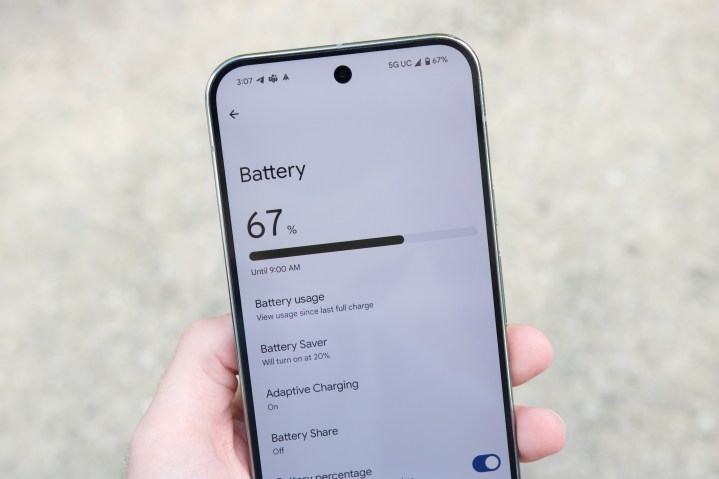
    Battery page on the Google Pixel 9 Pro XL.
    Joe Maring / Digital Trends

    Details regarding the Pixel 9a's battery life are still limited. Current rumors suggest it may come with a 5,100mAh battery, larger than the 5,060mAh in the Pixel 9 Pro XL and a step up from the 4,492mAh found in the Pixel 8a. Charging capabilities are expected to mirror those of the Pixel 8a, with 18-watt wired and 7.5W wireless charging options.


  • Is OnePlus better than Pixel?

    Is OnePlus better than Pixel?

    The smartphone market is a battlefield fiercely contested by various brands, each offering unique features and experiences. Among them, OnePlus and Google’s Pixel line stand out for their quality and innovation. A question often arises: Is OnePlus better than Pixel? This analysis will delve into various aspects of both brands to help you make an informed choice.
    Design and Build Quality

    OnePlus Design Elements

    • Premium Materials: OnePlus devices often boast a premium feel, using materials such as glass and aluminum.
    • Sleek Aesthetics: The designs lean towards modern and minimalist, with vibrant color options.

    Pixel Design Features

    • Distinctive Look: The Pixel series features a unique design, often characterized by a two-tone color scheme and a prominent camera bar.
    • Functional Ergonomics: Google focuses on usability, ensuring that devices are comfortable to hold and operate.

    Display Technology

    OnePlus Display Advantages

    • High Refresh Rate: Many OnePlus models come with 90Hz to 120Hz refresh rates, providing smoother scrolling and gaming experiences.
    • AMOLED Panels: The use of AMOLED technology ensures vibrant colors and deep blacks.

    Pixel Display Characteristics

    • Accurate Color Reproduction: Pixels are known for their natural color tones that appeal to photographers and content creators.
    • Adaptive Display Features: Google incorporates adaptive brightness and color profiles that adjust according to the ambient light.

    Camera Performance

    OnePlus Camera Capabilities

    • Versatile Camera Systems: OnePlus devices typically offer multiple lenses, including ultra-wide and macro cameras.
    • Strong Performance: While OnePlus cameras have improved, especially in recent models, they may not match Pixel’s exceptional low-light capabilities.

    Pixel Camera Excellence

    • Software Integration: The Pixel’s photo processing software is lauded for producing stunning images, particularly in low-light conditions.
    • AI Features: Google’s computational photography utilizes machine learning to enhance images beyond traditional hardware limits.

    Software Experience

    OnePlus Software

    • OxygenOS Advantage: OnePlus utilizes its OxygenOS, which is based on Android and known for its speed and customization options.
    • Regular Updates: OnePlus commits to timely software updates, although they may not match Google’s schedule.

    Pixel Software Benefits

    • Pure Android Experience: Pixels run stock Android, providing a clean and unmodified interface.
    • Fast Software Updates: Google provides timely updates and security patches directly to Pixel devices, ensuring the latest features and security.

    Battery Life and Charging

    OnePlus Battery Features

    • Fast Charging Technology: OnePlus is famous for its Warp Charge technology, allowing rapid charging times that can fully charge a phone in under an hour.
    • Good Battery Capacity: Most OnePlus smartphones tend to have larger battery capacities, ensuring exceptional battery life.

    Pixel Battery Capabilities

    • Adaptive Battery Management: Google’s Adaptive Battery can extend battery life by learning user habits and prioritizing power usage accordingly.
    • Moderate Charging Speed: While charging speed is decent, it typically doesn’t match OnePlus’s lightning-fast capabilities.

    Price and Value

    OnePlus Pricing

    • Affordable Flagships: OnePlus is known for offering flagship features at more competitive prices compared to other brands, including Google.
    • Diverse Range: A good variety of models across different price points caters to budget-conscious consumers.

    Pixel Pricing

    • Premium Pricing for Features: Pixels are often priced similarly to other flagship devices, reflecting their unique features and capabilities.
    • Value in Software Experience: The value is especially notable for users looking for the latest Android features and updates directly from Google.

    Ecosystem Integration

    OnePlus Ecosystem

    • Expanding Gadgets: OnePlus has been broadening its ecosystem, including wearables and smart home products, enhancing overall connectivity.
    • Compatibility: OnePlus devices generally offer good compatibility with other Android-based devices.

    Pixel Ecosystem

    • Google Services: Pixels seamlessly integrate with Google services, making the experience smoother for users already entrenched in the Google ecosystem.
    • Smart Home Compatibility: The Pixel also provides excellent compatibility with Google Home products and Nest devices.

    Conclusion

    Choosing between OnePlus and Pixel boils down to personal preferences and priorities. Both brands have their strengths and weaknesses across various categories, whether it’s photography, software experience, or pricing. By assessing your needs, you can find the device that fits you best in today’s competitive smartphone landscape.

  • Future Samsung Phones Could Take This Google Pixel Feature

    Future Samsung Phones Could Take This Google Pixel Feature

    There’s plenty of talk about the remarkable photo-taking abilities of our smartphones, but they also excel at video recording. However, it’s common for such footage to pick up unwanted background noise during filming.

    The Audio Magic Eraser is an impressive feature that uses artificial intelligence to remove unwanted sounds from videos. Although this tool is currently available only on Google Pixel 8 and later models, including the Google Pixel 9 Pro XL, there are indications that a similar tool may soon appear on Samsung devices.

    According to a leak from Ice Universe on Weibo, Samsung is developing an audio eraser feature for its Galaxy S24 series, which may be included in the forthcoming One UI 7 update. The leaker even shared a screenshot demonstrating the function in action.

    Image possibly showing an audio eraser tool from Samsung.
    Ice Universe

    Google’s Audio Magic Eraser employs sophisticated machine learning to identify and separate sounds, including speech, music, and ambient noise. This innovative technology allows users to selectively reduce or eliminate distracting sounds while keeping key audio intact. For instance, you can effectively lower the noise of a crowded venue or the wind in an outdoor video while maintaining clarity in conversations. The Audio Magic Eraser acts as a virtual sound engineer, enhancing your video productions to be more engaging and polished, resulting in videos with improved audio quality.

    From the leaked screenshot, it appears that Samsung’s version may provide comparable functionalities, including options to adjust the volume of voices, wind, and other background sounds. This tool could feature volume sliders, enabling users to fine-tune audio levels manually within their videos.

    Samsung has started rolling out the initial beta version of One UI 7, bringing Android 15 to compatible devices. The public rollout of this software is anticipated in the near future. However, the “next” version of One UI 7 mentioned by Ice Universe is not expected until later.

    When could this happen? It’s likely that Samsung will debut the newer iteration of One UI 7 alongside the upcoming Galaxy S25 series, which is speculated to be unveiled next month. If this occurs, any audio eraser features may be exclusive to the new devices. The Galaxy S25 lineup is expected to comprise the standard Galaxy S25, the Galaxy S25 Plus, and the Galaxy S25 Ultra.

    If this rumor holds true, it’s exciting news for Samsung users. Improvements in video recording features by major companies like Apple, Google, and Samsung are advantageous for both casual and professional videographers alike.

  • Google Readies Exciting New Feature for Pixel Recorder App

    Google Readies Exciting New Feature for Pixel Recorder App

    Smartphones are fantastic for voice recording, whether you need a quick voice memo or an interview capture. If you’re a Pixel phone user, you’ll find the Pixel Recorder app even more beneficial with the newly discovered "Clear Voice" feature from the latest update’s Android Package Kit (APK).

    The Clear Voice feature enables the Pixel Recorder app to minimize background noise while recording, allowing for clearer speech playback. In essence, it emphasizes human voices and filters out unwanted ambient sounds. This capability was highlighted by 9to5Google through code strings in version 4.2.20241001.701169069 of the Pixel Recorder app.

    Features of Clear Voice

    • Clear Voice: This function reduces background noise during recording for enhanced speech clarity.
    • Limitations: It only supports recordings via the internal microphone and requires mono audio; external microphones and stereo settings are not compatible.

    Moreover, even if you manage to sideload the latest version, the feature won’t be accessible right now. It relies on a server-side component that hasn’t been activated yet.

    The Pixel Recorder app has seen limited substantial enhancements this year. The most significant addition has been the Summarize function for longer transcripts, made possible by the Gemini Nano technology on the Google Pixel 9 lineup. There was also an update that made Pixel Recorder available on the Pixel Watch 3 and older devices, enabling users to record voice memos directly from their wrist.

    While it’s clear that Clear Voice is in the pipeline for release, its exact activation date remains uncertain. However, once it becomes available, it will undoubtedly enhance the overall functionality of the already impressive Recorder app. Keep an eye out for this exciting update!

  • Quick Phrases Sticking Around on Your Pixel You’re Not Alone

    Quick Phrases Sticking Around on Your Pixel You’re Not Alone

    Google Assistant stands out as one of the platform’s most impressive features. By simply saying, “Hey Google,” users can issue a myriad of voice commands. However, for those moments when a quicker response is needed, the Pixel 6 has introduced a feature known as Quick Phrases, which allows users to interact with incoming calls and alarms using brief commands.

    Unfortunately, issues have arisen for Pixel users. Reports indicate that the Quick Phrases bubble—a notification prompting responses such as “Stop” or “Snooze”—remains on the screen longer than intended. This problem has been noted by 9to5Google and is affecting both the stable release of Android 15 and the QPR1 beta version.

    The glitch extends beyond just Quick Phrases, impacting various other Google applications as well. Typically, this prompt should disappear once a command is given, but users are finding that it stubbornly stays visible on their devices.

    Sadly, the bug’s prevalence across multiple versions of Google apps suggests that the issue lies within the Google app itself. As a result, users may feel helpless, as a fix will require server-side adjustments by Google, making it entirely dependent on their response.

    The Google Pixel 9 Pro Fold's hinge.
    Andy Boxall / Digital Trends

    If you find yourself affected by this issue, there are a couple of workarounds to consider. The first is to restart your Pixel device; this method has worked for some users, although the problem has resurfaced for others. Alternatively, you could turn off Quick Phrases altogether, however, this may lead to added inconvenience since it removes a useful feature.

    While these solutions may provide temporary relief, there are no guarantees they will resolve the issue. The most effective course of action remains waiting for Google to implement an official fix. Given that users have been reporting this bug for several days, it’s likely that a corrective update is imminent.

  • Every Pixel Phone That Can Download Android 16 Developer Preview 1

    Every Pixel Phone That Can Download Android 16 Developer Preview 1

    Despite the recent release of Android 15, Google is already gearing up for Android 16, a move that comes earlier than usual. If you own a Pixel device from the last couple of years, you can access the first Developer Preview of Android 16 right now.

    As is customary, Google’s beta versions of Android are first available to the Pixel lineup. However, at the announcement of Android 16 earlier today, it wasn’t clear which Pixel models would be eligible for the Developer Preview. Google has now clarified which devices can participate, revealing a few unexpected entries.

    According to Google’s support documentation, the Pixel 6 and more recent models are set to receive Android 16. This update is particularly surprising as the Pixel 6 series was initially expected to receive guaranteed updates only up to Android 15, slated for October 2024. So, if you’re holding onto a Pixel 6, you can expect to keep it running for at least another year.

    Here’s the complete list of Pixel devices eligible for the Android 16 Developer Preview 1:

    • Pixel 9 Pro Fold
    • Pixel 9 Pro XL
    • Pixel 9 Pro
    • Pixel 9
    • Pixel 8 Pro
    • Pixel 8
    • Pixel 8a
    • Pixel 7 Pro
    • Pixel 7
    • Pixel 7a
    • Pixel 6 Pro
    • Pixel 6
    • Pixel 6a
    • Pixel Tablet
    • Pixel Fold

    This adds up to a total of 15 devices that can access this early beta version. Given that we didn’t anticipate any updates for the Pixel 6 series beyond Android 15, this comes as a delightful surprise.

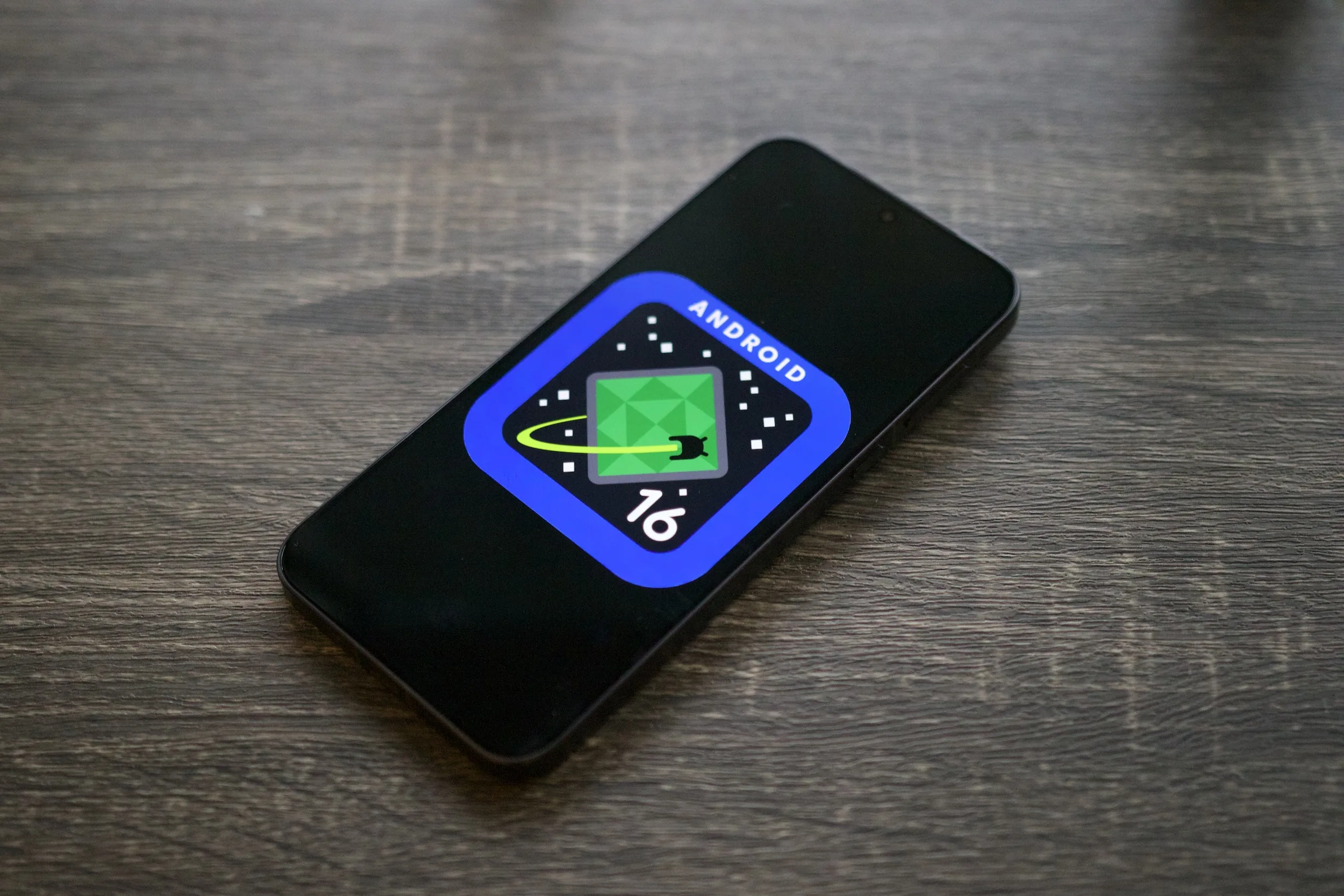
    The Android 16 logo on a smartphone resting on a shelf.
    Joe Maring / Digital Trends

    What can users expect from Android 16? Currently, there don’t seem to be any groundbreaking features. However, one significant update includes a new API for the Android photo picker, which is designed to feel more integrated with the apps that utilize it. While many third-party applications have relied on their own photo pickers, this new API aims to enhance security and potentially encourage developers to adopt it. Additional new APIs are also incorporated for managing health records via Health Connect.

    As for the early release schedule of Android 16, Google states that this approach will afford developers more time to prepare their applications for the upcoming Android version.

    Keep in mind that this is a very preliminary developer beta for Android 16, and it is not advised to download it unless you’re actively developing an app. Even then, it’s wise to install it on a secondary device rather than your main phone.

  • Google Pixel Weather App Adds Two New Features Here’s How

    Google Pixel Weather App Adds Two New Features Here’s How

    Lately, the Pixel Weather app has gained significant attention as Google enhances its user interface and adds new functionalities. Excitingly, two of the anticipated features—the Pollen count card and immersive vibrations—are now available for some users.

    With the introduction of “immersive weather vibrations,” the Pixel Weather app vibrates in sync with its animated backgrounds. The intensity of the vibrations corresponds to the level of precipitation, encompassing a variety of weather conditions, not just rainfall, as reported by 9to5Google. If this feature isn’t to your liking, you can easily turn it off in the account settings.

    The pollen count feature appears at the bottom of the interface and informs users about potential allergy triggers over the next three to five days, specifically detailing levels for grass, tree, and weed pollen. Currently, this feature is operational in France, Germany, Italy, and the U.K. However, Google has mentioned that it can be accessed from anywhere and will become more widely available in the future.

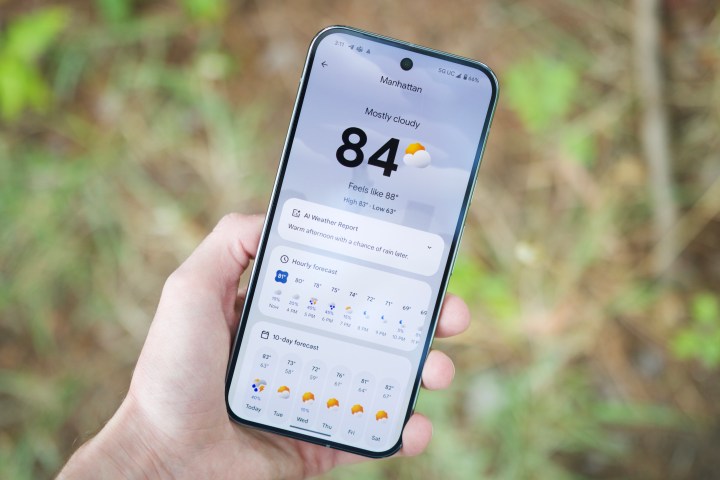
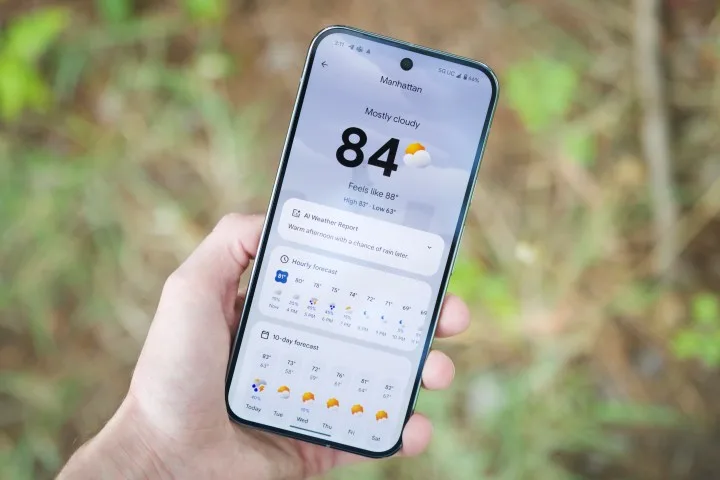
    Pixel Weather app on the Google Pixel 9 Pro XL.
    Joe Maring / Digital Trends

    Users have begun receiving the immersive vibrations and pollen count feature in recent days. If you haven’t spotted these options on your device yet, give it some time. The pollen count function may take a while to reach the U.S., especially since it is currently limited to EU countries and we are entering winter. It’s more likely that Google will roll it out in the states as spring approaches.

    Stay tuned for updates about the Pixel app. We’ll keep you posted when the pollen feature makes its way to the U.S.

  • Google Tensor Heating Issues Lead Pixel Phone Returns

    Google Tensor Heating Issues Lead Pixel Phone Returns

    Google’s Pixel phones have been a peculiar blend of excitement and exasperation in recent years. They boast remarkable camera quality and a streamlined software experience, but consumers have frequently reported issues with overheating and performance lags.

    It’s evident that Google is cognizant of these drawbacks, particularly the fact that many customers return their Pixel devices due to problematic heat generation. High temperatures can significantly hinder the user experience, especially during demanding tasks.

    Internal documents obtained by Android Authority reveal that 28% of negative customer feedback centers around overheating and associated complications. The Pixel team recognizes that the thermal thresholds of these devices tend to be higher than those of competing smartphones.

    Battery life is another frequently mentioned source of consumer disappointment. A chip that struggles with performance and thermal management can negatively impact battery efficiency.

    Overheating issues reported by Pixel users
    Reddit / Digital Trends

    From my personal experience with Google’s smartphones, particularly those equipped with the custom Tensor processors, overheating has been a consistent issue. Coupled with the disappointing battery life observed in the Pixel 8 series, it prompted me to seek alternatives.

    Google has based its Tensor chips on Samsung’s Exynos processors, which has resulted in some of the same performance challenges appearing in Pixel devices.

    When it comes to performance, thermal throttling is always a concern. In my recent evaluations, I found that the frame rates for Tensor processors often fell short compared to Qualcomm and Apple A-series chips. Furthermore, aggressive throttling frequently diminished peak performance significantly.

    While testing games like Diablo Immortal, I noticed that the phone’s temperature often exceeded 110 degrees Fahrenheit.

    Customer complaints regarding overheating issue on their Pixel phones.
    Reddit / Digital Trends

    A significant reason why Google’s Pixel phones have historically struggled with heat management is the lack of effective cooling technology. Unlike competitors that have implemented advanced solutions such as multi-layer heat dissipation and larger vapor chambers, Pixel phones have not made substantial improvements in this area.

    As a result, users often experience elevated temperatures, even during regular activities, leading to numerous accounts on Reddit and product forums from Pixel customers returning their phones due to overheating problems.

    On a brighter note, Google is reportedly moving away from relying on Samsung’s silicon division and is expected to adopt a strategy similar to that of Apple and Qualcomm. The aim is to collaborate with TSMC on superior process nodes, granting Google greater control over the design of future Tensor processors.