الوسم: Payments

  • Trump Admin Considers Payments to Influence Greenland Support

    Trump Admin Considers Payments to Influence Greenland Support

    Greenland’s national flag waves over Nuuk on February 5, 2025. — Reuters

    – Greenland and Denmark assert they are not for sale.
    – European leaders support Copenhagen and Nuuk in their stance.
    – Recent days have seen increased discussions at the White House regarding Greenland.

    U.S. officials reportedly debated offering lump sums to Greenlanders to persuade them to break away from Denmark and possibly join the United States. Four sources with knowledge of the matter indicate conversations ranged from $10,000 to $100,000 per individual, though specific figures and logistical details remain uncertain and are kept confidential.

    Paying residents directly could be perceived as an attempt to “buy” Greenland, a territory of Denmark with a population of about 57,000, despite official denials from Copenhagen and Nuuk that Greenland is for sale. This idea is one among several strategies being considered by the White House, which might also include military action. However, offering monetary incentives risks being viewed as overly transactional and disrespectful to a community where independence aspirations and economic ties to Denmark are ongoing debates.

    Greenland’s Prime Minister Jens-Frederik Nielsen dismissed such notions, stating on Facebook that “enough is enough” and rejecting any fantasies of annexation following comments from President Donald Trump about acquiring the island.

    European reactions have been strongly opposed to the idea. Leaders from France, Germany, Italy, Poland, Spain, the UK, and Denmark issued a joint statement emphasizing that only Greenland and Denmark can decide their future relations. The White House referred inquiries about potential purchase plans and payments to statements made by Press Secretary Karoline Leavitt and Secretary of State Marco Rubio. Rubio announced an upcoming meeting with Denmark’s foreign minister to discuss Greenland.

    The conversation around acquiring Greenland has been ongoing, with Trump advocating for it primarily due to its abundant mineral resources vital for military technology and its strategic geopolitical importance in the Western Hemisphere. Internal discussions intensified after U.S. forces captured Venezuelan leader Nicolás Maduro, fueling ideas to leverage Greenland’s strategic value.

    While payment discussions are not new, they have gained momentum recently, with some aides considering a figure as high as $100,000 per person—a sum nearing $6 billion total. The specifics of how such payments would be administered or what would be expected from Greenlanders remain unclear. The White House has floated the possibility of military intervention but prefers diplomatic solutions like purchase or other means of acquisition.

    One alternative being explored is establishing a Compact of Free Association (COFA) with Greenland, similar to agreements the U.S. has with Micronesia, the Marshall Islands, and Palau. This would involve the U.S. providing essential services, military protection, and duty-free trade in exchange for strategic military access. Greenland would need to pursue independence from Denmark for such a treaty. Polls show broad support for independence among Greenlanders, but many hesitate due to economic concerns and a reluctance to join the U.S.

    The future of Greenland remains a subject of intense international debate and internal deliberation, with multiple avenues and strategies under consideration.


  • FinTech LIVE: Chip Mahan & Andrea Reynolds Unplugged

    FinTech LIVE: Chip Mahan & Andrea Reynolds Unplugged

    What were some of the main topics you addressed on stage?

    CM: We focused on embedded finance and our collaboration with Swoop. A significant hurdle for many small businesses is accessing capital. Historically, banks reject over 80% of small business loan requests. By partnering with Swoop and integrating their services directly into Sage’s accounting software, we’re giving customers a comprehensive look at available funding options. This makes it easier for businesses to access cash and break through financial obstacles.

    AR: Absolutely. A major issue is that many customers are unsure of where to seek financing. By embedding Swoop into Sage’s platform, we’re meeting customers in their own environment – within their accounting software. It allows them to pinpoint their funding needs and find solutions effortlessly through embedded finance.

    For Swoop, this partnership is a game changer. It enhances the customer experience, provides real value to Sage users, and serves as a fantastic channel for customer acquisition. Aligning with a reputable brand like Sage is a remarkable way to foster growth, particularly for a fintech aiming to expand.

    Can you elaborate on Swoop’s virtual CFO and how the partnership with Sage supports that? 

    CM: The focus is on simplifying the process for users. Instead of having business owners waste hours researching loans or hunting down funding options, we deliver everything they need in one place. From cash flow forecasting to financing solutions, it’s all readily available through their Sage accounting software. Users don’t need to leave the platform.

    AR: For us, it’s about harnessing the power of accounting and financial data. When I apply for a loan, the first thing lenders typically request is my financial records. By collaborating with Sage – the top accounting software for small and medium-sized businesses – we’re addressing the issue at its core.

    This partnership didn’t happen overnight. When you’re a respected, global name like Sage, you have to carefully select your partners. Over the past two years, we’ve established a strong and successful relationship that truly benefits the customer.

    What are your main takeaways from FinTech LIVE?

    CM: This is my first experience at FinTech LIVE, and I was truly impressed. The turnout was fantastic, with standing room only, which I hadn’t anticipated given the option for virtual attendance. It’s incredible to see so many colleagues, clients, and fintech enthusiasts come together to share and collaborate on the future of our industry.

    AR: FinTech LIVE has been an extraordinary success. It’s not just about the number of attendees; the quality of discussions and debates is remarkable. We’re gaining insights into emerging trends and seeing how others are innovating in the sector. My key takeaway? The future of fintech looks exceptionally promising. Today’s conversations and opportunities are genuinely motivating.


    Check out the latest edition of FinTech Magazine and join the dialogue at our global conference series, FinTech LIVE. 

    Explore all our upcoming events and grab your tickets today.


    FinTech Magazine is part of the BizClik brand 

  • Mastercard Aims for Passwordless Payments to Enhance Security

    Mastercard Aims for Passwordless Payments to Enhance Security

    Integration of Real-Time Payments and Blockchain Technology

    The global payments industry is advancing at an astonishing pace. Real-time payment systems are now in operation in over 100 countries, with projections estimating that they will handle 575 billion transactions by 2028—representing 27% of all electronic payments worldwide.

    At the same time, blockchain technology is expanding beyond the realm of cryptocurrency, paving the way for innovative solutions in areas like capital markets and trade finance.

    This evolution has sparked an unprecedented level of collaboration between established financial institutions and companies focused on cryptocurrency, all aiming to develop more efficient payment systems.

    One of the most exciting prospects is the tokenization of assets through blockchain, which facilitates the digital transformation of a variety of financial activities across the industry.

    In brick-and-mortar retail, contactless payments have become commonplace, making up two-thirds of all in-person transactions on Mastercard’s network.

    Mastercard’s Tap on Phone technology has streamlined this shift, allowing everyday mobile devices to function as payment terminals, which minimizes the need for complicated setups—a significant advantage for small businesses and independent entrepreneurs.

  • Payabl. Experts Reveal 2025 Payment Trends: Innovations & Hurdles

    Payabl. Experts Reveal 2025 Payment Trends: Innovations & Hurdles

    “In 2025, artificial intelligence will firmly establish itself as a key player—not as a passing trend, but as a critical tool designed to enhance return on investment through applications such as fraud detection, personalized customer experiences, and improved operational efficiency,” states Ugne Buraciene, Group CEO at payabl.

    “While AI can fortify business defenses, it can also empower fraudsters. To stay ahead of the curve, companies will need more than just the latest tech.”

    The move towards instant payments brings both opportunities and obstacles. Over half of payment companies anticipate that instant payments will significantly impact the industry, but only about 25% feel the sector is ready for the SEPA Instant deadline set for January. (SEPA Instant allows for real-time transfers among European bank accounts.)

    Growth of Embedded Finance

    The possibilities for embedded finance are largely unexplored, especially beyond traditional payment methods.

    This sector is set to expand in retail and hospitality, where businesses are beginning to weave financial services into their offerings. The healthcare and construction industries are predicted to follow suit in 2025.

    Access to funding through embedded finance is emerging as a promising area of growth. Small businesses, which have often been sidelined by conventional lending practices, are increasingly seeking support from trustworthy digital platforms for financial solutions. This includes everything from short-term cash flow assistance to long-term funding for growth.

    For platforms that provide these services, embedded finance not only builds customer loyalty by addressing genuine needs but also acts as a significant revenue enhancer.

    The success of these initiatives hinges on how effectively financial services can be integrated into existing business workflows.

  • G+D ePayments CEO Envisions a Secure, Inclusive Payment Future

    G+D ePayments CEO Envisions a Secure, Inclusive Payment Future

    Collaborating with Mexican fintech companies has led to exciting progress in areas that have traditionally been overlooked. “New players in the market are leveraging advanced technologies to improve risk assessment by accessing better data,” Gabrielle explains.

    “Through these partnerships, I’ve encountered dedicated individuals who take pride in how their services contribute to the nation’s development. They are customizing credit profiles using a range of factors and adjusting card features to meet individual requirements.”

    Instant payment systems have proven to be effective tools for enhancing financial literacy, especially in fast-growing economies.

    “In India, these systems have emerged as a key resource for financial education, helping people learn to manage digital currency,” Gabrielle notes.

    “One of the challenges we face is transitioning from instant payments to credit options, utilizing payment histories for credit assessments. This is already taking place in India, and it adds significant value to instant payment systems because the financial knowledge gained allows individuals to access more sophisticated payment solutions without having to start from square one.”

  • Alipay+: Redefining Luxury Payments in 2025’s Innovation Landscape

    Alipay+: Redefining Luxury Payments in 2025’s Innovation Landscape

    The luxury retail industry is at a critical junction, evolving to meet the dynamic expectations of shoppers worldwide, especially those from Asia.

    With advancements in digital payment technologies, the blending of upscale retail and fintech is transforming the conventional luxury shopping journey.

    Redefining the Global Shopping Journey

    Alba Ruiz Laigle, the Head of Business Development for Europe at Alipay+, notes a notable change in how luxury brands connect with their international customers.

    “High-end consumers, particularly those traveling from abroad, are not only altering how luxury brands function but are also expanding the definition of what a premium shopping experience entails,” Alba shares.

    This shift is particularly clear in how luxury retailers modify their payment systems to cater to international visitors, a key audience for upscale brands.

    The emphasis has transitioned from simply processing payments to providing a comprehensive digital experience that aligns with the luxurious nature of retail.

    “For these travelers, shopping is more than just a transaction; it is a vital part of their vacation experience,” Alba explains. “They anticipate a smooth and effortless transaction, one that feels like a natural progression in the luxury shopping journey.”

  • HSBC and Dandelion Team Up for Next-Gen Cross-Border Payments

    HSBC and Dandelion Team Up for Next-Gen Cross-Border Payments

    This initiative holds particular importance for markets where conventional banking systems are still underdeveloped. Deepan highlights the ASEAN regions as primary beneficiaries, where Dandelion’s network facilitates dependable transactions in areas that have previously been neglected.

    Looking forward, HSBC and Dandelion are gearing up to include more currencies and payment gateways, such as digital wallets.

    Although retail payments are currently the primary focus, Deepan observes a growing interest from corporate clients who are eager for similar efficiencies in their business-to-business transactions.

    The strategy goes beyond standard transfers and includes features like loyalty-based foreign exchange rewards and rate alerts.

    Market analysts anticipate that this direct-to-local model may see widespread acceptance as banks strive to lessen their dependence on traditional correspondent banking ties.

    “Our goal is to create a comprehensive ecosystem for international clients. From multi-currency accounts and the opening of international accounts to portable credit histories and our global insights into FX and currencies, we aim to provide clients with a seamless and loyalty-focused experience that rewards their partnership with HSBC,” concludes Nadeesha.

  • Do Payment Method Gaps Hinder e-Commerce Checkout Success?

    Do Payment Method Gaps Hinder e-Commerce Checkout Success?

    In a recent study, payment service provider Ecommpay and the UK’s online retail organization IMRG have highlighted notable differences in e-commerce performance linked to how checkout processes and payment options are configured.

    The report on the retail sector reveals that UK e-commerce websites successfully convert 58% of checkout attempts into actual sales, showcasing distinct patterns based on the variety of implementations.

    Single-page checkouts achieve conversion rates of 61%, while their multi-page counterparts see a lower rate of 56%. Additionally, guest shoppers account for 59% of all orders but only convert at 52%, in contrast to a 64% conversion rate for registered users.

    Credit and debit cards play a crucial role in UK e-commerce, responsible for generating half of the total revenue, while alternative payment options, such as digital wallets and buy-now-pay-later services, make up the rest. The study highlights that 50% of retailers have not yet adopted localized payment options that allow customers to use region-specific methods.

    Furthermore, the findings reveal significant differences in completion rates depending on the payment options offered. Retailers providing four express checkout methods achieve a higher conversion rate of 67%, compared to just 54% for those with a single checkout option. Meanwhile, sites lacking express checkout options report a conversion rate of only 52%.

    Technical Hurdles to Successful Transactions

    One of the most striking insights from the report is its analysis of abandonment behavior, which indicates that shoppers tend to abandon the checkout process after completing 90% of the necessary steps, suggesting that issues often arise during the payment phase.

    Retailers have noted that limited functionality hampers their ability to introduce new payment methods or adjust checkout flows. Additionally, performance-related issues, such as slow load times and system instability, further complicate the completion of transactions.

    The study also points out gaps in the integration of digital wallets like Google Pay and Apple Pay, which limits retailers’ effectiveness in processing mobile payments.

  • U.S. Dollar Accounts for 49.1% of SWIFT Payments

    U.S. Dollar Accounts for 49.1% of SWIFT Payments

    The U.S. Dollar’s Dominance in Global Payments

    Understanding SWIFT: A Global Payment Network

    The Society for Worldwide Interbank Financial Telecommunication (SWIFT) serves as a backbone for international banking, facilitating secure communications between banks across borders. This intricate web is essential for banks and financial institutions to send money to each other efficiently and accurately. Each message transmitted through SWIFT is akin to a digital telegram detailing crucial financial information, making it indispensable for modern international trade.

    The Impact of Sanctions on Russia

    In response to Russia’s actions following the invasion of Ukraine in February 2022, a significant number of Russian banks faced expulsion from the SWIFT network. This exclusion was a part of broader international sanctions aimed at curtailing Russia’s ability to engage in global trade. Consequently, the ban imposed severe limitations on Russia’s financial transactions, complicating cross-border payments and trade operations. While these sanctions made international trade more difficult for Russia, they did not fully eliminate its ability to engage in these activities.

    The U.S. Dollar: A Leading Currency in SWIFT Transactions

    Statistics indicate the U.S. dollar’s overwhelming dominance in the SWIFT payment network. As of August 2024, the dollar accounted for 49.1% of all transactions facilitated by SWIFT. This figure starkly contrasts with other currencies, where the euro held a 21.6% share, followed by the British pound at 6.5% and the Chinese yuan at 4.7%. Notably, if payments made solely within the Eurozone are excluded, the dollar’s influence rises to approximately 60%, reinforcing its status as the de facto global currency.

    The Implications of Dollar Dominance

    The staggering prevalence of the U.S. dollar in the global payment ecosystem highlights its role as an almost singular force in international trade. This situation creates opportunities for U.S. economic leverage, as the nation can exert significant influence over global financial systems. It also raises concerns among nations such as Russia and other U.S. adversaries, prompting discussions around creating alternatives to U.S.-centric financial systems.

    Russia’s Push for Alternatives in Payment Systems

    At the recent BRICS summit in Kazan, a key topic was Russia’s proposal for an alternative international payment platform. The intent of this initiative is to create a more independent financial ecosystem that lessens reliance on the U.S. dollar. Such a move aims to offer countries, especially those facing sanctions, a safer avenue for international transactions.

    Proposed New Payment Networks

    Russia’s strategy involves establishing a network of commercial banks interconnected through the central banks of BRICS member states (Brazil, Russia, India, China, and South Africa). The proposed system would facilitate token-based cross-border payments in local currencies, ultimately aiming to decrease the necessity for dollar transactions. This initiative could potentially reduce the transactional costs associated with settling international payments, providing an avenue for these countries to bolster economic cooperation and financial autonomy.

    The Future of Global Payments

    The ongoing discussions at the BRICS summit signify a pivotal moment in the evolution of international payment systems. The desire among member states to diminish the prominence of the U.S. dollar could reshape the landscape of global finance. By leveraging their combined economic strength, the BRICS nations aim to develop alternative systems that enhance their strategic financial capabilities.

    Challenges Ahead

    Despite these aspirations, the implementation of an alternative payment system will face substantial hurdles. Factors such as varying levels of economic stability, currency convertibility, and political willingness among member states will play crucial roles in determining the feasibility and success of such an initiative.

    As the world observes these developments, the ongoing tension between established financial frameworks dominated by the U.S. dollar and emerging systems highlights a critical juncture in global economic history. The dynamics of international trade and finance are on the brink of potential transformation, with consequences that could resonate far beyond the immediate interests of the BRICS nations.

  • Ripple Transforms Global Payments Using Blockchain Innovation

    Ripple Transforms Global Payments Using Blockchain Innovation

    Blockchain technology is picking up steam in the financial technology (fintech) sector, particularly in the area of international payments. Cross-border transactions are becoming a prominent application of this innovative technology.

    In its latest report, Ripple—a leader in digital asset infrastructure for financial institutions—delves into Ripple Payments, a blockchain-based solution designed to tackle the hurdles associated with global transactions.

    The worldwide payments landscape is swiftly transforming, with increasing demand for instantaneous cross-border services. Yet, many providers face challenges in streamlining their services due to the disjointed nature of the correspondent banking system.

    Blockchain Solutions for Global Transactions

    Ripple Payments harnesses blockchain technology to facilitate near-instant settlement of international transactions. With over ten years of strategic partnerships, the system minimizes the number of counterparties involved, which can lead to reduced costs.

    Brad Garlinghouse, CEO of Ripple, remarked, “Blockchain is making headway across various sectors, but its most impactful application is in cross-border payments. Companies are looking for global payment solutions that enable instant settlement, and blockchain can help achieve that.”

    This solution aims to provide around-the-clock access to cross-border payments, including during weekends and holidays, which could set it apart in the financial services sector where traditional banks often have limited hours for transactions.

    Ripple Payments utilizes the XRP Ledger along with its native cryptocurrency, XRP. This was specifically created to facilitate quick, cost-effective, and scalable transactions, serving as the foundation for the company’s payment, custody, and stablecoin solutions.

    Broadening Market Reach and Gaining a Competitive Edge

    For fintech companies aiming to expand their global footprint, setting up payment systems in foreign markets can require significant resources. Ripple Payments simplifies this process by offering a single API integration, which may cut down on the time and investment needed for entering new markets.

    The system provides access to local payout networks in more than 80 countries, complete with pre-negotiated exchange rates. This capability can help fintechs offer competitive pricing to their clients while also benefiting their own profit margins.

    Marcus Treacher, Senior Vice President of Customer Success at Ripple, explains, “With Ripple Payments, fintechs can connect to a global payments network and enhance their market presence through a single API. This alleviates the need to pour time, capital, and other resources into setting up and managing foreign accounts.”

    The solution also aims to free up capital that is often tied up in pre-funded bank accounts, enabling fintechs to reallocate those funds for other business investments.

  • Zūm Rails and Fiserv Unite to Embed Finance for US Firms

    Zūm Rails and Fiserv Unite to Embed Finance for US Firms

    Zūm Rails, a fintech company based in Canada that offers open banking and instant payment solutions through a single platform, has formed a partnership with Fiserv.

    This collaboration is aimed at empowering businesses in the United States to provide embedded finance services directly to their customers.

    Enhancing Embedded Finance Services

    Through this partnership, Zūm Rails will leverage Fiserv’s embedded finance technology, making Fiserv the main transaction processor for Zūm Rails’ payment gateway.

    This integration will allow companies—ranging from large corporations to small and medium-sized enterprises (SMEs)—to execute various financial tasks without depending on traditional banks or outside service providers.

    These functions encompass managing accounts payable and receivable, onboarding merchants, generating reports, conducting reconciliations, and implementing fraud prevention measures.

    Among the initial users of this solution are Homebase, a real estate platform, and Passive, a property management software.

    The embedded finance sector, presently valued at $84 billion, offers substantial potential for businesses across diverse fields, although the significant entry barriers have kept many from entering this domain.

    This is largely due to the historical challenge of needing to collaborate with multiple vendors to develop entirely new integrations for each additional service.

    According to Sunil Sachdev, Fiserv’s Head of Embedded Finance, “As businesses seek innovative ways to enhance and solidify their relationships with customers, there is an increasing interest in embedding financial services directly within software platforms.”

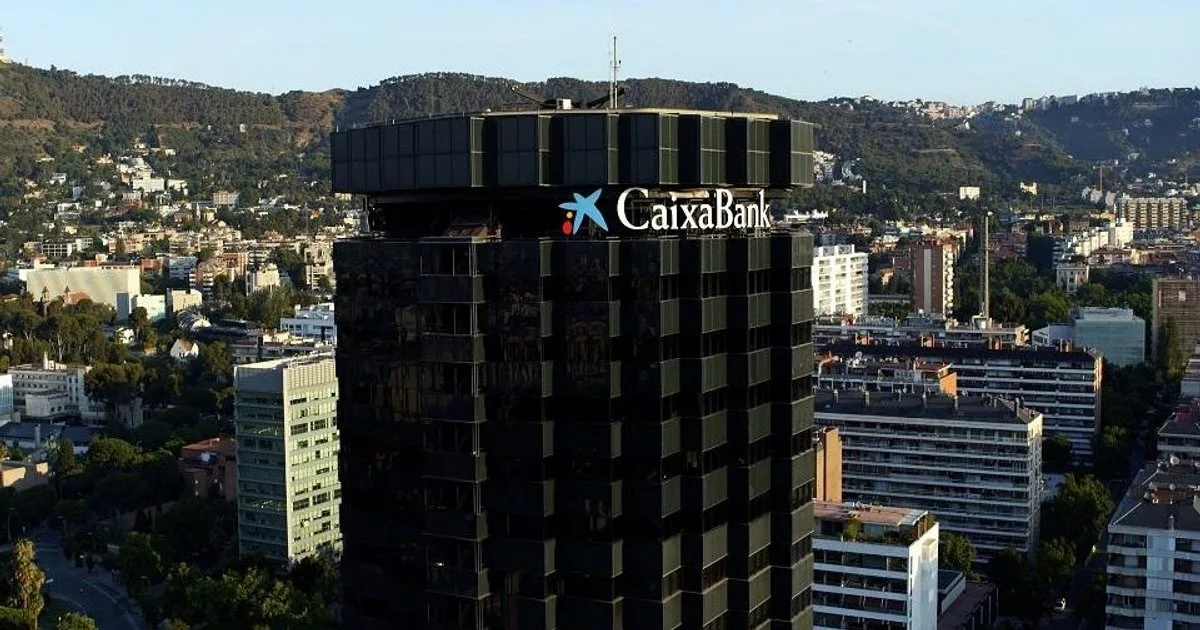
  • CaixaBank Partners with BIS Agorá to Transform Global Payments

    CaixaBank Partners with BIS Agorá to Transform Global Payments

    CaixaBank, ranked as Spain’s third-largest bank by market capitalization, has been chosen to take part in a worldwide effort aimed at revolutionizing international payment systems through the use of tokenization and smart contracts.

    This initiative, known as Agorá, is spearheaded by the Bank for International Settlements (BIS) in collaboration with the Institute of International Finance (IIF).

    The project brings together central banks and private sector companies to investigate how tokenization—the digital representation of assets on programmable platforms—can improve wholesale cross-border payment processes.

    Agorá, derived from the Greek term for “marketplace,” involves seven central banks and selected private sector participants exploring ways to enhance wholesale cross-border transactions through tokenization. The focus lies on integrating tokenized deposits from commercial banks with tokenized wholesale central bank currency on a programmable financial platform.

    Exploring Tokenization and Smart Contracts

    Within the Agorá initiative, researchers will examine how to combine tokenized commercial bank deposits with tokenized wholesale central bank funds on a collaborative, programmable core financial platform. This strategy aims to potentially streamline the monetary framework while preserving its dual-tier system.

    The project addresses numerous inefficiencies present in current payment mechanisms, particularly concerning cross-border dealings. Key issues include differences in legal and regulatory standards, operational hours, and time zone challenges across various jurisdictions.

    Additionally, the project plans to evaluate financial integrity measures, including anti-money laundering (AML) protocols and customer verification systems. At present, these safeguards are often redundantly applied multiple times for a single transaction, influenced by the number of intermediaries involved.

    This collaboration between the public and private sectors aspires to rectify several fundamental inefficiencies plaguing the global payment ecosystem. These include inconsistent legal and regulatory frameworks, diverging operational schedules due to time zone differences, and the complexities associated with maintaining financial integrity, such as AML regulations and customer verification measures.

    Participating in the venture are seven central banks: the Bank of France (representing the Eurosystem), the Bank of Japan, the Bank of Korea, the Bank of Mexico, the Swiss National Bank, the Bank of England, and the Federal Reserve Bank of New York. The IIF will serve as the coordinator for private sector involvement.

  • How To Pay Through Alexa For Fuel At Exxon Mobil Pumps

    Alexa, pay for gas: Amazon’s Alexa partners with Exxon Mobil which allows you use Alexa for Fuel payment just by using voice commands.

    (المزيد…)