الوسم: passenger

  • Search Ongoing for Missing Crew After Bulk Carrier Sinks off India

    Search Ongoing for Missing Crew After Bulk Carrier Sinks off India

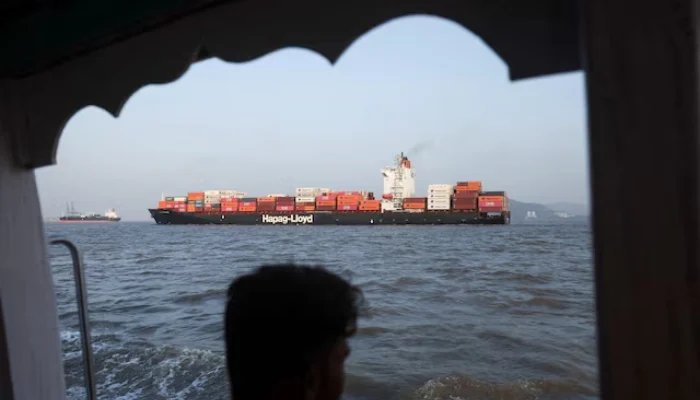
    A man observes a container ship in the Arabian Sea off the coast of Mumbai, India, on May 6, 2026. — Reuters

    – The ship sank approximately 240 nautical miles from Paradip port.
    – The Panama-flagged cargo vessel went down in just eight minutes.
    – Rescued Chinese crew members report that the vessel began listing on Friday before sinking swiftly, leading the crew to abandon ship.

    India’s Coast Guard and Navy are continuing search-and-rescue efforts off the eastern coast following the sinking of a Panama-flagged cargo ship carrying 24 crew members. Two Chinese nationals have been rescued so far, according to a senior official.

    The two rescued Chinese seafarers mentioned that the ship developed a list on Friday and sank within eight minutes, which compelled the crew to evacuate quickly, said Shyam Jagannathan, director general of India’s Maritime Administration.

    Jagannathan noted that the chances of locating survivors decrease significantly after 12 hours but emphasized that rescue operations are ongoing.

    Twenty-two crew members are still missing from the Ocean Winner. The missing include 18 Chinese nationals, three from Myanmar, and one from Bangladesh, according to the Indian Coast Guard.

    The Indian Navy is coordinating closely with the Coast Guard to find the remaining crew members. A Navy spokesperson stated that two vessels have been dispatched from Sri Vijaya Puram (formerly Port Blair) for rescue efforts.

    The Ocean Winner was transporting iron ore destined for China after departing from India’s eastern Paradip port on Friday, based on initial reports from India’s Maritime Administration.

    The ship sank roughly 240 nautical miles from Paradip, as per government sources.

    The cause of the sinking remains unknown at this time.

  • Dubai’s 2025 Lost-and-Found Stats Highlight Pakistani Taxi Drivers and More

    Dubai’s 2025 Lost-and-Found Stats Highlight Pakistani Taxi Drivers and More

    Last year, Dubai’s Roads and Transport Authority (RTA) recovered over AED 2 million (roughly Rs 152.4 million) in cash, about 35,000 electronic devices, and 3,000 passports from taxis operating in the city. This was part of their response to more than 104,000 lost property reports submitted across Dubai.

    The RTA’s Lost and Found team at the Call Centre handles these reports, working in close coordination with taxi companies and drivers to track down and return belongings left behind. Their system verifies trip details, monitors vehicle movements, and communicates directly with drivers to locate missing items. Most belongings are returned and owners contacted within just two hours after a report is made.

    Some of the most frequently recovered items include:
    – Cash exceeding AED 2 million (Rs 152.4 million)
    – 35,000 smartphones, laptops, and tablets
    – 3,000 passports and official documents
    – Jewelry and other high-value personal items

    The Call Centre offers assistance in multiple languages, including Arabic, English, Urdu, Hindi, Filipino, French, Chinese, and Russian. This multilingual support ensures accessibility for Dubai’s diverse community, including the sizable Pakistani driver workforce within the taxi sector.

    Many taxi drivers, notably from Pakistan, have shown exceptional honesty by promptly surrendering lost items, helping ensure their safe return to owners. Pakistani drivers, who comprise a large part of Dubai’s taxi drivers, are widely regarded as some of the most trustworthy and cooperative, backed by positive passenger experiences and industry feedback.

  • Abu Dhabi Airport Offers Free SIM Cards and Wi-Fi to Arrivals

    Abu Dhabi Airport Offers Free SIM Cards and Wi-Fi to Arrivals

    ABU DHABI: Abu Dhabi’s new Zayed International Airport now offers all arriving international travelers a complimentary SIM card and internet access. Each visitor gets a free SIM loaded with 10GB of data, valid for 24 hours, so they can immediately connect to crucial services after landing.

    Officials say this initiative will enable travelers to navigate using maps, hail taxis, make payments, message, and explore Abu Dhabi’s travel resources without delays. Zayed International Airport is rapidly expanding, serving airlines from over 30 countries, including Pakistan, with direct flights to more than 100 global destinations. By September, the airport’s new terminal has managed nearly 24 million passengers this year.

  • 25% Tariff Shock: Global Carmakers Face Major Stock Falls

    25% Tariff Shock: Global Carmakers Face Major Stock Falls

    Understanding the Impact of U.S. Car Tariffs on the Global Automotive Industry

    Overview of the Tariff Announcement

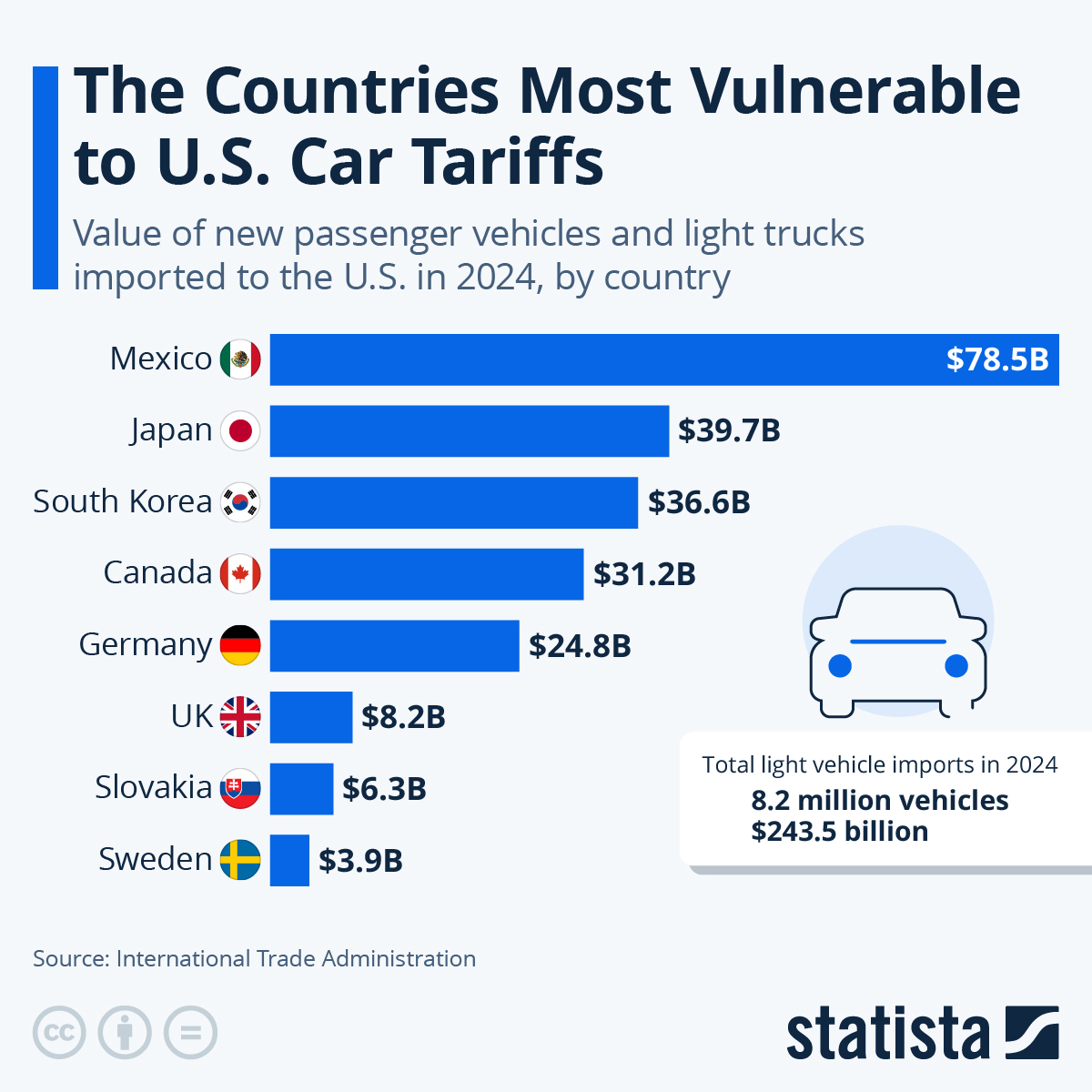
    Recently, the U.S. government announced a significant tariff of 25% on imports of passenger cars and automotive parts. This decision has sent ripples throughout the global automotive market, leading to a dramatic decline in the stock valuations of car manufacturers across various countries. The industries in Germany, Japan, and South Korea experienced the most substantial hit, reflecting their status as major exporters to the U.S. market.

    Key Countries Affected

    Germany

    Germany’s automotive sector is home to some of the world’s most recognized and respected brands, including Mercedes-Benz and BMW. These manufacturers have established a significant footprint in the U.S. market, and the new tariffs pose a substantial threat to their operations. The reliance on exports to the United States means that a sizable portion of German automakers’ revenues could be impacted.

    Japan

    Japanese car manufacturers such as Toyota and Honda have long been favored for their reputation for reliability and innovation. However, with the introduction of these tariffs, the cost of doing business in the U.S. may increase significantly for these companies, potentially driving them to reconsider their pricing strategies and market positioning within the competitive landscape.

    South Korea

    In South Korea, companies like Hyundai and Kia have been rapidly expanding their presence in the U.S. market. These automakers often rely on competitive pricing to win over American consumers, and the added burden of tariffs could compromise their ability to maintain such pricing, ultimately affecting their sales figures and market share.

    The Ripple Effect on U.S. Automakers

    The Surprise Decline in Stock Prices

    One of the most unexpected outcomes following the tariff announcement was the impact on U.S.-based manufacturers. Major companies such as General Motors and Ford saw their stock prices plummet by 7% and nearly 4%, respectively. This raises questions about the effectiveness of tariffs intended to bolster the American car industry.

    The Complex Supply Chain

    It’s crucial to understand that U.S. automakers are not insulated from the effects of the tariffs. They rely substantially on imported parts and components for their vehicles, many of which are sourced from Canada and Mexico. The interconnectedness of the automotive supply chain complicates the narrative that these tariffs will solely benefit U.S. manufacturers.

    Tariff Exemption Nuances

    Understanding the Exemption Criteria

    While vehicles assembled in Canada and Mexico can sometimes be exempt from tariffs, this only applies to parts that are wholly produced or substantially transformed in the U.S. This criterion adds a layer of complexity for many automakers. They must navigate these regulations carefully as they look to minimize their exposure to tariffs, potentially leading to increased administrative costs and strategic shifts in sourcing and production.

    Potential Strategies by Automakers

    In response to the tariff landscape, automakers may have to adapt in several ways. Some possible strategies could include:

    • Localization of Supply Chains: To mitigate the impact of tariffs, companies may look to localize their supply chains, increasing domestic production and sourcing parts from U.S. suppliers.

    • Pricing Adjustments: Automakers may need to adjust their pricing strategies for the American market. This could involve raising prices on imported vehicles or modifying their cost structures to maintain competitiveness.

    The Future of the Automotive Industry in the Context of Tariffs

    The ripple effects of the recent tariff announcement on the automotive industry underscore the vulnerabilities faced by both foreign and domestic car manufacturers. As the industry grapples with these changes, it becomes critical for stakeholders to stay informed and agile in responding to a rapidly evolving market landscape. The complexities of global trade and the intricate web of supply chains will continue to challenge manufacturers as they navigate this new era of tariffs and trade policy.