Shopping for products has become more straightforward, but I want to ensure I’m getting the best deal. Thankfully, Microsoft Copilot’s latest update offers several helpful features to aid in finding the best prices.
Copilot now allows me to keep an eye on prices with real-time tracking. Its AI enhancements have made research, analysis, and online shopping much more efficient. With Copilot Vision now available free for Edge users and in the US for Pro users on mobile, I can point my phone at an item or highlight it on my device, and Copilot starts monitoring prices across multiple stores.
Even more useful are the price drop alerts. By clicking the bell icon next to a product in Copilot’s search results, I can set a target price. When the price falls below that threshold, I receive an email or app notification, letting me know it’s time to buy. Once I find the perfect product and decide to purchase, Copilot’s in-app checkout lets me buy directly without hopping between websites.
I can also compare prices for multiple products easily. The improved reasoning engine, called Think Deeper, powered by OpenAI’s o3-mini model, provides smart, real-time price comparisons. For example, if I’m searching for wireless headphones, Copilot offers a curated list tailored to my needs, comparing names, specs, prices from different sellers, and shipping and discount details. I can even ask for a detailed cost breakdown, including warranties and delivery fees, to make sure I get the best overall deal.
Copilot’s integration across apps keeps me informed. It’s now available in Viber and GroupMe, so I can snap pictures of products and ask Copilot to compare or chat directly for recommendations. Besides shopping, I receive weather updates, stock info, news summaries, and trending topics within these apps. Most importantly, I get price alerts here, reducing the chance of missing out on a good deal.
Searches are now faster and smarter thanks to OpenAI. The recent AI upgrade allows Copilot to provide clearer, more concise product comparisons and insights. If I wanted a smartwatch with the best battery life for my budget, Copilot can quickly analyze options, show comparisons, and explain the reasoning—all in simple language. This used to be tricky even in stores, but now I get the info quickly and efficiently.
Finally, Copilot personalizes deals based on my preferences and interactions. It learns what I like—brands, styles, and deals—and suggests suitable products, alternative options, seasonal promos, and the best times to buy. When I give feedback, it refines its recommendations for future shopping trips. While it’s not as advanced as some AI models, Copilot’s shopping features still save time and effort, helping me find deals I might otherwise miss. Next time you’re planning to buy something big, give its price tracking a try—you might be surprised how much time and money it can save.
Mark your calendars: Amazon Prime Day is officially set for July 8 through July 11 this year, giving shoppers an extended four days of discounts rather than the typical two. For those who remember the earlier iterations, Prime Day once stood alone as a singular shopping event.
As we approach this much-anticipated sale starting next Tuesday, we’ve been exploring the early discounts available and identifying some standout deals. Several items are already priced lower than they’ve ever been, even before the main event kicks off.
However, some items appear to be on sale but might drop even further next week. For instance, the Apple AirPods Pro 2 are currently priced under $199, but they’ve reached below $175 in past sales, so it might be wise to hold off for now.
Last year, Prime Day set records for Amazon, prompting the decision to extend the event to four days this time around. It’s exciting to ponder whether this could eventually evolve into a week-long shopping extravaganza.
With a wealth of experience in tracking deals, our team knows when a price is a solid bargain.
We recently praised the more compact Sharky HydroGo for its impressive cooling capabilities, and now this larger version offers the same misting power with a bigger water reservoir. At its lowest ever price, it’s an excellent buy for those in hot climates.
These earbuds, which we reviewed favorably back in January, are back at a fantastic price point. For under $20, expect impressive sound quality and excellent battery life, making these earbuds perfect for tossing in a gym bag or a backpack for those moments when you might forget your more premium pair. Soundcore consistently impresses us, and these earbuds certainly hold their own.
The TP-Link Archer AX21 is our go-to choice among budget Wi-Fi 6 routers. This deal further lowers its already reasonable price, offering reliable performance, speedy connectivity, and a total bandwidth of 1.8Gbps.
No matter which model of the Hisense U6 Series 4K TV you choose, you’ll benefit from mini-LED QLED technology. Hisense, a leading name in TV manufacturing, refers to this as ULED technology, which renders exceptional brightness and contrast. Accompanied by Dolby Vision and Dolby Atmos, it creates a cinematic experience right in your living room.
We’ve answered your questions regarding Prime Day, including the event’s start date and whether a membership is required for accessing the best deals (spoiler alert: it is).
When is Prime Day 2025?
This year’s significant adjustment is the sale’s extension to four consecutive days. Amazon Prime Day 2025 will take place from July 8 through July 11.
It’s customary for Prime Day to happen in July, as the event has consistently been held during this month since it began in 2016, aside from the 2020 and 2021 events affected by COVID-19.
Amazon also introduced a new feature called “Today’s Big Deals,” offering exclusive offers available only on specific days of the sale.
These deals will be short-lived and may sell out, so make sure to keep a lookout for items you have your eye on—and be ready to act if you spot a discount!
Are there early Prime Day deals available now?
Absolutely! Amazon has already launched a selection of early Prime Day deals you can explore right now.
There are discounts across various tech products, including laptops, tablets, smart speakers, and air fryers. These offers will likely improve as we near the main event, but if you see something you like now, it might be prudent to snag it rather than wait and risk missing out.
Pro tip: Use tools like CamelCamelCamel to track item price histories on Amazon—it helps verify if a deal is genuinely valuable and shows if an item typically goes on sale during Prime Day.
Do you need a Prime membership to access Prime Day deals?
To enjoy the best offers on Prime Day, you’ll need to be a Prime member—numerous exclusive deals will only be available to those who have subscribed.
While you aren’t required to join Amazon Prime, you may miss out on many enticing discounts.
This is particularly relevant for products made by Amazon itself, like Kindles and Echo devices. Some early Prime Day offers—available now—are limited to Prime members.
On the flip side, any seller on Amazon can choose to participate in Prime Day, simply by offering reduced prices during the event.
Expect to see deals on a wide variety of products, from TVs and laptops to smart home devices.
If you’re not already a Prime member, consider starting with a 30-day free trial during the sale ($14.99 per month after the trial ends).
You could join now, access all the Prime Day deals, and then cancel before the end of July, avoiding any membership fees. Remember to set a reminder to cancel before August 1!
Don’t forget that other retailers, like Best Buy and Walmart, will likely have sales running concurrently with Prime Day, offering their own promotions.
What will be on sale during Prime Day?
You can expect virtually every type of product to be discounted during Prime Day. Our focus here will be on tech, including TVs, headphones, laptops, and gaming gear—basically, the items we’re passionate about and want to help you find the best versions of.
We’re keen to highlight products that receive high ratings and are often loved, especially when they drop to even lower prices, transforming them into amazing deals.
If there’s something you’ve been eyeing, expect Prime Day to be an excellent opportunity to find it on sale.
Which countries have access to Prime Day?
According to Amazon’s announcement, Prime Day will be available to customers in:
Australia, Austria, Belgium, Brazil, Canada, Egypt, France, Germany, India, Ireland, Italy, Japan, Luxembourg, Mexico, the Netherlands, Poland, Portugal, Saudi Arabia, Singapore, Spain, Sweden, Turkey, the United Arab Emirates, the United States, and the United Kingdom.
The Challenges of Online Retail: Understanding Return Rates
Online retail has revolutionized the shopping experience, but it comes with its own set of challenges. One of the most significant hurdles for e-commerce businesses is managing product return rates, which can heavily impact profitability.
The Rising Tide of Returns
Return Rates in Numbers
According to the National Retail Federation and Happy Returns, retail return rates in the U.S. are anticipated to reach 16.9% of annual sales by 2024. Online sales are speculated to see an even steeper return rate, estimated at around 20%. This potential loss translates to an astonishing $890 billion worth of goods being returned in a single year, highlighting the financial implications for retailers.
The Financial Burden of Returns
Processing returns is not merely about restocking items; it often incurs significant costs. The expense of handling a return can equate to a double-digit percentage of the item’s original price. This financial strain necessitates effective return policies and strategies for e-commerce businesses striving to maintain their bottom line.
Factors Influencing Return Rates
Product Types and Their Return Rates
Different product categories experience varying return rates, largely influenced by consumer expectations and product characteristics.
Clothing and Shoes
The apparel industry stands out with notably high return rates. Statista Consumer Insights data reveals that 25% of respondents returned clothing items purchased online in the past year. Shoes follow closely with a 17% return rate. These categories are particularly prone to returns due to factors like size discrepancies and fit issues.
Accessories and Other Categories
Accessories, while also impacted by sizing concerns, have a slightly lower return rate at 12%. Conversely, items such as furniture, books, and consumer electronics tend to have lower return rates, as they are less likely to be dependent on fit and often fulfill consumer expectations more consistently.
Consumer Behavior and Expectations
Consumer behavior plays a pivotal role in return rates. Many shoppers have come to expect hassle-free returns as a norm, which can drive them to return items without much thought. Recent survey data shows that 50% of respondents reported they hadn’t returned any online purchases in the previous year. However, it’s vital to recognize that 7% of respondents did not make any online purchases at all during that period, indicating an underlying factor in return dynamics.
Conclusion: Key Takeaways for Retailers
While online returns present substantial challenges for retailers, understanding the nuances of return behaviors across different categories can empower businesses to shape their strategies for minimizing returns and enhancing customer satisfaction.
Understanding Online Returns: A Staple of E-Commerce Culture
The Landscape of Online Returns
In today’s fast-paced e-commerce environment, the phenomenon of online returns has become an integral aspect of shopping behavior. With consumers increasingly turning to online channels for their purchases, understanding the dynamics of returns is essential. Various factors influence how often returns occur, and understanding these can help retailers streamline their processes while addressing customer needs.
An Economic Perspective on Online Returns
The Financial Burden of Returns
Return shipping comes with a considerable economic cost that affects both consumers and retailers. For consumers, returning an item often involves not just the price of the product but also the shipping fees, potential restocking costs, and the inconvenience of waiting for a refund. From a retailer’s standpoint, returns translate to loss of revenue and increased operational costs. Managing reverse logistics – the process of returning goods from customers back to the retailer – can place a significant strain on a business’s resources.
Return Rates Across Regions
Survey data from Statista Consumer Insights reveals interesting statistics regarding the return habits of consumers in various regions. As highlighted in the infographic, the return rate varies significantly across Europe and parts of Asia. Notably, countries like Germany and the United Kingdom exhibit high return rates, with over 50% of surveyed respondents admitting to having returned at least one online purchase in the preceding year. The trend is even more pronounced in India and China, where return rates of 81% and 66% respectively, underline the different shopping cultures in these regions.
Environmental and Logistical Implications
The Environmental Cost of Returns
The ecological footprint of online returns is an often-overlooked topic. Every return contributes to carbon emissions associated with shipping, packaging waste, and potential landfill overflow if returned items cannot be resold. As sustainability becomes a critical concern for consumers and businesses alike, retailers are increasingly called upon to adopt greener return practices. This includes optimizing logistics to minimize the environmental impact of returns, such as consolidating shipments or using more sustainable packaging materials.
Logistical Challenges of Managing Returns
Managing returns involves complex logistical operations that can pose significant challenges. Retailers must efficiently handle the processing of returned goods, assess their condition, and determine whether they can be resold. Additionally, maintaining accurate inventory levels and ensuring a seamless customer experience during the return process are crucial for sustainability and brand reputation. A well-structured returns management system can minimize these issues, improve customer satisfaction, and reduce operational costs.
Consumer Behavior and Return Practices
Patterns in Consumer Satisfaction
The ease of returns can significantly impact consumer satisfaction and loyalty. When retailers offer a hassle-free return policy, it not only fosters trust but encourages customers to make purchases without fear of committing to a product. In regions where returning items is the norm, such as Germany and the UK, a robust return policy can be a competitive advantage.
Generational Influences on Return Behavior
Different generations exhibit varying tendencies when it comes to online returns. Younger consumers, particularly Millennials and Generation Z, tend to have higher expectations for return policies given their familiarity with online shopping. They often appreciate options like free returns and extended return windows. Understanding these generational preferences can help retailers tailor their return strategies to meet customer demands.
The Future of Online Returns
Innovations in Returns Management
As technology continues to evolve, so do the strategies retailers employ to manage returns. Innovations such as automated returns processing, real-time inventory management, and enhanced tracking systems can streamline the returns experience for both consumers and businesses. Implementing artificial intelligence and machine learning can also provide insights into return patterns, enabling retailers to anticipate returns and adjust their inventory accordingly.
Consumer Education and Transparency
Engaging consumers in the return process through education and transparency is becoming increasingly important. By clearly communicating policies, potential costs, and the implications of returns, retailers can empower their customers to make informed decisions. This proactive approach not only aids in reducing return rates but can also enhance brand loyalty and customer engagement.
In examining the intricate world of online returns, it’s clear that this ubiquitous practice is more than a mere inconvenience; it embodies both challenges and opportunities in the evolving landscape of e-commerce. Understanding its multifaceted implications can help businesses thrive in a competitive market while catering to the needs of their consumers.
OpenAI has introduced Operator, an innovative AI agent that can independently perform tasks online.
This development is a significant advancement in the company’s mission to improve AI agents, a technology that Sam Altman, CEO of OpenAI, has described as essential for the future by 2025.
Operator is a versatile AI tool capable of executing a variety of online tasks, including booking travel, making restaurant reservations, and shopping.
Initially, it will be available to US users subscribed to the $200 Pro plan, with plans to extend the research preview to users on Plus, Team, and Enterprise plans in the near future.
OpenAI also aims to broaden access to more regions, although users in Europe will need to wait a bit longer. The tool can be accessed at the dedicated site, operator.chatgpt.com, with intentions for future integration into all ChatGPT platforms.
Operator operates by controlling a specialized web browser, allowing it to perform tasks autonomously.
Users can observe the process, which mimics human interactions on websites, such as navigating menus, pressing buttons, and completing forms.
Image courtesy of OpenAI
Powered by OpenAI’s Computer-Using Agent (CUA) model, Operator combines the visual capabilities of GPT-4 with sophisticated reasoning skills. This model can manage a wide array of online tasks without the need for developer-facing APIs.
Its features extend to shopping, delivery services, dining, and travel bookings, with partnerships established with companies such as DoorDash, eBay, Instacart, Priceline, StubHub, and Uber to comply with their terms of service.
Before completing any action that has external consequences—like making purchases or sending emails—the CUA will request user confirmation, allowing users to review the actions beforehand.
Despite its advanced functionalities, OpenAI is aware that the CUA has limitations. Currently, Operator finds it challenging to manage complex or specialized tasks, such as creating intricate slideshows or overseeing detailed calendar systems.
Tasks that involve highly customized or non-standard web interfaces can also be problematic. Furthermore, activities like banking transactions necessitate user oversight to ensure they are conducted accurately.
While Operator can handle a broad range of tasks independently, OpenAI has implemented certain security protocols to mitigate the risk of misuse.
For instance, users must enter sensitive information such as credit card numbers manually, and for particularly sensitive activities like checking email, active supervision is required to prevent unnoticed errors.
There are also certain restrictions on the number of tasks Operator can execute. OpenAI has instituted dynamic rate limits for simultaneous tasks, along with an overall daily usage cap.
Additionally, some operations such as sending emails and deleting calendar events are restricted for security reasons, although these limitations may be revised in the future.
While Operator is OpenAI’s most advanced AI agent thus far, its development has been relatively slow compared to competitors like Rabbit, Google, and Anthropic. The advancement of such technologies raises serious safety concerns, especially regarding potential misuse.
To address these risks, OpenAI has incorporated safeguards into Operator, including monitoring systems that halt operations if suspicious actions are detected, along with ongoing updates to its security measures.
The launch of Operator signifies a landmark achievement in the evolution of AI agents, regarded as the next significant leap in artificial intelligence. Unlike conventional virtual assistants like Siri or Alexa, AI agents possess the ability to execute actions and tasks autonomously, reshaping how users interact with online services and the digital landscape.
Perplexity AI Shopping combines robust research capabilities with a streamlined shopping experience.
Features like "Buy with Pro" and "Snap to Shop" simplify the purchase process.
Unbiased product recommendations and straightforward information enhance decision-making.
Shopping can often feel like a daunting task. That all changed for me when I discovered Perplexity Shopping—it transformed what used to be a chore into a straightforward and enjoyable experience.
Picture a shopping environment where you can seamlessly research and purchase items in one place. Pretty great, right? Perplexity AI Shopping does just that by merging advanced AI research tools with the ease of shopping directly on their platform. This integration makes it much simpler to find what you’re looking for without flipping between multiple websites.
One of the most notable features is "Buy with Pro." This lets you save your shipping and billing information for quick, one-click checkouts, streamlining the purchasing process. Another cool aspect is "Snap to Shop," a feature that allows you to look for products using images or screenshots. It’s perfect for those moments when you spot something exciting but don’t know where to buy it.
Perplexity AI Shopping focuses on providing unbiased recommendations. Thanks to its Merchant Program, businesses can share product information without hidden algorithms favoring paid ads, ensuring fair visibility. This commitment to transparency helps shoppers find better, more reliable options. Tools like Summarized Product Reviews and Product Comparisons offer straightforward information, making it easier to compare gadgets or get a quick snapshot of reviews. Plus, their partnership with Shopify expands access to a wider array of unique, smaller stores.
If you use the "Buy with Pro" feature, you’ll benefit from free shipping through Perplexity.
When I first learned about Perplexity Shopping, I was thrilled to give it a try. As a fan of the Perplexity Pro subscription, the addition of a shopping tool seemed like a perfect upgrade. With the holiday season approaching, the timing couldn’t have been more perfect. It allowed me to tackle my kids’ wish lists without the usual stress and endless online searching.
STEM kits are one of my favorite go-to gifts, but the number of options can be overwhelming. Thankfully, Perplexity Shopping simplified the process by handling all the research for me. It sifted through countless products, narrowed down the choices, and displayed exactly what I wanted. Shopping directly through Perplexity helped me stay focused and complete my shopping quickly.
I also decided to explore Christmas decoration ideas, and the results were delightfully creative, including suggestions like an upside-down Christmas tree—an idea I would never have thought of. I was particularly impressed by how easy it was to understand the reasoning behind the recommendations and verify the sources, which made planning my event a breeze and boosted my confidence in my selections.
Of course, there are some minor drawbacks. Occasionally, I came across products that weren’t available for direct purchase via Perplexity, as the "Buy with Pro" feature is currently limited to partnered merchants. While this was a little disappointing, Perplexity is continually expanding its partnerships, so I expect this limitation will improve over time.
Advantages and Disadvantages
Perplexity AI Shopping has many advantages, saving me both time and effort. Having everything in one place—from research to product comparisons to checkout—allows me to shop efficiently without jumping between sites.
One particularly useful feature for my household is the ability to find the best price on an item. Just ask Perplexity Shopping for the best deal, and it will return the results, along with suggestions for related products if any of those might suit your needs better.
However, it’s not without its flaws. A significant downside is that access requires a Perplexity Pro subscription, currently priced at $20 a month. Additionally, the current merchant partnerships are somewhat limited. That said, with Shopify among its partners, new products are regularly added. To ensure you’re getting the best deal, it’s wise to check price-tracking websites like CamelCamelCamel or Keepa. Also, to achieve the best results, your queries need to be specific; vague searches can cause the platform to struggle to deliver exactly what you’re after, which could be frustrating for some users.
Final Thoughts
Perplexity AI Shopping is an exciting option for those who value a smooth and efficient online shopping experience. Its ability to fuse research, decision-making, and checkout into a single, effortless process makes shopping enjoyable. I discovered products I might have otherwise overlooked. While specificity in your prompts is key for optimal results, the platform makes the process of discovering new items genuinely enjoyable.
Overall, Perplexity Shopping is a tool worth exploring. With numerous reasons to consider signing up, the Pro version justifies its cost. Nevertheless, it does come with limitations; it may not meet your needs if you’re looking for something highly specific or outside its partnered merchants. Still, if you desire a quick and hassle-free shopping experience that offers honest product recommendations, Perplexity Shopping is definitely worth considering.
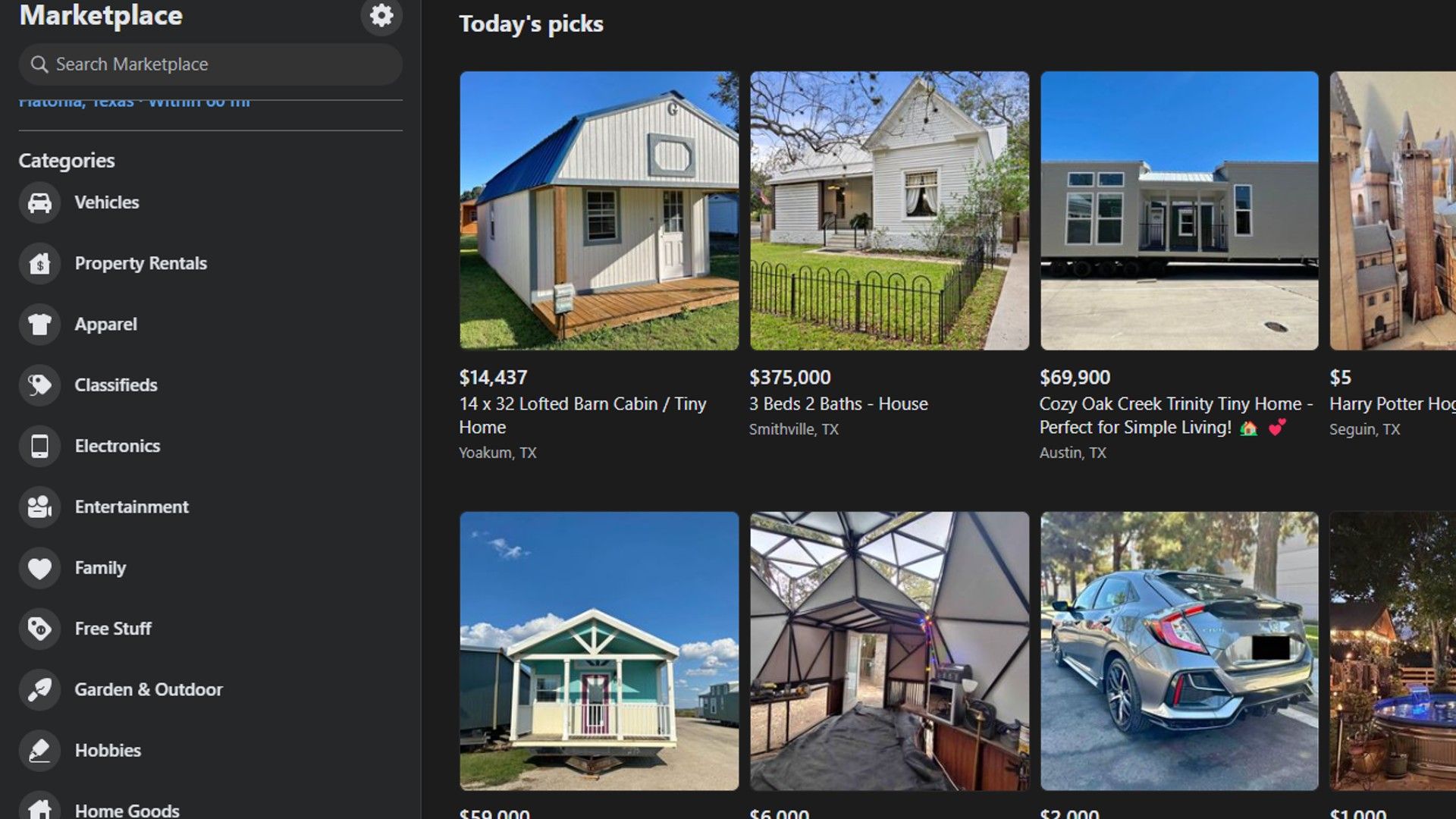
Facebook Marketplace has emerged as a popular choice for local buying and selling. It provides straightforward access and connects you with a vast audience of potential buyers and sellers. But is this platform the right fit for you?
Advantages of Facebook Marketplace
If you’re on the fence about using Facebook Marketplace, there are many compelling reasons to consider this feature of Facebook.
User-Friendly Interface
Facebook Marketplace is remarkably easy to use. It’s integrated into the standard Facebook app, meaning you don’t need to download any additional applications. The layout is straightforward, allowing users to quickly list items, browse various offers, and communicate directly with buyers or sellers. Personally, I found it very accessible, even as a first-time seller.
Adding multiple items in one go on a single screen makes the process even smoother—no need to juggle multiple tabs! During my experience selling a variety of baby items, I was able to list all twenty products at once, which made the process incredibly quick.
Geographic Flexibility
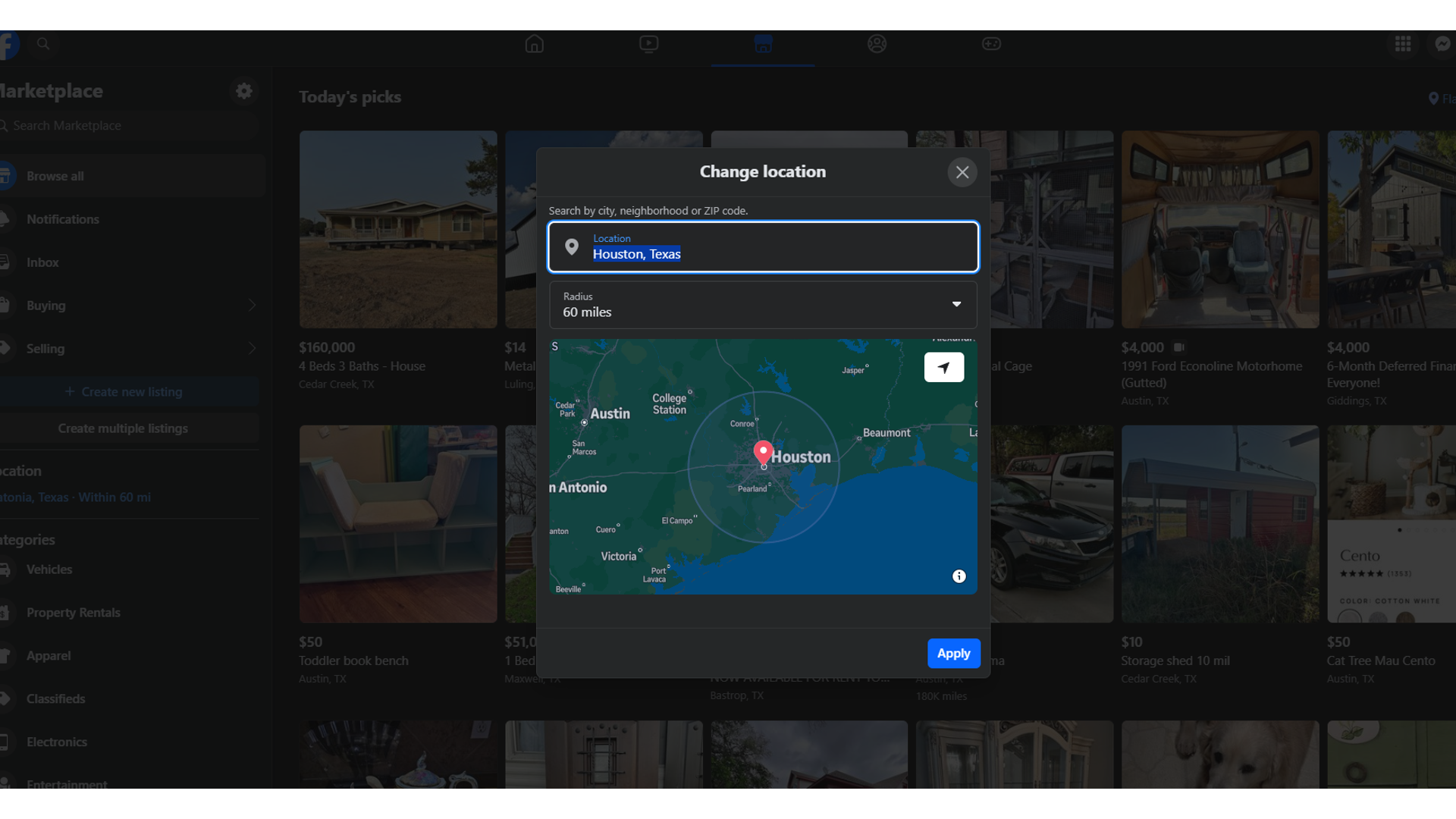
With Facebook Marketplace, you can focus on specific locations for your listings without the need to join local groups. Of course, joining those groups can still enhance your chances of making a sale. Finding or listing items for sale in various areas, whether near or far, is a breeze.
No Listing Fees
One of the standout features of Facebook Marketplace is the absence of fees for posting, purchasing, or selling items. This makes it a cost-effective choice compared to other platforms that may take a cut from your sales or require listing fees. Personally, I favor it over eBay, where commissions on sales apply.
Extensive Audience Reach
Thanks to Facebook’s vast user base, your listings can reach a massive audience. You also have the option to specify the geographical area where you’d like your items to be seen, whether in your local neighborhood or beyond.
Whether you’re selling furniture or on the hunt for second-hand electronics, the platform’s large user community can facilitate quick connections with potential buyers or sellers.
Boosting Capabilities
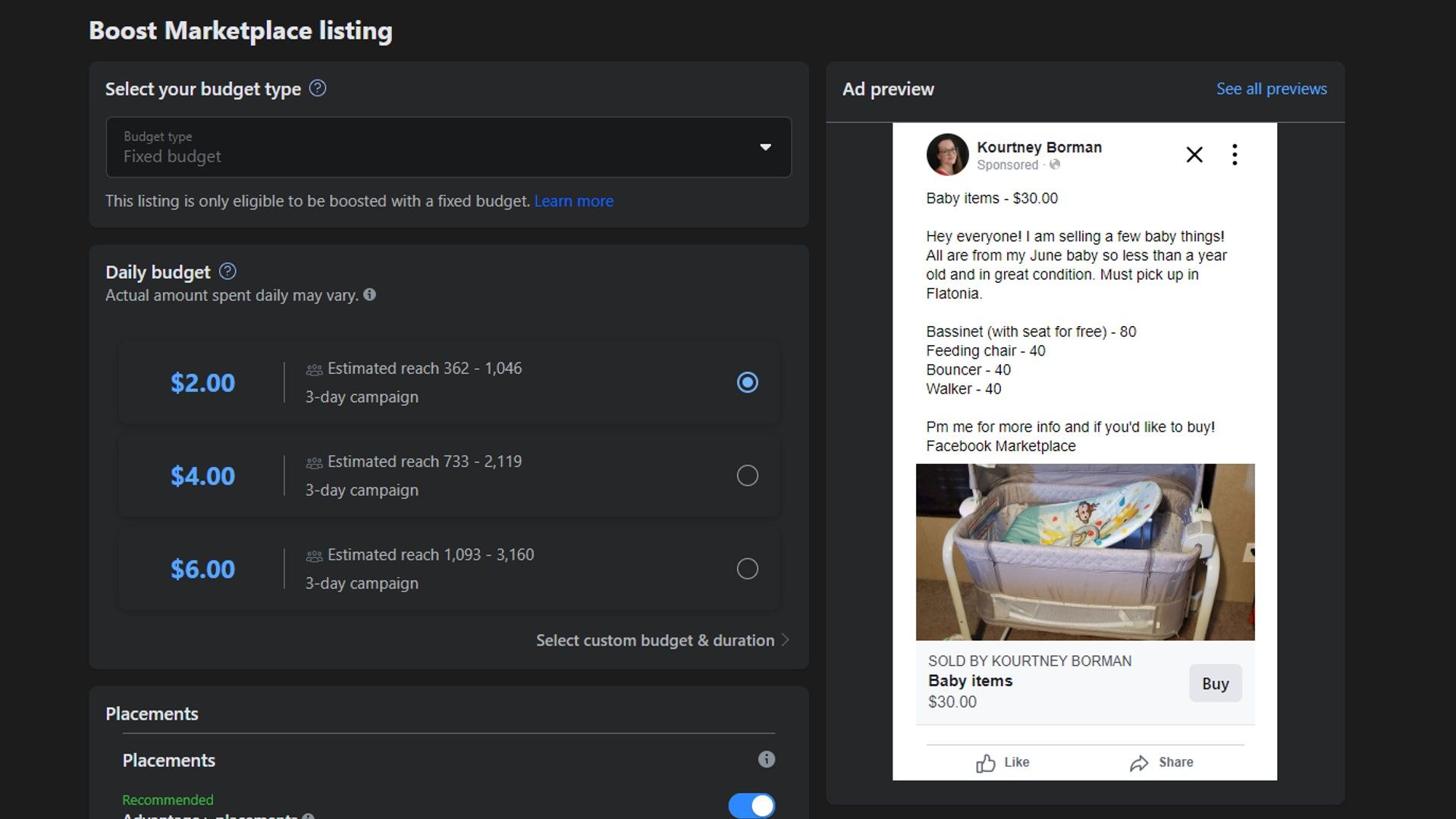
Do you want your items to reach a broader audience? If you’re open to spending a little, Marketplace allows you to “boost” your listing through ad campaigns of varying durations. This can increase the chances of a quick sale.
Personally, I have not felt the need to boost my listings, as my local market is small enough to be effective without it, but it certainly could be beneficial in larger urban areas.
Disadvantages of Facebook Marketplace
Like any platform, Facebook Marketplace has its share of drawbacks that might lead some users to opt for alternative options.
Minimal Protections
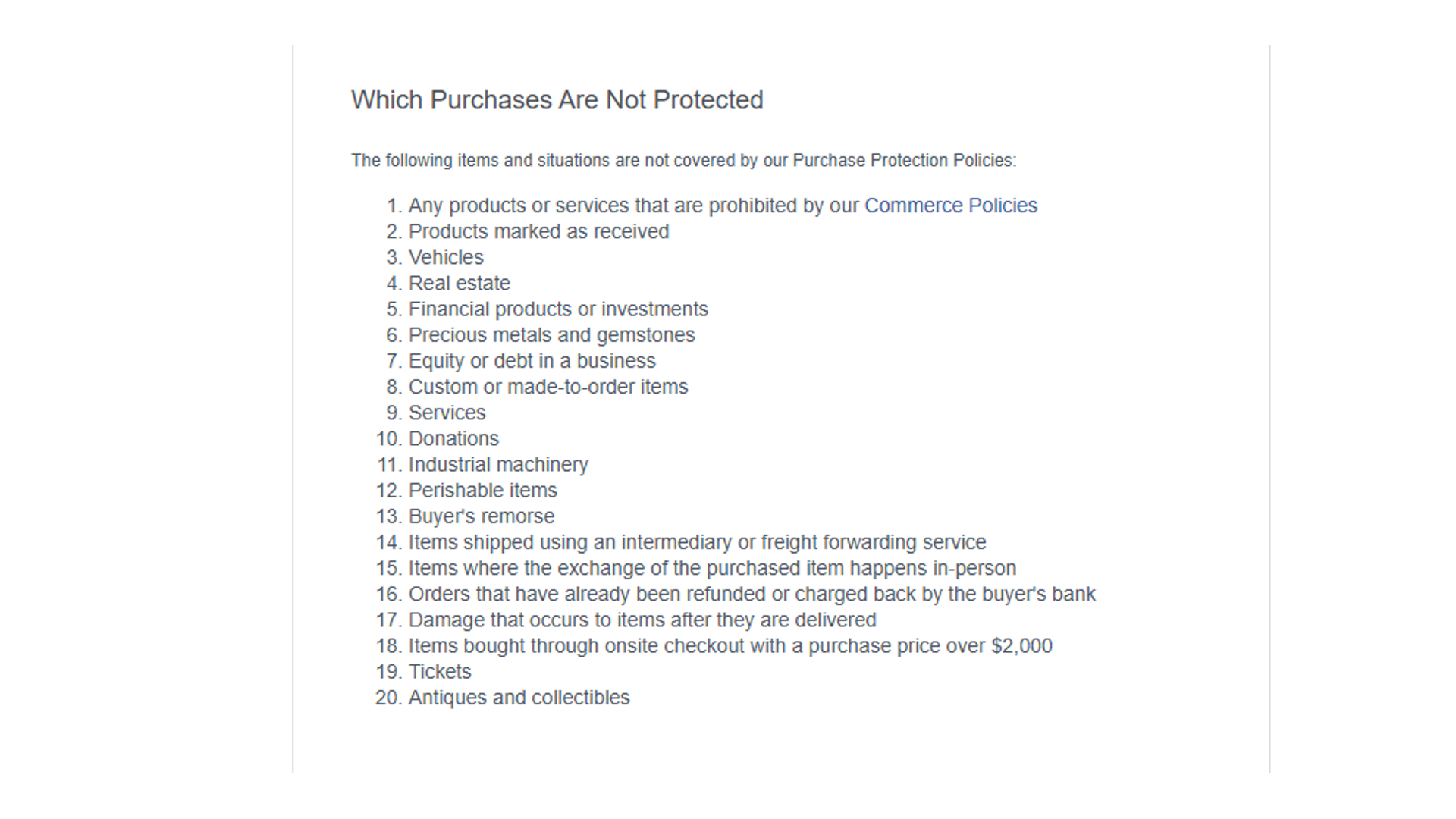
Unlike sites like Amazon and eBay, Facebook Marketplace has limited protections for both buyers and sellers. This means if something goes wrong, such as payment issues or an item not meeting its description, there’s no formal system in place for you to recover your money or item. Plus, there’s no assurance on the condition of the items being sold.
Specifically, purchases made in person, vehicles, and precious stones typically aren’t covered by their buyer protection. Even for items that are, Facebook has the final say on whether you receive a refund.
I once bought a laptop from someone in my area via Facebook Marketplace. When we met, the seller seemed rushed, which raised my suspicions. Unfortunately, after bringing it home and discovering it wouldn’t turn on, I learned the hard way about the lack of coverage for face-to-face transactions. It also served as a reminder that many sellers create profiles strictly for Marketplace purposes, which they tend to delete after receiving payment.
Scam Concerns
Given the limited protections available, Facebook Marketplace can attract scammers. You must remain vigilant about deals that appear too good to be true or sellers who request unusual payment methods.
If it sounds too good to be true, it probably is.
Limited Features
Facebook Marketplace also lacks the advanced features found on other e-commerce platforms. There are no built-in analytics for sellers to monitor their performance, and seller profiles are quite basic, making it challenging to assess their reliability.
Privacy Issues
Since Facebook Marketplace is tied to your personal Facebook profile, both buyers and sellers can see your name and might even message you through the platform, raising concerns about privacy for those who prefer to keep their personal lives separate.
Narrow Categories
While Facebook Marketplace includes a wide variety of categories, some specialized areas may not receive adequate representation. This can limit your choices if you’re seeking to buy or sell within those less common categories.
No Customer Support
Should you encounter issues on Facebook Marketplace, you won’t find dedicated customer support to help resolve disputes or transaction problems. This isn’t an issue if everything goes smoothly, but the lack of assistance can be frustrating when unexpected problems arise.
Tips for Safe Buying and Selling on Facebook Marketplace
To maximize your experience and stay safe, keep the following advice in mind while using Facebook Marketplace:
Always meet in public, well-lit areas, ideally during daylight hours.
Independently verify profiles before finalizing transactions.
Opt for secure payment methods, avoiding untraceable payments. Consider cash or a system like PayPal, which offers fraud protection.
Trust your instincts; if something feels off, don’t hesitate to walk away.
Document your purchases with photos and messages to have reference materials for any disputes.
Communicate clearly and promptly with potential buyers or sellers.
Ultimately, while Facebook Marketplace provides a convenient and cost-free platform for buying and selling, understanding its limitations and using it wisely will lead to a more satisfying experience!
When it comes to purchasing a desktop computer, the multitude of online options can be both exciting and overwhelming. Each website offers different models, prices, and features, making it crucial to identify which platform provides the best overall experience. Here, we explore several top contenders for the best online sites to buy a desktop computer, weighing their benefits and unique offerings.
Popular Online Retailers
1. Amazon
Advantages:
Widespread Selection: Amazon showcases an extensive range of brands, models, and configurations, catering to beginners and tech enthusiasts alike.
User Reviews: Ratings and reviews from customers provide valuable insights, helping buyers make informed decisions.
Easy Returns: With a well-established return policy, shopping on Amazon comes with added peace of mind.
Key Features:
Prime member discounts and fast shipping
Bundled deals that include peripherals
Multiple payment options and financing plans
2. Newegg
Advantages:
Tech-Centric Focus: Best known for electronics, Newegg specializes in computer parts and desktops, making it a reliable choice for serious gamers and builders.
Daily Deals: Customers can find significant savings through flash sales and discounts on refurbished items.
Key Features:
Knowledgeable customer service available for technical inquiries
Component compatibility checker for custom builds
Comprehensive product specifications and comparisons
3. Best Buy
Advantages:
In-Store Pickup: For those who want to touch and feel their device before purchasing, Best Buy blends online and brick-and-mortar experiences.
Geek Squad Support: Offers valuable tech-support services, including setup and troubleshooting.
Key Features:
Product availability checker for local stores
Diverse financing options for larger purchases
Open box items available for additional savings
4. Dell
Advantages:
Customization Options: Dell allows customers to personalize desktop specifications, enabling a tailored computing experience.
Business Solutions: Ideal for professionals looking for robust performance and reliability.
Key Features:
Direct support and warranty services
Loyalty programs for frequent buyers
Regular promotions and bundle deals
5. HP
Advantages:
User-Friendly Configurations: HP’s website provides a simple platform for browsing and purchasing, making it ideal for beginners.
Sustainability Initiatives: HP emphasizes environmentally friendly products and recycling programs.
Key Features:
Extensive array of pre-built models for different use cases
Regularly updated sales and discount offers
Customer support and warranty options included with purchases
Comparison of Features
To make a more informed decision, consider the following key factors when choosing an online site:
Selection Variety: How many brands and models are offered?
Pricing: Are there competitive prices or exclusive deals available?
Customer Service: Is there support available if you have questions or issues?
Return Policy: What are the terms for returns or exchanges?
Delivery Options: Are there options for expedited shipping or in-store pickup?
Quick Comparison Table
Retailer
Selection Variety
Pricing
Customer Service
Return Policy
Delivery Options
Amazon
Extensive
Competitive
Excellent
30-day standard
Prime Shipping
Newegg
Tech Focused
Varies
Good
30-day standard
Standard & Freight
Best Buy
Moderate
Competitive
In-Person Support
15-day standard
In-Store Pickup
Dell
Customizable
Varies
Excellent
30-day standard
Standard & Custom
HP
Extensive
Competitive
Online Support
30-day standard
Standard & Express
Ultimately, the best online site for purchasing a desktop computer hinges on your personal preferences, needs, and budget. Whether you prioritize selection, price, or customer service, there are plenty of solid options to explore. Each store has its strengths, thus conducting thorough research before making a decision ensures you invest your money wisely in a desktop that meets your requirements.