Apple has long avoided the idea of equipping MacBooks with touchscreens, despite popularizing the concept of button-less smartphones. However, recent reports suggest that the company’s stance may be shifting. The upcoming redesign of the MacBook Pro, which is expected to feature an OLED display, is anticipated to include a touchscreen after all.
According to Ming-Chi Kuo, a well-known analyst at TF Securities, Apple plans to add touch controls to a future MacBook Pro model to boost user productivity and enhance the overall experience. While this feature has been a staple on Windows laptops for years, Apple has been cautious about adopting it on MacBooks.
Kuo also mentioned that the new OLED MacBook Pro, expected to enter mass production by late 2026, will incorporate a touch panel with on-cell touch technology. This suggests a significant shift towards blending traditional computing with more interactive touch capabilities.
Interestingly, Apple appears to draw inspiration from how iPad users interact with their devices. The iPad, with its compact 13-inch screen combined with a comprehensive keyboard accessory, seems to influence this new direction.
Historically, Apple has been skeptical about touch interfaces on laptops. Steve Jobs famously dismissed the idea in 2010, arguing that touch surfaces don’t work well in a vertical position. He pointed out that prolonged use can cause fatigue and discomfort, making it an impractical solution for laptops. Despite this, the increasing similarity between iPadOS and macOS—especially in the iPad Pro models—indicates that the concept of touch on laptops might not be as far-fetched as once believed.
While the integration of touchscreens into MacBook Pros is expected to bring a notable design overhaul, that model might not arrive until 2027. In the meantime, models equipped with the M5 chip are likely to fill the gap next year, offering a bridge towards the future of Apple’s portable computing devices.
Samsung has unveiled the Odyssey OLED G6, marking its position as the first OLED gaming monitor in the world with an impressive 500Hz refresh rate. Initially revealed at CES 2025, the 27-inch monitor is now available for pre-order and is designed for competitive gamers who prioritize ultra-responsive gameplay along with superior OLED imagery.
The Odyssey OLED G6 (G60SF) surpasses competitors like the Asus ROG Swift PG27AQDP, featuring a QD-OLED panel that provides a native QHD resolution of 2560 × 1440 and a lightning-fast 0.03ms (GtG) response time, minimizing motion blur during intense gaming sessions. This panel is VESA DisplayHDR True Black 500 certified, ensuring rich colors and deep contrasts. Additionally, it supports FreeSync Premium Pro and is compatible with Nvidia G-Sync, which helps eliminate screen tearing and stuttering.
The monitor achieves a peak brightness of 1,000 nits and is coated with Samsung’s Glare Free treatment to reduce reflections. To combat OLED burn-in, Samsung has implemented its “OLED Safeguard+” technology, which includes a pulsating heat pipe system to regulate panel temperatures and prevent overheating. It also boasts a thermal modulation system that automatically adjusts brightness as well as detection capabilities for static images like logos and taskbars.
Luke Larsen / Digital Trends
In terms of design, the Odyssey OLED G6 features a sleek, flat-screen layout complemented by Samsung’s Core Lighting+ on the back, which provides gentle RGB illumination. The ergonomic stand allows for height, tilt, and swivel adjustments, and users can choose to use a VESA mount if they prefer.
Related
Samsung’s inaugural flat mini-LED gaming monitor carries a premium price tag
The update on Samsung’s CES 2023 gaming monitors, from curved QD-OLEDs to 8K giants
Computex showcase: Featuring 500Hz displays and 48-inch OLED options
For connectivity, the monitor includes two HDMI 2.1 ports, one DisplayPort 1.4 input, and a USB hub. The G6 retains the Gaming Hub feature, enabling swift access to various game streaming platforms and console passthrough.
Samsung has stated that the Odyssey OLED G6 will first launch in regions including Singapore, Thailand, Vietnam, and Malaysia, with plans to expand to other markets later this year. The expected price in the U.S. is around $1,300, though it is currently available for pre-order in Singapore at 1,488 SGD, approximately $1,100 USD.
If you're on the hunt for a new television that complements both your living space and budget, Samsung has just introduced its 2025 OLED series, comprising three cutting-edge models with prices beginning at $1,300. The latest offerings, the S95F, S90F, and S85F, boast advanced OLED Glare-Free technology, allowing for optimal viewing in any lighting condition without sacrificing picture or color fidelity.
"Every home is unique, and we understand that factors like sunlight and ambient light are crucial for many users when selecting a TV. Our aim is to provide customers with the freedom to enjoy their favorite content wherever they choose, without compromising on picture quality," stated Lydia Cho, Head of Product for Home Entertainment at Samsung, in a press release. "The flagship S95F series embodies this philosophy, showcasing our most advanced OLED Glare-Free technology, pure blacks, vivid whites, and colors that are Pantone-validated. With our latest 4K processor, an enhanced refresh rate, and a brightness boost of 30%, this series delivers an incredibly realistic viewing experience."
Here’s how the three models in the Samsung 2025 OLED range compare:
Samsung 2025 OLED S95F Series TVs
Samsung
The S95F series stands out as Samsung's premier line, featuring screen sizes ranging from 55 to 77 inches, with an 83-inch option expected soon. Designed to minimize glare and reflections from surrounding light, this series is powered by the NQ4 AI Gen3 processor, which enhances graphics to 4K resolution and optimizes gameplay with Motion Xcelerator at 165Hz.
55-inch S95F: $2,300
65-inch S95F: $3,300
77-inch S95F: $4,500
Samsung 2025 OLED S90F Series TVs
Samsung
Running on the same NQ4 AI Gen3 processor, the S90F series features AI Motion Enhancer Pro, which provides sharpness and fluidity to fast-moving visuals, ensuring that you don’t miss a moment, particularly during sports events. It is available in six screen size options, from 42 to 83 inches, starting at $1,300.
42-inch S90F: $1,300
48-inch S90F: $1,500
55-inch S90F: $1,800
65-inch S90F: $2,500
77-inch S90F: $3,500
83-inch S90F: $5,400
Samsung 2025 OLED S85F Series TVs
Samsung
Powered by the NQ4 AI Gen2 processor, the S85F series utilizes AI to enhance image details and color vibrancy with Color Booster Pro. Screen sizes range from 55 to 83 inches, starting at $1,500.
55-inch S85F: $1,500
65-inch S85F: $2,000
77-inch S85F: $3,000
83-inch S85F: $4,500
The 2025 OLED TVs come equipped with Samsung Vision AI, which enhances engagement with content through AI-driven features, including quick content searches and Live Translate for real-time language support during broadcasts. There's also a Greater convenience in controlling the TV using your Samsung Galaxy Watch, allowing navigation with simple gestures.
This pricing announcement follows Samsung's recent rollout of this year’s QLED TVs and soundbars for purchase. It also coincides with Sony's unveiling of its 2025 Bravia OLED TVs, including the Bravia 8 Mark II QD-OLED, which promises an impressive 125% brightness increase over the A95L model, available in both 55- and 65-inch sizes later this year.
If you have invested in one of the top OLED monitors, you're likely aware of their exceptional color vibrancy and contrast. However, these monitors come with a notable downside: burn-in problems. Manufacturers recognize this issue, and many are working to find solutions. MSI has already implemented some protective measures, and with their latest firmware update, they aim to make the process of safeguarding your monitor even easier.
What is OLED burn-in?
Burn-in is a problem that results in permanent discoloration or ghosting on certain OLED displays when static images remain on-screen for prolonged periods. This often includes elements like logos, gaming HUDs, or news tickers—essentially anything that is displayed consistently over time. Running your monitor at its maximum brightness can worsen burn-in, as it leads to uneven wear on the organic compounds responsible for generating light in OLED screens.
Fortunately, contemporary OLED technology has made significant strides in reducing the risk of burn-in, though it can still occur and is quite annoying to deal with. You may notice a faint lingering shadow of a previously displayed static image, which remains visible regardless of the content currently being shown.
When burn-in occurs, it is typically irreversible. This is why companies like MSI are proactive in employing strategies to prevent it from arising in the first place—no one wants their gaming monitor marred by lasting ghosting imagery.
How does MSI’s new update help prevent burn-in?
Jacob Roach / Digital Trends
MSI has implemented a strategy called MSI OLED Care, a suite of features designed to extend the life of OLED displays and prevent burn-in. While MSI monitors generally come with a three-year warranty, utilizing these protective technologies is crucial to maintaining that warranty.
One key feature within OLED Care 2.0 is Panel Protect, which refreshes each pixel to ensure consistent display quality and mitigate the risk of ghosting. This process, however, can disrupt gameplay if it occurs during an intense gaming session. Previously, the refresh happened every 16 hours—while not too common, it could still be poorly timed.
MSI has acknowledged user feedback and is extending the refresh interval to once every 24 hours. If your monitor is used for over four hours, the system will prompt you to perform a Pixel Refresh. You can postpone this notification a few times, but overdoing it could result in the refresh happening regardless of your preference. Fortunately, it will now be scheduled for 24 hours instead of 16, which should be a relief for avid gamers who tend to leave their systems running for extended periods.
The only way to access this update is to download the new firmware. If you're satisfied with the current 16-hour refresh cycle and it's working for you, feel free to skip it. However, for those who appreciate extended operational intervals, waiting an extra eight hours may be beneficial. MSI has also released an update for their Claw handheld device, reflecting similar user-driven enhancements.
After a significant hiatus from the U.S. market, Panasonic has made a strong comeback, unveiling not just one, but three new TV models at CES 2025. Among these, the highlight is their premium Z95B OLED model, which integrates spatial audio and a cutting-edge four-layer panel technology designed to enhance color depth and brightness, all without relying on Micro Lens Array (MLA) technology.
Panasonic Z95B Series OLED TV
Last year, Panasonic made a notable re-entry into the American market after a decade-long absence, launching two exceptional models: the Z95A OLED and the W95A mini-LED. Experts hailed them as two of the top televisions available. The Z95B OLED is expected to build on its predecessor's success, and preview samples displayed at CES confirm its stunning visual capabilities.
Panasonic has provided insight into the Z95B's advanced technology, highlighting its "Primary RGB Tandem Panel and ThermalFlow Cooling System." What makes this TV unique is its four-layer emission architecture, featuring distinct layers of red, green, and two blue components. This design enhances light efficiency by 40 percent, improving brightness and color volume significantly and resulting in lifelike, vibrant images.
The Panasonic Z95B OLED TV.Panasonic
In addition to the impressive panel technology, Panasonic has developed an innovative cooling mechanism, known as the ThermalFlow system, inspired by racecar aerodynamics. This technology strategically channels airflow through the TV chassis to maintain optimal performance levels, similar to how a racecar functions.
The Z95B is powered by Panasonic's new HCX Pro AI Processor MK II and includes Dolby Vision IQ with Precision Detail. This feature enhances contrast in darker scenes, delivering that renowned OLED deep black while also providing more vivid detail in Dolby Vision content.
For gamers, the Z95B offers compatibility with AMD FreeSync Premium, Nvidia G-SYNC, and features a True Game Mode to ensure optimal gameplay visual fidelity. With HDMI 2.1 support and a 144Hz refresh rate, gaming performance is remarkably smooth.
On the audio front, the Z95B has seen significant improvements. Its redesigned speaker setup includes new line-array, side, and up-firing speakers, along with a new 30-watt subwoofer. Panasonic claims that this audio system, supporting Dolby Atmos and 360 Soundscape Pro, will create a sound experience comparable to that of high-end theaters, with robust low frequencies.
The Z95B operates on the Fire TV OS, incorporating a Prime Video Calibrated Mode to enhance the viewing experience specifically for Prime Video. Additionally, it supports Apple AirPlay 2 for effortless integration with Apple devices and complies with the ATSC 3.0 digital broadcast standard for superior picture quality over-the-air.
This OLED TV series will be available in sizes of 55-, 65-, and 77-inches, with pricing and availability to be announced soon.
Panasonic W95B Mini-LED and W70B LED TV
The Panasonic W95B Mini-LED TV.Panasonic
The second generation of Panasonic’s successful W95A mini-LED has arrived with notable enhancements. The W95B features advanced panel upgrades aimed at boosting contrast, dynamic range, and color accuracy. Panasonic has increased the number of backlighting zones by over 2.5 times compared to the previous model, resulting in sharper contrast and more detailed images.
This model, also powered by Fire TV, benefits from the powerful HCX Pro AI Processor MK II and Dolby Vision IQ with Precision Detail, ensuring impressive contrast and excellent black levels for viewing movies and shows.
Gamers will appreciate the W95B’s support for AMD FreeSync Premium and an impressive 144Hz refresh rate, ensuring a lag-free gaming experience. The model also incorporates Game Mode Extreme and HDMI 2.1 for optimized console and PC gaming.
The W95B offers a Prime Video Calibrated Mode, allowing for enhanced viewing experiences tailored for Prime Video content and integrates well with voice-controlled Alexa features through its Alexa Voice Remote for easy navigation.
It also supports AirPlay and ATSC 3.0, rounding out a solid set of features. Available sizes include 55-, 65-, 75-, and 85-inches, with pricing and availability details forthcoming.
The Panasonic W70B LED TVPanasonic
Panasonic has also introduced a more economical option with the W70B Series—a 4K LED television built on the Fire TV platform. Featuring a refreshed design with a slim bezel and premium metal stand, this model improves brightness and overall performance through MEMC (Motion Estimation and Motion Compensation) technology, providing smoother motion quality, particularly during sports or action-packed sequences.
While the W70B may not support Dolby Vision, it does offer HDR10+, HDR10, and HLG options, along with Dolby Audio for a solid audio experience. Four HDMI ports and Bluetooth connectivity for easy headphone pairing are also part of this model.
Alexa voice control and integration are included, allowing the W70B to easily connect to smart home devices for additional functionalities.
The W70B will be available in various sizes, including 43-, 50-, 55-, 65-, 70-, 75-, and 85-inch models, with details on pricing and availability to be announced.
At CES 2025, LG is showcasing an exciting upgrade of their QNED TV lineup, but we shouldn’t overlook their hallmark product—exceptional OLED televisions that consistently deliver outstanding performance. The 2025 OLED series seems poised to uphold this legacy, featuring enhancements in brightness and new OLED evo attributes that should pique the interest of gamers.
The most noteworthy aspect of the OLED lineup, perhaps, is what it lacks. This year, not a single model in the OLED range will feature the Micro Lens Array (MLA) panels that debuted with the LG G3. It’s important to emphasize: The enhanced brightness offered by MLA technology is absent from all 2025 OLED TV models.
As OLEDs continue to vie against QLEDs, which are boasting record brightness levels, keeping pace is crucial. To bolster brightness performance, LG has introduced the improved Brightness Booster Ultimate technology into its OLED evo range (though it still doesn’t utilize MLA). This enhancement “refines light architecture and employs advanced light-boosting algorithms to achieve brightness that is purportedly three times greater than traditional OLEDs.” By traditional models, LG is specifically referencing those in the B5 series.
Please enable Javascript to view this content
Specific details regarding the “three times higher” nit measurement and the methods used to reach this brightness remain to be seen—and we’ll have to wait for product samples to arrive at our testing facility. For context, the LG G4 achieves a peak brightness of 1,500 nits. Further clarity on how LG plans to achieve this additional brightness sans MLA is expected at an upcoming session for reviewers in a few months.
The LG G5 and C5 OLED TVs showcased at CES 2025.John Higgins / Digital Trends
The M5 and G5 models will also be equipped with the Alpha 11 AI processor Gen2. The previous generation of this processor already impressed with its ability to manage color, grayscale, and brightness, making it intriguing to see how this updated version will further enhance performance. Additionally, the new OLED evo series boasts certifications such as UL Solutions’ “Perfect Black” and “Perfect Color,” alongside being recognized by Intertek for an impressive 100% color fidelity.
Related
LG’s outrageous OLED T arrives in the U.S., retailing for $60,000
QLED vs. OLED TVs: What are the differences?
A head-to-head comparison: LG G4 OLED vs. Samsung S95D
The latest models in LG’s OLED evo line will also incorporate Filmmaker Mode with Ambient Light Compensation. While several brands have introduced ambient light compensation, this will be the first instance of it being applied to Filmmaker Mode, effectively maintaining the creator’s intent in various lighting environments.
New gaming capabilities highlighted earlier will feature in the G5 series, offered in 55-, 65-, 77-, and 83-inch sizes, establishing it as the first 4K 165Hz VRR TV certified by both Nvidia G-Sync and AMD FreeSync Premium.
Unlike its predecessor, the G4, the G5 will not come with a table stand for the 55- and 65-inch models—emphasizing its design as an ideal wall-mounted option. A table stand can be purchased separately, or consumers might prefer the C5 model, which is intended for tabletop use.
In terms of audio, LG’s AI Sound Pro optimizes “immersive sound with virtual 11.1.2 channels of surround sound.” The AI functionality personalizes audio and video settings for each viewer. Notably, AI Voice ID can distinguish individual users, switching to their preferred settings and recommendations based on their viewing preferences.
This year might not bring a groundbreaking reveal from LG akin to the rollable OLED TV R in 2019 or last year’s OLED T. However, last year’s OLED T was a surprise that emerged unexpectedly during CES 2024, so there’s still potential for surprises yet to be seen. While the OLED lineup this year reflects many significant incremental upgrades, we’re eager to discover if LG has any exciting new developments in store for their fans.
As CES 2025 approaches, LG has unveiled two impressive additions to its UltraGear GX9 OLED gaming monitor series: a remarkable 45-inch model featuring a bendable display and a 39-inch “smart” gaming monitor integrated with webOS.
First up is the standout 45-inch model, which boasts a groundbreaking “world’s first” title as the first 5K OLED monitor available. It offers a stunning resolution of 5120 x 2160, known as 5K2K. This is not only the first OLED monitor to achieve a 5K resolution; it’s also the inaugural gaming monitor to launch with this resolution, typically reserved for high-end creator displays like the Apple Studio Display.
The UltraGear 45GX990A features a pixel density of 125 pixels per inch, utilizing an RGWB subpixel layout. It’s important to note that these panels use LG’s WOLED technology, which sets them apart from Samsung’s QD-OLEDs.
LG
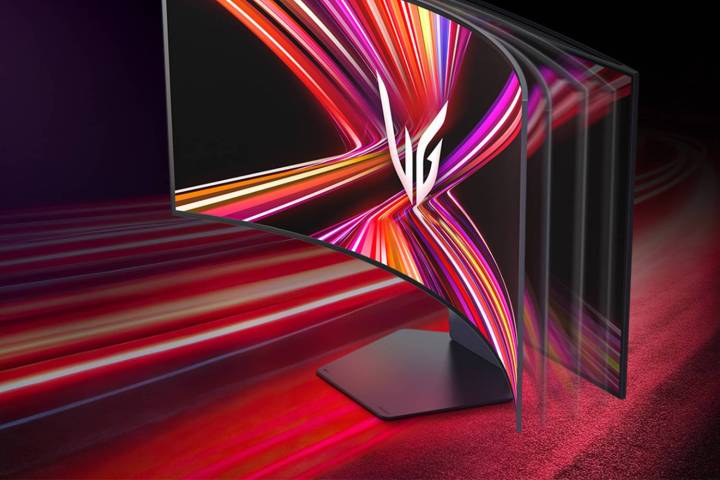
The UltraGear 45GX990A’s bendable design allows it to shift from a flat screen to a dramatic 900R curve in mere seconds. While this is not the first bendable OLED monitor seen, with models like Corsair’s Xeneon Flex introduced in 2022 and LG’s own OLED Flex in 2023, this model stands out due to its superior resolution. The 45-inch display has a 21:9 aspect ratio with a resolution of 5120 x 2150.
LG has enhanced its Dual-Mode functionality with this model, which was present in last year’s monitors, enabling users to toggle between different resolution/refresh rate configurations to suit the game being played.
Additionally, LG is set to launch a non-bendable version of this monitor called the 45GX950A, retaining the same resolution and improved Dual-Mode features. Specific pricing and availability details are still under wraps, but it’s anticipated that the non-bendable variant will be more budget-friendly.
Alongside the larger model, LG introduced the UltraGear 39GX90SA, featuring built-in smart capabilities powered by webOS, the same operating system found in their televisions. This means it can operate independently of a connected PC or streaming device. This development follows the trend of smart monitors, similar to LG’s MyView Smart Monitor series, but marks the first instance of smart technology being integrated into a gaming monitor.
The UltraGear 39GX90SA offers a 39-inch display with a 21:9 aspect ratio and an 800R curvature. Like its larger counterpart, it is OLED and includes an innovative “L-shaped” monitor stand, though LG has yet to disclose the refresh rate for this model.
More details about these new monitors will be revealed at CES, where we look forward to experiencing them firsthand.
Related Articles
Asus’ latest monitor caters to both esports and AAA gaming.
LG introduces its fastest OLED monitor yet for $800.
Sony may boast the best 480Hz OLED, but it needs to catch up.
Television technology has significantly evolved over the years, and consumers often find themselves torn between different types of TVs. Among the most popular options are OLED (Organic Light-Emitting Diode) and LED (Light Emitting Diode) TVs. Each has its own set of advantages and disadvantages. Let’s delve into the details to determine whether investing in an OLED TV is worth it compared to an LED model.
Understanding OLED and LED Tech
What is OLED?
OLED TVs use organic compounds that emit light when an electric current is applied. This technology allows each pixel to produce its own light, leading to remarkable contrasts and vibrant colors. Here are some key points about OLED TVs:
Self-Emitting Pixels: Each pixel can be turned on or off independently, resulting in true blacks and an infinite contrast ratio.
Wide Viewing Angles: OLED screens maintain color accuracy and brightness, even from off-angles, making them ideal for group viewing.
Thin and Lightweight Design: OLED panels can be incredibly slim, making them easier to mount and integrate into your living space.
What is LED?
LED TVs, on the other hand, utilize a backlight made of LED bulbs to illuminate an LCD panel. While these TVs have advanced significantly, there are a few distinctions to note:
Backlit Technology: The LED backlight shines through the LCD layer, which can limit the contrast between dark and bright scenes.
Affordability: LED TVs typically cost less than OLED models, making them an appealing choice for budget-conscious consumers.
Brightness: LED TVs can achieve higher overall brightness levels, which might be beneficial in well-lit rooms.
Pros and Cons of OLED vs. LED
Advantages of OLED TVs
Superior Picture Quality: The ability of OLED to render true blacks enhances the overall picture quality immensely.
Faster Response Times: OLED displays have quicker refresh rates, which can eliminate motion blur in fast-moving scenes, ideal for sports and action films.
Design Aesthetic: The sleek appearance of OLED TVs allows for attractive wall mounting and smaller setups.
Disadvantages of OLED TVs
Price: OLED models are generally more expensive than their LED counterparts, which can deter many buyers.
Screen Burn-in: Extended exposure to static images can cause permanent burn-in on OLED screens, a rare but notable issue.
Fragility: OLED screens may be more susceptible to damage than traditional LED panels.
Advantages of LED TVs
Cost-Effective: For those on a budget, LED TVs often offer similar viewing experiences at considerably lower prices.
Better Brightness: LED TVs excel in bright environments and can deliver higher lumens than OLED, making them practical for sun-soaked rooms.
Durability: Generally, LED TVs are less susceptible to screen burn-in and damage.
Disadvantages of LED TVs
Limited Contrast: The backlit nature means that LED TVs can struggle to produce true blacks, making dark scenes less immersive.
Narrower Viewing Angles: LED displays often experience color distortion when viewed from the side, affecting viewer experience in larger groups.
Thicker Design: Many LED models are bulkier than OLED options, which can be a concern for aesthetic preferences.
Key Considerations for Buyers
When deciding between OLED and LED, think about the following factors:
Viewing Environment: If your room has lots of natural light, an LED TV may be more suitable due to its brightness capabilities.
Usage Purpose: For movie enthusiasts and gamers who prioritize picture quality, an OLED TV may be worth the investment.
Budget: Evaluate what you’re willing to spend. If the benefits of OLED do not justify the higher price for your situation, LED remains a solid choice.
Final Thoughts
In summary, choosing between OLED and LED boils down to personal preference, budget, and usage scenarios. Both types of TVs have their unique advantages, and the ideal choice will depend on how you plan to use your television and in what environment it will be placed. Whether you opt for the stunning visuals of OLED or the practicality of LED, you can find a television that fits your viewing needs perfectly.
The Nintendo Switch has become a staple in the gaming world since its release in 2017. With the arrival of the Nintendo Switch OLED model in 2021, many gamers are pondering whether this new version outshines the original. In this article, we will explore the key differences and features to help you decide which model might be the better fit for your gaming needs.
Key Differences Between the Switch and Switch OLED
Display Quality
One of the most noticeable improvements in the OLED model is its display:
Screen Size: Both models feature a 7-inch screen, but the OLED version has a vibrant OLED panel that enhances visual performance.
Color and Contrast: The OLED display offers deeper blacks, more vivid colors, and improved contrast ratios, providing a more immersive gaming experience.
Viewing Angles: The OLED panel allows for wider viewing angles, making it easier to enjoy the screen from various positions, which is ideal for multiplayer gaming sessions.
Audio Enhancements
The audio output in the Switch OLED has also been upgraded:
Improved Speakers: The OLED model features enhanced stereo speakers that deliver clearer sound compared to the original Switch.
Audio Quality: Gamers can look forward to a more robust audio experience, whether playing in handheld mode or docked.
Design and Build
The Switch OLED boasts several design tweaks that enhance usability:
Wider Kickstand: A major upgrade is the wider, adjustable kickstand, which offers stability in tabletop mode and allows for more comfortable viewing angles.
Premium Feel: The OLED version has a more refined design with a sleek finish, making it visually appealing.
Larger Storage: It comes with 64 GB of internal storage, double the original, allowing for more game downloads and saves.
Battery and Performance
Overall, both models maintain similar battery life and performance:
Battery Life: Both the Switch and Switch OLED offer approximately 4.5 to 9 hours of battery life, depending on the game being played.
Performance: Both models run the same games at the same performance levels, so there are no significant differences in gameplay experience.
Price and Availability
Price is an important factor for many potential buyers:
Cost Comparison: The Switch OLED typically comes at a higher price point compared to the original.
Value for Money: Gamers must weigh whether the enhancements are worth the additional expense based on their individual gaming preferences.
Which Model is Right for You?
Choosing between the Switch and the Switch OLED ultimately depends on your gaming habits and preferences:
Consider the Switch OLED if:
You value superior display quality and enhanced audio.
You often play in handheld mode, making the improved kickstand beneficial.
You prefer a more premium design and increased storage capacity.
Stick with the Original Switch if:
You’re on a tighter budget and want to save money.
You do not prioritize having the latest visual or audio features.
You mainly play games docked and don’t need an upgraded handheld experience.
Based on your specific needs and gaming style, the decision between the Switch and Switch OLED should become clearer. Whether you’re a casual or serious gamer, evaluating these key aspects can help you make the best choice for your gaming journey.
I’m still processing this unexpected news. My coworker Caleb Denison just dropped some jaw-dropping information in my inbox: “Walmart has the Sansui OLED for $600 right now — it’s absolutely wild.” He’s completely right. Both Walmart and Amazon currently list Sansui’s new 55-inch 4K OLED TV at this incredible price, and it’s hard to believe.
Unboxing the New Sansui 55-Inch OLED TV
When Sansui revealed its 55-inch OLED TV back in October for $800, it was already the most affordable option in the OLED market. Now, with Walmart slashing the price to $600, we are really entering a new price bracket for OLED TVs.
OLED TVs traditionally come with a higher price tag compared to similar QLED models. Take LG’s OLED B4 model, which until recently was the most budget-friendly OLED at $1,000 for the same 55-inch size during LG’s Black Friday sales. Even at that price drop, Samsung’s excellent 55-inch Neo QLED 4K QN90C is still priced at $900.
Chris Hagan / Digital Trends
So, for Sansui to step in and offer a 55-inch 4K OLED for just $600 is undeniably groundbreaking.
While Caleb has unboxed a Sansui 55-inch OLED and initially praised its performance upon powering it up, he’s yet to conduct his thorough review. There’s potential for him to uncover limitations during his comprehensive testing.
However, based on initial feedback, it appears that this is a truly remarkable development in OLED TV pricing.
Here’s a rundown of what the Sansui S55VOUG (its official model number) offers:
Frameless design
Dolby Vision and HDR10 support
Dolby Atmos audio
Google TV with a voice remote
Bluetooth connectivity for headphones
Multiple connectivity options including USB and optical, plus built-in Wi-Fi ac
Two HDMI 2.1 ports (one featuring eARC) with Variable Refresh Rate (VRR) and Auto Low Latency Mode (ALLM)
Two HDMI 2.0 ports
AI-Powered Karaoke feature
While Sansui claims the TV features four HDMI ports, it’s unclear how many of these will support the HDMI 2.1 specifications or if it includes 4K/120Hz support.
It’s wise to maintain realistic expectations regarding the audio quality. While Dolby Atmos is included, the S55VOUG has only two 10-watt integrated speakers, which may not deliver an immersive sound experience. Investing in a soundbar might be a better choice.
The “AI-Powered Karaoke” feature is still somewhat mysterious. Sansui describes it as the ability to remove vocals from YouTube videos in real time while showing lyrics on-screen. Although their product page initially suggested that the TV would include two wireless microphones, this appears not to be the case.
The Nintendo Switch continues to be a major player in the gaming world, allowing players to enjoy their favorite titles both at home and on the go. With the release of the Nintendo Switch OLED model, many gamers are left wondering: is it worth the upgrade? Below, we’ll explore the main differences between the original Switch and the Switch OLED to help you make an informed decision.
Display Quality
One of the most significant enhancements in the Switch OLED is its display.
Key Differences:
Screen Size: The OLED model features a 7-inch screen compared to the original model’s 6.2-inch display.
Brightness: The OLED screen offers improved brightness levels, which enhances gameplay in various lighting conditions.
Audio and Speakers
The audio experience is another area where the Switch OLED shines.
Features:
Enhanced Speakers: The newer model comes with improved audio output for handheld play, providing clearer sound.
Audio Quality: The richer audio makes dialogue and sound effects more immersive, especially when playing games with intricate sound design.
Design and Build Quality
The overall design of the devices also presents notable differences.
Comparison:
Kickstand: The OLED version features a wider, more adjustable kickstand, allowing for better stability during tabletop gaming.
Storage: The OLED model comes with 64 GB of internal storage compared to the 32 GB in the original Switch. This provides more space for game downloads and saves.
Battery Life
Both models offer impressive battery life, but there are nuances.
Similarities and Differences:
Battery Life: Both the original and OLED models achieve around 4.5 to 9 hours of playtime, depending on the game being played.
Charging Port: Both models utilize a USB-C port, allowing for easy charging with compatible devices.
Price Point
When it comes to the cost, budgets can also influence your decision.
Pricing Overview:
Original Switch: Generally priced lower than the OLED model.
Switch OLED: Since it offers several enhancements, it comes with a higher price tag.
Game Compatibility
Both models are part of the same family, which means game compatibility is not a concern.
Information:
Library Access: All Nintendo Switch games can be played on both the original and OLED models, so any game purchases you make are safe regardless of which console you choose.
Final Thoughts
The decision between the Nintendo Switch and the Switch OLED ultimately comes down to personal preference and budget. If you prioritize enhanced display quality, improved audio, and a better build, the Switch OLED is likely the better choice. However, if you are satisfied with the original model and are looking to save money, the standard Switch still offers a fantastic gaming experience. Whether you’re picking up your first Nintendo console or considering an upgrade, both versions cater to a wide range of gaming styles and needs.
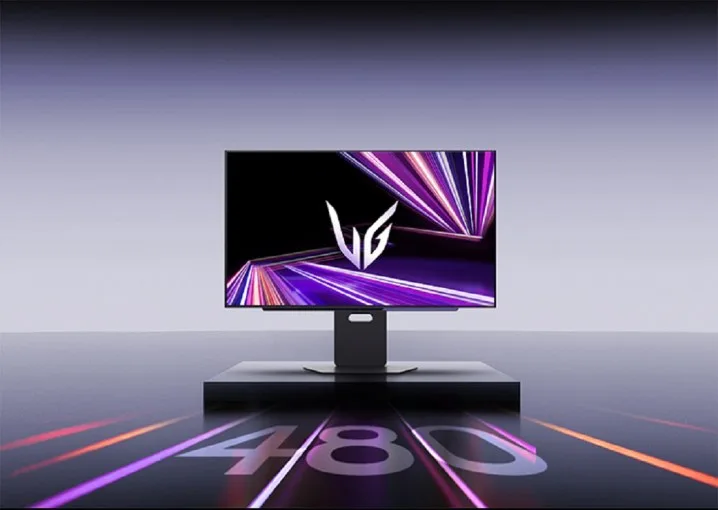
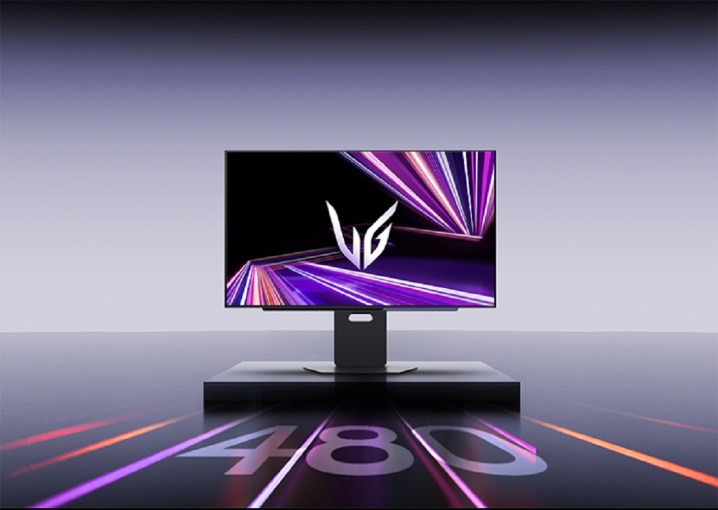
LG is set to release its swiftest OLED gaming monitor yet. The new UltraGear GX7 boasts a 1440p resolution with a WOLED panel designed by LG Display, achieving an incredible 480Hz refresh rate that positions it among the elite gaming monitors available.
Similar specifications have appeared before, notably with the Sony InZone M10S and the Asus ROG Swift PG27AQDP, both featuring the same 1440p panel and 480Hz refresh rate. However, the UltraGear GX7 distinguishes itself with a price point of $1,000, which is $100 less than Sony’s offering.
Additionally, LG has integrated a DisplayPort 2.1 connection to enhance compatibility with next-gen graphics cards expected to debut in early 2025. This aligns with the anticipated release of Nvidia’s RTX 50-series and AMD’s RDNA 4 GPUs, making the DisplayPort 2.1 feature a noteworthy inclusion.
As of now, only Sony has included DisplayPort 2.1 in its 1440p, 480Hz OLED model, the PG27AQDP, which also retails at $1,000. Given the favorable pricing compared to Sony and the superior DisplayPort standard over Asus, LG may present the top version of this panel to date. While Acer is also working on a version of this panel, it has yet to officially launch one.
Although LG previously introduced a 480Hz OLED with its unique UltraGear Dual Mode OLED, this marks its first high-refresh-rate 1440p model. Observations of other monitors featuring this panel indicate that OLED technology effectively utilizes the high refresh rate, surpassing competitors like the Alienware 500Hz gaming monitor in motion clarity.
Currently, LG has made the available for pre-order until December 22. Additionally, LG is offering a holiday promotion where eligible UltraGear monitor purchases, including the new GX7, will come with a free $200 prepaid MasterCard. This promotion effectively reduces the cost to below $800 for the next month, offering a more attractive deal compared to both Asus and Sony.
With the rapid advancement in display technology, two leading contenders have emerged in the quest for the best viewing experience: OLED (Organic Light Emitting Diode) and QLED (Quantum Dot Light Emitting Diode). Both have unique strengths and weaknesses, making them appealing for different types of viewers. Let’s delve into the specifics of each technology to understand which might be the better choice for your home entertainment system.
What is OLED?
Key Features of OLED
Self-Emissive: Each pixel in an OLED display produces its own light, allowing for true blacks and exceptional contrast.
Thin and Flexible: OLED panels can be made thinner and even curved, offering innovative design possibilities.
Wide Viewing Angles: Colors and brightness remain consistent even when viewed from extreme angles.
Advantages of OLED
Superior Black Levels: With the ability to turn off individual pixels, OLED screens achieve perfect blacks, enhancing overall picture quality.
Vibrant Colors: OLED displays produce highly saturated colors that pop, making them ideal for movie enthusiasts and gamers.
Fast Response Times: The speed of OLED pixels allows for smooth motion handling, reducing blurring in fast-paced scenes.
What is QLED?
Key Features of QLED
Quantum Dot Technology: QLED uses quantum dots to enhance color and brightness by filtering light from a backlight.
High Brightness Levels: QLED screens can achieve higher brightness levels than OLED, making them suitable for well-lit rooms.
Durability: QLED technology is generally less susceptible to burn-in, a potential issue with OLED displays.
Advantages of QLED
Brighter Images: QLED displays excel in bright conditions, offering better performance in sunlit rooms.
Excellent Color Volume: The use of quantum dot technology allows QLED to produce a broader range of colors, especially at high brightness levels.
Longevity: QLED screens typically have a longer lifespan with no risk of burn-in, making them practical for varied viewing habits.
Comparing OLED and QLED
Picture Quality
Black Levels: OLED stands out with its ability to render true blacks due to individual pixel control.
Brightness: QLED shines in bright environments, delivering vivid images under high ambient light.
Color Accuracy
Saturation and Depth: OLED often leads in color depth and saturation due to its self-emissive nature.
Brightness and Range: QLED can produce vibrant colors at higher brightness, making it appealing for daytime viewing.
Viewing Experience
Viewing Angles: OLED offers wider viewing angles, making it ideal for large gatherings.
Motion Handling: OLED’s rapid pixel response makes it preferable for action-packed scenes and gaming.
Burn-In and Longevity
Burn-In Risk: OLED displays may experience burn-in if static images are displayed for extended periods.
Durability: QLED technology avoids this issue, making it a better choice for TV channels or gaming with static interfaces.
Cost Consideration
Price: Generally, OLED TVs tend to be pricier compared to QLED models, reflecting their advanced technology and picture quality.
Investment: While OLED offers unmatched picture quality, consider your viewing habits and room conditions when investing.
In the debate of OLED versus QLED, the right choice hinges on your personal needs and viewing preferences. Whether you lean towards the vibrant colors and deep blacks of OLED or the brightness and durability of QLED, both technologies deliver impressive viewing experiences tailored to different environments and tastes.
When it comes to modern television technology, OLED and 4K UHD are two terms frequently thrown around. While they both represent advancements in display technology, they refer to different aspects of the television viewing experience. Understanding the distinction between them can help you make an informed decision when upgrading your home entertainment system.
What is OLED?
OLED, which stands for Organic Light Emitting Diode, is a display technology wherein each pixel produces its own light rather than relying on a backlight. This unique characteristic results in some distinct advantages:
Benefits of OLED:
Deep Black Levels: OLED screens can turn off individual pixels completely, allowing for true blacks.
Vibrant Colors: The ability to control each pixel independently enhances color accuracy and intensity.
Wide Viewing Angles: OLED panels maintain consistent color and brightness even when viewed from an angle.
Thin Form Factor: OLED displays can be incredibly thin, allowing for sleek designs.
What is 4K UHD?
4K UHD refers to the resolution of the display. The term "4K" indicates a horizontal resolution of approximately 4,000 pixels, offering four times the pixel count of Full HD (1080p). This results in sharper images and more detail.
Advantages of 4K UHD:
High Detail: With more pixels, 4K UHD provides a clearer and more detailed picture.
Enhanced Texture: Fine details, such as fabric weaves or subtle facial expressions, become more pronounced.
Future-Proofing: As more content becomes available in 4K, having a UHD TV ensures you can enjoy it.
Smart Features: Many 4K UHD televisions come with advanced smart features and better HDR compatibility.
Comparing OLED and 4K UHD
When evaluating whether OLED is better than 4K UHD, it’s essential to recognize that they cater to different aspects of visual experience. Below is a breakdown comparing both technologies:
1. Picture Quality
OLED: Mastery in contrast with rich blacks and vibrant colors.
4K UHD: Improved resolution that enhances sharpness and detail but can depend on the display technology used.
2. Viewing Experience
OLED:
Best suited for darker environments due to its deep blacks.
Offers better performance at wide angles.
4K UHD:
Performs well in well-lit rooms due to its high pixel density.
Works with various display types (LED, LCD) not exclusive to OLED.
3. Content Availability
OLED: While OLED technology is highly regarded for its picture quality, it does not inherently dictate content availability.
4K UHD: Increasingly, streaming platforms, Blu-ray discs, and gaming consoles are offering more 4K content, making it crucial for consumers.
4. Cost Considerations
OLED TVs: Typically more expensive due to advanced technology and manufacturing processes.
4K UHD TVs: Available in a wide range of price points, including more budget-friendly options as the technology matures.
The Bottom Line
Ultimately, it’s not a matter of one being categorically better than the other. Instead, your decision should be based on individual viewing preferences and needs. Choosing between OLED and 4K UHD comes down to how you value picture quality versus resolution and what environment you plan to watch your television in. Both technologies are fantastic, but understanding their unique strengths can help you find the best display for your home.
Starting in 2025, Apple will transition all its iPhone models to organic light-emitting diode (OLED) displays, phasing out the use of liquid crystal displays (LCDs) entirely.
The shift to OLED is driven by the technology’s ability to deliver more vibrant colors and sharper contrast, making it ideal for high-definition video content.
This transition will notably exclude Japan’s Sharp and Japan Display (JDI) from Apple’s supply chain. Approximately a decade ago, these companies together held a 70% share of the iPhone display market. However, their recent contributions have been limited to supplying LCDs for the iPhone SE, with no significant production of OLED displays for smartphones.
Reports indicate that Apple has already begun placing orders for OLED displays for its upcoming iPhone SE model from China’s BOE Technology Group and South Korea’s LG Display.
Apple first introduced OLED panels with the iPhone X in 2017 and has since incorporated OLED technology into its high-end models. The company also utilized OLED screens in the latest generation of iPad Pro models launched in May.
Representatives from Sharp, Japan Display, and LG Display have declined to comment on the matter. Apple has yet to respond to requests for comment.
Discover the ultimate visual experience: OLED vs 4K UHD. Uncover which technology reigns supreme for breathtaking picture quality.
Table of Contents
Understanding the Difference: OLED vs. 4K UHD
When it comes to choosing a new television, consumers are often faced with a multitude of options, each boasting different features and technologies. Two popular choices in the market today are OLED (Organic Light Emitting Diode) and 4K UHD (Ultra High Definition) televisions. Understanding the difference between these two technologies is crucial in making an informed decision.
Photo by Karolina Grabowska
OLED technology is known for its ability to produce stunning picture quality. Unlike traditional LED TVs, OLED TVs do not require a backlight. Instead, each pixel in an OLED display emits its light, resulting in perfect black levels and vibrant colors.
This allows for an infinite contrast ratio, meaning that the difference between the darkest and brightest parts of an image is truly remarkable. On the other hand, 4K UHD refers to the resolution of the television. It offers four times the number of pixels as a standard Full HD TV, resulting in sharper and more detailed images.
Unveiling the Advantages of OLED Technology
One of the key advantages of OLED technology is its ability to produce deep blacks. With no backlight, OLED pixels can be turned off completely, resulting in true black levels. This creates a sense of depth and realism in the image, enhancing the overall viewing experience. Additionally, OLED displays have a wide color gamut, meaning they can reproduce a larger range of colors. This results in more accurate and vibrant colors, making the image on the screen appear more lifelike.
Photo by Designecologist
Another advantage of OLED technology is its fast response time. Each pixel in an OLED display can switch on and off individually, allowing for quick transitions between colors and reducing motion blur. This is particularly beneficial for watching fast-paced action scenes or playing video games, where smooth and fluid motion is essential.
Exploring the Benefits of 4K UHD Resolution
While OLED technology excels in producing stunning picture quality, 4K UHD resolution offers its own set of benefits. With four times the number of pixels as a Full HD TV, 4K UHD displays provide sharper and more detailed images. This is especially noticeable on larger screens, where the increased pixel density ensures that the image remains crisp and clear, even when viewed up close.
Furthermore, the higher resolution of 4K UHD allows for a more immersive viewing experience. It brings out finer details in the image, making it feel more lifelike and realistic. Whether you’re watching a nature documentary or a blockbuster movie, the enhanced level of detail provided by 4K UHD resolution adds depth and richness to the visuals.
Making the Choice: Is OLED Better than 4K UHD?
When it comes to choosing between OLED and 4K UHD, it ultimately depends on your priorities and preferences. If you value picture quality above all else, OLED technology is the clear winner. Its ability to produce deep blacks, vibrant colors, and fast response times creates a visually stunning experience. However, if you prioritize resolution and crave the sharpest and most detailed images, 4K UHD is the way to go.
Photo by Czapp Árpád
It’s worth noting that some televisions on the market today offer the best of both worlds, combining OLED technology with 4K UHD resolution. These TVs provide the benefits of OLED’s superior picture quality while also delivering the increased detail and sharpness of 4K UHD. However, they often come with a higher price tag.
Verdict: Which One Is Better?
In conclusion, both OLED and 4K UHD technologies have their unique advantages. OLED excels in producing stunning picture quality with deep blacks and vibrant colors, while 4K UHD offers sharper and more detailed images. Ultimately, the choice between the two depends on your personal preferences and budget.