الوسم: obesity

  • أدوية خسارة الوزن الشائعة قد تزيد من تساقط الشعر

    تساقط الشعر المرتبط بـ GLP-1
    مصدر الصورة: Unsplash+

    لقد غيرت أدوية شهيرة مثل أوزيمبيك، ويغوفي وZepbound طريقة علاج مرض السكري من النوع الثاني والسمنة بشكل كبير.

    تشير دراسة وراثية حديثة إلى أن هذه الأدوية قد تزيد بشكل طفيف من احتمالات تساقط شعر الرجال الذين يمتلكون وراثياً استعداداً لذلك.

    وجد باحثون في مركز لانغون للجامعة نيويورك أدلة تربط بين نشاط أقوى لنظام مستقبلات GLP-1 ووجود حالة الثعلبة الوراثية، المعروفة شعبياً باسم الصلع لدى الرجال. وقد قدر التحليل أن هناك زيادة حوالي 7% في احتمالية تساقط الشعر.

    نُشرت الدراسة على الإنترنت في 3 سبتمبر في مجلة الأمراض الجلدية التحقيقية. يقول الباحثون إن نتائجها تقدم أول دليل وراثي يدعم الصلة التي كان يشتبه بها الأطباء والمرضى مع انتشار استخدام أدوية GLP-1.

    أدوية GLP-1 تقلد تأثير هرمون طبيعي يشارك في تنظيم مستويات السكر في الدم والشهية. فهي تساعد الجسم على إفراز الأنسولين عند الحاجة، وتقلل الشهية، وتبطئ حركة الطعام عبر المعدة، مما يؤدي إلى خسارة وزن ملحوظة.

    تم الإبلاغ عن ترقيق الشعر من قبل بعض من يتناولون هذه الأدوية، ومع ذلك كان التفسير الشائع حتى الآن هو فقدان الوزن السريع بدلاً من تأثير مباشر من الأدوية نفسها.

    يمكن للتغيرات الكبيرة في الوزن أن تضع ضغطاً على الجسم وتدفع مؤقتاً بعدد أكبر من الشعر إلى مرحلة الراحة. وبعد عدة أشهر، قد يتساقط ذلك الشعر، إلا أن النمو غالباً ما يعود عندما يستقر الوزن والتغذية.

    رغب فريق الباحثين في معرفة ما إذا كانت هناك تفسير وراثي آخر، فركزوا على جين GLP1R الذي يتحكم في مستقبل يستخدمه GLP-1 والأدوية التي تعمل على نفس المسار البيولوجي.

    بدلاً من إعطاء أدوية GLP-1 للناس والانتظار لرصد تساقط الشعر، استخدموا الاختلافات الوراثية الطبيعية كطريقة لدراسة نشاط مستقبل GLP-1 على المدى الطويل، وقارنوها بمعلومات وراثية مرتبطة بتساقط الشعر بشكل نمطي عند الرجال.

    يعتمد تساقط الشعر النمطي لدى الرجال بشكل كبير على العوامل الوراثية والهرمونات. غالبًا ما يتسبب في ترقق تدريجي حول الصدغين، مقدمة الرأس، والتاج، ويصبح شائعاً مع تقدم العمر.

    وجد التحليل أن الإشارات الوراثية المرتبطة بزيادة نشاط مستقبل GLP-1 كانت أيضاً مرتبطة بزيادة فرصة الإصابة بالصلع الوراثي عند الرجال، مع تقدير لزيادة الاحتمالية بنحو 7%، مما يشير إلى تأثير بسيط بدلاً من ضمان أن يتعرض الشخص الذي يتناول دواءً من نوع GLP-1 لتساقط شعره.

    كما اختبر الباحثون ما إذا كانت عوامل صحية أخرى يمكن أن تفسر النتائج، ووضحوا أن ارتفاع ضغط الدم، الذي أُربط سابقاً بتساقط الشعر، لم يقلل من معدل الارتباط. كما فحصوا مقاومة الأنسولين ومستويات التستوستيرون المنخفضة، ولم تكن هذه العوامل قادرة على إزالة الارتباط البالغ 7%، مما يعزز أن مسار GLP-1 نفسه قد يكون معنيًا.

    المعلومات الوراثية جاءت من قواعد بيانات عامة كبيرة، واحدة شملت 31,684 شخصاً، أغلبهم من البيض، وأخرى تضمنت معلومات من أكثر من 205,000 شخص، معظمهم من البيض أيضاً.

    ركز الباحثون على تساقط الشعر النمطي للرجال نظراً لفهمهم الأفضل لوراثته مقارنة مع تساقط الشعر لدى النساء، مما يعني أن الدراسة لم تثبت بعد ما إذا كانت النساء اللاتي يتناولن أدوية GLP-1 معرضات لنفس الخطر الوراثي.

    إذا أكدت الدراسات المستقبلية نتائج الدراسة، فقد تساعد النتائج الأطباء في التنبؤ بالأشخاص الأكثر عرضة لتساقط الشعر قبل بدء العلاج، ويفكر الباحثون في إمكانية دراسة علاجات وقائية، مثل أدوية دعم نمو الشعر، جنباً إلى جنب مع علاج GLP-1.

    لكن، لا يُعتبر هذا البحث دليلاً قاطعاً على أن أوزيمبيك، ويغوفي، Zepbound أو أدوية مماثلة تسبب بشكل مباشر الصلع الوراثي لدى الرجال. الدراسات الوراثية تقدم مؤشرات قوية، لكنها لا تُمثل بالكامل ما يحدث عند تناول الفرد للدواء بجرعة معينة.

    كما أن حجم التأثير المقدر، الذي يبلغ حوالي 7%، يعد صغيرًا نسبياً، فالفوائد الصحية لأدوية GLP-1 قد تكون كبيرة وتساعد على علاج السمنة، السكري، ومشاكل صحية أخرى.

    ومن ضمن القيود أن قواعد البيانات الوراثية كانت خاصة بأشخاص ذوي أصول بيضاء؛ لذا يتوجب إجراء المزيد من الدراسات على مجموعات أكثر تنوعاً قبل تعميم النتائج على الجميع.

    في المجمل، تعزز الدراسة فهمنا لعلاقة أدوية GLP-1 وتساقط الشعر، وتوضح أن فقدان الوزن السريع قد لا يكون السبب الوحيد، وأن الوراثة قد تلعب دورًا في زيادة حساسية بعض الرجال. ومع ذلك، يتطلب الأمر المزيد من الأبحاث السريرية قبل أن يُغير الأطباء من طرق وصف هذه الأدوية.

    إذا كنت مهتماً بفقدان الوزن، اطلع على الدراسات التي تتناول الحميات العلاجية لمرض الكبد الدهني، والسمنة، وأثر مستخلص الحبحب في تقليل دهون البطن لدى الأشخاص الذين يعانون من زيادة الوزن.

    للحصول على المزيد من المعلومات الصحية، اقرأ الدراسات الحديثة عن طرق كبح الرغبة في تناول الأطعمة الجاهزة، ونتائج الأبحاث حول الأطعمة التي تسرع من معدل الأيض لديك.

    المصدر: جامعة نيويورك.

  • Scientists Discover New Method to Boost Body Fat Burning

    Scientists Discover New Method to Boost Body Fat Burning

    Credit: Unsplash+.

    Most of today’s new weight-loss medications work by suppressing appetite, helping people eat less. However, researchers at the University of California, Berkeley, are exploring an alternative approach that targets energy expenditure instead.

    Rather than focusing primarily on reducing food intake, an experimental drug appears to increase how much energy the body burns.

    The compound is called TOFA, short for 5-tetradecyloxy-2-furoic acid.

    In recent mouse studies, scientists observed that TOFA helped lower body fat, improved blood sugar regulation, and decreased unhealthy blood fats. These results were published in Science Advances.

    This research comes amid a significant shift in obesity treatment options. Medications like Ozempic and Wegovy contain semaglutide, while Mounjaro and Zepbound include tirzepatide.

    These drugs target hormones that influence appetite, blood sugar, and digestion, often leading to significant weight loss for many users.

    While these medications offer benefits for those with obesity, diabetes, and related health issues, they can also cause side effects such as nausea, vomiting, diarrhea, or constipation—especially when starting treatment or increasing doses.

    Because patients often eat less while using these drugs, doctors also focus on ensuring proper nutrition and preventing muscle loss during weight reduction.

    Muscle loss is concerning since total body weight doesn’t fully reflect overall health. Losing excess fat can boost metabolic well-being, but losing too much muscle can weaken strength and reduce physical function.

    This is particularly problematic for older adults and individuals already at risk for frailty.

    The Berkeley team aimed to find another strategy to encourage weight loss. Body weight depends partly on the balance between calories consumed and calories burned. While GLP-1 medications mainly influence appetite, this study focused on boosting energy expenditure.

    TOFA isn’t a newly discovered chemical. It’s been known for decades and is understood to interfere with enzymes called ACCs, which help the body convert food into fatty acids that can be stored or used for energy.

    Blocking ACC enzymes sounds promising for reducing fat, but previous efforts faced challenges. Some ACC inhibitors unexpectedly increased triglycerides in the blood, raising concerns since high triglycerides are linked to cardiovascular risk, which limited enthusiasm for this approach.

    However, the new findings suggest TOFA might behave differently, as it appears to affect multiple aspects of metabolism simultaneously. Besides slowing fat production (like cholesterol and triglycerides), it also activates genes involved in fat utilization, causing cells to burn more fuel.

    This effect is partly linked to two cell receptors called PPAR-alpha and PPAR-delta, which regulate genes related to fat processing and energy production. When activated, these receptors promote the uptake and use of fatty acids as fuel.

    In treated mice, this resulted in up to an 18% increase in energy expenditure. Notably, this wasn’t due to increased activity or heat production, as body temperature remained stable. This indicates that the metabolism itself was driving the increased energy use.

    Additionally, TOFA improved several indicators associated with type 2 diabetes. The mice became more responsive to insulin, leading to better blood sugar control, and their triglyceride levels decreased instead of rising.

    The compound also positively impacted fatty liver disease, a condition characterized by excess fat accumulation in the liver, strongly linked to obesity and insulin resistance. Over time, fatty liver can progress to inflammation, scarring, and serious liver damage.

    One of the most striking results was the change in body composition. Obese mice treated with TOFA lost fat without losing significant muscle mass, suggesting a potential way to achieve weight loss while preserving strength.

    The researchers also tested whether combining two separate drugs—one that inhibits fat production and another that stimulates energy burning—could replicate TOFA’s effects. Surprisingly, this two-drug combo was less effective overall than the single molecule, indicating TOFA may trigger a coordinated response in the body.

    Lead author Justin Y. Lee explained that TOFA seems to activate a linked process where fat production decreases and the body becomes more efficient at handling excess fat and glucose. Fully understanding this mechanism could be key to designing future therapies.

    Further, when TOFA was combined with existing GLP-1-based treatments like semaglutide or tirzepatide in mice, results improved even more. These animals showed greater reductions in body weight and better metabolic profiles compared to using each treatment alone. Blood sugar, insulin, and triglyceride levels all improved more with combination therapy.

    This combined approach is promising because these meds target different pathways — GLP-1 drugs mainly curb appetite, while TOFA boosts energy use. Targeting both sides of energy balance could yield stronger results.

    Nevertheless, caution is essential. TOFA’s safety and effectiveness in humans remain unproven. While animal studies reveal important biological insights, many promising drugs fail when tested in people.

    Questions about long-term safety also remain. Modifying how the body produces and burns fats could impact vital organs like the liver and heart. Further research will need to evaluate toxicity, dosing strategies, potential drug interactions, and whether increased energy expenditure can be maintained safely over time.

    The team has founded ReRx Therapeutics to continue developing this approach. More comprehensive safety studies are necessary before human trials can determine if TOFA or similar compounds could be viable treatments. Until then, TOFA stays in the experimental stage.

    This research broadens understanding of obesity therapies. While current GLP-1 drugs have shown that controlling appetite can produce significant weight loss, future treatments might also include medications that safely increase energy expenditure or help preserve muscle mass.

    What’s most encouraging is that TOFA improved multiple health issues in mice—excess fat, insulin resistance, elevated triglycerides, and fatty liver disease. Its enhanced effect when combined with GLP-1 medications is noteworthy, though human data is needed before any conclusions can be made regarding its benefit for people.

    The study was conducted at UC Berkeley and published in the peer-reviewed journal Science Advances.

  • Your Waistline Could Uncover Secret Health Dangers

    Your Waistline Could Uncover Secret Health Dangers

    A waist measurement with a tape can reveal more about someone’s health than many realize. Recent research from Rutgers Health indicates that simply measuring waist size could be a straightforward and effective way to identify excess body fat and associated health risks. The study, led by Aayush Visaria and published in JAMA Network Open, explored whether multiple body measurements are necessary or if simpler methods could provide similar insights.

    Obesity is commonly understood as having an excess of body fat, but accurately measuring fat in a typical healthcare setting can be challenging. Doctors often use the body mass index (BMI), which compares weight to height, because it’s quick and inexpensive. However, BMI has limitations: it doesn’t specify where fat is stored and can’t distinguish between muscle and fat. As a result, individuals with the same BMI might have very different levels of health risk.

    Fat around the waist, especially visceral fat surrounding internal organs, is particularly concerning. Increased abdominal fat has been linked to higher risks of type 2 diabetes, heart disease, strokes, and other health problems. To compare different methods of identifying obesity, the Rutgers team analyzed data from about 1,900 adults aged 20 to 59, collected through the National Health and Nutrition Examination Survey. This program gathers detailed health and nutrition data from Americans.

    The researchers evaluated several obesity definitions against precise body fat measurements and also tested a newer approach combining multiple measurements, including BMI, waist size, waist-to-height ratio, and waist-to-hip ratio. Although this combined method detected more cases of excess body fat, simpler techniques performed nearly as well in correctly identifying obesity while minimizing false positives.

    Notably, checking either BMI or waist circumference alone was highly effective, with waist measurement by itself performing almost as well. This highlights that a basic tape measure could be surprisingly valuable in everyday health assessments. Since measuring the waist is quick and requires minimal equipment, it’s more practical for routine visits than some other measures like hip circumference, which isn’t typically recorded.

    The study also confirmed that relying solely on BMI can lead to missed diagnoses. Some individuals with significant body fat could have a BMI in the normal range, hiding their true health risk. Changes in clothing fit—like needing to loosen a belt or buy larger pants—can sometimes signal a growing waist and serve as a non-medical early warning that warrants further checking.

    While waist size is a helpful indicator, it doesn’t replace comprehensive health assessments. Blood pressure, blood sugar, cholesterol levels, family history, fitness, and age all play critical roles in evaluating risk for conditions such as diabetes or heart disease.

    The research has limits, including its focus on adults aged 20 to 59, so the findings might not extend perfectly to older populations. Additionally, measurement accuracy and individual health factors vary, meaning no single measure guarantees precise predictions for every person.

    Nevertheless, the findings support reintroducing tape measurements into standard health evaluations. Simpler methods like waist circumference can uncover risks that BMI alone might overlook, offering a low-cost, easy way for early detection of potential health issues. Future studies will help determine how well these strategies predict long-term health outcomes, but combining weight and waist size might enable earlier, more effective interventions to reduce lifelong risks.

  • New Obesity Drugs Deliver rapid weight loss with key trade-offs

    New Obesity Drugs Deliver rapid weight loss with key trade-offs

    Credit: Unsplash+

    Modern medications for obesity have shifted perceptions surrounding weight management. Today’s drugs enable patients to shed significantly more pounds than previous options, sparking enthusiasm among healthcare providers and the public alike.

    However, a recent comprehensive review published in The BMJ reveals that greater weight loss doesn’t necessarily equate to improved overall health. The study shows that while several medications lead to impressive weight reductions, gains in quality of life are often modest, and side effects tend to increase with more substantial weight loss.

    The review analyzed 262 randomized clinical trials involving nearly 100,000 adults who were overweight or obese. Researchers compared 19 different medications against placebo, lifestyle interventions, or other weight-loss treatments to assess their performance across various health metrics.

    The most effective weight-loss results came from tirzepatide and CagriSema, followed by oral semaglutide, injectable semaglutide, orforglipron, and phentermine-topiramate. Some newer medications also showed promise, but the evidence backing them remains limited due to fewer completed studies.

    Weight reduction was only one aspect examined. Researchers also assessed body fat, muscle mass, risk of serious heart events, kidney disease, quality of life, and adverse side effects. They found that the medications yielding the highest weight loss also tended to cause more nausea, vomiting, diarrhea, fatigue, and treatment discontinuation.

    Muscle loss was another key finding. Tirzepatide achieved the greatest fat reduction but also caused significant lean tissue loss. Since muscle tissue is vital for strength, balance, and physical function—especially in older adults—preserving it is crucial.

    The review indicated limited evidence that most medicines substantially improved daily quality of life. Only injectable semaglutide showed clear benefits in reducing all-cause mortality, heart attacks, and heart failure, while tirzepatide appeared to lower heart failure risk. None of the treatments significantly impacted kidney failure.

    It’s important to note that obesity management is typically a long-term pursuit. Many individuals regain weight after stopping medication, suggesting ongoing treatment might be essential to sustain benefits.

    The authors emphasize that selecting an obesity treatment requires careful discussion between patients and healthcare providers. Factors such as expected weight loss, side effects, long-term safety, costs, access, and personal health goals should all inform the decision—rather than focusing solely on the scale number.

    This review offers one of the most detailed comparisons available by integrating evidence from hundreds of clinical trials. Nonetheless, some uncertainties remain since many studies were relatively short, and several new drugs have limited supporting data.

    The findings remind us that effective obesity management involves much more than just weight loss. Long-term health, high quality of life, muscle preservation, cardiovascular health, affordability, and individual preferences should all be considered when choosing the best approach.

    If you’re interested in weight loss strategies, consider looking into studies suggesting that hop extract may help reduce belly fat, or that early time-restricted eating could support weight loss efforts.

    For more health updates, check out recent research on a straightforward path to weight loss and innovative non-invasive treatments for obesity and diabetes.

    Source: The BMJ.

  • A Common Fruit That Could Boost Heart Health Daily

    A Common Fruit That Could Boost Heart Health Daily

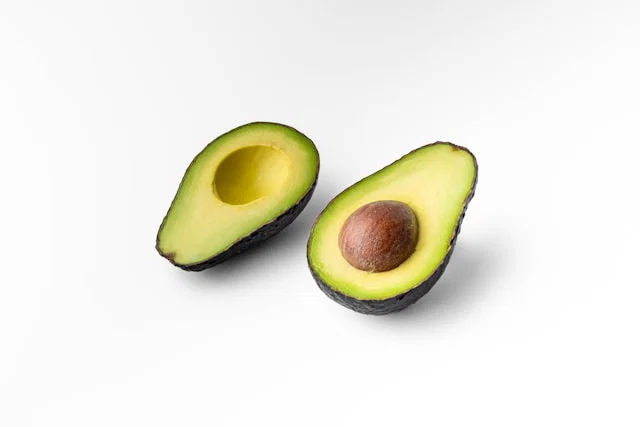
    Many individuals believe that strict dieting is necessary to enhance heart health, but emerging research indicates that a simple daily habit might make a positive difference. Researchers at Penn State investigated whether consuming one avocado each day could improve certain indicators associated with heart disease in adults with obesity. Their results, published in the Journal of Clinical Lipidology, provide optimistic news for those seeking practical dietary improvements.

    The study centered on LDL particles, tiny carriers that transport cholesterol through the bloodstream. While doctors typically measure LDL cholesterol levels in routine blood tests, scientists now recognize that the number of LDL particles is also crucial. When cholesterol resides in numerous small particles instead of fewer large ones, these particles are more likely to become trapped in arterial walls. Over time, this can lead to plaque formation, narrowing blood vessels, and increasing the risk of heart attacks and strokes.

    To determine whether avocados could influence these factors, researchers studied 786 adults with obesity. Participants were all at least 25 years old and had waist measurements that put them at higher risk for cardiovascular issues. One group continued their normal eating habits, while another added one avocado to their daily diet for six months, maintaining their usual physical activity levels.

    Blood tests performed before and after the intervention revealed that those who ate avocados experienced an average decrease of approximately 49 nanomoles per liter in LDL particles. Based on previous research, this reduction is associated with about a 4% decrease in heart disease risk. Notably, the benefits were consistent across different ages, genders, and ethnic backgrounds.

    While the study did not find significant changes in body weight or waist circumference, it highlights that healthier eating choices can improve internal health markers without necessarily resulting in visible weight loss. Avocados provide monounsaturated fats, fiber, potassium, and other nutrients that support healthy blood vessels and cholesterol regulation.

    Researchers emphasize that these beneficial nutrients likely work synergistically rather than through a single component. They also recommend that incorporating avocados into one’s diet should complement other healthy lifestyle practices—such as regular exercise, avoiding smoking, managing blood pressure, and consuming plenty of fruits, vegetables, and whole grains.

    The study’s design was robust, involving a large participant group followed over six months in real-world conditions rather than a controlled laboratory setting. This enhances the practical relevance of the findings. However, the observed improvements were modest, and since only adults with obesity participated, the results may not apply universally.

    Eating one avocado daily should not be viewed as a cure for heart disease or a substitute for an overall healthy diet. It’s important to consider caloric intake and consult healthcare providers before making significant dietary changes, especially for individuals with medical conditions.

    Overall, the research indicates that adding avocados to a balanced diet can support cardiovascular health, especially when combined with other healthy habits. For those interested in heart health, exploring topics like the best time to take vitamins or understanding how COVID-19 affects the heart can provide further insights. Additionally, recent studies show that aspirin may pose a higher risk of heart failure, and that blackcurrants might help improve artery function and lower blood pressure in older adults.

    Source: Penn State University.

  • Flexible Fasting Habit May Sustain Weight Loss Efforts

    Flexible Fasting Habit May Sustain Weight Loss Efforts

    Credit: Unsplash+

    Obesity remains one of the leading health issues worldwide, significantly increasing the risk of type 2 diabetes, heart disease, fatty liver, sleep apnea, and other health problems.

    Healthcare professionals often suggest reducing calorie intake and increasing physical activity, but maintaining weight loss after dieting can be difficult for many people.

    Recent research provides promising news, showing that limiting daily eating to an eight-hour window might make it easier to sustain weight loss. This study was conducted by researchers from the University of Granada, ibs.GRANADA, the Public University of Navarra, and CIBER, and was published in Clinical Nutrition.

    The study involved 99 adults who were overweight or obese. All participants learned how to follow a Mediterranean-style diet, but their meal schedules varied. One group ate over at least a 12-hour period each day.

    The other groups followed the popular 16:8 fasting pattern, restricting eating to an eight-hour window. Some finished their meals early in the afternoon, others later in the evening, and one group chose a schedule that suited their routine.

    Researchers tracked changes in body weight, fat, and lean mass throughout the 12-week program and again one year later. Results showed that participants who adhered to the eight-hour eating window retained more of their weight loss compared to the control group.

    Those who finished eating earlier also experienced a larger reduction in body fat. These findings imply that combining healthy eating with time-restricted fasting can lead to lasting benefits beyond the initial weight loss phase.

    Importantly, many volunteers continued their fasting routines without prompting, indicating that the approach might be practical for long-term adherence.

    Previous findings from the same project, published in Nature Medicine, also showed greater weight loss among those practicing time-restricted eating compared to just following general healthy eating advice.

    While intermittent fasting is gaining popularity, experts emphasize that it’s not a miracle cure. Maintaining a nutritious diet, staying active, getting enough sleep, and following medical guidance are still critical components of successful weight management.

    The study also suggests that strict adherence to a single timetable isn’t necessary, as both early and late eating windows proved effective. This flexibility could help more people stick with the routine for longer periods.

    Strengths of the study include a one-year follow-up after the 12-week intervention, allowing researchers to assess the durability of the results. It also compared different fasting schedules rather than testing only one type of intermittent fasting.

    However, with only 99 participants, larger studies involving diverse populations and age groups are needed. Since the research focused on overweight and obese adults, the findings might not apply universally.

    Additionally, because participants received education about the Mediterranean diet, some weight loss could stem from healthier eating habits beyond the fasting schedule itself.

    Overall, the results indicate that the 16:8 fasting method can be a practical and adaptable tool for many looking to maintain weight loss, especially when combined with a healthy diet and long-term lifestyle changes.

    If weight management is a concern, explore studies on diets that can help treat fatty liver disease, obesity, and the potential for hop extract to reduce belly fat in overweight individuals.

    For more insights, check out recent research on how to curb cravings for processed foods and strategies to boost your metabolism through better eating choices.

    Source: University of Granada.

  • New Fat-Burning Tablet Promises Weight Loss Without Reduced Eating

    New Fat-Burning Tablet Promises Weight Loss Without Reduced Eating

    Most modern weight-loss medications have traditionally worked by suppressing appetite to help individuals eat less. While this approach can lead to significant weight reduction and improved blood sugar levels, researchers are now exploring an entirely different method that might boost energy expenditure without altering hunger cues.

    Scientists at Karolinska Institutet and Stockholm University have created an experimental pill that could potentially treat both obesity and type 2 diabetes. Their research, published in the journal Cell, has caught attention because the drug appears to enhance metabolism in a manner that is quite different from existing treatments.

    Obesity and type 2 diabetes are rapidly growing health concerns worldwide. Millions grapple with excess weight, elevated blood sugar, and related issues like heart, kidney, and fatty liver diseases. Despite ongoing efforts, finding treatments that are effective, safe, and simple to use remains a challenge.

    Recent advances with GLP-1 medications have been promising. These drugs promote weight loss by slowing digestion and signaling the brain to suppress appetite. However, they are usually administered by injection, often cause side effects such as nausea, vomiting, and gastrointestinal discomfort, and can lead to muscle loss alongside fat.

    The new treatment seeks to address these drawbacks by targeting a different part of the body: skeletal muscle. Often referred to as a metabolic organ, muscle tissue consumes large amounts of energy and plays a crucial role in controlling blood sugar levels.

    Researchers designed a specialized molecule that activates muscle metabolism. This compound belongs to the beta-2 agonist family but has been modified to minimize some of the heart-related side effects associated with similar drugs.

    Animal testing showed promising results, with treated subjects burning more fat, regulating blood sugar better, and preserving muscle mass. Notably, the treatment did not suppress appetite, indicating that the benefits came from increased energy expenditure rather than reduced food intake.

    These findings are significant because preserving muscle is increasingly recognized as vital in obesity management. Healthy muscle tissue supports activity, balance, and a healthy metabolism. Losing too much muscle during weight loss can impair physical function and potentially hinder long-term health outcomes.

    To assess safety in humans, the team conducted a Phase I clinical trial with 73 healthy volunteers and individuals with type 2 diabetes. The results indicated that the medication was generally well tolerated.

    Professor Tore Bengtsson emphasized that maintaining muscle mass is crucial since muscle health correlates strongly with overall health and longevity. Good muscle function aids glucose processing and may reduce obesity and diabetes complications.

    Assistant Professor Shane C. Wright from Karolinska Institutet described the drug as a novel therapy, noting its pill form could offer a more convenient alternative to injections—pending successful future trials.

    Since the drug operates via a different mechanism than GLP-1 treatments, there’s potential for combined therapy. Using both medications could tackle appetite regulation and increase muscle energy use simultaneously, possibly producing more powerful effects than either alone.

    The next step involves larger studies led by biotech firm Atrogi AB, aiming to verify if these initial positive results hold true across broader patient groups.

    This international research effort included scientists from Sweden, Denmark, Australia, and other countries, funded by organizations dedicated to advancing metabolic disease treatments.

    Though the early results are promising, caution remains essential. Many initial studies yield encouraging data that may not be consistently replicated later.

    Current findings indicate the treatment appears safe and biologically active, but further research is needed to confirm long-term benefits for individuals with obesity and diabetes.

    If weight loss interests you, consider reading about studies suggesting hop extract could reduce belly fat, or that early time-restricted eating may assist in weight management. For additional health insights, explore recent research on simple weight loss methods and non-invasive treatments for obesity and diabetes.

    Source: Karolinska Institutet.

  • Popular Weight-Loss Medications Could Reduce Cancer Risk

    Popular Weight-Loss Medications Could Reduce Cancer Risk

    Weight-loss medications like semaglutide and tirzepatide have gained significant attention in recent years.Originally designed to control blood sugar levels in people with diabetes, these drugs are now commonly used for weight management as obesity becomes an increasing global health concern. Millions worldwide have turned to these medications, and a new large-scale study suggests they might do more than just aid weight loss—they could potentially lower the risk of certain cancers associated with obesity.

    Published in the journal Annals of Oncology, the research analyzed data from over 229,000 adults in the United States who were obese but did not have diabetes. This makes it the first extensive study to specifically explore how these medications impact cancer risk among non-diabetic individuals seeking weight loss.

    Obesity is a major health issue that elevates the risk of cardiovascular diseases, stroke, type 2 diabetes, and numerous types of cancer. Scientists identify at least 13 cancers strongly linked to excess weight, including those of the uterus, breast, colon, kidney, pancreas, thyroid, liver, gallbladder, ovary, stomach, and esophagus, alongside certain blood and brain cancers. These obesity-related cancers account for a substantial portion of cancer cases in affluent nations, with rates climbing among younger populations.

    Researchers from Houston Methodist Hospital set out to determine whether GLP-1 receptor agonists—such as semaglutide (marketed as Ozempic and Wegovy) and tirzepatide (sold as Mounjaro and Zepbound)—could impact this risk. They examined records from a healthcare database covering more than 113 million patients, identifying 229,467 obese adults without diabetes. Of these, around 86,000 had been prescribed GLP-1 medications, while roughly 143,000 had only received diet and exercise advice.

    The average age of participants was 47. The researchers carefully matched patients in the two groups to ensure fair comparisons, resulting in nearly 81,000 individuals in each group.

    Over an average follow-up of two years, those taking GLP-1 drugs experienced a 41% reduction in the risk of developing obesity-related cancers compared to those relying on lifestyle changes alone. The greatest drop was seen among men, with a nearly 70% decrease in cancer risk, and a 58% reduction in endometrial (uterine) cancer, which strongly correlates with obesity.

    The study also revealed differences in outcomes among racial groups. White patients experienced about a 50% reduction in cancer risk, whereas similar benefits were not observed in Black patients. The researchers suggest this disparity could stem from factors like healthcare access, underlying health conditions, social determinants, or biological differences, warranting further investigation.

    Among the medications studied, tirzepatide showed the most significant reduction in cancer risk, though all GLP-1 drugs appeared to offer protective benefits. Dr. Aparna Kamat, a gynecologic cancer specialist and the study’s senior author, noted that these findings might indicate that such medications have effects extending beyond weight management.

    Previous research hinted that diabetic patients taking these drugs had lower cancer risks, but this study is groundbreaking in examining their impact on younger, non-diabetic users—who now constitute most of the medication’s user base.

    Several mechanisms could explain these results. Weight loss can decrease inflammation, modify hormones linked to obesity, improve metabolism, and reduce biological processes that promote cancer growth. However, it remains unclear whether the drugs directly inhibit cancer development or if the benefits mainly result from weight reduction.

    The authors caution that the study is observational, relying on existing medical records, which means it cannot establish cause-and-effect relationships. The relatively short follow-up period—around two years—also limits findings, as cancer development typically takes many years. Longer-term studies are necessary to confirm whether these protective effects persist over time.

    Despite these limitations, the findings are promising. Obesity-related cancers are becoming increasingly prevalent, and if future clinical trials validate these results, weight-loss medications might play a vital role not just in managing obesity but also in reducing cancer risk.

    Overall, the study offers compelling evidence that GLP-1 therapies may deliver health benefits beyond weight loss. The large sample size adds confidence, but it remains essential to conduct extended research before drawing definitive conclusions. For now, these drugs should continue to be prescribed based on approved medical indications. Still, these findings might eventually influence discussions about cancer prevention when healthcare providers and patients consider treatment options.

    For those interested in cancer prevention, current studies suggest that a low-carb diet could raise overall cancer risk, while vitamin D supplementation might significantly reduce cancer mortality.

    Additional research has examined how dietary choices, such as dairy consumption, influence health. Recent findings show drinking milk may impact heart disease and cancer risks, and higher intake of dairy foods has been linked to an increased risk of prostate cancer.

    Source: Houston Methodist Hospital.

  • Hidden Nerve Damage from Obesity Across the Body

    Hidden Nerve Damage from Obesity Across the Body

    A team of scientists in Germany has developed a groundbreaking artificial intelligence system capable of scanning an entire mouse body in remarkable detail. This technology enabled researchers to uncover hidden damage caused by obesity, including widespread inflammation and unexpected injuries to key facial nerves. Such findings could help doctors better understand why obesity increases the risk of numerous serious diseases.

    Led by researchers from Helmholtz Munich, Ludwig Maximilians University Munich, and several international partners, the study was published in the journal Nature. Historically, obesity was mainly viewed as a matter of excess weight and fat storage. Today, scientists recognize it as a complex condition impacting multiple body systems, including metabolism, immunity, blood vessels, hormones, and nerves. Obesity is strongly associated with illnesses such as diabetes, cardiovascular disease, stroke, cancer, and chronic inflammation.

    Despite these connections, studying how obesity affects different organs simultaneously has been challenging. Traditional methods tend to focus on one organ at a time, like the liver, heart, or brain, making it difficult to see how these changes interact across the entire body. To address this, researchers created MouseMapper, an AI-powered platform that analyzes vast biological imaging datasets gathered from whole mouse bodies.

    The project involved advanced scientific techniques working together. First, researchers used fluorescent markers that glow under specialized microscopes, attaching them to nerves and immune cells to track their locations within the body. Next, they applied tissue-clearing technology to render the mice transparent—an unusual but powerful process that allows deep tissue visualization without dissecting the body into sections. The glowing markers remained visible, enabling detailed mapping of structures across the entire animal.

    Using powerful light-sheet microscopes, the team obtained three-dimensional images of the transparent mice, capturing millions of cells, nerves, and tissue structures. The AI system then analyzed all this data automatically, recognizing 31 different organs and tissue types, as well as nerves and immune cells dispersed throughout the body.

    Focusing on obesity, the team fed mice a high-fat diet to induce metabolic issues similar to those in humans. After scanning the mice, they observed significant biological alterations across multiple systems. Notably, they found damage to the trigeminal nerve, a large facial nerve responsible for facial sensation and some motor functions. In obese mice, this nerve showed clear structural deterioration, including fewer nerve branches and endings, indicating impairment.

    To verify if this damage impacted nerve function, behavioral tests were conducted. Obese mice responded less vigorously to sensory stimuli compared to lean controls, suggesting the nerve damage was affecting normal sensation. Further molecular analysis of the trigeminal ganglion—where nerve cell bodies are located—revealed signs of inflammation and tissue remodeling, consistent with nerve injury.

    Importantly, tissue samples from humans with obesity displayed similar molecular signatures, implying that nerve damage associated with obesity may also occur in people. These insights could shed light on some symptoms experienced by individuals living with obesity, such as altered sensation or nerve pain.

    This research demonstrates how artificial intelligence is transforming biomedical science. Instead of studying diseases in isolation, scientists can now analyze entire organisms as interconnected systems. This holistic approach helps identify disease “hotspots” and uncover relationships that might otherwise go unnoticed.

    The team believes MouseMapper has potential applications beyond obesity, including research into cancer, autoimmune conditions, diabetes, and neurodegenerative disorders—all of which involve multiple organs and systems working together. Whole-body AI mapping could enhance understanding of disease progression and systemic effects over time.

    The scientists have made their full-body imaging datasets publicly available, encouraging global collaboration and faster development of new treatments. Lead researcher Professor Ali Ertürk explained that the ultimate goal is to create realistic “digital twins”—comprehensive computer models of living organisms that can be used to virtually test diseases and potential therapies before actual experiments.

    While these findings suggest that obesity may cause nerve damage in both mice and humans, further clinical research is necessary to confirm how these changes impact individuals over time. Scientists also need to explore whether such nerve damage could be reversed through weight loss or medical intervention.

    Nevertheless, this innovative approach opens new avenues for understanding complex diseases. It highlights that obesity may silently alter the body far beyond excess fat—affecting nerves, immune responses, and organ function on a systemic level.

    For those interested in weight management, recent studies examine diets that can treat fatty liver disease and obesity, as well as natural supplements like hop extract that may help reduce abdominal fat in overweight individuals. Additional research explores strategies to curb cravings for processed foods and boost metabolism through dietary choices.

    Source: Helmholtz Munich.

  • Rare Weight-Loss Drugs Might Help Halt Certain Cancers

    Rare Weight-Loss Drugs Might Help Halt Certain Cancers

    GLP-1 medications like Ozempic, Wegovy, and Mounjaro are well-known for their roles in weight management and diabetes control. These drugs have gained rapid global popularity recently, as many individuals use them to lower blood sugar, suppress appetite, and address obesity-related health issues.

    Emerging research now suggests that these medications might also have an impact on cancer. A new study indicates that GLP-1 drugs may help slow the progression of certain cancers linked to obesity. This research will be presented at the 2026 American Society of Clinical Oncology Annual Meeting in Chicago, one of the world’s largest gatherings for cancer research.

    The study observed that patients taking GLP-1 treatments appeared less likely to develop metastatic cancer compared to those on DPP-4 inhibitors, commonly called gliptins—a different type of diabetes medication. Metastatic cancer refers to cancer that has spread from its original site to other parts of the body, a stage known as stage IV, which is often more difficult to treat and accounts for many cancer-related fatalities.

    Researchers focused on seven types of cancers associated with obesity: breast, prostate, non-small cell lung, colorectal, liver, kidney, and pancreatic cancers. They reviewed medical records from a database containing over 12,000 patients, all of whom were diagnosed with early-stage (I, II, or III) cancer, meaning the disease hadn’t yet spread extensively.

    Approximately half of these patients started using GLP-1 drugs after their diagnosis, while the rest continued on gliptins. The GLP-1 drugs studied included liraglutide, semaglutide, tirzepatide, dulaglutide, pramlintide, and lixisenatide. The researchers then compared how many individuals in each group went on to develop stage IV metastatic cancer.

    Results showed particularly significant differences for lung, breast, colorectal, and liver cancers. Among these, patients on GLP-1 medications had a 38% to 50% lower risk of developing metastasis compared to those on gliptins. Specifically, lung cancer metastasis occurred in 10% of GLP-1 users versus 22% in gliptin users, and breast cancer spread was 10% versus 20%. For colorectal cancer, rates were 13% on GLP-1 drugs compared to 22%, and for liver cancer, 19% versus 28%.

    Additionally, lower rates of metastasis were observed in prostate, pancreatic, and kidney cancers among GLP-1 users, but these findings weren’t statistically definitive yet. Researchers also explored whether the GLP-1 system might directly influence tumors. Some cancer cells contain GLP-1 receptors that respond to the drugs’ signals.

    By analyzing data from The Cancer Genome Atlas, they found that tumors with higher levels of GLP-1 receptor expression were associated with a 33% reduced risk of death, particularly notable in breast cancer patients, where the risk decreased by 45%. This suggests that GLP-1 signaling could potentially slow the progression of certain tumors, although the mechanisms remain unclear.

    Scientists are considering various hypotheses for how GLP-1 medications might exert anti-cancer effects. These include direct action on cancer cells, modification of the tumor microenvironment, or enhancement of the immune response. Additionally, these drugs could reduce inflammation, improve metabolic health, or alter how cancer cells acquire energy.

    Importantly, the study did not observe significant increases in side effects like pancreatitis or stomach inflammation linked to GLP-1 drugs, alleviating some safety concerns.

    Lead researcher Dr. Mark David Orland from the Cleveland Clinic emphasized that these findings provide promising early evidence for further investigation. However, he clarified that the study’s observational design cannot establish causality. The team advocates for future randomized controlled trials—the most rigorous research method—to verify whether GLP-1 medications might become part of comprehensive cancer treatment approaches someday.

    For those interested in weight management, additional studies explore dietary strategies for fatty liver disease, obesity, and how natural extracts like hop might help reduce abdominal fat. Visitors seeking advice on controlling cravings or boosting metabolism can find recent research offering practical tips and dietary recommendations.

    Source: American Society of Clinical Oncology Annual Meeting.

  • Waist and Body Fat Matter More Than BMI Alone

    Waist and Body Fat Matter More Than BMI Alone

    A recent major study suggests that medical professionals may need to rethink the traditional way of diagnosing obesity. For many years, body mass index (BMI) has been the go-to method for determining whether someone is overweight or obese.

    However, researchers now believe that relying on BMI alone might overlook many individuals who are at a heightened risk for serious health conditions. Researchers from Lund University and AstraZeneca discovered that including waist measurements and body fat percentage offers a more accurate assessment of health risks associated with excess weight.

    Their findings were published in eBioMedicine.

    With obesity rising to become one of the leading global public health issues, it’s linked to increased chances of developing type 2 diabetes, cardiovascular disease, kidney problems, high blood pressure, and certain types of cancer. While BMI is popular for its simplicity—requiring only height and weight—it doesn’t reveal where fat is stored in the body or how much fat a person truly has.

    This is significant because fat accumulated around internal organs and the abdominal area is especially detrimental to health. Over recent years, many scientists have argued that obesity should not be defined solely by BMI. In 2025, experts writing in The Lancet Diabetes & Endocrinology emphasized that BMI on its own isn’t sufficiently reliable for diagnosing obesity. The current study strongly supports this perspective.

    The team analyzed data from nearly half a million people in the UK Biobank study—totaling 489,311 participants followed over approximately 13 years. Instead of focusing solely on BMI, they categorized individuals based on body fat percentage and waist circumference, sorting them into five risk levels from low to very high.

    They then investigated how these categories correlated with the development of serious health issues over time. During the study period, more than 24,000 experienced major cardiovascular events like heart attacks and strokes. Over 30,000 developed type 2 diabetes, and nearly 15,000 faced chronic kidney disease.

    The differences between risk groups were striking. Those with the highest levels of unhealthy body fat had over nine times the risk of developing type 2 diabetes compared to individuals with healthier fat levels. Their risk for chronic kidney disease was doubled, and their likelihood of cardiovascular problems increased by 64%.

    One of the most surprising findings was that some individuals with a normal BMI still carried dangerous levels of body fat and poor fat distribution. These individuals wouldn’t typically be considered obese based on standard BMI measurements but still faced significantly higher risks—45% increased risk of cardiovascular disease, 58% higher risk of kidney disease, and more than four times the risk of type 2 diabetes compared to those with healthy fat placement.

    The researchers highlight that these results demonstrate why BMI alone might fail to identify many at-risk individuals. Lead researcher Sophie Gunnarsson noted that measuring waist circumference and body fat percentage could enable healthcare providers to better detect people who could benefit from early intervention or preventative measures.

    This approach could influence decisions related to lifestyle modifications, medications for obesity, or weight-loss surgery. Rashmi Prasad, another researcher from Lund University, pointed out that the ultimate goal is to move toward more personalized obesity treatment—based on an individual’s actual health risks rather than just a single number.

    The study also mirrors a broader shift in how obesity is viewed within the medical field. Increasingly, it’s recognized as a complex disease involving metabolism, inflammation, fat distribution, genetics, and organ health.

    While the study predominantly involved participants of European ancestry, the researchers emphasize the importance of future research in more diverse populations. Overall, the evidence suggests that diagnosing obesity may need to become more detailed and individualized. The study’s strengths lie in its large sample size and long follow-up period.

    In conclusion, the findings underscore that health risks linked to obesity involve more than just weight. As healthcare evolves, combining measurements like body fat percentage and waist size with BMI may better identify individuals at risk before serious diseases develop.

    If you’re interested in weight management, consider reading about how avocados might support weight loss and belly fat reduction, or about how ketogenic diets can cause flu-like symptoms. For additional health insights, check out recent studies linking unhealthy plant-based diets to metabolic syndrome, or learn how certain antioxidants could lower dementia risk.

    Source: Lund University.

  • Most Weight Loss with Glp-1 Drugs Links to Fewer Health Risks

    Most Weight Loss with Glp-1 Drugs Links to Fewer Health Risks

    Popular weight-loss drugs like Ozempic, Wegovy, Saxenda, and Mounjaro are transforming how healthcare providers tackle obesity and type 2 diabetes. Millions worldwide are using these medications to curb appetite, shed pounds, and better manage blood sugar levels. A new large-scale study presented at the European Congress on Obesity (ECO 2026) indicates that the amount of weight individuals lose while on these drugs could significantly influence their long-term health.

    Researchers discovered that patients who achieved more substantial weight loss experienced substantially lower risks of obesity-related conditions such as sleep apnea, chronic kidney disease, osteoarthritis, and heart failure. Conversely, those who gained weight after starting treatment tended to face worse health outcomes. The study was led by Professor John Wilding from the University of Liverpool in the UK.

    These GLP-1 medications mimic natural hormones that regulate hunger and digestion. They slow gastric emptying, prolong feelings of fullness, and reduce appetite. Some also improve blood sugar control, which is particularly important for individuals with type 2 diabetes. While clinical trials have already proven these drugs can produce notable weight loss, researchers aimed to understand their effects in real-world healthcare settings, where patients might stop treatment or regain weight.

    Using data from the Optum Market Clarity database—an extensive U.S. healthcare records and insurance claims repository—the team analyzed nearly 90,000 patients who started GLP-1 therapy between January 2021 and June 2024. Most of these individuals used semaglutide medications like Ozempic or Wegovy, with others on tirzepatide (sold as Mounjaro) or liraglutide (Saxenda).

    At the start, the average patient was about 57.5 years old with a BMI of 34.7, placing them in the obese category. About 61% also had type 2 diabetes. The scientists tracked changes in body mass index (BMI) during the first year of treatment, a standard measure estimating body fat based on height and weight. They then examined how these changes correlated with the development of several serious obesity-related health issues, including joint degeneration, kidney problems, sleep apnea, and heart failure.

    A notable finding was that nearly half of all patients discontinued their medication for at least two months within the first year. Despite this, the team analyzed outcomes based on whether individuals lost or gained weight during their treatment period. The data revealed a clear trend: greater weight loss was linked to healthier results.

    Approximately 15.8% of patients reduced their BMI by 15% or more. Compared to those who lost less than 5%, these individuals had significantly lower risks of conditions like osteoarthritis, with a 37% reduction; chronic kidney disease, which dropped by 30%; sleep apnea, decreasing by 69%; and heart failure, which saw a 32% reduction—though this last figure wasn’t statistically conclusive.

    The study also uncovered concerning results for those who gained weight. Compared to those who lost less than 5%, weight gain was associated with a 10% higher risk of osteoarthritis, a 14% increase in chronic kidney disease risk, a 22% rise in sleep apnea, and a striking 69% higher chance of developing heart failure. The increased risks for sleep apnea and heart failure were particularly significant.

    These findings highlight how closely obesity is tied to numerous chronic health conditions. Excess body weight puts strain on joints, impairs breathing, promotes inflammation, stresses the heart, and contributes to metabolic issues that harm organs over time. Consequently, weight loss can offer widespread health benefits beyond cosmetic improvements or blood sugar control.

    However, the study also underscores the challenge of maintaining long-term treatment with GLP-1 medications. Many patients stop due to side effects like nausea, gastrointestinal discomfort, high costs, insurance limitations, or difficulty sticking to lifestyle changes. Ongoing research aims to determine whether sustained weight loss is possible after stopping these drugs and whether prolonged use could provide even greater health protections.

    It’s important to note that while the study shows a strong association between weight loss and improved health outcomes, it doesn’t establish a direct causal link—that is, it doesn’t definitively prove the medications alone caused the reduced disease risks. Instead, it suggests that greater weight loss generally correlates with better health.

    These insights may motivate healthcare providers to focus more on supporting sustained weight loss through medication and lifestyle strategies. If you’re interested in weight loss options, consider reviewing studies on how hop extract might reduce belly fat, or how early time-restricted eating can aid weight loss. Additional research indicates that the Mediterranean diet is highly effective at reducing abdominal fat, while the ketogenic diet may help with weight management and blood sugar control in diabetes.

    Source: University of Liverpool.

  • Why Sleep Apnea Patients See More Benefits from This Popular Weight Loss Drug

    Why Sleep Apnea Patients See More Benefits from This Popular Weight Loss Drug

    Research indicates that certain individuals with obstructive sleep apnea and obesity may experience significantly greater benefits from the GLP-1 medication tirzepatide compared to others. These insights could assist physicians in better predicting which patients are most likely to see improvements and who might still require supplementary treatments for sleep apnea.

    Presented at the 2026 ATS International Conference, this study focused on obstructive sleep apnea—a condition characterized by repeated interruptions in breathing during sleep. This affliction affects millions globally, resulting from the relaxation of muscles and tissues around the airway, which narrows or blocks airflow. The resulting breathing pauses can occur multiple times throughout the night.

    Common symptoms include loud snoring, poor sleep quality, morning headaches, daytime fatigue, concentration difficulties, and mood disturbances. If left untreated, severe sleep apnea can elevate the risk of hypertension, cardiovascular disease, stroke, diabetes, and premature mortality.

    Obesity is among the most significant risk factors for sleep apnea, as excess fat around the neck and throat can constrict the airway and make it more prone to collapse during sleep. Recently, GLP-1 medications such as tirzepatide have gained popularity for managing obesity and type 2 diabetes, as they help control appetite and blood sugar, often resulting in notable weight loss.

    Evidence suggests that weight reduction from these drugs may also alleviate sleep apnea symptoms. However, clinicians observed that some patients experience dramatic improvements, while others show only modest progress. To explore these differences, researchers led by Dr. Scott Sands at Brigham and Women’s Hospital and Harvard Medical School analyzed data from a prior clinical trial involving tirzepatide in patients with both obesity and sleep apnea.

    They identified a subgroup labeled “strong responders,” who showed nearly twice the improvement in sleep apnea severity compared to other patients. Further analysis revealed that these responders were generally younger, with less severe obesity, and displayed particular breathing and airway characteristics tied to sleep apnea’s biological basis.

    One key factor was greater airway collapsibility—the tendency of the upper airway to close during sleep. Another involved breathing control instability, termed high loop gain, which describes how sensitive the breathing system is to changes in oxygen and carbon dioxide levels. High loop gain can cause breathing to become unstable and overreactive, intensifying sleep apnea. Additionally, strong responders were more likely to wake up when airflow restriction occurred.

    Surprisingly, high loop gain predicted better outcomes with tirzepatide treatment. Subsequent analysis suggested that the medication might improve not only weight and airway stability but also the underlying breathing instability. This implies tirzepatide could target multiple causes of sleep apnea concurrently.

    Dr. Sands explains that these findings could eventually enable more personalized treatment strategies for patients considering GLP-1 therapies. Currently, clinicians mainly rely on average results from clinical trials—typically, tirzepatide reduces sleep apnea severity by about 50% compared to a placebo. However, the new data indicates some patients may see much greater improvements, while others might still require devices like CPAP.

    Continuous positive airway pressure (CPAP), which keeps the airway open during sleep using pressurized air delivered through a mask, remains the standard treatment. While effective, compliance can be an issue for some. The potential for medications like tirzepatide to lessen the severity of sleep apnea has sparked significant interest among sleep specialists and obesity researchers.

    This shift aligns with broader trends toward personalized medicine, emphasizing an understanding of individual biological differences that influence responses to treatment. Future research aims to compare outcomes across various weight-loss approaches—including medications, lifestyle changes, and surgical options—to better match patients with the most effective therapies for their specific form of sleep apnea.

    For those focused on weight loss, recent studies suggest that hop extract might help reduce belly fat in overweight individuals, and early time-restricted eating could support weight loss efforts. Additional updates include research on simple pathways to weight reduction and non-invasive treatments for obesity and diabetes.

    Source: Brigham and Women’s Hospital.

  • One Weekly Walk Workout for Busy People to Lose Belly Fat

    One Weekly Walk Workout for Busy People to Lose Belly Fat

    Scientists in Hong Kong have found that completing a single session of brisk interval walking each week might help overweight adults reduce abdominal fat and boost fitness levels almost as effectively as exercising three times weekly. Led by researchers from the School of Public Health at the LKS Faculty of Medicine, University of Hong Kong, this discovery offers new hope for those who find it challenging to stick to regular exercise routines amid busy lives. The results are published in Nature Communications and could influence how healthcare professionals approach obesity treatment plans.

    Obesity is a long-term health issue driven by excessive fat accumulation, notably in the abdominal area when it’s considered central obesity. This type of fat is tightly linked to serious health conditions such as heart disease, type 2 diabetes, strokes, and metabolic problems. Public health experts worldwide promote regular physical activity to lower these risks, as exercise benefits heart health, burns calories, builds muscle, and helps the body efficiently utilize energy. However, many individuals find it tough to follow standard fitness guidelines that often recommend multiple workouts each week, especially if they are juggling work, studies, childcare, or household chores.

    Researchers at HKUMed wondered whether fewer exercise sessions, if they totaled the same amount of activity, could still provide meaningful health benefits. They focused on interval training—a method that alternates between periods of intense effort and recovery—known for its efficiency in improving fitness and potentially burning more fat compared to steady-paced workouts.

    Between 2021 and 2024, the team conducted a large clinical study involving 315 overweight, centrally obese adults living in Hong Kong. Participants were randomly divided into three groups: one completed 75 minutes of brisk interval walking in a single weekly session; another did the same amount of exercise split across three sessions weekly; and the third participated in health education sessions biweekly without structured exercise.

    Throughout the study, scientists diligently tracked participants’ body composition, waist circumference, and cardiorespiratory fitness at baseline, after 16 weeks, and again at 32 weeks. They used dual-energy X-ray absorptiometry, a precise imaging technique commonly used for medical research, to measure body fat in detail.

    Results showed that after four months, both exercise groups experienced similar reductions in body fat and waist size, along with comparable gains in fitness. This was an unexpected outcome that challenged traditional exercise guidelines emphasizing frequent activity. Professor Parco Siu Ming-fai, who led the research, explained that once-weekly interval training could serve as a practical and effective option for busy adults unable to exercise multiple days each week.

    The study’s findings are particularly significant for people discouraged by demanding workout schedules or those who feel they cannot meet strict exercise goals. A more flexible approach, like once-weekly sessions, might still deliver substantial health benefits. Additionally, interval training’s time-efficient nature—allowing individuals to achieve fitness improvements through short, intense bursts—makes it a convenient option for many.

    This research aligns with earlier studies on “weekend warriors”—people who exercise intensely during weekends—and suggests that even infrequent, high-intensity workouts can positively impact heart health. Future exercise guidelines may become more adaptable if additional research confirms that lower frequency exercise can produce substantial health improvements.

    However, the scientists caution that their study focused solely on Chinese adults with central obesity, so findings may not be universally applicable. They also plan to examine whether once-weekly interval training maintains its effectiveness over many years and how it might influence long-term risks of heart disease and diabetes.

    Despite unanswered questions, this research provides an encouraging message: busy adults do not necessarily have to sacrifice their health. Committing to one longer workout each week might be a realistic alternative for many people seeking to improve their well-being. If these findings are supported by future studies, once-weekly interval walking could become a simple, accessible exercise strategy for millions globally.

  • 8,500 Steps Daily Might Prevent Post-Diet Weight Gain

    8,500 Steps Daily Might Prevent Post-Diet Weight Gain

    A lot of people find losing weight to be tough, but sticking with it and keeping the weight off can be even more challenging. Doctors and researchers have known for some time that many individuals who successfully shed pounds tend to regain at least some of that weight within a few years.

    Recent research indicates that a simple daily habit—walking around 8,500 steps—could be key to long-term weight maintenance. These findings will be shared at the 2026 European Congress on Obesity in Istanbul, Turkey, and are also set to be published in the International Journal of Environmental Research and Public Health.

    The study offers fresh evidence that maintaining a higher daily step count might help prevent weight regain after dieting. Obesity remains one of the world’s major health issues, linked to increased risks of conditions like type 2 diabetes, heart disease, high blood pressure, sleep apnea, joint issues, and certain cancers.

    While many can lose weight through dieting or lifestyle programs, keeping that weight off is often extremely tough. Professor Marwan El Ghoch from the University of Modena and Reggio Emilia in Italy pointed out that preventing weight regain is one of the biggest hurdles in treating obesity. About 80% of people who lose weight tend to gain some or all of it back within three to five years.

    Researchers have been on the hunt for practical, affordable strategies to help individuals sustain long-term weight loss. Since walking is simple, inexpensive, and accessible to many, it’s often recommended. However, surprisingly little evidence has existed regarding how daily step counts influence long-term weight maintenance.

    To explore this, scientists conducted a comprehensive review and meta-analysis, combining data from many previous studies to identify common patterns more clearly. They examined 18 randomized controlled trials, ultimately including 14 studies in their analysis. These involved a total of 3,758 adults from countries like the U.S., U.K., Australia, and Japan, with an average age of 53 and a body mass index around 31—classified as obese.

    Participants were split between those enrolled in lifestyle modification programs that combined dietary advice with increased walking and those who followed diet-only plans or received no intervention. These programs tracked daily steps and body weight during both weight loss and maintenance phases designed to prevent weight regain.

    At the start, both groups averaged about 7,200 daily steps. During the weight loss phase, those in the lifestyle programs increased their steps to roughly 8,454 per day. This led to an average weight loss of about 4.39%, or around 4 kilograms (about 9 pounds). Notably, participants kept up their higher step counts during the maintenance phase, averaging about 8,241 steps daily, which helped them retain most of their weight loss—around 3.28%, or approximately 3 kilograms (6.6 pounds).

    A clear link emerged: higher daily step counts were associated with a lower chance of regaining weight. Participants who maintained active walking routines after initial weight loss were more successful at sustaining their results. Interestingly, walking more didn’t significantly correlate with greater weight loss during the early dieting period — likely because calorie reduction has a bigger short-term impact than physical activity alone. However, walking played a more pivotal role in avoiding weight regain later on.

    This finding is particularly valuable because many people become discouraged after regaining weight following successful dieting. The study suggests that consistent walking could serve as a straightforward, sustainable way to support long-term weight management. Plus, walking requires no costly equipment, gym memberships, or complicated routines. For many, especially older adults or those with limited fitness levels, walking might be one of the easiest forms of exercise to stick with.

    The researchers also pointed out that lifestyle programs offering guidance on diet and activity can bring additional benefits, such as improved heart health, lower blood pressure, better blood sugar control, enhanced mood, and increased overall fitness. Still, they caution that walking alone isn’t guaranteed to cause sustained weight maintenance; factors like diet, motivation, social support, and lifestyle changes all play roles.

    Nonetheless, the evidence suggests aiming for around 8,500 steps per day could be a realistic goal for those looking to avoid regaining weight after dieting. Professor El Ghoch emphasized that increasing daily steps to this level is a simple, inexpensive strategy that could help many people keep their weight off.

    Overall, the findings highlight the importance of cultivating long-term habits instead of relying solely on short-term dieting. Consistent daily activity may be crucial in maintaining a healthier body weight over time.

    These results will be shared at the European Congress on Obesity 2026 and published in the International Journal of Environmental Research and Public Health.

  • How Restaurant Dishes Are Speeding Up Global Weight Gain

    How Restaurant Dishes Are Speeding Up Global Weight Gain

    A comprehensive international study reveals that individuals who frequently dine outside the home have a higher likelihood of becoming overweight or obese, regardless of their country of residence. The findings suggest that modern dining habits are significantly accelerating the global obesity crisis more than previously anticipated.

    Presented at the European Congress on Obesity (ECO 2026), the research was conducted by scientists from Göttingen University and Heidelberg University in Germany. They analyzed health and dietary survey data from over 280,000 adults across 65 nations to assess how eating away from home influences body weight.

    This study coincides with a rapid increase in obesity rates across both affluent and developing countries. Globally, there’s a noticeable surge in the consumption of fast food, takeout meals, restaurant dishes, and processed snacks. Correspondingly, obesity-related health issues such as diabetes, cardiovascular diseases, and hypertension are becoming more widespread.

    Historically, obesity was primarily associated with high-income nations. However, the landscape has shifted dramatically, as many middle- and low-income countries now face a dual challenge. While some populations grapple with malnutrition and nutrient deficiencies, others are gaining excess weight due to the widespread availability of highly processed foods.

    The researchers examined survey data collected between 2009 and 2021, focusing on how often participants ate meals prepared outside the home during a typical week. The term “food-away-from-home” (FAFH) includes meals from restaurants, fast-food outlets, cafes, street vendors, and takeout shops.

    They discovered that nearly 47% of adults worldwide report eating outside meals at least once per week, though this rate varies significantly between regions. In the Americas, over 80% of adults regularly eat outside food, whereas in some lower-income countries like Timor-Leste, only around 12% do so. Conversely, approximately 84% of U.S. adults report consuming outside meals regularly.

    Interestingly, even where eating out is less common, a pattern emerges: individuals who frequently eat outside meals are more likely to be overweight or obese. In lower-income countries, obese individuals tend to consume outside meals at higher rates than those with normal weight. Such patterns are similarly observed in middle-income nations.

    The study suggests that commercial foods—rich in calories, fat, sugar, and salt—contribute to this trend. Fast food and restaurant dishes often have large portion sizes and are engineered to be highly flavorful and convenient, promoting overeating. Lifestyle factors like busy schedules, urban environments, and food delivery apps further encourage frequent dining out.

    Certain demographic groups are particularly prone to eating outside meals often. Younger adults, men, singles, employed individuals, and those with higher education levels tend to eat at restaurants or takeout establishments more frequently.

    In lower-income countries, dining out can symbolize social status or wealth, while in wealthier nations, it has become a normalized part of daily routines. These findings emphasize that effective obesity prevention strategies must go beyond individual choices, considering the broader food environment. The widespread availability and marketing of unhealthy, processed foods significantly influence eating behaviors.

    Professor Sebastian Vollmer, one of the lead researchers, explained that current food systems make unhealthy options more accessible than healthier ones. He advocates for policies targeting the food industry, such as promoting healthier restaurant meals, improving nutritional labeling, reducing portion sizes, and offering nutritious options in schools and workplaces to curb rising obesity rates.

    The study also acknowledges limitations: as an observational analysis, it cannot definitively establish causation between eating out and obesity. Self-reported dietary data may also contain inaccuracies, and the study did not evaluate the nutritional quality of each meal.

    Nevertheless, the extensive and diverse dataset provides compelling evidence that eating outside the home is a significant factor in global obesity trends. The rapid evolution of food habits, driven by urbanization and processed food accessibility, indicates that home cooking may decline further in many societies.

    Understanding these shifts is crucial, as obesity is influenced by systemic factors, not just individual behaviors. Making healthier food options available outside the home could be an essential component of future public health strategies to combat obesity and improve population health.

  • Dining Out: A Hidden Driver of the Global Obesity Epidemic

    Dining Out: A Hidden Driver of the Global Obesity Epidemic

    A new international study reveals a strong connection between consuming meals prepared outside the home and weight gain, contributing significantly to the global obesity problem.

    The research indicates that restaurants, fast-food outlets, takeout, and other commercially prepared foods might be playing a bigger role in worldwide obesity than previously recognized.

    Presented at the European Congress on Obesity (ECO 2026) in Istanbul, Turkey, the study was led by scientists from Göttingen University and Heidelberg University in Germany.

    Analyzing data from 65 countries and involving over 280,000 adults between 2009 and 2021, the researchers aimed to understand how frequently people eat food outside the home and the impact on their body weight.

    For years, scientists have warned about the rapid increase of obesity globally, now considered a major public health concern due to its link to heart disease, diabetes, high blood pressure, strokes, cancer, joint problems, and other health issues.

    While poor diets and inactivity are well-understood contributors, this study highlights the growing importance of eating meals prepared outside the home.

    Foods purchased from restaurants and fast food tend to have larger portions, more calories, and higher levels of salt, sugar, and unhealthy fats compared to home-cooked meals. Many commercially prepared foods are heavily processed, which can lead to overeating without realizing it.

    Previous research has shown a link between dining out and obesity in wealthy nations like the U.S. and parts of Europe, but little was known about lower-income countries where lifestyles and food systems are rapidly evolving.

    To address this gap, the team analyzed large-scale national health surveys from countries across income levels. Participants reported how many meals they ate outside the home each week, including breakfast, lunch, and dinner.

    Findings revealed that nearly half of adults worldwide eat at least one meal prepared outside their homes weekly. Meal habits, however, vary considerably across regions.

    In the Americas, approximately 81% of adults reported eating out weekly. In Southeast Asia, this figure drops to around 26%. In Central Europe, about 36% of adults regularly dine on outside food.

    Unsurprisingly, wealthier nations see higher frequencies of eating out. Adults in high-income countries consume more than three times the number of outside meals compared to those in low-income countries.

    A crucial discovery was that individuals in lower-income nations who are overweight or obese are significantly more likely to dine out frequently. For example, in low-income countries, adults with obesity have a 39% higher rate of eating outside the home than those with normal weight. In lower-middle-income nations, this figure is about 20%.

    This trend might reflect what scientists call a “nutrition transition” — as countries grow wealthier and urbanized, fast food and processed meals become more accessible and affordable, gradually replacing traditional home cooking.

    The study also identified social patterns linked to eating outside the home. Men tend to dine out more often than women. Younger adults are more likely to eat outside than older individuals. Unmarried, employed, and highly educated people also report higher outside meal consumption.

    Researchers suggest that in poorer countries, eating out can symbolize social status and wealth, whereas in richer nations, it’s become a routine part of daily life.

    These findings imply that efforts to prevent obesity need to look beyond individual choices made at home. Public health strategies should also address the food environment, including restaurants and takeaway options.

    Professor Sebastian Vollmer, a senior researcher involved in the study, explains that modern food environments—large portions, processed foods, sugary drinks, aggressive marketing—make it difficult for people to avoid overeating.

    He advocates for stronger government policies to improve the nutritional quality of outside foods. Possible measures include clearer labeling, healthier menu options, smaller portion sizes, and restrictions on unhealthy food advertising.

    However, the study has limitations. Since it’s based on observed eating patterns, it cannot definitively prove that eating out causes obesity. Other factors like physical activity, overall calorie intake, and lifestyle habits also influence body weight.

    Additionally, the data relies on participants’ self-reported habits, which may be inaccurate. The surveys count how many meals are eaten outside but don’t assess the nutritional quality of those meals.

    Despite these constraints, the evidence strongly links outside dining with increased obesity rates worldwide. The findings suggest that the obesity epidemic isn’t solely about individual willpower but also about the modern food environment that makes healthy choices more challenging.

    As dining out becomes increasingly common worldwide, finding ways to make outside foods healthier could be a crucial step in addressing obesity.

    For those interested in health, recent studies explore the best times to take vitamins to prevent heart disease and how vitamin D supplements can significantly reduce cancer mortality. Other research highlights plant nutrients that may help lower high blood pressure and antioxidants that could decrease dementia risk.