Tag: Nvidia

  • Nvidia Boss Gives Humanoid Robots a New, Stronger Brain

    Nvidia Boss Gives Humanoid Robots a New, Stronger Brain

    Nvidia is working to empower robotics developers by introducing a new “brain” designed specifically for their machines.

    Announced on Monday, the technology company revealed the Jetson Thor modules, a breakthrough that aims to make robots significantly smarter worldwide.

    The unveiling was highlighted in a video featuring Nvidia’s longtime CEO Jensen Huang. In the clip, Huang presents a gift box to a humanoid robot and says, “Enjoy your new brain.” Multiple robots are then shown opening the box to find the new component, which is intended to boost their capabilities substantially.

    Thor isn’t limited to humanoid robots; it’s built to enhance a wide range of robotic systems. It offers an impressive 7.5 times the AI computing power of its predecessor, the Orin module, which debuted earlier this year. Additionally, Thor boasts 3.1 times the CPU performance and doubles the memory capacity, according to Nvidia.

    Designed specifically for real-time robotics applications, Thor efficiently handles high-bandwidth inputs from multiple sensors with extremely low latency. It’s also capable of running large generative AI models and transformer-based algorithms directly on the device, reducing the need for cloud computing.

    Two major robotics firms are set to incorporate Thor into their systems. U.S.-based Boston Dynamics is integrating it into their Atlas humanoid robot, allowing for real-time processing of complex multi-modal AI models that improve perception, decision-making, and full-body manipulation. Similarly, Agility Robotics plans to use Thor in their sixth-generation Digit humanoid robot, aiming to enhance its perception and abilities in warehouse environments.

    Peggy Johnson, CEO of Agility Robotics, stated, “The powerful edge processing provided by Jetson Thor will elevate Digit’s performance—improving its responsiveness in real-time and broadening its range of skills. With this technology, we can better optimize operations across our customers’ warehouses and factories.”

    In addition, universities such as Carnegie Mellon, Stanford, and the University of Zurich will deploy Thor for advanced perception, navigation, fleet coordination, and sensor fusion projects.

    Other companies leveraging Nvidia’s Jetson chips include Amazon, Meta, Figure, and Hexagon. OpenAI, the creator of ChatGPT, is also reportedly evaluating these chips for potential use.

    Despite robotics making up just 1% of Nvidia’s total revenue, Huang underscores the sector’s significant growth potential for the future.

    Nvidia is now offering a Jetson AGX Thor developer kit, priced starting at $3,499. The company also introduced the Jetson T5000 modules, with pricing beginning at $2,999 for orders of 1,000 units, available through authorized Nvidia partners.

    Additionally, Nvidia announced the DRIVE AGX Thor developer kit, tailored for developing autonomous vehicles and mobility solutions. Preorders are open, with the first units expected to ship in September 2025.

  • RTX 40 Series GPUs Now Offer Smoother Gameplay with Nvidia Update

    RTX 40 Series GPUs Now Offer Smoother Gameplay with Nvidia Update

    Nvidia has revealed a significant update to its RTX 40-series graphics cards and related software just ahead of Gamescom 2025. The latest enhancements include the introduction of Smooth Motion, broader DLSS control options, and various improvements aimed at enhancing the gaming experience.

    What’s New?

    • Smooth Motion is now compatible with RTX 40-series GPUs, allowing driver-level AI-generated frame rates even in games that aren’t traditionally supported.
    • The global DLSS override feature enables users to set their preferred DLSS modes across all compatible games, simplifying performance adjustments.
    • Classic control panel features such as anisotropic filtering, anti-aliasing, ambient occlusion, and Surround mode are now integrated directly into the Nvidia App.
    • The Project G-Assist AI assistant has received updates to make it swifter, more lightweight, support plugin management, and available across all RTX GPUs with 6GB+ VRAM, including laptops.

    Why Does This Matter?

    • These updates make advanced AI-driven features like frame generation accessible to a broader audience of gamers.
    • Managing DLSS settings is now less of a hassle, eliminating the need to tweak each game individually.
    • The Nvidia App consolidates previous control panel tools, making the process of fine-tuning graphics settings more user-friendly.
    • AI tools such as G-Assist are now more efficient, versatile, and easier to use than ever before.

    Why Should You Care?

    • Enjoy a smoother gaming experience: Even games that don’t support DLSS directly can now benefit from higher frame rates thanks to Smooth Motion.
    • Save time on setup: The global DLSS override reduces the need for time-consuming, game-by-game adjustments.
    • Gain more control over your settings, especially for older titles where legacy tweaks are easier to access.
    • Benefit from improved AI tools that support a wider range of devices and optimize performance more effectively.

    What’s on the Horizon?

    • The beta version of these updates is available starting today, August 19, with a full public rollout expected the following week.
    • Nvidia plans to continue refining Smooth Motion based on community feedback.
    • Additional legacy control tools may be integrated into the Nvidia App as the platform continues to evolve.
  • Nvidia RTX 5080 Super May Arrive Sooner Than Expected

    Nvidia RTX 5080 Super May Arrive Sooner Than Expected

    All attention is focused on Nvidia and AMD as they prepare to unveil their latest graphics cards for the mainstream audience, specifically the RTX 5060 and RX 9060 XT. However, a recent leak suggests that Nvidia is developing a GPU expected to launch later this year that may finally meet high expectations. I’m referring to the RTX 5080 Super (or Ti).

    This intriguing information comes from Baidu and was initially reported by Wccftech. The source, a moderator on the Baidu forums, claims that the RTX 5080S or RTX 5080 Ti will debut by year-end. While detailed specifications remain scarce, the leaker asserts that it’s “practically certain” this new graphics card will feature 24GB of VRAM—an increase of 8GB compared to the RTX 5080. This memory capacity would also align it with the RTX 4090 in terms of performance.

    Upon its initial launch, the RTX 5080 fell short of expectations and was unable to rival the previous-gen RTX 4090. Even with overclocking, it couldn’t compete with Nvidia’s flagship. However, if the rumored specs for the RTX 5080 Super hold true, the two models might finally be able to compete on a more level playing field.

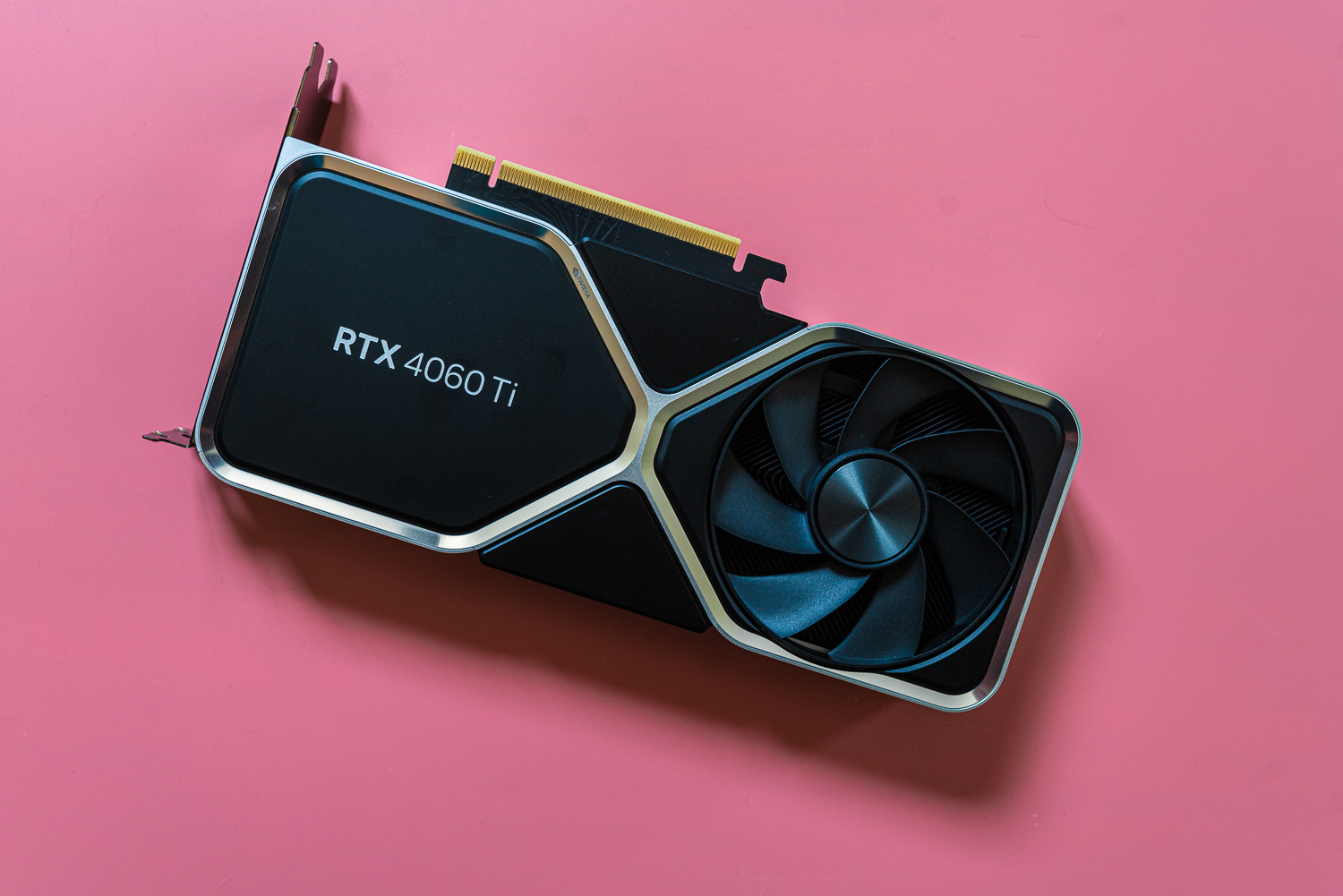
    The Nvidia RTX 4080 Super on a pink background.
    Jacob Roach / Digital Trends

    While the increase in memory is promising, it won’t automatically enhance bandwidth; the GPU also needs a wider memory bus and ideally more CUDA cores. In the RTX 40-series lineup, the RTX 4080 and RTX 4080 Super had nearly identical specifications, with slight enhancements in CUDA cores for the Super variant, resulting in only a minor increase in speed of about 1-3%.

    What’s exciting about the potential RTX 5080 Super/Ti is that it might arrive sooner than originally thought. If Nvidia follows through with a late 2025 release, it would mark a shift from their typical release cycle, as previous Super refreshes typically debuted at the start of the year, just over a year after the initial release of the RTX 4080.

    Even if these rumors hold weight, don’t expect any official announcements from Nvidia until the last quarter of the year, so patience will be key.


  • Nvidia’s Price Hike Could Deepen GPU Market Struggles

    Nvidia’s Price Hike Could Deepen GPU Market Struggles

    As if the GPU landscape wasn’t already chaotic, Nvidia apparently plans to hike the prices of its top-tier graphics cards. A recent report indicates that Nvidia is raising the costs of its RTX 50-series GPUs for its board partners and suppliers, potentially impacting consumer pricing. Here’s what you need to know.

    First off, this isn’t a straightforward price hike, like bumping the MSRP of the RTX 5090 from $2,000 to $2,500 (don’t worry, that hasn’t happened, although finding an RTX 5090 for under $3,000 is a challenge). This increase is more behind-the-scenes, making it difficult to confirm its accuracy — so take it with a grain of skepticism. The report originates from Digitimes and was later picked up by XDA Developers. Nvidia has yet to offer any official commentary on the situation, so we may need to wait for clarification. Even if the report is accurate, official confirmation could remain elusive.

    If it turns out to be true, the price situation for GPUs could quickly deteriorate further, and it was already bleak to start with.

    Digitimes alleges that Nvidia’s pricing adjustments will mainly impact suppliers and add-in board partners (AIBs). Nvidia reportedly permits these partners to pass on the price increases to consumers, meaning rather than absorbing the costs, these companies might choose to increase prices for the end-users. Given the current state of the GPU market, this wouldn’t come as a shock.

    The report specifies that one significant factor driving this change is export controls. Nvidia’s premier GPUs, namely the RTX 4090 and RTX 5090, cannot be exported to China, which fuels global demand and prevents these GPUs from being sold at MSRP. Digitimes suggests that this surge in demand has effectively doubled the channel price for these products, and despite their prices, they continue to sell well and frequently go out of stock, indicating that demand remains high. Tariffs also play a crucial role in this rumored decision.

    Nvidia has relocated much of its RTX 50-series production to TSMC’s Arizona facility in an attempt to mitigate tariff impacts, but completely avoiding their effects remains a challenge. Raising prices could help Nvidia recover some losses from external pressures while sustaining its profit margins.

    So, how much of an increase are we talking about? According to Digitimes, the RTX 5090 has experienced a 10% bump, with manufacturers facing hikes of up to 15%. It’s uncertain if every model in the RTX 50-series is affected, but the RTX 5090 seems to be the primary focus.

    The GPU market has seen significant upheaval in recent months. While the RTX 40-series was largely available at MSRP after initial excitement waned (except for the RTX 4090), the RTX 50-series is far from it. Even standard GPUs like the RTX 5060 Ti, or AMD’s RX 9070 XT, are being sold at elevated prices, with increases ranging from $100 to $300 for some AMD models. Even modest offerings such as the Intel Arc B580 are pricier than they were at launch.

    If Nvidia follows through with this alleged price increase, estimating how much of that might be passed down to consumers is complex. Given the already high prices, we can only hope that companies opt to reduce their profit margins and keep GPU costs relatively stable, though it may just be wishful thinking.


  • Nvidia RTX 5060 Official Price And Release Date Revealed

    Nvidia RTX 5060 Official Price And Release Date Revealed

    Among Nvidia’s impressive lineup of graphics cards, the RTX 5060 may not be the most powerful, but it certainly caters to the mainstream market, making it highly anticipated by gamers. Fortunately, the wait is almost over. Nvidia has confirmed both the release date and the price of the RTX 5060, and the news is promising. However, it’s worth questioning how long the suggested retail price will hold.

    According to Nvidia’s official site, the RTX 5060 will be available starting May 19, priced at $299. This matches the original list price of the prior generation’s RTX 4060, which is a positive sign. However, there are a couple of factors to keep in mind. First, Nvidia’s partners may add their own premiums to the MSRP, especially for models that feature higher clock speeds or enhanced cooling systems. Second, regardless of the manufacturer’s pricing, retailers are likely to increase prices based on current market conditions, which are less than favorable.

    While Nvidia has not yet disclosed the official specifications for the RTX 5060, leaks over the past few weeks provide some insight into what we can expect. Keep in mind that this information remains unverified and may change.

    It seems the RTX 5060 will be powered by the GB206 GPU, featuring 3,840 CUDA cores and a 128-bit memory bus. The card is expected to come with just 8GB of VRAM, especially since the RTX 5060 Ti was launched in both 8GB and 16GB variants. Fortunately, the transition to GDDR7 RAM is poised to significantly enhance performance for this sub-$300 GPU, with anticipated bandwidth around 448GB/s.

    As for performance, it remains unclear just how much improvement we can anticipate. Nvidia claims the card will deliver over 100 frames per second (fps) in “popular games,” likely aided by DLSS 4, unless your favorite titles are less demanding.

    The excitement in the mainstream GPU arena is about to intensify, especially with the AMD RX 9060 XT expected to be announced just two days later on May 21. Let’s hope there will be an ample supply of GPUs for everyone.

  • Get DOOM: The Dark Ages Free With Nvidia GPU Purchase

    Get DOOM: The Dark Ages Free With Nvidia GPU Purchase

    If you’re in the market for a top-notch graphics card, why not grab a new game while you’re at it? Nvidia has just rolled out an enticing offer: purchase one of their latest GPUs and receive a complimentary copy of DOOM: The Dark Ages. This promotion could save you around $99!

    From now until May 21, when you buy any RTX 50-series graphics card or a laptop that features one, you’ll gain access to the Premium Edition of DOOM: The Dark Ages at no additional cost. With the Premium Edition priced close to $100, this is a fantastic deal—especially if you were already considering adding this game to your collection.

    The qualifying GPUs include the RTX 5090, RTX 5080, RTX 5070 Ti, and RTX 5070 across both desktop and laptop formats. Given that the RTX 5070 has a list price of $550, getting a $100 game adds significant value. However, sourcing any of these graphics cards at MSRP remains a challenge in today’s market.

    Claiming the Premium Edition of DOOM also grants you a host of in-game bonuses, including a digital artbook, soundtrack, a Divinity skin pack, and early access—allowing you to start playing two days ahead of the official release.

    The bundles will be available at various retailers worldwide, so be sure to visit Nvidia’s site to find where you can snag this exclusive GPU and game offer while it lasts. Although game bundles aren’t a new concept, this one comes as a surprise given the current market dynamics; it seems Nvidia (and AMD) felt the need to incentivize purchases. This collaboration with Bethesda Softworks is particularly exciting, though these GPUs are likely to sell out quickly.

    In addition to the bundle, Nvidia and Bethesda have unveiled a special RTX 5080 featuring DOOM-themed aesthetics. Manufactured by Asus, the ROG Astral RTX 5080 DOOM Edition is unique and can be pre-ordered as part of a bundle priced at $1,999. This package includes the GPU, the game, a t-shirt, a large mouse pad, and a replica yellow keycard.

  • Nvidia’s New Laptop GPU May Greatly Upgrade Gaming Experience

    Nvidia’s New Laptop GPU May Greatly Upgrade Gaming Experience

    Nvidia is well-known for producing top-tier graphics cards, and this reputation extends to their laptop offerings as well. Consequently, mobile gamers who are budget-conscious have their sights set on gaming laptops featuring Nvidia’s RTX 5060. Recently, preliminary benchmarks for these laptops have surfaced, and the results are quite promising.

    It’s important to note that the RTX 5060 has not been released yet. The desktop version is anticipated to launch around May, but the timeline for the laptop version remains uncertain. However, with the initial benchmarks available for the mobile variant, it seems the release of these laptops is imminent. Until we receive the products for detailed reviews, it’s wise to approach the upcoming information with caution.

    Initial Geekbench tests have emerged, featuring two laptops from Colorful. While this brand may not be the most prominent among Nvidia laptop manufacturers, they appear poised to introduce new models. One of the tested laptops, the Colorful iGame M15 Origo, seems to be an entirely new design that is not yet listed on the company’s website.

    Now, let’s look at the benchmark results. Geekbench may not be the best metric for gaming performance, but it’s the only data available at this moment, with two OpenCL scores reported. The iGame M15 Origo achieved a score of 102,564 points, while the P15 Pro garnered 109,431 points. As noted by VideoCardz, this suggests that the RTX 5060 for laptops could be up to 18% faster than its predecessor.

    Starting off with an 18% performance boost is promising, and we may see even higher scores when these laptops are assessed in gaming environments. Nvidia’s transition to GDDR7 memory could provide a significant advantage for these budget-friendly GPUs, offering the extra bandwidth they require. We will need to wait for more benchmarks to emerge to gain a clearer picture.

  • Washington Mulls DeepSeek Ban and US Tech Deal Restrictions

    Washington Mulls DeepSeek Ban and US Tech Deal Restrictions

    Illustration of the Deepseek logo, taken on January 27, 2025. — Reuters

    WASHINGTON: The Trump administration is considering implementing penalties that would prevent China’s DeepSeek from acquiring American technology. They are also discussing the possibility of restricting access for U.S. citizens to the startup’s services, according to a report from The New York Times on Wednesday.

    The introduction of China’s affordable AI model, DeepSeek, has stirred unease within the AI industry. In response, the U.S. government has begun taking measures to limit the influence of the Chinese startup, particularly concerning its partnership with chip manufacturer Nvidia.

    Nvidia’s AI chips have been a significant target of U.S. export restrictions, aimed at preventing the sale of advanced technology to China to sustain the U.S.’s competitive edge in AI.

    This week, the Trump administration took steps to restrict Nvidia’s AI chip sales to China.

    The U.S. House Select Committee on China indicated in a report that it has formally requested Nvidia provide information regarding its sales in China and Southeast Asia, investigating how its chips might support DeepSeek’s AI models despite existing U.S. export limitations.

    Nvidia has alerted investors that it could face a substantial loss of $5.5 billion following Washington’s decision to restrict exports of its H20 AI chip to China. This latest move is part of Trump’s ongoing strategy to curb China’s access to advanced semiconductor technology.

    Since 2022, the U.S. has prohibited the export of Nvidia’s most sophisticated chips to China, fearing that these advanced technologies could enhance China’s military capabilities.

    Neither DeepSeek, the White House, nor the Commerce Department immediately responded to requests for comments from Reuters.

  • Nvidia’s RTX 5060 Ti and RTX 5060 Price Surprise Awaits You

    Nvidia’s RTX 5060 Ti and RTX 5060 Price Surprise Awaits You

    Nvidia has officially revealed three exciting new graphics processing units (GPUs), some of which are set to rival the top contenders in the mainstream market. Additionally, new laptop models featuring these GPUs are on the horizon. This announcement sheds light on what we can anticipate from the upcoming RTX 50-series lineup.

    Team Green is keeping the cost consistent for its most popular card in history, the RTX 5060. With a starting price of $299, it mirrors the suggested retail price (MSRP) of the previous RTX 4060. While this isn’t surprising, the real question remains whether it will be available at MSRP—most models in the RTX 50 series have not been easily obtainable at their listed prices.

    The standout surprise is the introduction of the RTX 5060 Ti in both its variants, as Nvidia has surprisingly cut prices compared to its predecessors. The 16GB model will debut at $429, while the 8GB version will start at $379; both represent a reduction from the previous prices of $499 and $399 for the RTX 4060 Ti 16GB and 8GB, respectively.

    The RTX 5060 Ti will be equipped with either 16GB or 8GB of GDDR7 memory running at 28Gbps, maintaining a 128-bit bus that translates to a memory bandwidth of 448GB/s. Both configurations share the same total graphics power (TGP) of 180 watts, featuring 4,608 CUDA cores and a maximum boost clock of 2,572MHz.

    The RTX 5060 has fewer cores, decreased to 3,840, while maintaining 8GB of VRAM across the same 128-bit bus, resulting in equivalent bandwidth. This card will have a TGP of 145W, representing a notable increase from the RTX 4060 of the previous generation.

    All three new models have been unveiled today, with the RTX 5060 Ti 16GB set to be available as soon as tomorrow (April 16). The 8GB version will follow shortly after, and the RTX 5060 will be released in May.

    Nvidia has also launched new laptops featuring the RTX 5060. These models will start at $1,099, which isn’t significantly lower than the starting price of the RTX 5070 laptop range. The market reveals a contrasting reality, as many of these laptops end up costing more than their suggested prices. Manufacturers including Acer, Asus, Dell, Gigabyte, HP, Lenovo, MSI, and Razer are all set to produce laptops powered by these new mainstream GPUs.

  • Nvidia RTX 5060 Ti Leaked Benchmark Shows Promising Results

    Nvidia RTX 5060 Ti Leaked Benchmark Shows Promising Results

    Recent leaks suggest that Nvidia’s RTX 5060 Ti is poised for release, potentially competing with some of the top graphics cards available today. The latest benchmark results have surfaced, indicating that its launch may be just around the corner, and both tests have fueled my anticipation for the RTX 5060 Ti.

    The folks at VideoCardz uncovered some Geekbench results for the RTX 5060 Ti. While these synthetic benchmarks don’t fully reveal how the GPU performs in demanding AAA games, they do offer a glimpse into its specifications and overall performance capabilities.

    The advantage of using Geekbench is its open database, making it a reliable source of benchmark data before comprehensive reviews emerge. This time, the targeted GPU is identified as the RTX 5060 Ti with 16GB of VRAM. The benchmark tool has also indicated that the card boasts 36 compute units (CUs), translating to 4,608 CUDA cores—256 more than the RTX 4060 Ti, which represents a noteworthy enhancement.

    In terms of performance scores, the RTX 5060 Ti surprised with impressive numbers. It achieved 146,234 points in the OpenCL benchmark and 140,147 points in Vulkan tests. When compared to AMD’s RX 9070 XT, the OpenCL score was about 5% higher, although it fell 16% short in the Vulkan benchmark.

    More significantly, the RTX 5060 Ti demonstrated about a 13-14% performance improvement over its predecessor, the RTX 4060 Ti. This increase is more substantial than what we observed when transitioning from the RTX 3060 Ti to the RTX 4060 Ti, which is encouraging news for gamers.

    When comparing the RTX 4060 Ti and the RTX 5060 Ti, the most notable advantage will likely be the increased bandwidth. The slight boost in CUDA cores may not greatly impact performance. Although both cards are expected to share the same 128-bit bus (which may not seem sufficient for a 16GB card), the RTX 5060 Ti will benefit from GDDR7 memory modules, providing it with an essential performance upgrade.

    Rumors suggest that the RTX 5060 Ti will have a lower price point than anticipated, with the 16GB variant expected to retail for $429. Nvidia is reportedly set to unveil this new card on April 15, meaning we won’t have to wait long to see its capabilities firsthand.

  • Nvidia RTX 5060 Ti Could Be More Affordable Than Anticipated

    Nvidia RTX 5060 Ti Could Be More Affordable Than Anticipated

    The launch of Nvidia’s RTX 5060 Ti is imminent, and excitement is in the air. The focus isn’t solely on how it will perform against other top-tier graphics cards; it’s also on the potential pricing that gamers are anxious about during the current GPU shortage. Fortunately, there are encouraging signs that the price point might be more favorable than initially feared.

    A recent leak from Board Channels suggests that the RTX 5060 Ti will match the pricing of its predecessors. For clarity, it’s anticipated that the RTX 5060 Ti will come in two configurations: one featuring 16GB VRAM and the other with 8GB. Previous rumors indicated that the 16GB variant could launch at $499, consistent with the last generation’s pricing, while the 8GB model might be priced at $399.

    Initially, I thought this was fairly positive news, since it suggested we might avoid a price hike. However, as reported by IT Home, there’s even better news on the horizon: a potential price cut.

    According to IT Home, Nvidia has shared the official MSRP with its add-in card (AIC) partners, and the results are better than many anticipated. The prices are reportedly set at $379 for the 8GB model and $429 for the 16GB model, representing a significant decrease for the 16GB variant and a modest $20 reduction for the 8GB version.

    Details about the RTX 5060 haven’t been disclosed yet, although it is expected to be unveiled alongside its counterparts on April 15. If the RTX 5060 Ti starts at $379, we could estimate the RTX 5060 to be around $300 to $320, but that remains speculative until the official announcement. Until Nvidia provides further updates, we can only make educated guesses.

  • Nvidia RTX 5070 Now Available At Best Buy, Get Yours Today

    Nvidia RTX 5070 Now Available At Best Buy, Get Yours Today

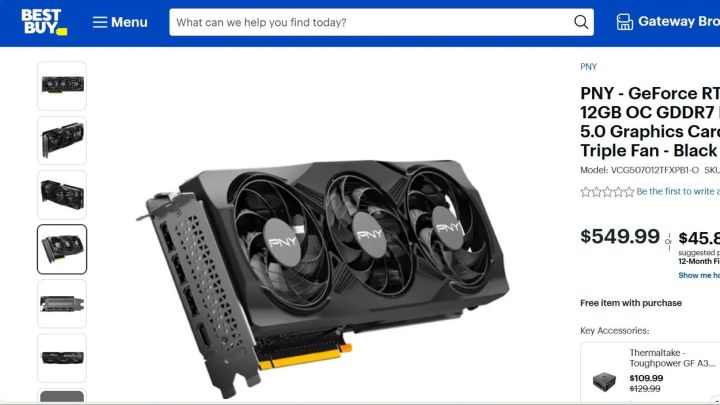
    Even though it’s the day after April Fool’s Day, this is a genuine offer. The highly sought-after Nvidia RTX 5070 is currently available at Best Buy for its usual price of $550.

    Recent reports indicate that the RTX 50-series graphics cards are becoming more available, including special deals for Amazon Prime members. This finding is a fortunate chance for individuals looking to avoid overspending on a graphics card. Nvidia’s entire GPU line has seen price hikes due to resellers and scalpers, but it’s particularly frustrating when the most affordable options start climbing in price. Retailers attempted to push the price of the RTX 5070 Ti to nearly $1,000 back in March, but customer backlash forced them to adjust it to a more reasonable figure.

    Best Buy listing for Nvidia RTX 5070 GPU.
    Best Buy

    According to Michael Crider from PC World, he discovered a listing for the Nvidia RTX 5070 GPU available at Best Buy in Pennsylvania while simulating a purchase. He noted that having a Best Buy Plus membership might have given him an advantage, although he also cautioned that orders could still be canceled after confirmation if stock is insufficient.

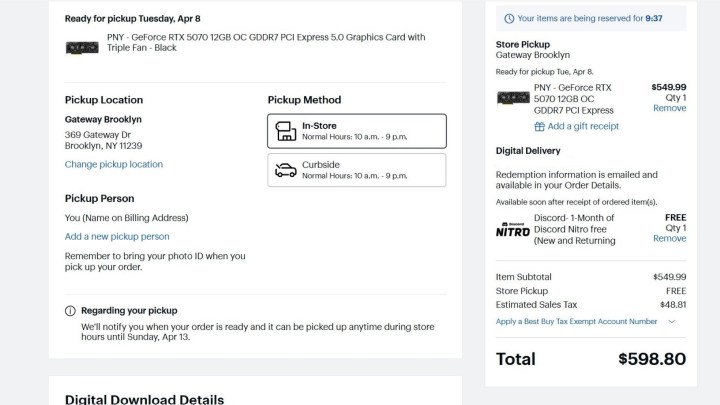
    To have my own experience, I decided to mimic a purchase but struggled with the Best Buy interface as online shopping is not my strong suit. After waiting briefly in the web queue, I was asked to log into my Best Buy account. Once I logged in around 5 p.m. Eastern Time, I made it to the checkout page without entering any payment information, receiving a window of nine minutes to complete the transaction.

    I do not possess a Best Buy Plus membership, and the biggest challenge I faced was simply remembering if I had a Best Buy account, which I do.

    There are multiple Best Buy locations in my Brooklyn area, but I worked with the one that was linked to my webpage, showing stock for the RTX 5070 models, although they were selling quickly.

    The Best Buy website offered both shipping and in-store pickup options, which would likely enhance the chances of receiving a product. Had I finalized my purchase, I would have been set to pick up my GPU by April 8.

    This news should bring relief to many Nvidia enthusiasts who have been eagerly awaiting the chance to obtain reasonably priced GPUs. The company has promised that availability will increase in the upcoming weeks and months, and it appears to be delivering on that commitment.

  • Amazon Has AMD And Nvidia GPUs But Requires Prime Membership

    Amazon Has AMD And Nvidia GPUs But Requires Prime Membership

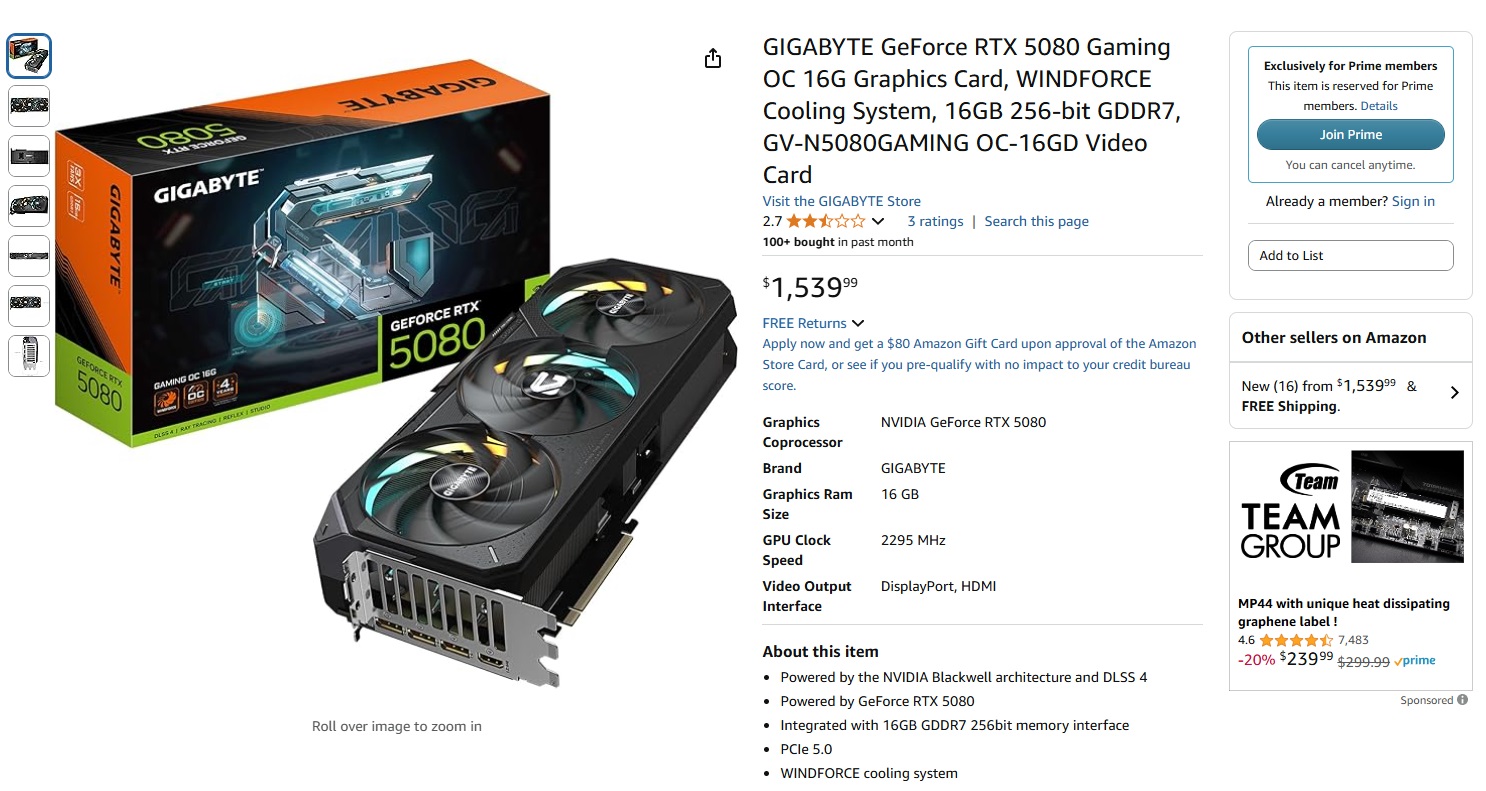
    Amazon seems to be taking steps to address the issue of GPU scalping by reserving a portion of its inventory of Nvidia RTX 5000 and AMD Radeon 9000 series graphics cards exclusively for Prime subscribers. As reported by Club386, certain high-end GPUs are only accessible to Prime members, which could help mitigate the effects of scalpers and resellers. Interestingly, Amazon has not officially categorized this initiative as an anti-scalping measure, leaving some room for conjecture regarding its underlying purpose.

    A range of Nvidia RTX 5000 series graphics cards, including the RTX 5080 and RTX 5070, are currently marked as “reserved for Prime members” on Amazon, meaning that non-Prime users cannot purchase them. The top-tier RTX 5090 is notably absent from this reservation, likely due to its steep price tag, while the RTX 40 series remains unaffected, potentially because of limited availability.

    In the same vein, several AMD Radeon 9000 series GPUs, such as the XFX Quicksilver Radeon RX 9070 OC and Sapphire Pulse Radeon RX 9070 XT, are similarly restricted to Prime members. However, these GPUs are currently being sold at inflated prices.

    Whether intentional or not, this strategy may deter individuals hoping to buy GPUs in bulk for resale at marked-up prices. Scalping has long plagued the GPU market, with high demand and limited supply often leading to exorbitant prices on secondary platforms. By requiring a Prime subscription, Amazon introduces a paywall that may discourage opportunistic sellers while giving genuine gamers and enthusiasts a better chance at purchase.

    This development could be beneficial for those frustrated by previous shortages, but it also raises concerns about accessibility. Critics argue that requiring a paid membership can place an extra burden on consumers who are already facing the high costs associated with new GPU technologies.

    Neither Nvidia nor AMD have publicly commented on Amazon’s apparent strategy, leaving questions about whether this is a collaborative effort or a standalone decision by the retailer. Additionally, it remains unclear if this policy will extend beyond initial launch periods or apply to future product releases.

    For now, those aiming to secure one of these next-generation GPUs might consider a Prime subscription as a potential advantage in their quest to make a purchase.

  • Nvidia May Again Delay The Most Wanted GPU For Gamers

    Nvidia May Again Delay The Most Wanted GPU For Gamers

    What happens when a GPU hasn’t been officially announced? You might start to wonder if it’s been postponed. This could be the case for Nvidia’s anticipated budget-friendly graphics cards. According to insider reports, the RTX 5060 and RTX 5060 Ti appear to be facing further delays, leaving gamers to wait an extended period before they can snag one of the latest RTX 50-series GPUs.

    This unfortunate news comes from Board Channels, a platform frequented by individuals claiming to be connected with Nvidia’s add-in board (AIB) partners. The report suggests that the RTX 5060 Ti, in both its 8GB and 16GB versions, is now expected to launch around mid-April, with the RTX 5060 following in mid-May. Nvidia has reportedly informed its AIBs about these new timelines.

    Although we’re still waiting for Nvidia to officially announce the RTX 5060 series, much of this remains speculation. Historically, xxx60 cards have consistently performed well in the Steam Hardware Survey, indicating that the new releases could also be successful—but prolonged delays may force potential buyers to consider alternatives.

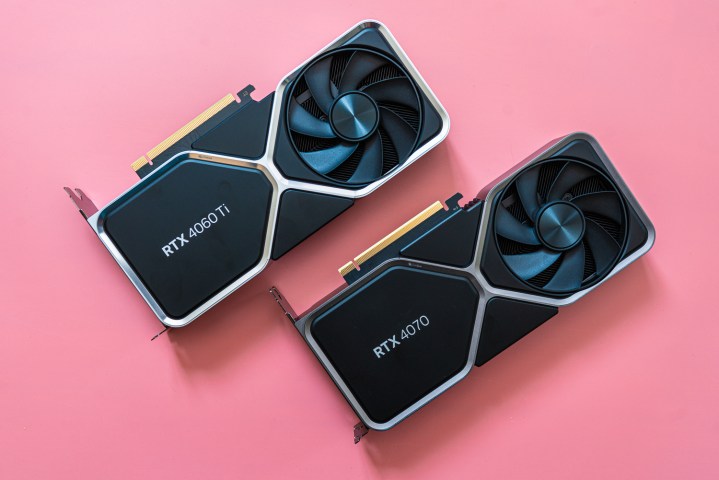
    RTX 4060 Ti next to the RTX 4070.
    Jacob Roach / Digital Trends

    Earlier leaks suggested a launch for the RTX 5060 in March, but that seems unlikely now. Waiting an additional month and a half for the RTX 5060 will surely be disappointing to many eager gamers. Furthermore, it provides AMD with an opportunity to counter with the RX 9060, which still lacks a release date and detailed specifications.

    Subscribe for Weekly Insights into PC Gaming Technology


    Check your inbox!

    Regarding specifications, there has been some debate among leakers about the RTX 5060. Some speculate it could feature 12GB of VRAM, which would be impressive but seems unlikely. The RTX 5060 Ti is expected to arrive in two versions: 16GB and 8GB, mirroring its predecessors. Overall, the specs indicate a modest improvement over the previous generation, setting the stage for a slight upgrade.

  • Nvidia GPUs May Not Have A Pricing Issue After All

    Nvidia GPUs May Not Have A Pricing Issue After All

    European markets are experiencing a decrease in the prices of Nvidia’s RTX 50-series GPUs, attributed to the strengthening exchange rate between the euro and the dollar. As a result, Nvidia has been able to reduce the prices of several of its graphics cards by around five percent.

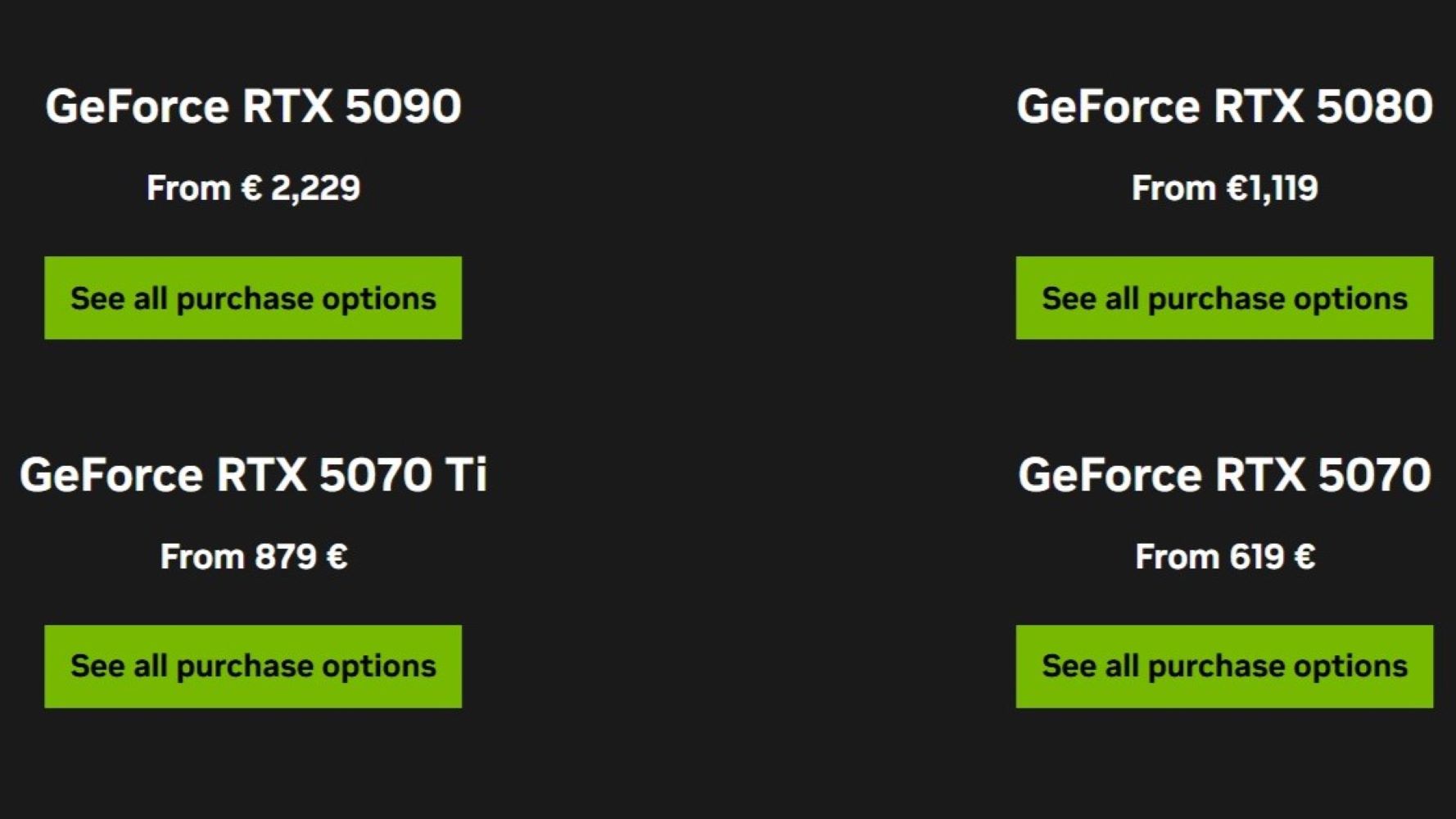
    As reported by Videocardz, Nvidia has adjusted the pricing on its German sector webpage. The price of the RTX 5090 has been lowered from €2,330 to €2,230, while the RTX 5080’s price has changed from €1,170 to €1,120. The RTX 5070 has also seen a reduction from €650 to €620. Interestingly, the RTX 5070 Ti’s price remains unchanged at €880, likely due to the absence of a Founders Edition variant for this particular model.

    Recent price adjustments for Nvidia graphics cards in Europe
    Nvidia

    Elsewhere, in the U.K., the RTX 5090 has seen a drop from its launch price of £1,940 to £1,890, largely due to the sluggish performance of the dollar against the pound, as noted by the Verge.

    The U.S. dollar saw instability beginning in late January, and it has now leveled off to about a 4% decrease, according to reports from Videocardz.

    Stay updated on tech trends in PC gaming


    Check your inbox!

    It’s important to note that the exchange rate changes do not reflect the inflated prices many GPUs are being sold at by third-party retailers. Previous reports indicated that certain models, including the RTX 5070 Ti, RTX 5080, and RTX 5090, were being marked up significantly beyond Nvidia’s suggested retail prices, with comparisons made to scalper pricing.

    Insiders inform that customers remain hesitant to purchase graphics cards, despite the decrease in prices, which is primarily influenced by the exchange rate rather than an increase in demand.

    Additionally, Nvidia is grappling with supply issues for its RTX 50-series GPUs. While the company has expressed intentions to stabilize supply levels in the upcoming weeks and months, it has also claimed to have had a more successful launch of this series compared to the previous RTX 40-series. However, some analysts have cast doubt on this assertion, highlighting that Nvidia released four RTX 50-series models in five weeks, whereas only one RTX 40-series GPU debuted in that same timeframe during fall 2022.

  • AMD RX 9070 XT Outshines Nvidia’s $1,000 GPU With A Catch

    AMD RX 9070 XT Outshines Nvidia’s $1,000 GPU With A Catch

    The AMD RX 9070 XT debuted last week, garnering mostly positive reactions from the gaming community. Anticipated to perform competitively against Nvidia’s RTX 5070 Ti, the RX 9070 XT has unexpectedly outperformed expectations, even surpassing the formidable RTX 5080, which retails for over $1,000.

    Prominent overclocker Der8auer put the RX 9070 XT through rigorous testing, yielding fascinating findings. Initially, it was believed the RX 9070 XT would only compete with the RTX 5070, yet it has demonstrated capabilities that outshine both the RTX 5070 Ti and the 5080 in recent assessments. Notably, Der8auer utilized a high-end variant of the card, which he overclocked and undervolted to achieve these results.

    Overclocking and undervolting a GPU can be an intricate process, often leading to rewarding outcomes—this instance certainly highlights that. Der8auer aimed to push the card to its maximum advertised clock speed of 3,060MHz for the PowerColor RX 9070 XT Red Devil. Simply overclocking was insufficient; he only achieved 3.1GHz by raising the power limit to 110%. After attempting to undervolt by 200mV, he encountered crashes. Ultimately, he stabilized the GPU by running it at -170mV, which allowed it to reach a remarkable 3.4GHz—an unprecedented frequency for many graphics cards.

    A benchmark of the RX 9070 XT and the RTX 5080 FE.
    der8auer

    The results from the overclocking and undervolting experiments were outstanding, leading the RX 9070 XT to take the top spot in Der8auer’s benchmarks, edging out the Nvidia RTX 5080 Founders Edition, albeit by a slight margin.

    This performance is particularly striking given that the RTX 5080 is priced at $999 for the Founders Edition, while the RX 9070 XT starts at $599. This specific model is priced at $790 due to its premium features, making the price difference more significant than anticipated. Nevertheless, both graphics cards are currently sold out, rendering the point largely academic.

    It’s worth noting that Der8auer did not employ ray tracing or path tracing during his benchmark of Cyberpunk 2077. Given Nvidia’s historical advantage in optimizing ray tracing workloads, this could mean even better performance for the RX 9070 XT. Furthermore, the RTX 5080 was tested without overclocking, which would likely have shifted the results in its favor—but nonetheless, this accomplishment serves as a solid win for AMD.

  • Nvidia’s New Budget GPUs May Disappoint Gamers

    Nvidia’s New Budget GPUs May Disappoint Gamers

    While Nvidia has yet to officially acknowledge its entry-level GPUs within the new RTX 50 series, recent leaks have shed light on the expected specifications for the forthcoming RTX 5050, 5060, and 5060 Ti. Sources have suggested that an official announcement could be imminent, following last week’s reports that Nvidia plans to reveal additional models from the RTX 50 lineup within the next ten days.

    According to details shared by @kopite7kimi, a well-regarded leaker, the specs for these new graphics cards are now becoming clearer. As detailed in his posts on X, the RTX 5060 and RTX 5060 Ti will be built using the GB206-300 GPU die, with the RTX 5050 featuring the GB207-300 chip. The RTX 5060 Ti, which is positioned as the more capable model within the 60-lineup, is expected to include 4,608 CUDA cores, representing a modest increase of 5.7% compared to the RTX 4060 Ti.

    GeForce RTX 5060 Ti
    PG152-SKU10/15
    GB206-300-A1
    4608FP32
    128-bit GDDR7 8/16G
    180W

    — kopite7kimi (@kopite7kimi) March 9, 2025

    The RTX 5060 Ti will be available in two memory variants: 8GB and 16GB of GDDR7, both operating on a 128-bit memory bus with a thermal design power (TDP) of 180W. The 16GB model is expected to launch first, with availability by the end of March, followed by the 8GB variant in April, coinciding with the release of the RTX 5060.

    GeForce RTX 5060
    PG152-SKU25
    GB206-250-A1
    3840FP32
    128-bit GDDR7 8G
    150W

    — kopite7kimi (@kopite7kimi) March 10, 2025

    The RTX 5060 itself will come in a single 8GB GDDR7 configuration while continuing to utilize the 128-bit memory bus. This model features 3,840 CUDA cores—an impressive 22.22% upgrade over the previous generation, the RTX 4060. With a TDP of 150W, this GPU is expected to be a strong option for compact PC builds.

    GeForce RTX 5050
    PG152-SKU50
    GB207-300-A1
    2560FP32
    128-bit GDDR6 8G
    130W

    — kopite7kimi (@kopite7kimi) March 9, 2025

    The RTX 5050 marks the revival of Nvidia’s 50-class graphics cards, a segment that hasn’t seen an update since the RTX 3050. While both the RTX 5060 and 5060 Ti will benefit from a 128-bit memory interface that delivers a bandwidth of 448 GB/s—around 55% greater than the RTX 4060 Ti—the 5050 will use GDDR6 memory. This model is expected to feature the PG152-SKU10/15 board, equipped with a GB206-300-A1 GPU die, howering 2,560 CUDA cores and a TDP of 130W.

    The RTX 50 series, which includes models like the RTX 5090, 5080, 5070 Ti, and 5070, has not had a smooth launch, primarily hindered by limited stock and inflated prices. Issues have also arisen regarding the RTX 5090, particularly its incompatibility with older 12VHPWR power connectors, leading to reports of cable and adapter failures under high load conditions. Additionally, there have been concerns over specific RTX 50 graphics cards lacking Render Output Units (ROPs), which impacts overall performance.